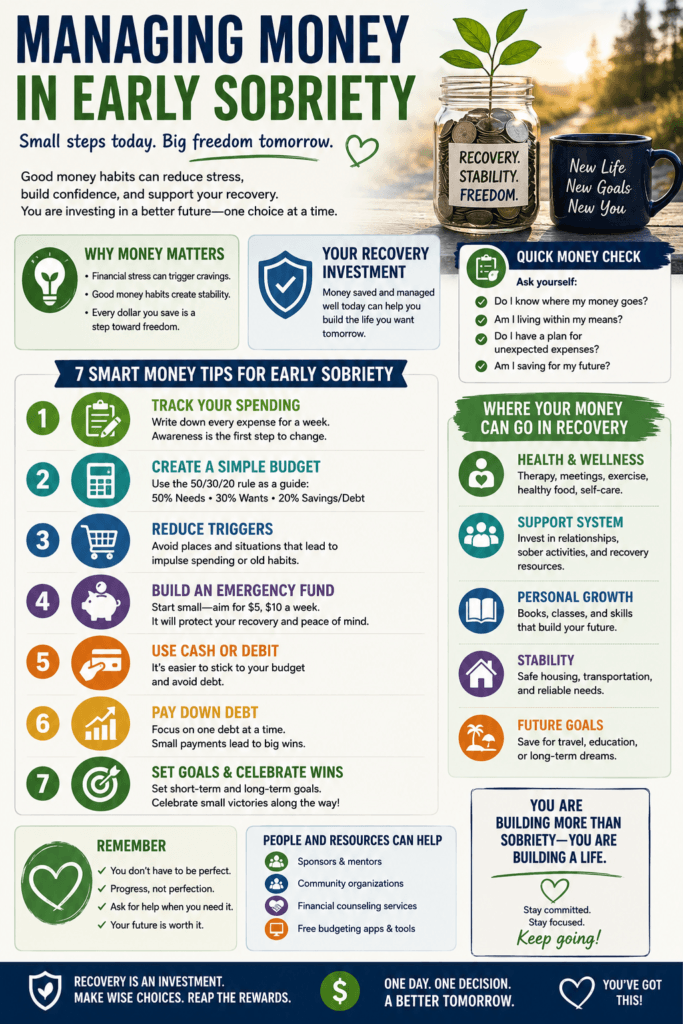
Learning how to manage money in early sobriety is honestly one of the most practical skills I’ve ever picked up. When I first stopped drinking, it felt like I had both a new lease on life and a bunch of old bills to pay off. Building solid money habits has been a much bigger part of my recovery than I expected.
Why Money Feels Different in Early Sobriety
When drinking or using was a daily thing, money tended to disappear fast. Even just a few drinks out or picking up something to keep the buzz going could add up over time. Quitting those habits changes your financial picture, but that doesn’t mean things get simple right away.
Early sobriety brings its own money issues. For one, there might be old debts. Sometimes, jobs or income sources need to change for recovery. And there’s almost always the pressure to fill new free time with fun activities, which can add up. This new phase usually means rethinking how you spend, earn, and even save. Also, emotions in early sobriety can lead to spending more to feel good, so it’s important to track where your money goes.
Building a Simple Budget (And Actually Sticking to It)
Budgeting might sound overwhelming or even boring, but I found that a basic plan goes a long way toward building some calm around money. Plus, with a little effort, budgeting can feel empowering by highlighting your progress week by week.
- Track What’s Coming In: Start by listing every source of income, even if it’s just one paycheck. Writing it down helps you spot patterns or opportunities to add income in the future.
- List Your Needs First: These are basics like rent, groceries, transportation, utilities, cell phone, and minimum debt payments. Make sure these are the first items handled—security matters.
- Put Down the Wants: Streaming services, takeout, hobbies, and outings go here. Being honest about habits (good or bad) is really helpful, especially since wants can easily sneak up and eat into your budget.
- Sum It Up: Subtract total expenses from total income to see what’s left. This number is what you can work with to reach your financial goals, whether that’s saving, paying off debt, or building an emergency buffer.
Even a handwritten list or a simple spreadsheet works. If you want to try an app, You Need A Budget and Mint are both pretty handy for beginners. For those who prefer pen and paper, a calendar notebook for writing down due dates and planned expenses can work wonders for keeping you organized.
Managing Triggers: Spending, Mood, and Free Time
Money gets tangled up with emotions, especially if you’re used to reaching for a substance to deal with stress, anxiety, or boredom. Early sobriety can create new temptations. Sometimes there’s an urge to shop, eat out, or rack up little purchases just for that dopamine hit.
Knowing your own triggers can help. For example, if going out with friends is risky, try suggesting a free or low-cost meet-up instead. If you’re used to buying takeout because cooking feels stressful, meal prepping once a week can save both cash and energy. Consider preparing meals with friends or family as a bonding activity that also keeps spending low.
Building new routines takes some time, but swapping expensive habits for low-cost positive ones makes a big long-term impact. Parks, library visits, group sports, and community events are all worth checking out. Volunteering is another free and meaningful way to fill time, meet new people, and build confidence.
Steps to Prioritize What Matters: Needs vs. Wants
Sorting out what really matters in your budget can be tough at first. I used to justify a lot of expensive “treats” because I felt like I deserved something after quitting. That’s a natural feeling, but when you add up the cost, it starts to work against long-term goals.
- Decide on Non-Negotiables: Rent, healthy food, and transportation are examples. If you skip these, daily life and sobriety both get harder.
- Identify Nice-to-Haves: This could be new clothes, electronics, or dining out. These aren’t off limits; they just need to fit into the plan for the month.
- Set a Fun Fund: Carving out a small bit of money for “fun stuff” can keep you from feeling deprived and help prevent impulsive splurges. Treat this fun fund as a reward for progress and a motivator to stick with your goals.
Sometimes it helps to physically label cash jars or separate checking subaccounts by purpose. That way, it’s easy to see what’s safe to spend. Even keeping receipts in a special envelope makes it easier to review your spending patterns at the end of the month.
Dealing with Debt (Without Killing Motivation)
Tons of people finishing rehab or leaving an unhealthy scene end up facing down debts from credit cards, payday loans, medical bills, or old habits. Ignoring these doesn’t make them go away, so I found that facing them early is the way to go. Taking baby steps still counts as progress.
- List Every Debt: Write down what’s owed, interest rates, and minimum payments. Visibility is power; it keeps you from being blindsided by random bills.
- Don’t Overwhelm Yourself: Pay at least the minimum on everything to avoid late fees, then put any extra cash toward the smallest balance (the “snowball” method) or the highest-interest balance (the “avalanche” method). Pick the approach that makes you feel most successful and keeps you motivated.
- Ask for Help If Needed: Many creditors will work with you on a payment plan if you let them know your situation. Nonprofit credit counseling agencies can also offer advice, and some support groups have resources for folks in recovery.
Chipping away little by little builds financial confidence and frees up cash for things that actually help you feel better, like experiences, hobbies, or tools for personal growth.
Common Money Roadblocks in Early Sobriety (And Wise Workarounds)
- Losing or Changing Work: Recovery might mean switching jobs, returning to school, or starting part-time work. It’s helpful to take on side gigs, temp work, or remote jobs while you build something new. Consider gig economy jobs or creative freelancing if your schedule is in flux.
- Unexpected Expenses: Medical bills, car repairs, and family stuff can hit at any time. Building up even a tiny emergency fund ($10 or $20 a week) makes these less stressful. Try selling unused household items or clothes online for fast cash to boost your emergency fund.
- Peer Pressure and Social Spending: Turning down pricey outings or suggesting budget-friendly plans helps a lot. Finding sober friends is a game-changer here. Support meetings, volunteer groups, and hobby clubs are good places to meet folks who won’t pressure you to spend.
- Impulse Buying: Unsubscribing from retail emails and leaving your card at home when possible can help curb those “treat yourself” splurges. Pausing before every purchase—asking, “Do I need this, or do I want it right now?”—can curb these habits.
Everyone deals with some or all of these. Practicing self-compassion is really important; money skills improve with time and practice, just like sobriety tools do. Celebrate every bit of progress, no matter how small.
Growing New Habits: Automating Savings and Bill Pay
Setting up a couple of simple automatic routines is one of the easiest ways to avoid money stress and build confidence. Automation lets you focus more on your recovery journey rather than daily money worries.
- Automatic Transfers: If your paycheck goes into your bank account, setting up an automatic transfer to savings (even $5 or $10) every payday can help you build up a reserve. Watching your savings grow, no matter how slowly, boosts your sense of accomplishment.
- AutoPay on Regular Bills: Setting up autopay for essentials like rent, utilities, and cell phone bills can help avoid late fees. It also frees up mental energy for more important things, such as self-care and social support.
Most banks and credit unions offer free tools to set this up. Even when cash is tight, seeing savings add up—even slowly—feels good and teaches the value of delayed gratification.
Real-Life Examples: What Helps Keep Me on Track
- Using Cash Envelopes: Pulling out just what I need for groceries or gas and leaving the card at home makes overspending way less likely. It’s a simple trick that keeps you accountable to your own goals.
- Checking the Bank App Once a Day: This may sound small, but staying in the loop about my balance keeps everything from spiraling out of view. It also stops minor mistakes from turning into big problems.
- Celebrating Progress: Hitting a small savings goal, or being debt-free on a bill I’ve struggled with, is totally worth a (budget-friendly) celebration.
- Asking Others for Tips: In my recovery groups, talking about money is no longer taboo. A lot of folks have tips and tricks that actually work. Sometimes the best advice comes from someone a step or two ahead on the same path.
Making these money moves doesn’t always feel natural at first, but seeing progress, no matter how slow, builds momentum both for staying sober and staying financially steady. Sometimes, just knowing you’re not alone makes the process feel a lot more manageable.
Quick Answers: Money & Sobriety FAQs
Question: How should I handle big urges to spend in early sobriety?
Answer: Give it 24 hours. Waiting out the urge often helps you see if it’s just a quick fix for boredom or stress. Filling the time with a walk, a call to a friend, or a new activity is super helpful. Journaling about what you want to buy can also give you space to reflect.
Question: Is it normal to still feel broke after quitting drinking?
Answer: Totally normal. Old debts, job changes, and new routines can keep things tight for a while. The good news is that the money not spent on substances starts to add up over a few months. Be patient and know that your efforts will pay off in time.
Question: What if I slip up and go on a spending binge?
Answer: Be kind to yourself. Slips happen in money and recovery. Look at what triggered it, reset your plan, and remember that consistency is more important than perfection. Consider putting a note in your wallet to gently remind you of your long-term goals.
Moving Forward: Financial Wellness as Part of Recovery
Learning to budget, prioritize, and save in early sobriety isn’t about perfection. It’s about giving yourself a stable, positive foundation for this new chapter in your life. Small wins add up. Every mindful choice gets you closer to financial peace, and those choices naturally support recovery, too. Taking care of money is just another way to take care of yourself—and you deserve that stability.
Video: Don’t Let Money Ruin Your Recovery: A Step-by-Step Plan