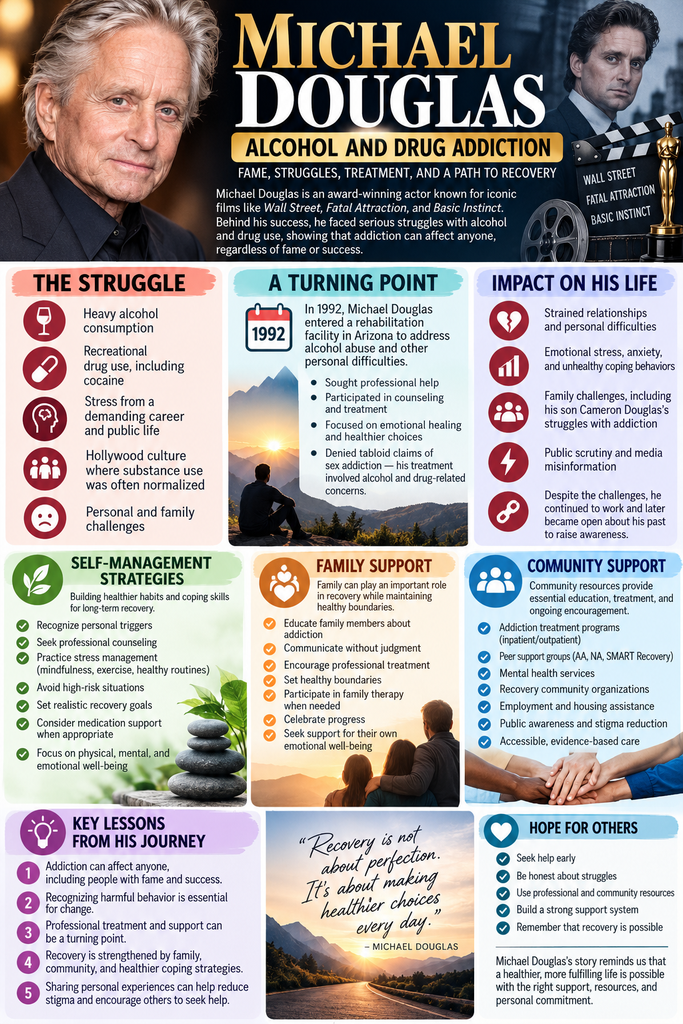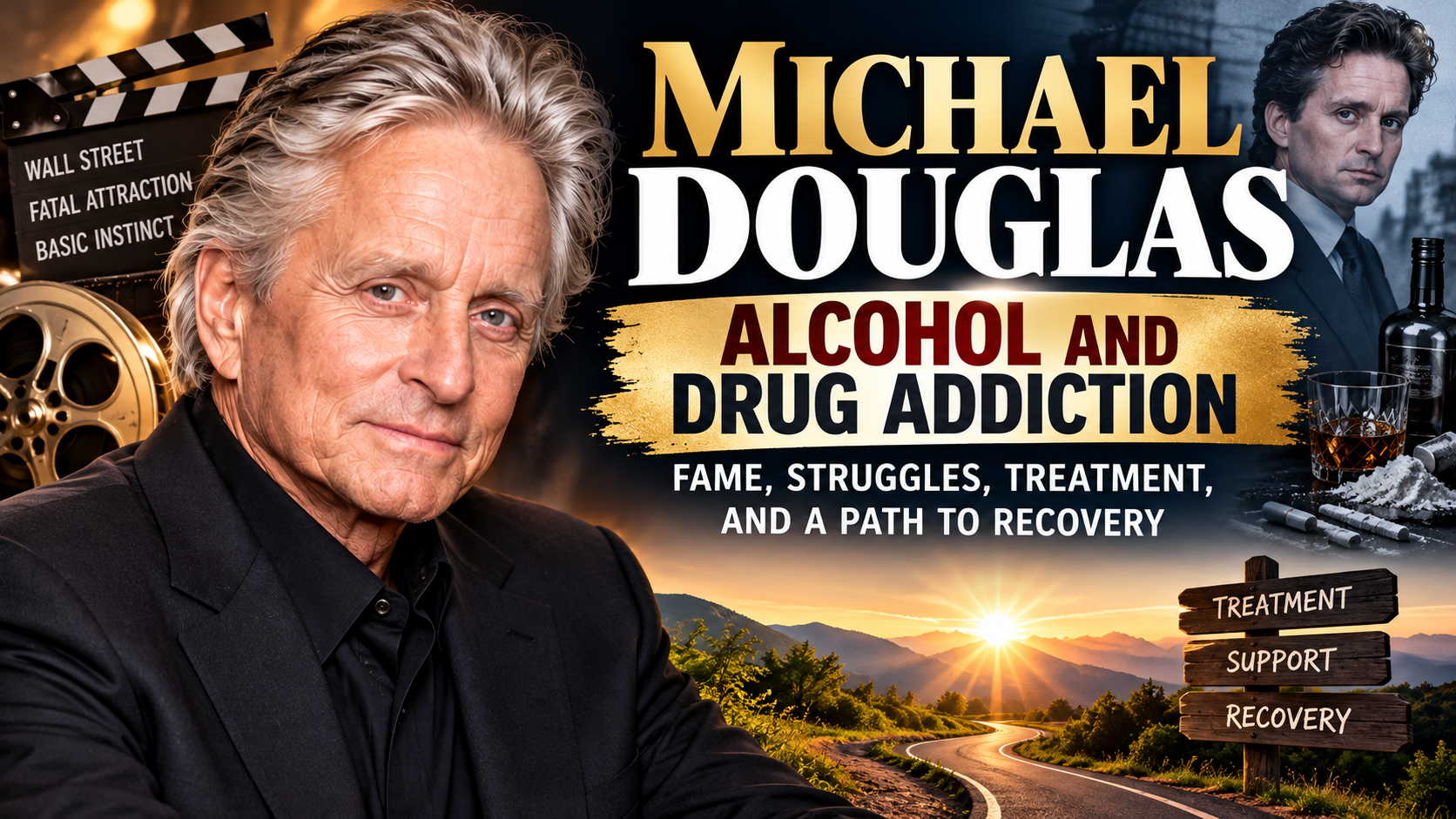
Michael Douglas is one of Hollywood’s most celebrated actors, known for his performances in Wall Street, Fatal Attraction, and Basic Instinct. Behind his successful career, however, Douglas experienced personal struggles involving excessive alcohol consumption, drug use, emotional stress, and family difficulties. Despite fame, wealth, and professional accomplishments, he faced challenges that demonstrate how substance misuse can affect anyone, regardless of social status.
In 1992, Douglas entered a rehabilitation facility to address alcohol abuse and other personal difficulties. In interviews surrounding his October 2026 memoir, One Helluva Ride, he reflected openly on his past alcohol and drug use and the consequences of his behavior. His experiences provide an opportunity to explore addiction, self-management, family relationships, and the importance of community support in long-term recovery.
Michael Douglas’s Struggles With Alcohol and Drug Use
During the 1960s, 1970s, and 1980s, Douglas was exposed to Hollywood’s entertainment culture, where heavy drinking and recreational drug use were often normalized. As his fame grew, he faced demanding work schedules, professional expectations, and significant personal pressures.
Douglas has acknowledged using substances, including cocaine, during earlier periods of his life. In his 2026 memoir and accompanying interviews, he discussed how excessive alcohol and drug use contributed to difficult personal experiences and strained relationships.
Several factors help explain the risks associated with substance misuse in high-pressure environments:
- Professional stress: Demanding schedules and expectations can contribute to unhealthy coping behaviors.
- Social influences: Environments where substance use is normalized may increase exposure and risk.
- Emotional difficulties: Depression, grief, and relationship conflict can contribute to problematic drinking or drug use.
- Easy access to substances: Wealth and social connections may reduce practical barriers to obtaining alcohol or drugs.
- Delayed recognition: Professional success can sometimes conceal worsening substance-related problems.
These are general addiction risk factors, not confirmed explanations for every aspect of Douglas’s personal substance use.
Entering Rehabilitation: A Turning Point
In September 1992, Douglas entered the Sierra Tucson treatment facility in Arizona. He later explained that he sought help for excessive drinking, overwork, and personal difficulties.
Although tabloids circulated claims that he had entered treatment for sex addiction, Douglas repeatedly denied those reports. In a 2026 interview, he again clarified that his rehabilitation involved alcohol and drug-related concerns rather than sex addiction.
His decision to seek professional treatment highlights several important recovery principles:
- Recognizing that substance use has become harmful.
- Accepting that professional intervention may be necessary.
- Addressing emotional and psychological concerns alongside substance use.
- Participating in counseling and structured treatment.
- Developing healthier ways to manage stress and personal responsibilities.
Douglas has described finding value in the therapeutic environment, as well as the confidentiality and mutual support associated with group treatment.
Seeking rehabilitation is an important step, but it does not automatically establish permanent sobriety. Douglas’s publicly documented treatment experience should not be interpreted as proof of an uninterrupted recovery history.
Self-Management Strategies: Developing Healthier Coping Skills
Self-management is an essential component of recovery from alcohol and substance use disorders. It involves understanding personal triggers, recognizing harmful behaviors, and developing practical strategies that support emotional and physical well-being.
Douglas’s experiences illustrate why individuals may benefit from examining how stress, grief, relationships, and substance use interact.
Effective self-management strategies include:
- Recognizing triggers: Identify stressful situations, emotional conflicts, or social environments associated with substance use.
- Seeking professional counseling: Cognitive behavioral therapy and other evidence-based approaches can help individuals change harmful thinking and behavioral patterns.
- Establishing healthy routines: Maintain regular sleep, balanced nutrition, physical activity, and consistent daily responsibilities.
- Practicing stress management: Use mindfulness, relaxation exercises, journaling, and healthy recreational activities.
- Avoiding high-risk situations: Develop plans for managing environments where excessive drinking or drug use is encouraged.
- Setting realistic recovery goals: Focus on measurable improvements and sustainable behavioral changes.
- Maintaining treatment engagement: Attend recommended follow-up appointments and recovery support sessions.
For individuals with alcohol use disorder, medications such as naltrexone or acamprosate may also be appropriate when prescribed by a qualified healthcare professional.
Recovery requires more than stopping substance use. It also involves learning how to respond to emotional challenges without returning to harmful coping mechanisms.
Family Support: Understanding Addiction’s Impact on Loved Ones
Addiction can affect relationships through emotional instability, communication difficulties, financial strain, and loss of trust. Family members may experience frustration, fear, guilt, or uncertainty while trying to help someone struggling with substance use.
Douglas’s personal life included marital difficulties and family challenges. His eldest son, Cameron Douglas, also experienced serious drug addiction and legal problems, bringing additional attention to the effects of substance use across generations.
Michael Douglas has publicly discussed the difficulties surrounding Cameron’s addiction and incarceration. These experiences demonstrate how substance-related problems can affect family relationships, although they do not establish that one family member caused another’s addiction.
Family strategies that support recovery
Families can provide meaningful encouragement while maintaining healthy emotional boundaries.
- Educate family members: Learn about substance use disorders, relapse risk, treatment options, and recovery.
- Communicate without judgment: Encourage honest conversations without shame, threats, or personal attacks.
- Establish healthy boundaries: Avoid enabling harmful behaviors while remaining emotionally supportive.
- Encourage professional treatment: Help loved ones access appropriate healthcare, counseling, and addiction services.
- Participate in family therapy: Address relationship conflicts and improve communication when appropriate.
- Recognize progress: Celebrate positive behavioral changes without expecting immediate perfection.
- Protect family well-being: Encourage relatives to seek counseling and support for their own emotional needs.
Family support can strengthen recovery, but relatives cannot control another person’s substance use or guarantee treatment success.
Community Support: Creating a Stronger Recovery Network
Community resources play an important role in addiction treatment by providing education, accessible healthcare, peer connections, and ongoing emotional support.
Douglas’s rehabilitation experience demonstrates the potential value of professional treatment and supportive group environments.
For individuals recovering from alcohol or drug misuse, community-based services can help reduce isolation and provide practical resources for maintaining healthier lifestyles.
Community support strategies
- Addiction treatment programs: Provide medically supervised withdrawal management when indicated, outpatient counseling, residential care, and continuing treatment.
- Peer recovery groups: Organizations such as Alcoholics Anonymous, Narcotics Anonymous, and SMART Recovery offer opportunities for mutual encouragement.
- Mental health services: Help address co-occurring depression, anxiety, trauma, and other psychological concerns.
- Recovery community organizations: Connect individuals with peer specialists, recovery coaching, and supportive activities.
- Family education programs: Help relatives understand addiction, communication strategies, and appropriate boundaries.
- Employment and housing assistance: Address practical barriers that can interfere with participation in treatment.
- Public awareness campaigns: Challenge stereotypes and encourage individuals to seek help without fear of judgment.
Communities that provide affordable, accessible, and evidence-based treatment can help individuals remain engaged in recovery and reduce substance-related harms.
Understanding the Relationship Between Fame, Stress, and Addiction
Michael Douglas’s experiences highlight an important reality: professional success does not eliminate vulnerability to substance misuse.
Individuals in demanding careers may experience chronic stress, disrupted sleep, isolation, and pressure to maintain a successful public image. These conditions can make it more difficult to recognize when drinking or drug use has become problematic.
Celebrity status can also create additional barriers to seeking help because of concerns about privacy, reputation, and public judgment.
Douglas’s experience with inaccurate tabloid reporting following rehabilitation demonstrates how stigma and misinformation can complicate an individual’s treatment experience.
His story offers several broader lessons:
- Addiction and problematic substance use can occur across all socioeconomic backgrounds.
- Emotional stress and unhealthy coping behaviors may reinforce one another.
- Professional accomplishments do not necessarily reflect emotional well-being.
- Privacy and confidentiality are important components of addiction treatment.
- Accessible healthcare and supportive relationships strengthen recovery.
- Public discussions of addiction should distinguish verified experiences from rumors.
Lessons From Michael Douglas’s Journey
Douglas’s decision to discuss his past alcohol and drug use offers an opportunity to examine personal responsibility, behavioral change, and the consequences of substance misuse.
His experiences demonstrate that seeking help can be a meaningful turning point, even when someone appears successful in other areas of life.
Three important lessons emerge from his story.
1. Recognizing harmful behavior is essential. Individuals may continue functioning professionally while experiencing significant personal consequences from substance use.
2. Recovery benefits from multiple forms of support. Professional treatment, personal coping strategies, supportive relationships, and community resources can work together to improve recovery outcomes.
3. Addiction should be approached with compassion and accountability. Individuals deserve respectful treatment while also being encouraged to recognize the consequences of their behavior and participate actively in recovery.
These principles apply to people from all backgrounds, not only celebrities.
Conclusion: Recovery Is About More Than Overcoming Addiction
Michael Douglas’s history of alcohol misuse, drug use, and rehabilitation illustrates the complex relationship between substance use, emotional well-being, personal responsibility, and family relationships. His willingness to discuss difficult periods of his life helps challenge the assumption that fame and financial success protect individuals from addiction-related problems.
His experiences also emphasize the importance of self-management, family encouragement, and community support. Recognizing triggers, seeking professional care, developing healthier coping strategies, and maintaining supportive relationships can help individuals work toward lasting behavioral change.
Recovery is not defined by perfection or public recognition. It is a continuing process of making healthier decisions, accepting support, and rebuilding a meaningful life.
Michael Douglas’s story reminds us that acknowledging harmful behavior and seeking help can open the door to positive change, regardless of someone’s past.
Frequently Asked Questions and Answers
1. Did Michael Douglas struggle with alcohol and drug addiction?
Michael Douglas has publicly acknowledged periods of excessive alcohol consumption and recreational drug use, including cocaine. His experiences demonstrate that substance misuse can affect individuals regardless of their fame, wealth, or professional achievements. Although Douglas has discussed harmful substance use, it is important to distinguish his personal accounts from a formally documented diagnosis of substance use disorder.
2. What drugs did Michael Douglas use?
Douglas has spoken about recreational drug use, including cocaine, during earlier stages of his Hollywood career. He has also acknowledged excessive alcohol consumption. His experiences highlight how substance use can become normalized in certain social environments, potentially increasing the risk of harmful patterns of use.
3. When did Michael Douglas enter rehabilitation?
Michael Douglas entered the Sierra Tucson rehabilitation facility in Arizona in September 1992. He has described seeking treatment for excessive drinking and other personal difficulties. His decision to enter rehabilitation demonstrates the importance of recognizing harmful behaviors and seeking professional support.
4. Was Michael Douglas treated for sex addiction?
Douglas has repeatedly denied reports that he entered rehabilitation for sex addiction. He clarified that his treatment involved alcohol-related concerns and personal difficulties. The confusion stems from media reports about his 1992 rehabilitation.
5. What contributed to Michael Douglas’s alcohol and drug problems?
Douglas experienced the pressures of Hollywood fame, demanding professional responsibilities, and personal relationship challenges. These circumstances can contribute to unhealthy coping behaviors, although they should not be assumed to have directly caused his substance misuse. Addiction generally develops through a complex interaction of biological, psychological, environmental, and social factors.
6. How did alcohol and drug use affect Michael Douglas’s personal life?
Douglas has discussed periods of substance misuse alongside personal and relationship difficulties. Alcohol and drug misuse can interfere with emotional regulation, communication, decision-making, and family relationships. However, not every personal difficulty in Douglas’s life can be attributed directly to substance use.
7. Did Michael Douglas’s son also struggle with addiction?
Yes. His eldest son, Cameron Douglas, has publicly discussed serious drug addiction, legal difficulties, incarceration, and his recovery journey. Their family’s experiences illustrate how substance use disorders can affect multiple generations. Genetic vulnerability, environmental influences, and individual circumstances may contribute to addiction risk, but addiction is not inevitable within families.
8. Is Michael Douglas sober today?
Douglas has publicly discussed his past drinking, drug use, and rehabilitation experiences. However, his complete current substance use status cannot be independently established from those accounts. It would be inaccurate to claim that he has maintained continuous sobriety since 1992 without reliable confirmation.
9. What self-management strategies can help someone struggling with alcohol or drug addiction?
Effective self-management involves recognizing substance-related triggers, developing healthier coping mechanisms, and remaining engaged in appropriate treatment.
Helpful strategies include:
- Identifying emotional and environmental triggers.
- Participating in professional counseling.
- Practicing mindfulness and stress management.
- Maintaining healthy sleep and exercise routines.
- Avoiding high-risk situations.
- Developing a relapse-prevention plan.
- Considering evidence-based medications when clinically appropriate.
Individuals with significant alcohol dependence should seek medical advice before abruptly stopping drinking because withdrawal can cause serious complications, including seizures.
10. How can family members support someone recovering from addiction?
Family members can support recovery through compassionate communication, education, and healthy boundaries. Encouraging professional treatment, participating in family counseling, and recognizing positive behavioral changes can strengthen relationships.
Families should also protect their own emotional well-being and avoid assuming responsibility for controlling another person’s substance use.
11. What role does professional treatment play in addiction recovery?
Professional treatment helps individuals address the physical, psychological, and behavioral components of addiction. Depending on individual needs, treatment may include medically supervised withdrawal management, behavioral therapy, medications, residential rehabilitation, outpatient services, and continuing recovery support.
Douglas’s decision to enter rehabilitation in 1992 illustrates the importance of seeking assistance when substance use becomes harmful.
12. How can community support improve long-term addiction recovery?
Community resources provide opportunities for ongoing encouragement, accountability, education, and access to treatment.
Helpful resources include Alcoholics Anonymous (AA), Narcotics Anonymous (NA), SMART Recovery, peer recovery specialists, mental health clinics, and recovery community organizations.
Supportive communities can reduce isolation and stigma while helping individuals develop healthier relationships and coping strategies.
13. Can successful celebrities develop substance use disorders?
Yes. Addiction can affect individuals across all socioeconomic backgrounds. Fame, financial security, and professional success do not eliminate biological vulnerability, emotional distress, or environmental risks.
Celebrity experiences such as Douglas’s help demonstrate why addiction should be approached as a health concern rather than a personal or moral failure.
14. What is the relationship between stress and substance misuse?
Chronic stress can increase vulnerability to problematic substance use, particularly when individuals rely on alcohol or drugs for temporary emotional relief. Repeated substance use may reinforce unhealthy coping patterns and create additional psychological and physical problems.
Stress-management techniques, counseling, supportive relationships, and appropriate medical care can help reduce these risks.
15. Can someone recover from alcohol and drug addiction after many years of substance use?
Yes. Recovery is possible even after prolonged substance use. Evidence-based treatment, medications when appropriate, behavioral changes, and ongoing support can significantly improve outcomes.
Recovery experiences vary, and some individuals experience recurrence of substance use. Returning to treatment and adjusting the recovery plan can help restore progress.
16. Why is family therapy important in addiction recovery?
Family therapy can help improve communication, rebuild trust, establish boundaries, and address relationship difficulties associated with substance misuse.
It can also help relatives understand addiction as a complex health condition and develop healthier responses to stressful situations. Family therapy is most beneficial when participation is safe, appropriate, and voluntary.
17. How can someone prevent relapse after addiction treatment?
Relapse prevention involves identifying warning signs, managing cravings, staying engaged in treatment, and building a reliable support network.
A comprehensive prevention plan may include regular counseling, appropriate medications, peer support meetings, healthy routines, and strategies for responding to high-risk situations.
A return to substance use does not mean that recovery is impossible. It means reassessing treatment and strengthening available support.
18. How does public stigma affect people seeking addiction treatment?
Stigma can discourage individuals from acknowledging substance-related problems or accessing professional care. Fear of judgment, embarrassment, and concerns about reputation may create additional barriers.
Douglas’s experience with public speculation surrounding his rehabilitation demonstrates the importance of respecting privacy and avoiding inaccurate assumptions about someone’s treatment history.
19. Where can someone find help for alcohol or drug addiction?
Individuals seeking addiction treatment in the United States can contact the Substance Abuse and Mental Health Services Administration (SAMHSA) National Helpline at 1-800-662-HELP (4357).
Additional resources include:
- FindTreatment.gov — Locate substance use and mental health treatment services.
- Alcoholics Anonymous — Peer support for alcohol-related problems.
- Narcotics Anonymous — Peer support for drug-related problems.
- SMART Recovery — Evidence-informed mutual support for addictive behaviors.
- SAMHSA — Addiction education, treatment information, and support resources.
20. What is the most important lesson from Michael Douglas’s alcohol and drug use history?
Michael Douglas’s experiences remind us that professional success does not prevent substance-related problems and that acknowledging harmful behaviors can be an important step toward positive change.
His decision to seek rehabilitation illustrates the value of professional treatment, while his family’s experiences demonstrate the broader effects addiction can have on relationships.
Video: Addiction Doesn’t Care How Famous You Are #MichaelDouglas #Addiction