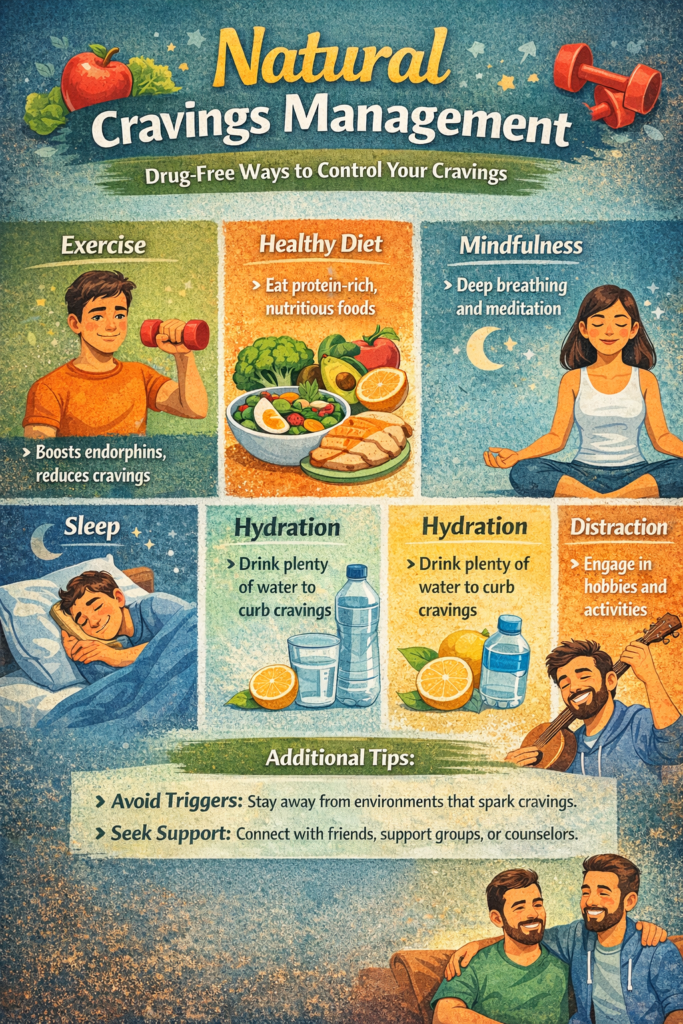
If you’ve ever found yourself wrestling with cravings, whether it’s for food, nicotine, alcohol, or another habit, you know just how stubborn those urges can feel. Medication isn’t the only way to manage them. In my experience, using practical strategies and a mindful approach can make a big difference. Here are some realistic, proven tips I use and recommend for handling cravings without turning to medication.
Understanding Cravings and Why They Happen
Cravings are nothing to be ashamed of. They’re completely normal, and most people deal with them at some point. Usually, a craving is your brain’s way of demanding something that feels pleasurable or comforting. Sometimes, it’s triggered by stress, boredom, old habits, or even just seeing or smelling a certain thing.
Researchers say cravings come from a mix of biological, psychological, and environmental triggers. For example, the brain’s reward system lights up when thinking about a favorite snack or a smoke, making you feel like you need it right now. This urge can be especially strong when you’re tired or stressed out. Knowing what’s behind the urge helps pick the best way to respond.
First Steps: Building Awareness
I always find that managing cravings starts with simply noticing them. Try not to judge yourself or panic. Instead, get curious about what you’re feeling. Is it real hunger? Is something stressful setting you off right now? Ask yourself:
- When do cravings pop up? Certain times of day, places, or emotions can trigger urges.
- What do they feel like? Are you anxious, bored, or trying to dodge an uncomfortable feeling?
- How long do they last? Most cravings are pretty short-lived and fade if you don’t act on them immediately.
Jotting down these patterns in a notebook or an app can be helpful. It’s not about tracking your “failures”, it’s about learning your triggers and increasing your self-awareness. Over time, you might even spot some surprising patterns. Perhaps you crave sweets every time you’re working late, or maybe you’re more likely to want a drink after particularly stressful meetings. Understanding these details can really give you the upper hand and help you prepare for when cravings strike.
Practical Distraction Techniques
Physical and mental distractions have always been my go-to tools for dealing with strong cravings. Here are some ways you can hit pause on an urge until it passes:
- Go for a walk. A quick change of scenery can make all the difference. Movement shifts your mind away from craving and gets your blood flowing.
- Call or message a friend. Reaching out, even just for a friendly chat, breaks the mental loop and gives you a hit of connection.
- Keep your hands busy. Try doodling, squeezing a stress ball, folding laundry, or organizing your desk. Little tasks help reset your focus.
- Drink water or herbal tea. Sometimes thirst is mistaken for hunger, and sipping something can satisfy the urge to “do something” with your mouth.
- Jump into a hobby. Reading, playing a game, or working on a puzzle distracts your mind long enough for cravings to fade away.
There’s no single best way. Experiment and see what works for you, and don’t be afraid to switch things up if one method stops being effective. You might find that painting or gardening gives you the perfect distraction one day, while music or cooking helps another day. Being flexible and open to trying new things ensures you’ll have a toolkit ready for any situation.
Establishing New Daily Rituals
Swapping out an old habit for a new daily ritual is a trick that’s worked for me and many others. Habits fill a space in your day, so to avoid letting cravings creep in, plug those gaps with something positive.
- Replace the trigger. If you tend to crave a cigarette after lunch, try brushing your teeth or chewing sugar-free gum instead.
- Build predictable routines. Sticking to regular mealtimes and bedtime helps keep your body’s signals clear and cuts down on mindless urges.
- Create a “craving buster” list. Write down quick activities that help you when an urge hits. Keep the list handy so you don’t have to think too hard in the moment.
You can also set up visual reminders, such as sticky notes or phone alerts, to encourage new routines. Many people find that a morning meditation or stretching session boosts their mood and makes it easier to handle urges later in the day. Over time, your brain associates these new routines with satisfaction, making the original craving less appealing.
Mindfulness and Relaxation Strategies
I’ve found that cravings lose a lot of their power when I don’t fight them, but simply notice them and let them pass. Mindfulness isn’t about ignoring the urge. It’s about tuning into it, feeling it, and letting it run its course without automatically reacting.
There are a few easy ways to build this kind of mindful response:
- Deep breathing. Close your eyes and take slow, deep breaths. Focus on the sensation of the air moving in and out. Even just a minute or two can calm your nervous system and make the craving feel less urgent.
- Body scan. Sit quietly and mentally scan your body from head to toe. Notice where you feel tension or restless energy, and see if you can relax those areas.
- “Urge surfing.” Picture your craving like a wave; it grows, crests, and then falls away. Remind yourself that it’s temporary and you can ride it out.
Research backs this up: mindfulness practices reduce relapse risk for everything from smoking to overeating. If you’re new to meditation, there are plenty of apps and YouTube videos with short guided exercises worth trying out (Headspace, for example, is popular and user-friendly). You might also consider journaling a quick reflection on your cravings after each episode. This boosts mindful awareness and helps you see progress over time.
Food and Lifestyle Choices That Support Self-Control
What you eat and do every day really impacts cravings. Here’s what I focus on:
- Don’t skip meals. Eating at regular times keeps blood sugar steady and wards off intense hunger-driven cravings.
- Get enough protein and fiber. These are satisfying and help prevent the “hangry” feeling that makes saying no almost impossible.
- Stay hydrated. Dehydration can trigger misleading hunger signals.
- Sleep well. Being tired makes you more likely to give in to urges.
- Limit trigger foods. I keep tempting snacks and substances out of the house, making it less likely I’ll reach for them in a weak moment.
A balanced lifestyle not only provides more energy but also reduces your vulnerability to cravings. Make sure your environment supports your goals by stocking up on healthy options and keeping visual cues for positive habits around. You could also team up with a friend or family member who shares similar goals to stay accountable.
Working with Triggers and Social Situations
Social settings and stressful events are where many people struggle. For me, having a plan helps a ton:
- Prep your lines. If you’re at a party and someone offers you a drink or a smoke, have a polite “no thanks” ready so you don’t feel caught off guard.
- Bring your own healthy options. At gatherings, I pack snacks or drinks that fit my goals.
- Hang out with supportive people. Spend time with others who get what you’re working on, or who have similar habits.
- Allow yourself breaks. It’s ok to step away from tempting situations and give yourself space to regroup.
If a craving does sneak up, take a breather outside or find a friend to talk things through. Most people understand and won’t judge you for looking after yourself. Sometimes, letting your close friends or hosts in on your goals can get you a little extra support or understanding, so don’t be shy about sharing your plans. Remember, your health and well-being come first.
What to Do If You Slip
Slipping up isn’t the end of the road. It’s pretty normal to have setbacks when changing any habit. Instead of blaming yourself, try asking what happened and what you could try differently next time. A slip is just feedback, not failure. Treat yourself with kindness, and remember that progress isn’t always straight; persistence matters more than perfection.
If cravings feel constant and nothing seems to help, it’s worth checking in with a counselor or your doctor. Sometimes cravings signal something deeper, and there’s no shame in getting extra support. You’re not on this ride alone, and there are plenty of resources and people willing to help you get back on track.
Frequently Asked Questions
Here are questions people often ask me about managing cravings:
Question: How long do cravings usually last?
Answer: Most cravings only last around 15-30 minutes, though it can feel like forever. Distracting yourself for even a few minutes helps them pass.
Question: What foods or drinks help with cravings?
Answer: Protein-rich snacks (like nuts or yogurt), high-fiber veggies, and water or herbal tea are great. They keep you full and hydrate you, which can reduce urges.
Question: Can cravings ever go away completely?
Answer: Cravings can fade over time as your brain adjusts to a new routine. They may pop up less often and feel much less intense, especially if you practice these tools regularly.
Takeaway
Living with cravings doesn’t mean you have to act on them. By understanding your triggers, building healthy routines, and practicing mindfulness, you can create real change. No medication needed. Everyone’s path is different, so keep experimenting with strategies and don’t hesitate to reach out for support when you need it. Small steps add up, and every urge you ride out builds your confidence for next time. With patience, practice, and a little self-compassion, you’ll find that cravings become a challenge you can handle—and not something that controls you.
Video: Regain Control Without Fighting Yourself #mindset #healthtips #shorts