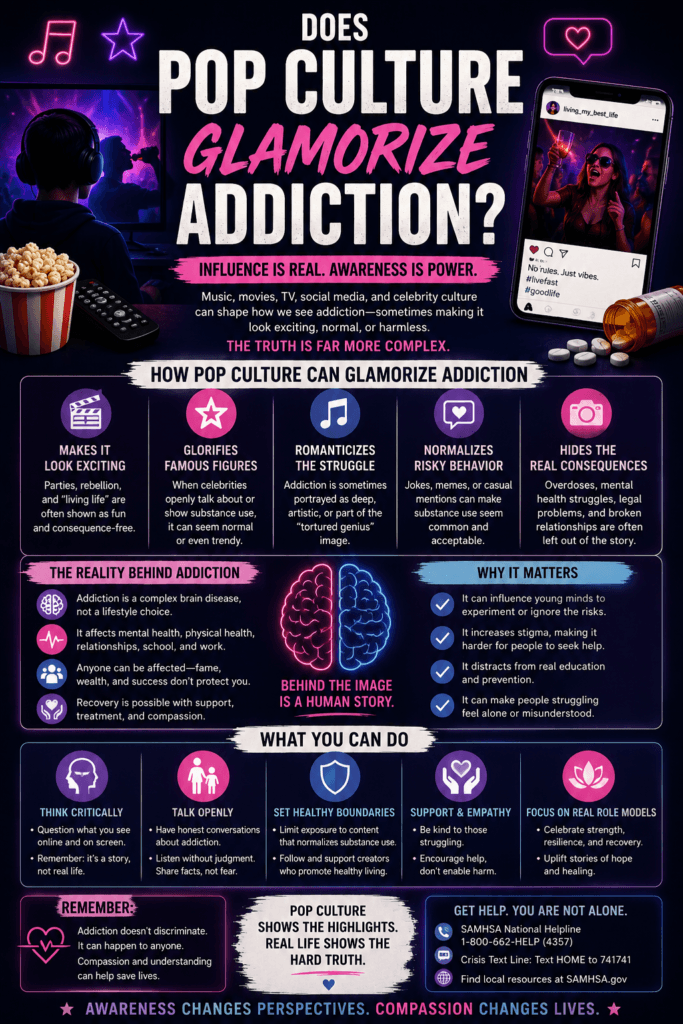
“Call Her Daddy” has sparked tons of conversation, whether it’s about sex, dating, or mental health. Lately, one debate showing up online caught my attention: Is “Call Her Daddy” glorifying addiction? With all the wild stories, references to partying, and some pretty open conversations about substance use, it’s not surprising some folks are asking if the podcast crosses the line. I’ve spent time listening to episodes, reading up on the discussions happening around them, and reflecting on how podcasts like this actually influence listeners. Here’s an honest look at whether “Call Her Daddy” is celebrating unhealthy behaviors or actually offering something more complex.
Understanding the Buzz Around “Call Her Daddy”
“Call Her Daddy” started as a podcast about dating and hookup culture, and it grew fast thanks to its no-filter attitude. Alex Cooper, the host, covers everything from situationships to therapy, and sometimes, stories about wild nights out. Because the show is so candid, there’s a lot of talk about drinking, drugs, and messy decisions. For some, this honesty feels refreshing; for others, it raises questions: Are these stories normalizing risky behavior or just offering a peek into the reality many young adults face?
The show’s popularity proves there’s a demand for open conversation, even about topics that might make some people uncomfortable. “Call Her Daddy” isn’t alone in this. Other podcasts and influencers are more vocal about things like anxiety, substance use, and the pressure to always be “fun.” For listeners who grew up with filtered reality on Instagram or TikTok, this unfiltered approach can be both shocking and oddly comforting.
It’s also worth noting that “Call Her Daddy” has carved out a space in the podcast world for bold, upfront discussions of taboo subjects. This format resonates with people seeking a break from picture-perfect portrayals of life, especially when so much content online seems staged or airbrushed. Alex Cooper’s conversational, confessional style has even paved the way for other hosts to talk more openly about struggles, insecurities, and hard-won lessons.
What Really Gets Said About Addiction
Addiction on “Call Her Daddy” doesn’t show up in every episode, but when it does, it ranges from casual mentions to pretty serious interviews. Some episodes feature personal stories where guests talk about battling substance abuse, the realities of AA meetings, or why getting sober felt impossible until it wasn’t. Alex often asks thoughtful questions and shares parts of her own adventure, including therapy sessions and struggles with mental health.
It’s easy to catch the moments that sound like they’re brushing off risky choices, but if you go back, a lot of guests and Alex herself admit they’re not proud of their worst nights. When talking about addiction, there’s often a tone of regret, laughter masking embarrassment, or genuine relief about being in a better place. I’ve noticed the show doesn’t straight-up say, “It’s cool to be wasted all the time.” Instead, the messy stories are told in a way that highlights the downsides as much as the wild fun.
There’s also an intriguing blend of humor and raw honesty in these segments. The open format allows guests to describe relapses, setbacks, and victories without sugarcoating. You’ll hear about fallout with friends and family, health scares, shame spirals, and the grit it takes to turn things around. These segments are often more than cautionary tales—they’re true reflections on what addiction costs and why it’s so hard to climb out of.
Glorification Versus Honest Conversation
There’s a difference between glorifying addiction, making it look appealing with no consequences, and having straightforward conversations about experiences with it. “Call Her Daddy” likes to lean into shock value, but if you listen closely, the stories nearly always swing back to consequences. Guests remember fights with friends, ruined relationships, or even health scares because of substance use. Alex frequently checks in with guests about what they learned and how they got through tough patches.
Jumping back through episodes, I hear more cautionary tales than party invitations. Still, the casual language around blackout drinking or popping pills could strike some listeners as a little too flippant if they’re not tuning in carefully. It’s definitely possible for someone only catching clips on social media to get the wrong vibe and think the show finds addiction glamorous. But full episodes paint a deeper, more nuanced picture.
Furthermore, in recent episodes, there’s been an uptick in including recovery voices, wellness experts, and mental health professionals who frame experiences with addiction as part of larger life lessons. This shift adds depth to the conversation, balancing entertainment with genuine insight and support. The show seems to be taking seriously its influence on how listeners understand these stories.
How Media Influences Listeners’ Views on Substance Use
Podcasts and social media absolutely shape the way we see things, including addiction. When someone you admire is open about their wild years, it can either make you feel seen for your own struggles or, in some cases, make risky behavior look normal. I’ve noticed younger listeners, especially, pick up on the creator’s attitude, so if a podcast describes blackout drinking with a laugh and moves on, listeners might brush off the serious dangers.
Research backs this up. Studies on media and substance use (like those mentioned by the CDC and NIH) show that hearing stories of partying and risk-taking from people you look up to can influence choices, especially if the downsides aren’t super clear. That said, real talk about seeking help and recovering from addiction can also encourage listeners who might be struggling themselves. I hear both sides on “Call Her Daddy.”
The podcast medium has a distinct advantage over other formats: through in-depth, unscripted conversations, hosts and guests can provide context, offer follow-up, and discuss consequences in real time. This makes the show more than just a string of anecdotes; it becomes a complex narrative about dealing with hard truths, laughing at past mistakes, and learning to ask for help.
Is There Room for Both Honesty and Responsibility?
Pushing for more open conversations about addiction is really important; a lot of people struggle in silence because of stigma. By talking honestly about their struggles, guests on “Call Her Daddy” might actually help some listeners feel less alone or more likely to reach out for help. But there’s a line: stories and laughs are fine if the reality of addiction’s impact stays front and center.
Some argue that including resources, expert guests, or even a nod to triggers at the top of the episode helps put risky stories in the right context. I’ve seen Alex do this in certain episodes, and I appreciate when there’s a balanced approach. If podcasts glossed over the dark side, that would be irresponsible. When the harder parts of addiction are included, it can be a powerful nudge for those who need support.
Responsibility also means updating content as audiences, trends, and societal understanding of addiction evolve. Podcast hosts can set a strong example by modeling vulnerability—admitting past mistakes, highlighting the tough reality of sobriety, and celebrating stories of turning things around. This mix of truth and support offers listeners more than either glamour or doom ever could.
Challenges of Navigating Open Discussions
It’s not easy to balance candid storytelling with responsibility. There’s a huge audience for podcasts that push boundaries, and the pressure to entertain is always there. Sometimes, the line between honesty and accidental glorification can get blurry. Listeners come from so many backgrounds—what feels like a cautionary tale to one person might sound like wild inspiration to someone else. That’s just part of talking openly in a diverse, global space.
- Mental Health Disclosure: Talking about addiction in connection with anxiety, depression, or trauma is becoming more common. This helps listeners see substance abuse in context, not just as a bad decision, but as something people turn to for coping, which makes the discussion more relatable and less about glamorizing risky choices.
- The Influence of Humor: Using humor to talk about addiction can help break the ice, but jokes need to be handled carefully so they don’t minimize tough realities. Alex uses humor a lot, but you’ll still catch her circling back to the serious side.
- Guest Selection: The show features therapists, recovery advocates, and folks in sobriety, bringing voices that offer context and support beyond the wild stories.
Along with humor and real talk, another challenge is deciding how much detail to share. Descriptions of substance use, party culture, or struggles in recovery can be overwhelming or even triggering. It helps when hosts signal to listeners that tough topics are coming, creating space for people who may be dealing with similar issues.
How Listeners Can Stay Mindful
Whenever I listen to any podcast talking about tough stuff, addiction included, I remind myself to stay mindful of what’s being shared and why. For anyone worried about the influence podcasts might have, here are a few things you can do to keep your perspective in check:
- Check the full context: Don’t just rely on short clips; listen to the whole story to catch both the problem and the lesson.
- Look for resources shared: Many episodes end with advice or resources for getting help. Take those seriously and read up on them yourself if needed.
- Talk with friends or mentors: If something hits close to home (for better or worse), talk it out with someone you trust.
- Remember your own boundaries: If stories are too much, it’s okay to skip episodes or find shows that feel safer for you.
- Stay updated on addiction facts: Reliable sources like the SAMHSA helpline or CDC info can be super useful if you or someone you know could use extra support.
Being a mindful listener isn’t about avoiding tough conversations, but about making choices that serve your well-being. It helps to pause and ask yourself what you’re taking away from a story, and whether the lessons or warnings are clear to you as a listener. Podcasts are not therapy sessions, but they can spark important self-reflection and conversations when handled well.
Real-Life Impact and Podcast Potential
“Call Her Daddy” has a huge platform, and there’s no doubt the show influences how listeners talk about and understand tough subjects like addiction. There’s room to keep growing by featuring more experts, sharing support resources, or even inviting guests in recovery to lead conversations. From what I’ve heard, Alex and her team are moving in that direction, which is a good sign.
Being honest about the messiness of addiction helps break stigma, but it’s super important to keep the consequences in plain sight for listeners who might be influenced by the show. Open talk paired with actual support and accountability is the way to go. That way, the podcast can stay real and help listeners without glossing over what addiction really brings.
Going forward, as listeners, we can encourage podcasts we love to keep mixing in expert advice, personal recovery stories, and up-to-date resources. Podcasting as a medium is still growing, and the conversations on “Call Her Daddy” can influence how media, mental health, and personal choices connect—if done right, it can drive real positive change and spark broader conversations about compassion, help, and hope.
Frequently Asked Questions
Is “Call Her Daddy” making addiction look cool?
Answer: Not really. While some stories use humor or skip over details, most episodes, when listened to in full, make it clear that addiction can have some rough outcomes. The show leans into honesty more than glamour.
Are there any resources for listeners struggling with addiction?
Answer: Several episodes reference going to therapy and mention resources like the SAMHSA helpline. Alex openly supports talking to professionals and getting help, and more recent episodes include links to resources in the description.
How should I listen if addiction is a sensitive topic for me?
Answer: Give yourself permission to skip episodes or fast-forward through stories that are tough for you. Look for content warnings and take breaks as needed. Your mental health always comes first.
Can talking about addiction in podcasts be helpful?
Answer: Definitely. Open conversation can make people feel seen and encourage them to seek support. The risk comes when stories are edited to look like partying is always fun and never comes with pain, so context and responsible storytelling are super important.
It’s helpful to approach podcasts like “Call Her Daddy” with a little critical thinking and an open mind. There’s plenty to learn and plenty of laughs, but the best thing is keeping the real-world impact of addiction in view. Honest, responsible talk can actually be part of the solution for reducing stigma and supporting those who need it.
Video: The Dark Side of Pop Culture: How Movies and Music Glamorize Addiction