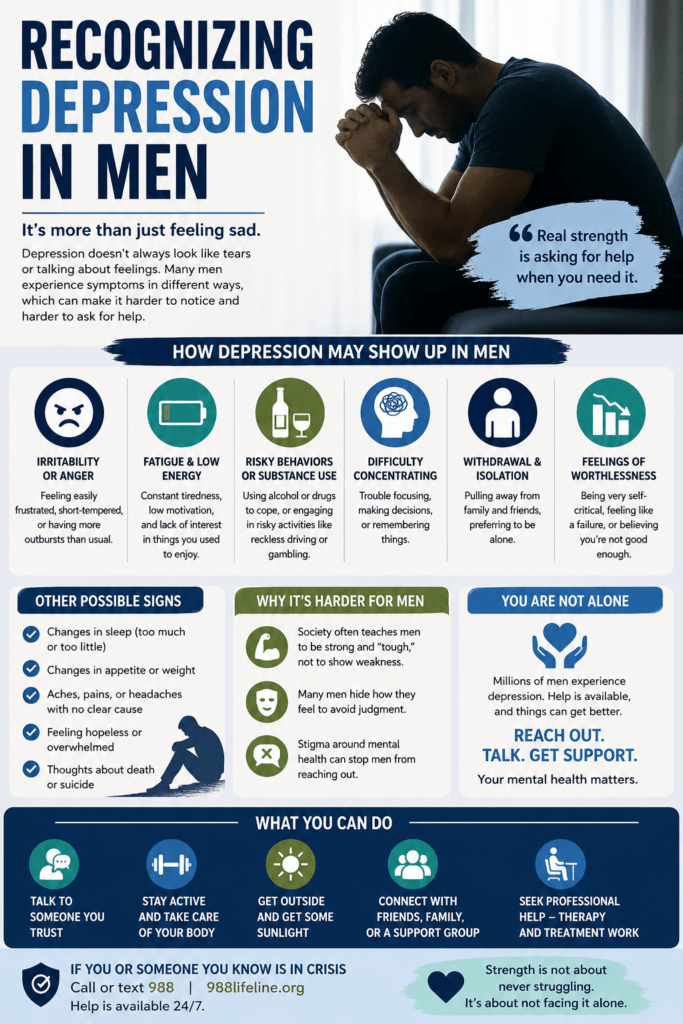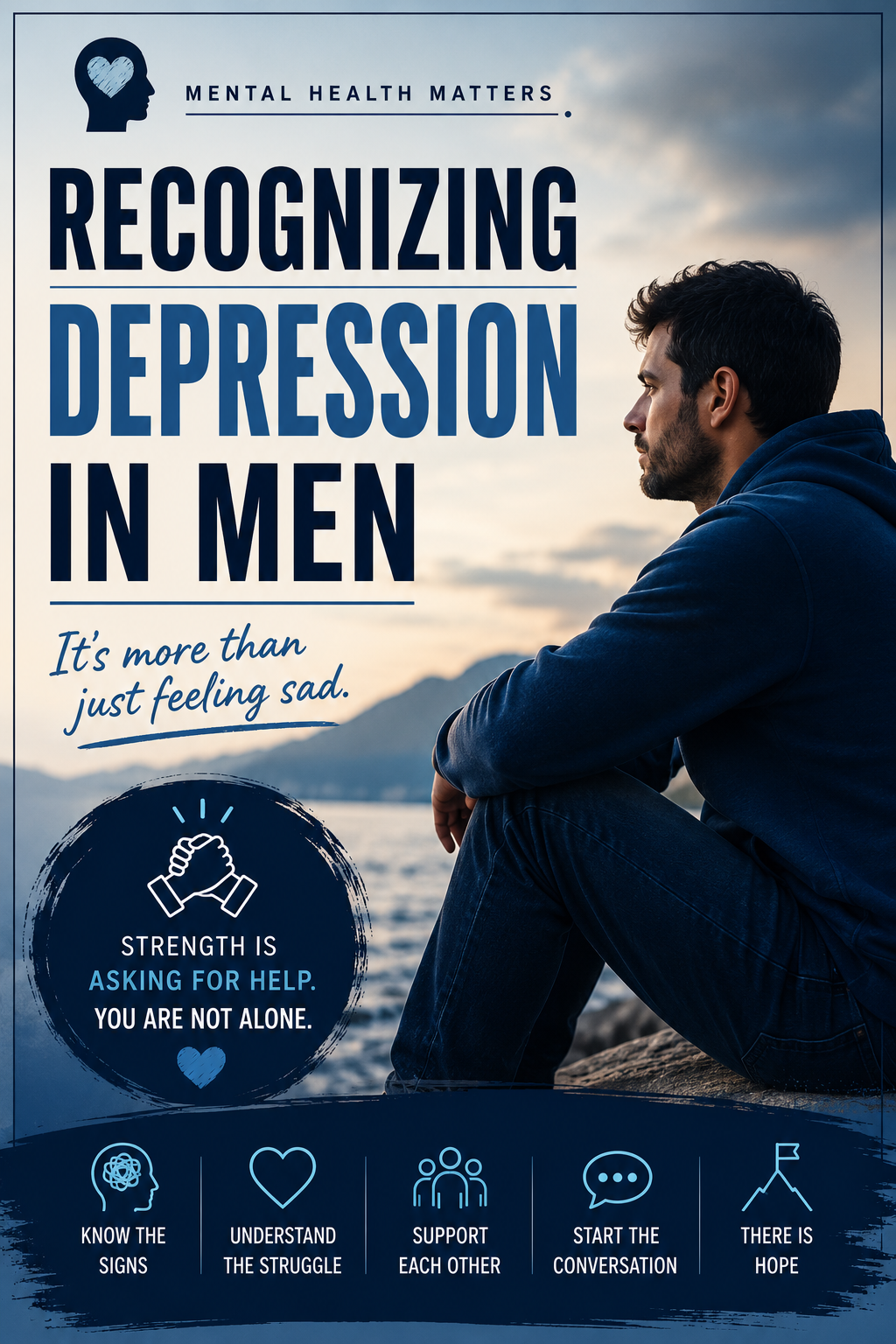
Depression doesn’t show up in everyone the same way, and for men, the signs and symptoms can sometimes look pretty different from what’s shown in most health pamphlets. I’ve noticed that a lot of men have a hard time spotting that they’re even struggling with it, partly because of old-school ideas about what depression “should” look like. When you get a better idea of how depression can show up in men, it helps not only with getting the right support but also in having more open and helpful conversations. Whether it’s for yourself or for someone you care about, knowing these signs can truly make a difference.
Understanding Depression in Men
The idea that depression is just about feeling sad or crying doesn’t really cover it, especially for men. Many guys don’t recognize the signs partly due to how society views masculinity and emotion. Research from mental health organizations points out that men often report different symptoms and may not talk about their feelings as openly. According to the Centers for Disease Control and Prevention (CDC), men are less likely than women to be diagnosed with depression, but that doesn’t mean they aren’t experiencing it. This is one big reason understanding the less obvious signs matters so much.
Men sometimes express depression through behaviors or physical symptoms, and those can get overlooked as “just stress” or “normal life.” Physical and mental health are closely tied, so what’s going on emotionally can often show up physically. If you want to read more, organizations like the Men’s Health Forum and the National Institute of Mental Health are pretty useful starting points.
Common Ways Depression Shows Up in Men
You might think that depression always looks like quiet sadness, but in men, it can pop up in ways that seem unrelated at first. Here are some of the most common signs I’ve seen and read about:
- Physical Symptoms: Chronic headaches, stomach issues, and unexplained aches and pains are pretty common, and sometimes guys will head to a doctor for these instead of talking about mood. Doctors often find no clear cause, which leaves everyone frustrated.
- Increased Irritability or Anger: Instead of seeming sad, some men find themselves snapping at family or coworkers, or feeling annoyed by small things. Anger can be a more “acceptable” outlet for difficult feelings than showing vulnerability.
- Risky Behavior: This can range from reckless driving to gambling or using drugs and alcohol more than usual. Sometimes guys try to push away numbness or uncomfortable feelings by doing things that boost their adrenaline. It’s their way of coping, even if it isn’t healthy.
- Trouble Sleeping or Sleeping Too Much: Either insomnia or sleeping too much can signal that something’s off. Sleep plays a big role in mental health, and changes in routine can be a red flag.
- Feeling Restless or Agitated: Constant fidgeting, an inability to sit still, or always needing to “keep busy” might be masking racing thoughts or emotional pain.
It’s also not unusual for men to talk about feeling “numb” or disconnected from things around them—like they can’t get excited or upset about anything, good or bad. Recognizing these patterns in daily life is the first step toward making a change.
Key Warning Signs That Need Attention
Sometimes the signs are subtle, but there are a few that are really important to watch for:
- Withdrawal from Friends or Family: More time spent alone or a drop in socializing can be a sign that someone’s struggling. Isolation tends to make depression worse, so spotting this early really helps.
- Work or School Problems: A sudden drop in performance, lots of missed days, or feeling unmotivated can all be connected to depression.
- Loss of Interest in Hobbies: Activities or passions that once felt fun might suddenly feel tiring or pointless.
- Increased Use of Substances: Drinking or drug use, especially if it happens more often than before, can be a way of dulling pain or stress related to depression.
Sometimes, there are more severe warning signs, such as talking about feeling hopeless or expressing thoughts about self-harm. Taking these remarks seriously and reaching out right away for professional help is important. Early support can prevent things from escalating further.
Why Men’s Depression Is Often Missed
I’ve found that men often keep things bottled up. Sometimes it’s about not wanting to worry others, and sometimes it’s because they’re not even sure what they’re feeling. There are a few major reasons these symptoms slip under the radar:
- Stigma and Social Pressure: Talking about emotions or mental health isn’t always easy. Some guys grow up hearing that showing weakness isn’t okay, so they try to tough things out.
- Mismatched Expectations: When people expect depression to always look like tears and sadness, they can miss the signs when it shows up as anger, numbness, or physical issues.
- Lack of Awareness: If nobody ever talks about how depression looks different in men, it’s pretty easy not to realize what’s happening until things get really tough.
Often, this combination of silence, outdated beliefs, and confusion leads men to push through their symptoms for much longer than needed. Good support networks and education can help break this pattern and allow men to seek help sooner.
Barriers to Getting Help
Reaching out can feel awkward or even embarrassing, especially with all the pressure on men to “deal with it themselves.” Some of the barriers I’ve heard about or seen include:
- Not Wanting to Seem Weak: This one comes up a lot. There’s a lot of pride in being independent, and some guys feel like they have to handle everything alone.
- Not Recognizing the Issue: When you think depression only shows up as crying or sadness, you might not realize that anger, health complaints, or losing interest in things can have the same root.
- Concerns About Work or Reputation: Some men worry that admitting to mental health struggles will impact their careers or how others see them.
In some communities and workplaces, talking about mental health still carries a stigma. The good news is, change is happening, and more people are opening up about these challenges every day. Creating safe spaces for these conversations leads to real progress.
How Friends and Family Can Offer Support
Spotting the signs is really important, but knowing what to do next can be a challenge too. Here are a few ways you can be supportive without being pushy:
- Start With Everyday Conversations: Sometimes, a simple “How have you really been feeling lately?” opens the door to an honest chat.
- Offer to Listen: Having someone willing to just listen (without trying to “fix” things) can make a big difference. Letting someone know you’re there is really valuable.
- Encourage Professional Support: Suggest looking into speaking with a therapist or counselor, and offer to help find resources if needed.
- Stay Connected: Even if someone pulls away, checking in with a short message or coffee invite can help lessen feelings of isolation.
You don’t have to solve their problems, but your presence, patience, and support are truly meaningful. Even small gestures can give hope and remind someone they’re cared about.
Tips for Men Managing Their Own Depression
If you’re reading this and recognizing some of these signs in yourself, there are a few practical steps that can help:
- Notice the Changes: Track how you’re feeling or any shifts in mood, sleep, or habits. Even jotting things down on your phone can bring patterns to light.
- Talk to Someone You Trust: This doesn’t have to be a therapist right away. Sometimes telling a friend or partner what you’re experiencing is enough to get the ball rolling.
- Try Small Steps: Even little things like taking a walk, spending five minutes outside, or getting back to a hobby can help break up the routine and boost mood.
- Don’t Brush Off Professional Help: Mental health pros are trained for this, and working with someone who gets it can provide new strategies and perspectives.
It’s also worth setting small, achievable goals and giving yourself permission to ask for help when you need it. Remember, it’s okay to take things one day at a time. Consistent, small steps often lead to bigger changes over time.
Practical Strategies for Supportive Conversations
Whether you’re concerned about a partner, brother, or friend, bringing up mental health can feel awkward. Here’s how I’ve found it works best:
- Pick the Right Moment: Find a quiet time when you won’t be interrupted. Sometimes shared activities, like going for a drive or a walk, make talking easier.
- Share Specific Observations: Mention what you’ve noticed (“You seem more stressed at work,” “You haven’t been yourself lately”) instead of jumping to conclusions.
- Keep It Judgment-Free: Reassure them that it’s okay to feel this way and you’re not looking to shame or criticize.
- Offer Support, Not Solutions: Sometimes the best thing is just saying, “I’m here for you, no matter what.”
Following up in the days and weeks afterward lets people know you mean what you say. Even if your first conversation doesn’t go anywhere, keeping the door open matters.
Frequently Asked Questions
Here are a few common questions I hear about depression in men:
Does depression always have a “reason”?
Answer: Not always. Sometimes it hits without a clear cause. Stress, loss, or health changes can be factors, but not everyone has an obvious trigger.
Is it possible for men to get treatment anonymously?
Answer: There are a lot of online therapy options these days (like BetterHelp or Talkspace) where you don’t have to visit an office. Primary care doctors can also help start the process privately.
Can physical health changes really be depression?
Answer: Yes. Things like ongoing headaches or stomach issues without a clear medical reason are often linked to stress or depression, especially in men.
Spotting the Signs and Taking Action
Figuring out how depression shows up in men, and knowing it goes beyond sadness, can make all the difference when it comes to getting help and feeling better. Spotting the less obvious symptoms, understanding why men sometimes struggle in silence, and being ready to talk or listen go a long way.
If you’re not sure where to start, mental health organizations, helplines, and online community groups are worth checking out. Reaching out isn’t always easy, but you’re definitely not alone, and support makes things a lot more manageable. Even if you only take a small step, it’s one in the right direction.
Video: What You Don’t Know About Male Depression Could Hurt You