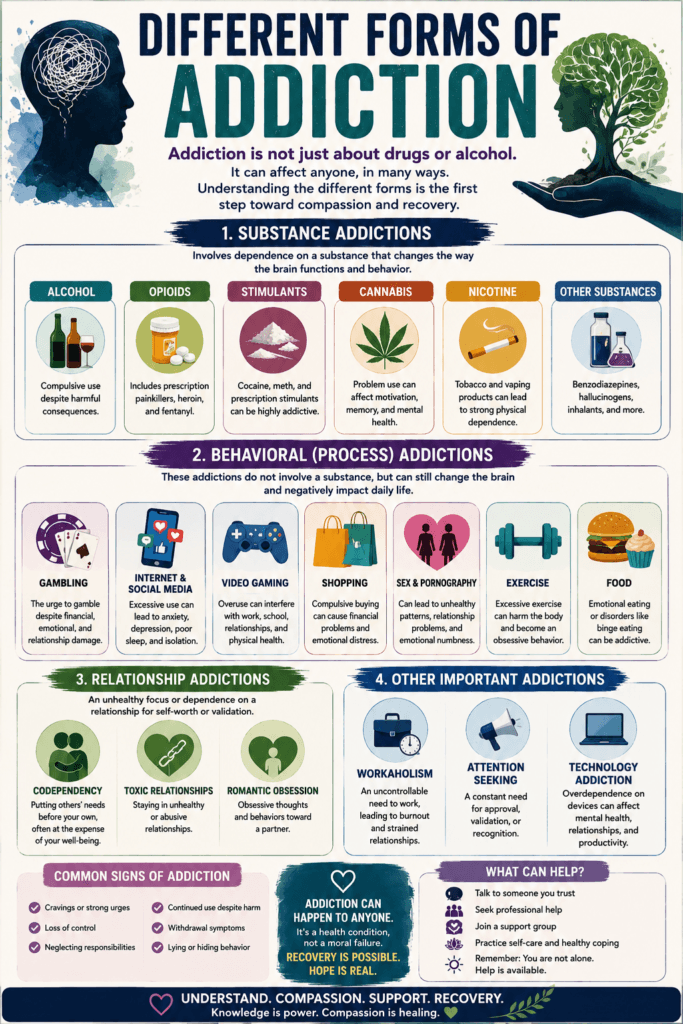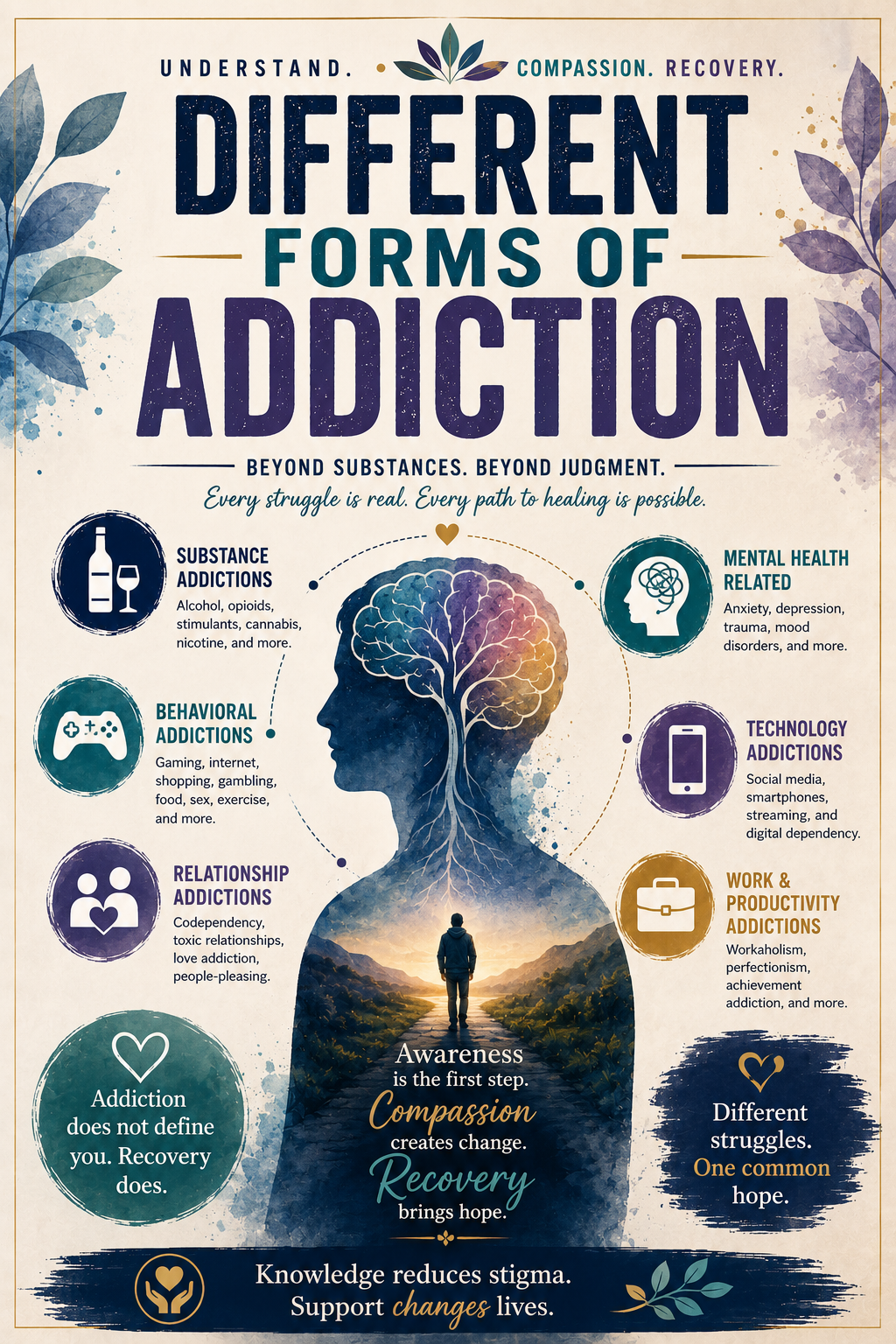
Addiction isn’t just about things like drugs or alcohol. Whether it’s food, love, technology, or shopping, plenty of habits can become addictive patterns. I’ve seen firsthand how these behaviors can sneak into daily life and start to take over, often in ways that aren’t obvious until they’re causing stress or discomfort. This article breaks down various types of addiction, how they show up, and what to look for if you’re wondering whether something in your life is moving from a harmless habit to something that’s running the show.
What Counts as Addiction?
Most people think of addiction and imagine substance use, but the definition actually covers a much broader range. Any behavior or substance that a person keeps coming back to—even if it’s causing trouble in their life—can fall into the addiction category. Addiction is usually driven by the brain’s response to rewarding stimuli. Once the brain starts associating certain foods, relationships, or even shopping with pleasure, it builds patterns that are tough to break.
Many people talk about addiction as a choice, but it’s really about compulsion. Someone might want to cut back on something—whether it’s sugar, social media, or time spent chasing relationships—but find it tough when cravings or impulses hit.
Forms of Addiction: Beyond the Basics
So, what sorts of things can people get addicted to, besides drugs or alcohol? Here are a few forms I come across most often:
- Food Addiction: Eating for comfort or stress relief is totally normal once in a while. With food addiction, the urge to eat, especially highly processed or sugary foods, can feel almost impossible to control. People might crave a certain food, plan their day around eating, or eat far beyond the point of feeling full.
- Love Addiction: Being in love can feel like a high. Some folks find themselves repeatedly seeking out that feeling, chasing relationship drama, or fearing being alone. Breakups may lead to emotional crashes similar to withdrawal.
- Technology and Social Media Addiction: Phones, video games, and apps can keep people scrolling or playing for hours. For some, the drive to check notifications or win the next round becomes so powerful that it disrupts daily routines, work, or sleep.
- Shopping Addiction (Compulsive Buying): Buying things provides a quick mood boost for many people. Shopping addiction goes further; spending beyond one’s means, hiding purchases, or feeling guilty afterward is common.
- Gambling Addiction: The thrill of a win, or even the anticipation of one, keeps gamblers returning to casinos or online apps, chasing losses and risking more than they can afford.
How Addiction Develops
Addiction often builds gradually. At first, an activity feels good. Maybe it eases stress, chases away loneliness, or just adds excitement. Over time, your mind can start to link this habit with a reward. The brain releases chemicals like dopamine that reinforce the behavior. As cravings grow, stopping starts to feel uncomfortable, even when the consequences aren’t so great.
Some addictions have a genetic link, so family history can make a difference. Stress, trauma, or mental health conditions like anxiety or depression also make it easier for these patterns to settle in. Not everyone who eats junk food, falls in love quickly, or checks their phone a lot will develop an addiction. For those who do, it’s often a mix of personal, psychological, and social factors.
Spotting the Signs: When a Habit Becomes a Problem
Addiction doesn’t always show up with glaring warning signs. Sometimes, it’s as simple as realizing how much time, money, or energy is going toward a certain behavior. Here are a few things that usually signal a habit is crossing into addiction territory:
- Preoccupation: Thinking about the substance or activity most of the day, planning life around it.
- Loss of Control: Trying to cut back and finding it way harder than expected.
- Escalation: Needing more of the behavior or substance to get the same feeling as before.
- Negative Impact: Relationships, finances, work, or health start to take a hit.
- Withdrawal: Feeling restless, irritable, anxious, or low when unable to engage in the habit.
A Closer Look: Food Addiction
Food addiction is often dismissed as a lack of willpower, but it’s actually really complex. The processed foods loaded with sugar, fat, and salt that fill most grocery stores are crafted to be craveable. For some people, eating triggers a reward response in the brain that’s tough to resist. Research from the National Institutes of Health points out that certain foods light up the brain’s pleasure centers in ways not so different from substances like alcohol or nicotine.
I’ve seen people plan their day around getting their next snack, stash food, or feel deep guilt after eating. Emotional triggers, like stress or sadness, are common. Tackling food addiction usually involves digging into how these triggers work and making gradual changes rather than going for extreme restrictions. Support groups like Overeaters Anonymous create a sense of community for people looking to take back control through accountability and understanding.
Love Addiction: When Romance Takes Over
Romantic love sparks some of the strongest emotions we know. There’s even research showing that being in love or going through a breakup affects the same pleasure and pain circuits in the brain as drugs or gambling. Love addiction can look like bouncing from relationship to relationship, ignoring clear red flags, or feeling completely lost when single. Fear of abandonment often appears, leading folks to settle for unhealthy or even toxic situations just to avoid loneliness.
Setting boundaries, talking to a therapist, or finding support from others who get it can really help. Books and support groups focused on relationship patterns offer guidance, and online forums make it easier than ever to connect.
Tech and Social Media Addiction: Hard to Put Down
If you’ve told yourself “just one more episode” or noticed hours disappear while scrolling, you’re not alone. Tech companies craft their platforms to keep you coming back, using likes, notifications, and endless new content to keep your brain engaged. It’s easy to fall into patterns where checking a phone takes priority over in-person interactions or sleep.
Breaking this cycle often starts with small steps. Try putting your phone in another room for an hour, turning off non-essential notifications, or setting aside dedicated no-device time. Taking up a screen-free hobby or spending more time outdoors also helps break the chain and boost real-life connection.
Hurdles and Challenges with Addiction
Dealing with addiction, no matter the type, can come with plenty of challenges. Here are some common ones and tips for handling them:
- Stigma: People sometimes feel embarrassed to ask for help, especially with issues like food, tech, or love. Remember, addiction can happen to anyone, and reaching out is a positive step.
- Relapse: Slipping back into old habits is common, but it doesn’t mean all progress is lost. Learning what triggered the relapse and what works better for you can help next time.
- Finding the Right Help: There’s no single solution. Some people do well with group support, while others prefer one-on-one counseling or online self-help resources.
Why Support Matters
Having friends, family, or professional support can make all the difference. Support groups like Overeaters Anonymous or online forums offer a place to connect with others having similar struggles. Even a few words from someone who understands can lift some of the weight off your shoulders.
Tips for Moving Forward
If you think something in your life is creeping into addiction territory, the first step is getting curious—not judgmental. Here are some practical tips I’ve seen work well:
- Track Your Patterns: Writing down when the urge hits or how you’re feeling can help you spot triggers you weren’t aware of.
- Set Gentle Boundaries: Instead of quitting cold turkey, try giving yourself a bit of time or space between you and the trigger. For example, wait 20 minutes before making a purchase or grabbing a snack.
- Reach Out: Even a quick chat with a trusted friend or support group can help break the secrecy and gain different perspectives.
- Professional Help: Therapists and counselors have training in recognizing and working with all sorts of addictive patterns, not just the traditional kinds.
Frequently Asked Questions
Here are a couple of questions that come up often about the different forms of addiction:
Question: Can behaviors like shopping or using social media actually be addictive?
Answer: Yes, research has shown that engaging in these activities can trigger the same reward cycles in the brain as those triggered by substances. If they’re causing you stress or getting in the way of your life, it’s a good idea to take a closer look.
Question: Where can I find support for less recognized addictions, like food or love?
Answer: There are support groups, both in-person and online, for a wide variety of addictive patterns. Sites like Overeaters Anonymous or Sex and Love Addicts Anonymous are worth checking out. Therapists with experience in behavioral addictions can also offer solid guidance.
Finding Balance and Support
Addiction can show up in unexpected forms, but you’re not alone if you notice an area that feels out of control. Spotting the signs is the first step toward feeling more in charge. Curiosity, boundaries, and the right kind of support can help you get back to feeling better about your choices, no matter what kind of addiction you may be facing. Building a healthier relationship with habits and reaching out for help if needed can be empowering—and every step toward balance really counts. Whether you’re tackling food, love, tech, or shopping patterns, small shifts can set the stage for lasting change. Give yourself compassion and reach out. Support is out there, and it’s never too soon to ask for help or share your story.
Video: The Truth About Addiction: It’s Not Just Drugs