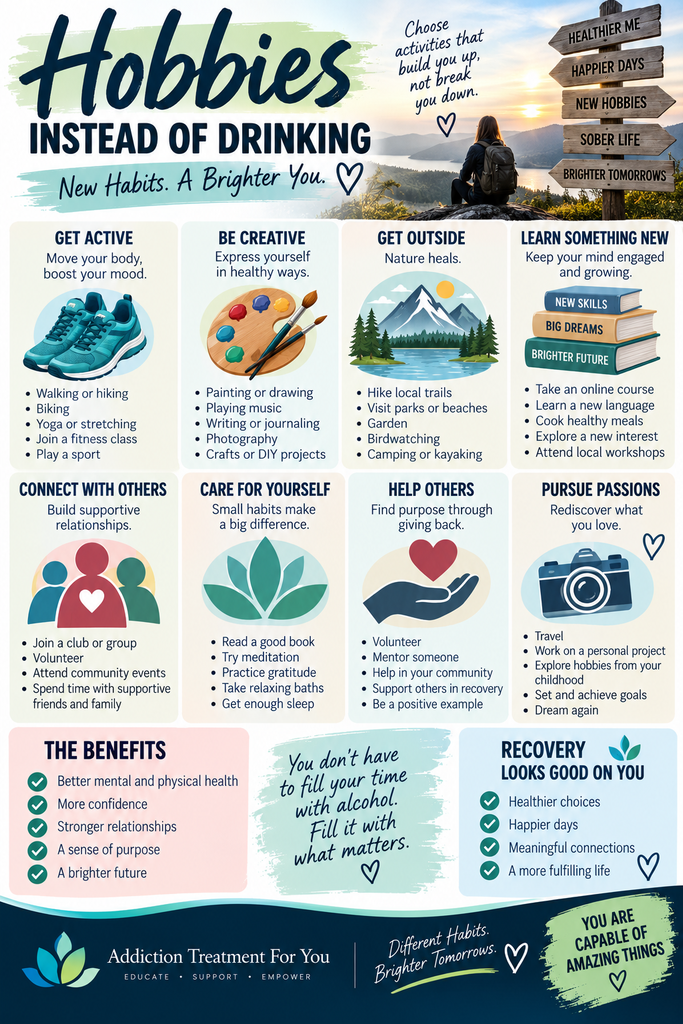
If you’ve ever considered changing your drinking habits, filling that space with meaningful hobbies can make all the difference. I’ve found that hobbies help keep your mind busy, build a sense of accomplishment, and connect you with new experiences. Swapping a night at the bar with something fulfilling isn’t about depriving yourself; it’s about bringing more good things into your life. This article covers practical ways to find and enjoy hobbies that can help replace drinking, including ideas for getting started, tips for choosing what fits you, and ways to stay motivated over time.
Why Hobbies Work So Well as a Replacement for Drinking
When drinking is a big part of your routine, it often fills up your social calendar, gives you a way to unwind, or just helps pass the time. Taking that away can leave a gap. Hobbies are pretty handy for filling that gap for a few reasons:
- They keep your hands and mind busy. Staying physically active and mentally engaged leaves less room for cravings or boredom.
- They help reduce stress in healthier ways. Activities like painting, gardening, or cooking offer relaxation without the hangover.
- They help you find new communities. Joining a club or group can lead to new friendships with people who share an interest in sober activities.
Studies have shown that people who take up hobbies after quitting alcohol are less likely to relapse. They also tend to report feeling happier and more in control of their time. Swapping out old habits for new ones helps rebuild routines, and you might stumble upon talents and interests you never knew you had.
It’s worth mentioning that hobbies make it easier to deal with stress that would otherwise trigger drinking. Whether you pick up journaling, creative writing, or just reading for pleasure, the mental focus these activities provide can help your mind rest and recharge in new ways.
Simple Steps to Start Replacing Drinking with Hobbies
Getting started can feel a bit overwhelming, especially if drinking has been a go-to activity for a long time. Breaking it into small steps makes it much easier:
- Identify your triggers. Notice when and why you usually feel like drinking. Is it Friday night? After work stress?
- Think about what you liked as a kid or always wanted to try. Sometimes hobbies from the past can be really enjoyable again, even as an adult.
- Pick an activity that fits your schedule and energy levels. If you’re tired after work, something relaxing like drawing or listening to music can be just right.
- Gather what you need. Most hobbies don’t need anything fancy to start; just a few supplies, some YouTube videos, or a local community group can get you going.
- Try it out without expectations. The goal isn’t to become an expert overnight; it’s to find something you actually look forward to doing.
Making a short list of hobbies that sound interesting and trying each one for a week or two can help you figure out which ones stick. If something doesn’t click, no need to force it—there are so many options out there. You might check out free online tutorials or attend local workshops, which offer new experiences with minimal commitment.
Awesome Hobby Ideas to Fill Your Time (and Keep You Engaged)
I’ve seen a lot of folks succeed by choosing hobbies that are easy to start and rewarding pretty quickly. Here are some popular options worth checking out:
- Creative Arts: Drawing, painting, writing, photography, or learning a musical instrument. These activities can be meditative and build skills over time.
- Physical Activities: Yoga, hiking, biking, swimming, or team sports. Exercise is a great boost for your mood and energy.
- DIY Projects: Woodworking, gardening, home improvement, or crafting. Working with your hands produces real, visible results.
- Cooking or Baking: Exploring new recipes turns mealtimes into an adventure. You can join a cooking class or try themed dinners at home.
- Puzzles and Games: Board games, jigsaws, chess, or learning magic tricks. They’re great for focus and fun, especially with friends or family.
- Learning Something New: Taking online courses or picking up a new language. There are tons of free resources online, and structured learning can keep you motivated.
Trying out a mix of solo and group hobbies is a smart idea. Some people try painting classes, while others prefer hiking clubs or running groups to meet people. You might love the freedom of solo work during the week and look forward to social events on weekends. Don’t overlook activities like volunteering, which can boost your sense of purpose and help foster new connections.
What to Consider When Choosing a Hobby
Not every hobby will be a perfect match. Here’s what I look for to find something truly rewarding:
- Accessibility: Can you do it at home, or do you need to go somewhere? Some hobbies require a lot of equipment or travel, while others you can do from your couch.
- Cost: Many hobbies are low-cost or even free. Look for budget-friendly starter kits or ways to borrow supplies before you buy in.
- Social Factor: If you’re hoping to make new friends, join a team, club, or online community related to your hobby. If you need some alone time, pick something independent.
- Time: Some hobbies fit into quick breaks, while others need a bigger time commitment. Choosing something that fits your schedule makes it easier to stick to.
- Physical Requirements: If you want something active, check if it matches your fitness level and any health conditions.
Taking a few moments to think about these points keeps you from getting frustrated or overwhelmed. It’s all about setting yourself up for easy wins and lasting enjoyment. Try jotting down a few pros and cons for each hobby you consider—it helps keep things clear and practical.
Common Challenges and How to Get Past Them
Switching from drinking to new hobbies isn’t always a straight path. Here are a few bumps you might hit and what usually helps:
- Lack of Motivation: If the excitement starts fading, try switching things up. Invite a friend, set small goals, or reward yourself for consistency.
- Social Pressure: It’s really common to feel out of place if your old crowd is still drinking. Suggest sober activities like coffee dates or hiking, or join groups where alcohol isn’t the main focus.
- Cravings During Boredom: Keeping a “boredom buster” list of quick hobbies like doodling, listening to music, or going for a walk can help in those moments when you’d usually pour a drink.
- Perfectionism: Remember, hobbies are for fun, not for being the best. Enjoying the process is what counts.
When you recognize these challenges ahead of time, it’s easier to keep moving forward, even when motivation wobbles. For example, you might find it easier to stay on track if you join an online community and make a post about your progress each week. Public encouragement goes a long way.
Real-World Examples: How People Successfully Replaced Drinking
Plenty of people have made drinking less of a focus by adding engaging hobbies. One friend of mine picked up pottery during their first dry January and ended up joining a community class; they now gift homemade mugs every holiday season. Another started volunteering at a food bank on weekends, finding that it gave them a new sense of purpose and a connection with their local community. I also know someone who joined a running club and completed their first 5K race after a few months, building both fitness and friendships along the way.
Online forums and local meetups are full of stories from folks who tried everything from marathon training to birdwatching. Community gardening, photography projects, and even learning code in the evenings are all practical hobbies that help keep hands and minds busy in a positive way. These examples show that nearly any interest can become a healthy alternative to drinking and offer lasting satisfaction. Hearing these stories can spark ideas you haven’t considered and show you it’s really possible to switch gears.
Troubleshooting: What to Do If a Hobby Doesn’t Stick
Sometimes an activity sounds good on paper but just doesn’t click in real life. Here’s my go-to approach:
- Give it a genuine shot for at least a week or two; it takes time to warm up to something new.
- Try adjusting how or where you do the hobby. Sometimes a change in location or setting makes a big difference.
- Connect with others who enjoy it, either online or in person. Community can make an activity way more fun.
- If you’re still not into it, don’t force it. Cross it off your list and move on to the next thing.
Replacing drinking isn’t a test of willpower; it’s a chance to make daily life more rewarding. Allow flexibility and curiosity to guide you. Sometimes, even exploring why a hobby didn’t work out helps you get a sense of what could work better next time.
Frequently Asked Questions
Question: Can hobbies really help long-term with cravings?
Answer: Yes, research and real-world experience show that staying busy with enjoyable activities weakens old drinking triggers and makes it easier to stick to new routines.
Question: What if I don’t have any obvious talents or interests?
Answer: Most people start hobbies without any experience, and surprising passions emerge through experimenting. The key is starting anyway—even small interests can grow into favorites.
Question: How often should I do my hobby to see benefits?
Answer: Even a few minutes a day can help. Scheduling time two or three times a week makes it easier to integrate hobbies into your new routine and start feeling results.
Building Consistency and Enjoying the Process
Making hobbies a regular part of your life takes some intention, especially at the beginning. Here’s what I do to keep it going:
- Put hobby time in your calendar; treat it like any other commitment.
- Set fun, low-pressure goals like finishing a puzzle or learning a new recipe.
- Celebrate progress, no matter how small. Every little win helps motivation stick.
- Be kind to yourself if you miss a day and just start again the next time.
Over time, you’ll find these new activities become genuinely enjoyable parts of your daily or weekly routine, making it much easier to leave old habits behind. Every step is a chance to discover what makes you feel good and build a routine you genuinely love. As you move forward, you’ll likely find your social circle grows and your confidence gets a boost too.
Video: Why you can’t stop drinking (and how to fix it) #addictionrecovery #soberliving #mentalhealth