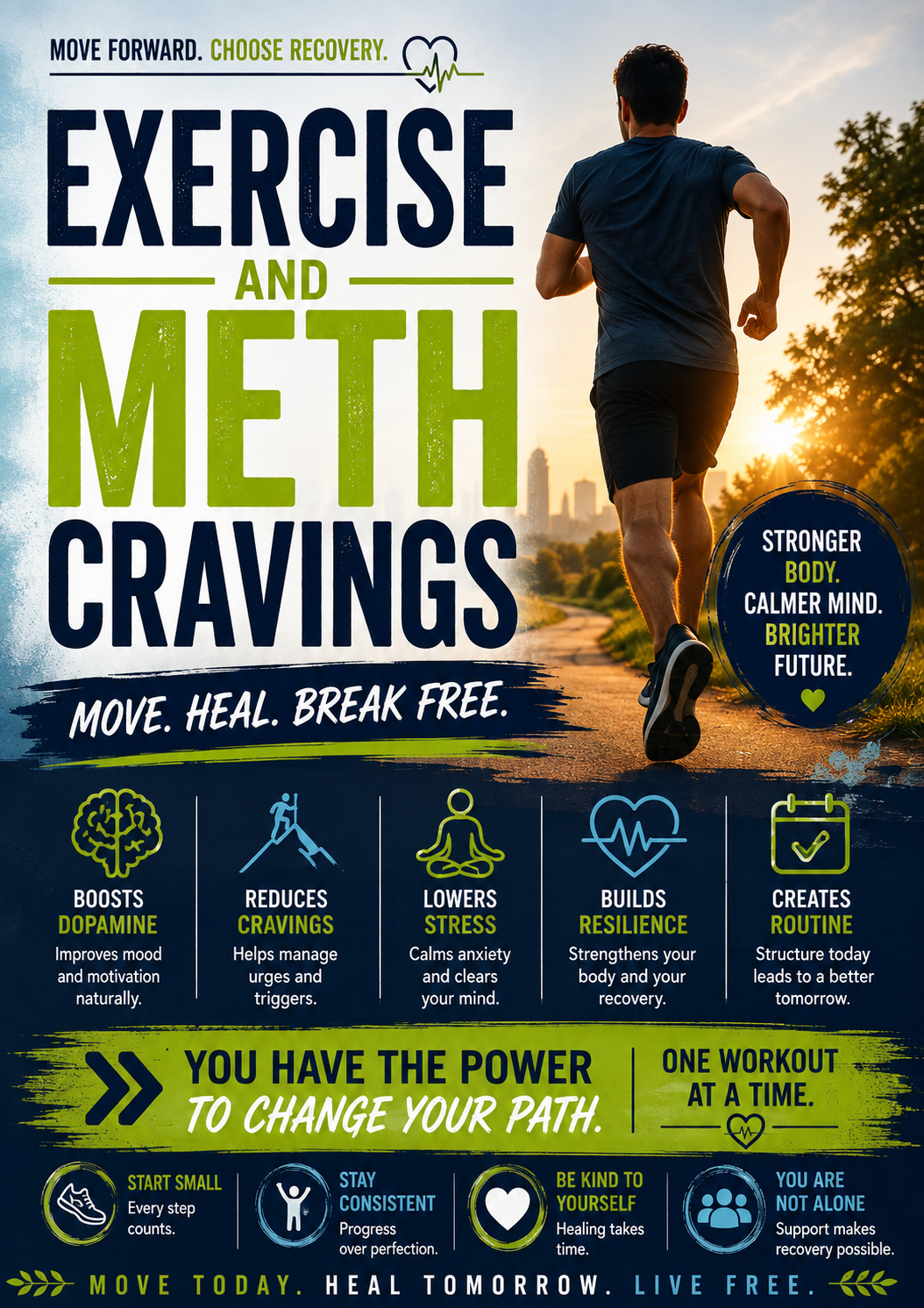
Managing methamphetamine cravings is no easy road, but exercise can be a surprisingly effective tool for anyone looking to break free from the cycle. Many folks I’ve talked to, and even plenty of peer-reviewed studies, back up the idea that getting moving, whether it’s a brisk walk, yoga, or lifting weights, can really help when meth cravings hit hard. If you’re curious about how exercise fits into meth recovery, I’ll walk you through key points, practical tips, and firsthand insights to make the process more manageable and less daunting.
Why Exercise Can Curb Meth Cravings
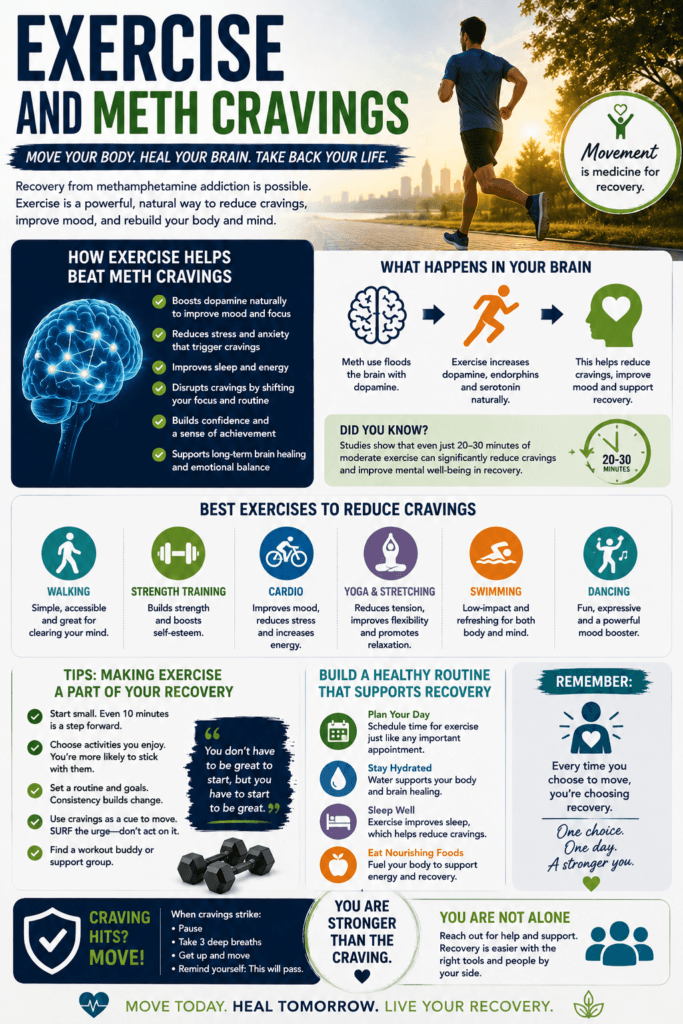
When people use meth, the drug basically hijacks the brain’s reward system, releasing lots of dopamine. Once the high wears off, dopamine drops, leaving people feeling low and craving another fix just to feel normal again. The good news: exercise naturally triggers the release of dopamine and other feel-good chemicals, such as endorphins and serotonin. I’ve seen this change firsthand in recovery groups. Folks who work regular movement into their routine tend to bounce back from low moods faster and report fewer cravings.
Research backs this up. According to studies published in journals such as Frontiers in Psychiatry, aerobic exercise has been shown to reduce craving intensity and lower the risk of relapse. Here’s the thing: you don’t need to run marathons. Even 20 to 30 minutes of moderate activity, such as walking, cycling, or gentle yoga, makes a real difference. Combining movement with fresh air can make it much easier to get into the groove.
Types of Exercise That Make a Difference
The type of movement you choose depends on what feels good and what’s realistic for your situation. In my experience, the best results come from activities that are easy to stick with and don’t feel like a chore. Here are some options that folks in recovery often gravitate toward:
- Walking: Super accessible and doesn’t require special gear; plus, walking outdoors in nature can lift your mood even more.
- Jogging or Running: For anyone who enjoys a higher-energy pace, running is great for blowing off steam and pushing through stress.
- Yoga: Not just good for flexibility. Yoga helps calm the mind and regulate breathing, which is really useful during an intense craving.
- Strength Training: Lifting weights builds confidence and provides a structured goal to focus on, which is helpful when cravings hit.
- Group Fitness Classes: From cycling to Zumba to martial arts, group settings offer social support and accountability.
Experiment with different forms of movement if you’re not sure what you’ll enjoy. I’ve seen folks get hooked on everything from backyard basketball to gardening, so don’t feel boxed in by traditional workout routines. Even something as simple as dancing around your kitchen or trying basic at-home stretches can make a big impact.
Simple Steps to Get Started with an Exercise Routine in Recovery
Starting something new can feel a bit awkward, especially when you’re dealing with powerful cravings and low motivation. Here’s what’s worked for me and people I know who are further along in recovery:
- Start Small: Even a 5- to 10-minute walk can make a difference. The key is consistency rather than intensity at the beginning.
- Create Realistic Goals: Don’t worry about tracking calories or steps right away. Instead, aim for daily movement and gradually build up over time.
- Find a Recovery Buddy: Working out with someone else who understands your adventure adds motivation and makes it harder to skip sessions.
- Set Reminders: Literally put movement in your calendar or set phone alerts so it doesn’t slip through the cracks.
- Track Progress: Keep a simple log of how you feel before and after exercise. Lots of people notice that even on tough days, movement lifts their mood.
Having a plan makes it easier to stick with your commitment over time. Consider using a wall calendar, journaling your feelings after each session, or joining an online challenge to keep things interesting. The more fun and rewarding you make it, the more likely you are to keep moving forward.
Things to Think About Before You Start
Everyone’s recovery adventure is unique, and it’s really important to keep a few things in mind when adding exercise to your toolkit:
- Physical Health Concerns: If meth use has caused health problems (heart, lungs, etc.), talk to a doctor before cranking up the intensity.
- Mental Health: Exercise supports mental health but isn’t a cure-all for anxiety or depression. For many, movement works best alongside counseling or support groups.
- Pace Yourself: Overdoing it can lead to burnout or even injury, and any kind of setback can feel discouraging during recovery.
- Routine Disruptions: Relapses can happen, and motivation can dip. If you miss a day, or even a week, don’t feel bad about restarting. Just pick up where you left off and keep moving forward.
Physical Health Concerns
Methamphetamine puts a lot of strain on your heart and body. If you’ve been experiencing chest pain, shortness of breath, or fatigue, check in with a healthcare provider to ensure your exercise plan is safe. Some folks start with gentle walks or stretching and slowly work their way up to more demanding activities as they rebuild stamina. It’s smart to listen to your body and increase your activity at your own pace.
Mental Health
Mood swings, anxiety, and depression are pretty common when cutting back on or quitting meth. Exercise can help, but it isn’t a magic fix for everything. I always recommend pairing physical activity with therapy or peer support for the best longterm results. There are great organizations like SAMHSA that offer resources and hotlines if you’re looking for support.
Pacing and Motivation
Going all in right out of the gate can lead to frustration. I’ve found it more helpful to remind myself that exercise is about progress, not perfection. Celebrate small victories, like finishing a walk or sticking to a weekly schedule. Find joy in these accomplishments and let them inspire confidence for the next session.
Tips for Making Exercise Stick During Meth Recovery
Sticking with an exercise routine while in recovery takes some planning. I’ve pulled together a few things I wish I’d known earlier, and some insights from others who’ve walked the same path:
- Mix It Up: Try different types of activity so it doesn’t get boring. Mixing things up keeps your body and mind engaged.
- Use Positive Distraction: Exercise keeps your hands and mind busy, which can break the cycle of obsessive thoughts about using.
- Celebrate Consistency: Maybe treat yourself to a new pair of workout socks or plan a hike as a reward for a movement streak.
- Share Your Wins: Post your progress in a support group or a private chat. People often want to cheer you on, and it feels good to get a little recognition.
- Build in Recovery Practices: Add deep breathing at the end of each session or combine movement with mindfulness for double the benefit.
Another helpful strategy is to write down short reflections after you exercise. Noticing even small improvements in mood or craving intensity can remind you why you started and help keep you on track during tough times. You can make a list of your best days, track the moments when things felt easier, and build on those experiences as you keep moving forward.
Real-Life Examples: How Movement Changes Recovery
I’ve met plenty of people who struggled with cravings for years and noticed a real switch-up once they made movement a daily habit. For instance, one person in my community replaced their afternoon “craving hour” with a slow jog around the local park; after a couple of weeks, they found cravings hit less often and less intensely. Another friend joined a community pickleball league, and the social element made it easier to stay busy and less likely to fall into old routines.
Even on days when motivation drops, simply getting up to stretch or take a short walk can snap the mind out of a downward spiral. It’s about stacking up small wins and proving to yourself that you have ways to cope beyond the drug itself. These stories aren’t one-size-fits-all, but they show it’s possible to rewrite your own recovery story day by day.
Frequently Asked Questions
Here are some questions that often come up when people are thinking about using exercise to beat meth cravings:
Question: Can exercise stop cravings completely?
Answer: Exercise isn’t a cure, but it can tone down cravings, especially in the moment. It works best alongside counseling or a strong recovery support network.
Question: How long before I notice changes?
Answer: Some folks feel better after the very first session, but bigger changes usually show up after a week or two of regular exercise.
Question: I don’t have access to a gym. Is that a problem?
Answer: Not at all. Outdoor walks, bodyweight squats, or even dancing in your living room can work wonders. No fancy gear needed.
Question: I really struggle with motivation. What helps?
Answer: Try moving first thing in the morning when willpower is highest, or pair exercise with a podcast or music to make it more fun. Inviting a friend to hold you accountable can also help you keep showing up, even on low-energy days.
Key Takeaways for Using Exercise to Beat Meth Cravings
Exercise is a super important part of the toolkit for beating meth cravings. It’s not a silver bullet, but a tool that offers real relief, especially when cravings hit hard. Regular movement can lift your mood, distract your mind, and rebuild the confidence stolen by addiction. If you’re starting out, focus on keeping things consistent, flexible, and enjoyable. Remember that every bit of movement counts, setbacks are normal, and reaching out for support is always a smart move. For more info, check out resources like NIDA or talk with a local treatment provider. Recovery is never easy, but you don’t have to do it alone. Moving your body can help light the way forward.
Video: Can Physical Activity Help Manage Meth Cravings?