Waking up with a hangover after a night out isn’t exactly fun, but I’ve noticed—and I’m sure many people feel the same—that those hangovers just seem to get worse with each passing decade. Back in my twenties, a greasy breakfast and a nap did the trick. Now, even a couple of drinks are enough to leave me feeling slow and achy for a good part of the day. The idea that hangover pain increases with age isn’t just an old wives’ tale, and there’s actually plenty to explain why it feels so much rougher as the years go by.
Why Hangovers Hit Harder as You Get Older
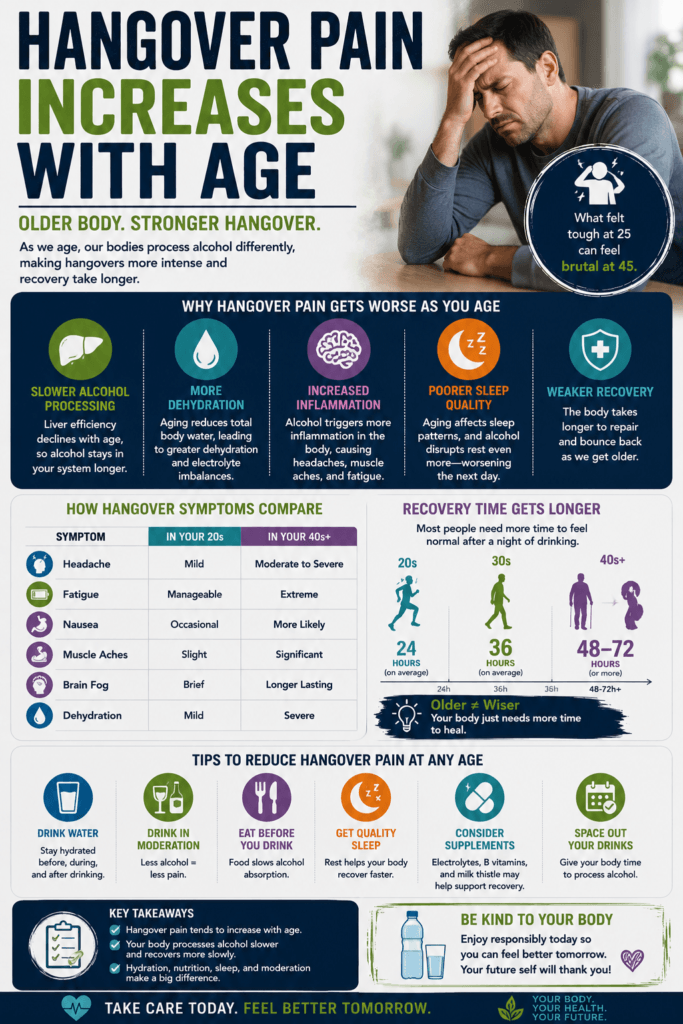
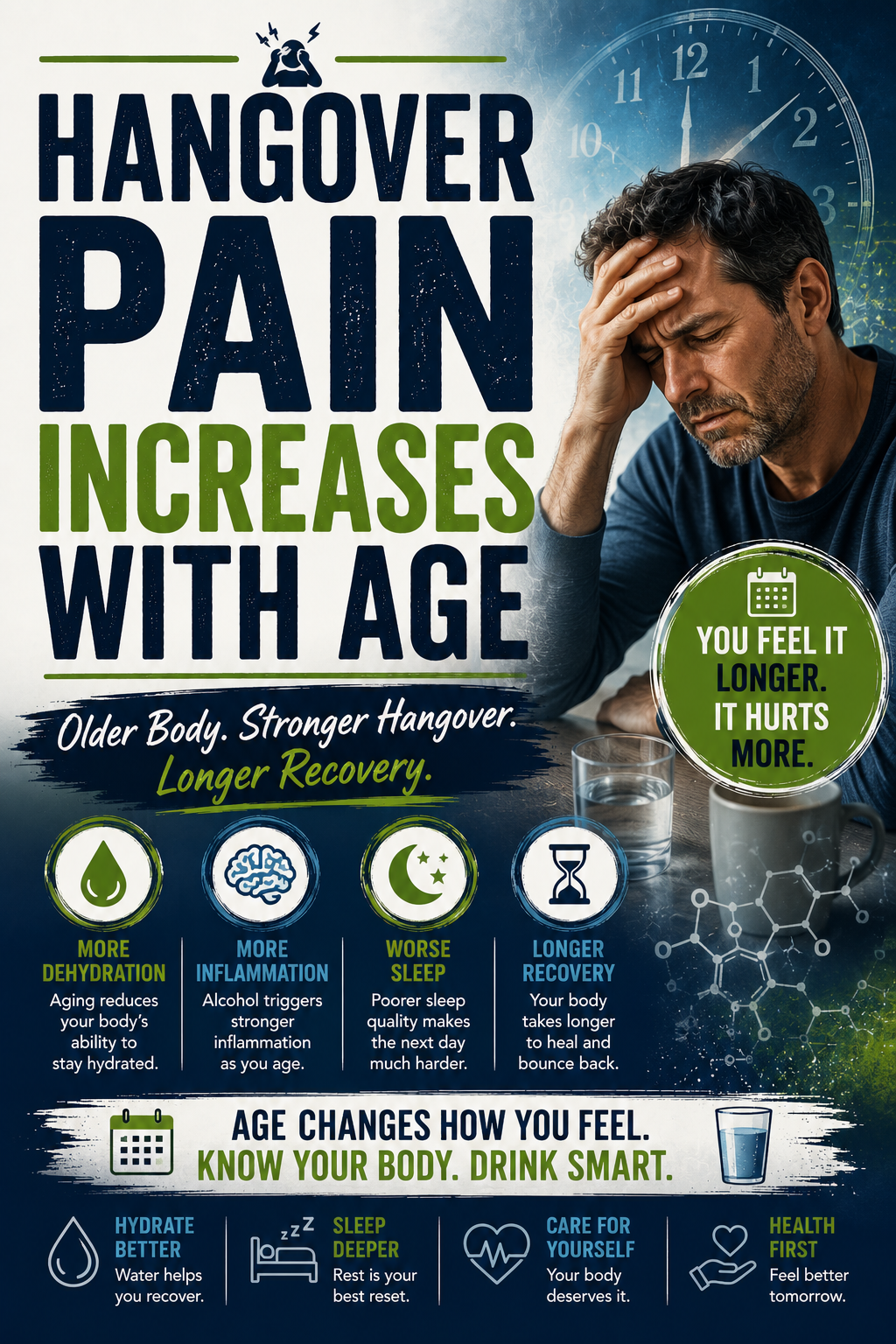
It’s not your imagination. Many people find their hangovers last longer and feel way more intense as they get older. Research backs this up, and there are a few things going on in the body that are worth knowing about. Hangovers happen when your body is working hard to process the effects of alcohol, and changes that come along with age really impact this.
Your metabolism takes a bit of a hit as you age. Your liver becomes less efficient at breaking down alcohol, and your body has less overall water content. With less water to dilute the alcohol, what you drink has a stronger effect. Plus, the immune system starts to react more strongly to toxins, which adds to that classic day-after misery.
The Science Behind the Pain
One of the main reasons hangover pain increases with age comes down to how the body deals with alcohol. When you have a drink, your liver gets to work turning the alcohol into acetaldehyde, a toxic substance that causes inflammation and headaches. In younger people, the liver handles this process much more effectively, but over time, liver enzyme activity slows, and toxins linger longer, leaving you feeling rougher for longer.
Blood vessels also tend to stiffen with age. This can leave you more susceptible to headaches, muscle soreness, and even joint pain after a few drinks. There’s also less of the hormone vasopressin, which helps your body hold onto water. That’s part of the reason dehydration and those pounding headaches are so much more noticeable as you get older.
What Does a Hangover Actually Feel Like?
A classic hangover for someone in their forties or fifties usually kicks off with a dry mouth, a splitting headache, and a general sense of fogginess or irritability. Physical aches, nausea, and fatigue stick around for longer than they did in your twenties. Some people also deal with more anxiety and mood swings after drinking heavily, and all of it tends to feel more pronounced year by year.
- Headaches: Throbbing pain or pressure, often with sensitivity to light or sound.
- Muscle aches: Stiff legs, sore back, and just general achiness.
- Dehydration: Feeling like no amount of water can fix your dry mouth and tired skin.
- Upset stomach: Nausea and even vomiting are more common with age.
- Sleep issues: The older you get, the more one night out seems to wreck your sleep pattern for several days.
Common Reasons Hangovers Get Worse for Older Adults
Several factors, some biological and some lifestyle-related, combine to make hangovers a lot harder to shake as you rack up more birthdays. These are some of the most common reasons I’ve come across, both from studies and personal experience:
- Lower Water Content: The body naturally loses water as you age, so alcohol is less diluted, which means stronger effects and worse symptoms.
- Changes in Body Composition: Muscle mass decreases, and fat percentage increases with age. Since alcohol is water-soluble, less muscle means more alcohol hangs around in your bloodstream.
- Slower Metabolism: The liver metabolizes alcohol more slowly, allowing more toxins to accumulate.
- Medication Interactions: Many older adults are on medications that can interact with alcohol or intensify dehydration and headaches.
- Fragmented Sleep: Sleep naturally becomes lighter with age, and alcohol messes with your sleep cycle, making you more tired the next day.
Lower Water Content
This seems simple, but it’s a big deal. As we get older, we just have less water in our bodies. So, when I drink, the same amount of alcohol has more of an effect compared to when I was younger. Dehydration is a big reason why hangover symptoms like headaches, dizziness, and dry mouth feel so much worse.
Medication Interactions
With age, there’s a growing chance you’re taking one or two (or more) regular medicines, everything from blood pressure tablets to allergy pills. Alcohol can interact with these and either intensify hangover symptoms or make the recovery process a lot slower. It’s definitely worth checking with a pharmacist about common alcohol interactions if you’re on daily medication.
Slower Metabolism
The liver is a real workhorse, but over the decades it just doesn’t process things as fast as it used to. Alcohol metabolites hang around longer, leading to those drawn-out feelings of nausea and headache. It’s a pretty frustrating change, but it explains a lot about why a hangover now ruins the whole day, rather than just the morning.
How to Ease Hangover Pain as You Age
No one really has a magic cure for hangovers, but some tricks do help me handle the pain a little better, especially as I get older. A lot of it comes down to planning ahead and listening to your body during recovery.
- Drink More Water: Hydration is especially important as you get older. Alternating alcoholic drinks with water during the night makes a real difference.
- Eat Before and While Drinking: Having a good meal with protein, fat, and carbs helps slow alcohol absorption.
- Go Easy on Sugary or Dark Colored Drinks: Congeners, chemicals in darker spirits, are more likely to cause bad hangovers. Sticking to lighter options may help.
- Prioritize Sleep: Give yourself plenty of time to catch up on rest the next day. Avoid caffeine close to bedtime to avoid sleep disruption.
- Know Your Limits: As your body changes, it makes sense to cut back; fewer drinks mean less pain the next day.
Pacing yourself with both alcohol and time between drinks also works wonders. Many older people find that slowing down at parties and social events gives their bodies more time to process alcohol, making the next morning more manageable.
Things to Think Through if Your Hangovers Seem to Be Getting Worse
Noticing your hangovers getting worse is actually pretty common in your thirties, forties, and beyond. Still, there are a few things worth thinking through if you’re finding it hard to bounce back from a night out.
- Overall Health: Chronic illnesses like diabetes or heart disease can make you extra sensitive to alcohol’s aftereffects.
- Medication: As already mentioned, medicine can react badly with even small amounts of alcohol. This goes for over-the-counter painkillers as well.
- Caffeine Use: Coffee or energy drinks can worsen dehydration, so it’s good to balance them with water.
- Recovery Nutrition: Foods high in potassium, such as bananas, help replenish lost nutrients and may ease cramps and aches.
- Rest: Older bodies need more time to bounce back. Don’t feel bad for scheduling chill days after big events.
Why Nutrition Matters After Drinking
I’ve noticed that eating a balanced breakfast—lots of fruit, some whole grains, and plenty of water—helps lessen hangover symptoms. Skipping meals or eating only greasy food tends to prolong recovery, especially as you get older.
Advanced Tips for Prevention and Relief
If hangover pain is a familiar enemy, having a plan can make a real difference. Here are a few extra tips that have helped me and others in the same boat:
Choose Drinks Wisely: Opt for lighter-colored spirits and avoid sugary mixers to reduce pain the next day. Vodka, gin, and white wine tend to cause milder hangovers than whiskey or brandy.
Supplements: Some people find B vitamins and prickly pear extract ease their symptoms, but these are worth discussing with a healthcare professional, especially if you’re taking other meds.
Don’t Forget Electrolytes: Sports drinks, coconut water, or even an oral rehydration solution can help replace lost fluids and minerals, making rehydration easier.
Listen to Your Body: Don’t push yourself if you’re still feeling rough. It’s super important to rest, rehydrate, and give your body time to recover, especially after age 30.
Frequently Asked Questions
Here are a couple of questions I’ve been asked about hangovers and age:
Why do my hangovers last all day now that I’m older?
Answer: Age slows your liver’s ability to process alcohol, so toxins stick around longer and the body takes more time to recover.
Is there anything I can do to avoid bad hangovers as I get older?
Answer: Cutting down on how much you drink, eating a solid meal before and while drinking, and staying hydrated are all smart strategies. Prioritizing rest the next day can also help restore your energy.
I never used to get hangovers, but now I do. Is that normal?
Answer: That’s pretty normal. Changes in metabolism, hydration, and lifestyle all affect how your body handles alcohol with age, making hangovers a new (and unwelcome) reality for a lot of adults.
Wrapping Up
Hangover pain and recovery time really do seem to ramp up as you get older, and it’s not just in your head. Making small changes to your drinking habits, eating well, and giving your body all the support it needs can ease the hit. If you’re finding hangovers tougher to shake these days, a little planning and self-care can go a long way. If you ever notice severe symptoms or feel like your body isn’t recovering at all, it’s always smart to check in with a healthcare provider just to stay on top of things.
It’s worth remembering that your experience is shared by many folks, and sometimes simply adjusting your approach to social drinking and being kind to your body as you age is the best plan of action. For those wanting to keep enjoying celebrations while minimizing the aftermath, moderation and self-awareness are key. Here’s to smarter choices that lead to better mornings.
Video: The Risks Of Drinking And Aging: What You Need To Know