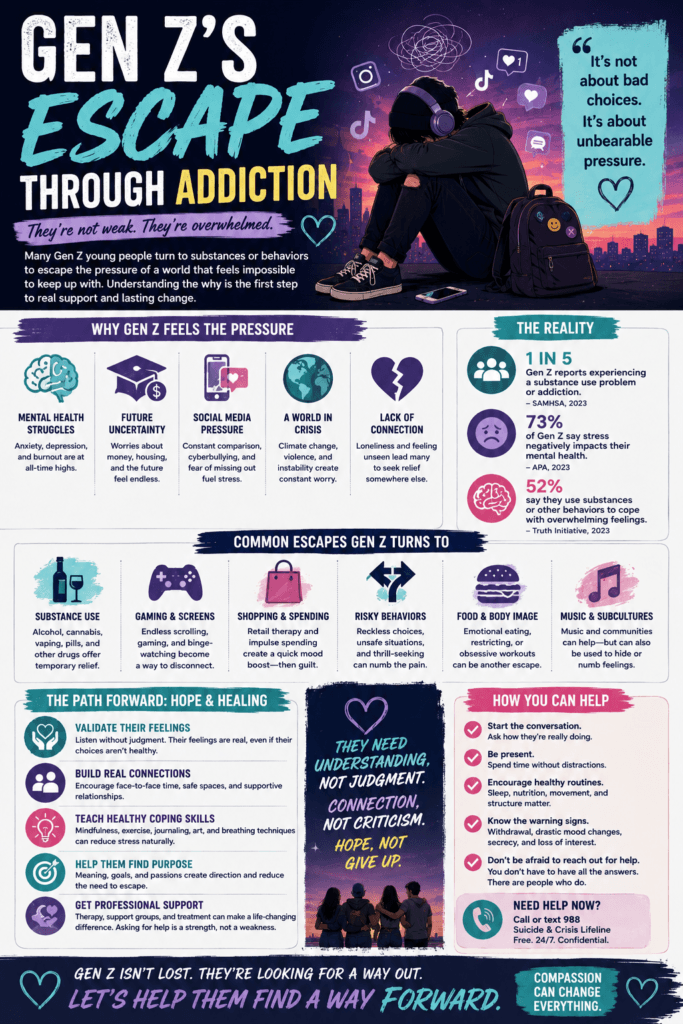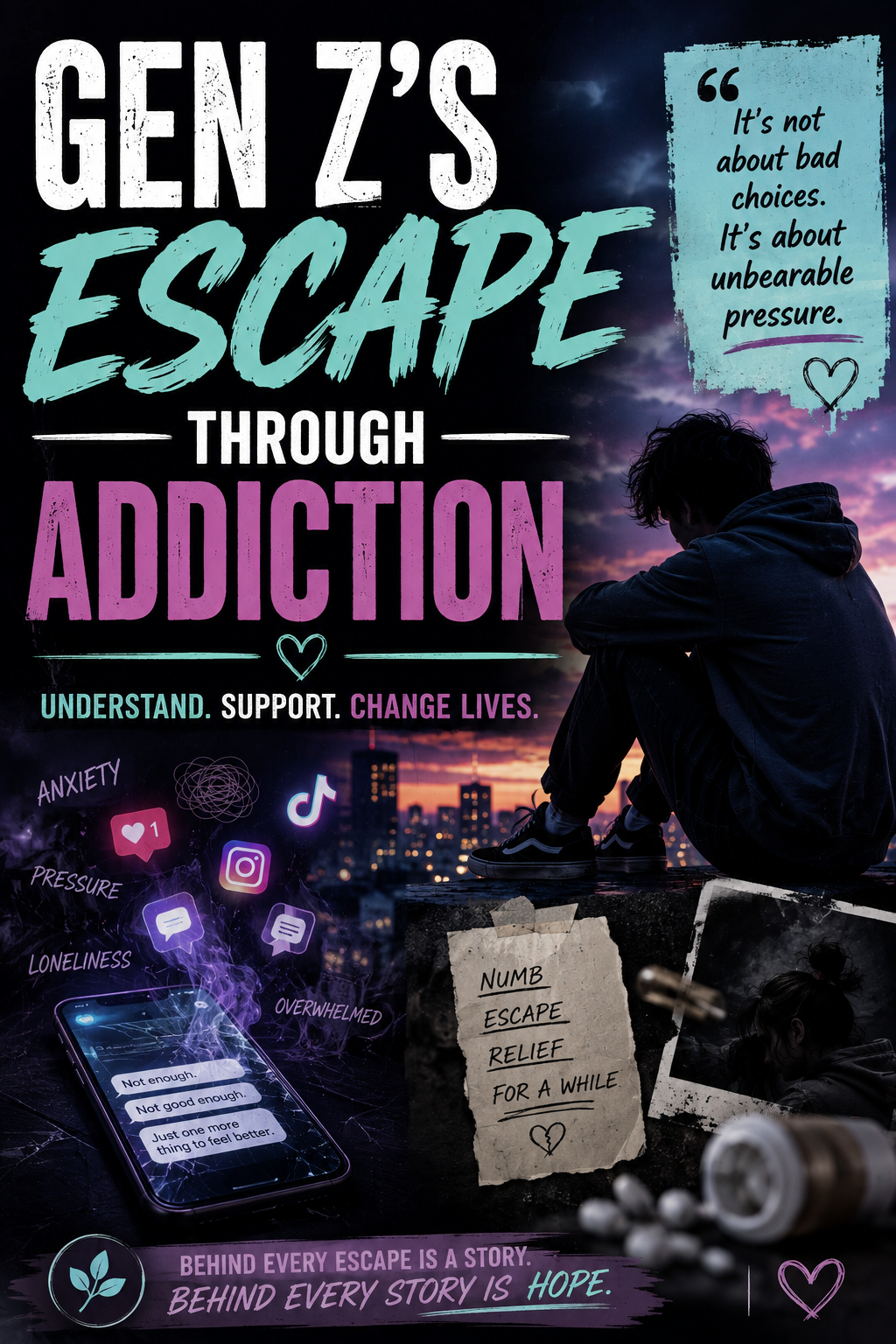
The anxiety levels among Gen Z aren’t just a talking point online. They’re a real and growing trend. More young people are opening up about mental health struggles, and a lot of it seems to be tied to big-picture issues, especially the kind that come with life under modern capitalism. The results show up everywhere, from how many feel about their futures to daily habits, spending behavior, and even patterns of addiction.
The Link Between Gen Z Anxiety and Capitalism
When I hear from friends, or check out what Gen Z folks post on TikTok and Twitter, there’s a shared feeling of pressure. Some of this is about money: rising costs, student debt, expensive rent, and worries about job stability. Capitalism and its constant focus on productivity and competition don’t always make room for downtime or self-care.
According to a 2023 American Psychological Association survey, over 90% of Gen Z adults said they’d experienced at least one physical or emotional symptom of stress in the past month. For many, the hustle feels never-ending. Social media makes it easy to compare lifestyles, bank accounts, and achievements with others, which cranks up the stress. This comparison game is tough, especially when the bar seems impossibly high. All this stress can push some people toward unhealthy coping mechanisms, like vaping, excessive online shopping, or binge-watching just to escape reality for a while.
How Addiction Enters the Picture
Addiction isn’t just about substances. It can be about devices, online shopping, or even endlessly scrolling through doom-and-gloom news. For Gen Z, the ways to temporarily dodge anxiety are everywhere, and some are heavily marketed. If you asked me, I’d say today’s environment feels almost designed to create cravings and quick-fix behaviors.
Certain companies and platforms profit from addictive behaviors. Social media apps, for example, use algorithms to hook users and keep them online for hours. The rush of likes or shares gives that momentary boost, which is all too easy to get used to. Online shopping, delivered at the tap of a button, also taps into emotional highs and lows. Retail therapy isn’t a new concept, but the scale and speed have changed the game in a big way.
Why Gen Z Is Especially Impacted
Gen Z grew up with technology and unprecedented access to information, both good and bad. The internet isn’t just a resource; it’s also a source of pressure and noise. Schools started talking more about anxiety and depression when Gen Z was still in classrooms, and the social stigma around mental health has dropped, which is a good thing. But open conversations can also make it seem like everyone is struggling, and that can feed into personal worries.
There’s also a big focus on side hustles, financial independence, and entrepreneurship. While this can give a boost, it sets a standard that’s pretty exhausting to maintain. If you’re hustling just to pay off loans while chasing your passions on the side, burnout isn’t far off. When mainstream success stories are filtered through Instagram or YouTube, it’s no wonder people start to look for any way to break the cycle of stress, even if only for a short escape.
Common Addictive Behaviors and Their Appeal
- Social Media Scrolling: The endless feed, bright colors, and instant feedback make it super easy to keep coming back for more, especially during anxious or boring moments.
- Online Shopping and Delivery Apps: Targeted ads, influencers sharing “must-have” lists, and buy-now-pay-later options make retail therapy almost frictionless. That dopamine spike from buying something new (and the anticipation of delivery) is hard to beat.
- Vaping and Substance Use: For some, nicotine or other substances provide a short-term sense of calm. Flavored vapes and heavy social marketing make these habits look more like fun than risk.
- BingeWatching/Streaming: Escaping into TV series or video games is low effort and a good way to tune out anxiety, at least until the episode count gets out of hand and responsibilities pile up.
These coping strategies don’t solve underlying problems, but they’re appealing because they offer instant, predictable relief. For someone already burned out, long-term solutions can feel out of reach.
Capitalism’s “Escape Industry”: The Business of Relief
Many businesses see an opportunity in Gen Z’s need for relief and distraction. From wellness apps and products promising mindfulness to “hustle culture” tools that claim to boost productivity, the market for anxiety management is massive.
Streaming platforms, gig apps, subscription boxes, and even some therapy services are all shaped by this demand. The result is there’s always something to buy, stream, or subscribe to that offers a break from the grind, at least for a few hours. This cycle drives both profit and dependency, creating a feedback loop where stress and escapism keep fueling each other.
Ways to Break the Cycle
I’ve noticed that when people find ways to reduce stress beyond quick fixes, the urge to fall back on addictive behaviors goes down. A few helpful approaches include:
- Setting Boundaries with Devices: Turning off notifications or setting screen time limits is a simple way to take back control.
- Small, Consistent Habits: Tiny routines like a short walk, keeping a journal, or even just a deep breathing break can help break up anxiety without needing to spend money or go online.
- Connecting Offline: Hanging out with friends or joining local activities, such as sports or gaming clubs, can help break the isolation and reduce reliance on digital escapes.
- Talking About It: Therapy, text lines like Crisis Text Line, or even honest chats with friends all offer space to vent and get perspective.
Beyond these methods, setting realistic goals and tracking small wins can help keep things manageable. It’s okay if progress is slow—it’s still progress. Establishing a routine for things you enjoy, like reading or cooking, can also act as a buffer against stressful distractions. If possible, taking breaks outdoors, such as a quick stroll or just enough time in natural light, can clear your head and help you reset mentally.
Challenges with Building Better Habits
Replacing addictive escapes with healthier options isn’t always quick or easy, especially when stress feels nonstop, or alternatives seem too slow to work. Some things that make it tougher include:
- The constant stream of advertising for quick-relief products
- Real-life responsibilities (school, work, bills) that leave little time for self-care
- The normalization of burnout (it’s almost popular to talk about being overloaded)
- Lack of accessible, affordable professional help
It takes time to rewire routines, especially when anxiety and capitalism work together to nudge people back toward old behaviors. But putting effort into even very small changes, like keeping the phone out of the bedroom or unfollowing triggering social accounts, can make a difference day to day.
Real-Life Examples and Everyday Experiences
One Gen Z friend told me he deleted shopping apps from his phone and instantly noticed how much less pressure he felt to buy the latest clothes or gadgets. Another turned off Instagram notifications, checking just once a day, which lowered that anxious “fear of missing out.” Others have found that setting a hard stop for screens at night improves sleep and helps their morning mood.
There’s no one-size-fits-all solution, but swapping out quick-relief options for longer-lasting coping strategies like volunteering, playing games with friends in a noncompetitive way, or making art can be pretty effective. Even simply acknowledging the push-pull between capitalism’s demands and mental health goes a long way in regaining some balance.
Gen Z: Redefining Escapism on Their Own Terms
Gen Z often gets painted as both the “most stressed” and the “most next-level cool” generation when it comes to mental health. While there’s truth to both, there’s also a lot of resilience in how people navigate modern pressures without losing sight of their long-term well-being. I see more conversations about setting boundaries and choosing mindful consumption—all small rebellions against profit-first models that feed anxiety and addictive behavior.
Frequently Asked Questions
Question: Why does it feel like everyone is struggling with anxiety these days?
Answer: There’s more openness about mental health, and the pressures from money, work, and constant comparison make anxiety harder to avoid. Social media can make it seem more common, but that openness also helps people feel less alone.
Question: What kinds of addictions are most common among Gen Z?
Answer: Besides traditional substance use, common habits include social media scrolling, online shopping, and bingeing TV or gaming—anything that offers fast relief from stress.
Question: How can I tell if my coping habits are becoming a problem?
Answer: If you notice it’s hard to stop, it gets in the way of responsibilities, or you feel worse after, it’s worth considering new approaches or talking with someone you trust.
Looking Forward: What Actually Helps?
Bringing awareness to how anxiety, capitalism, and addiction interact is the first step toward change. There’s a lot of power in choosing small daily actions over quick fixes. It’s worth checking out free resources, joining supportive communities, or just being honest with yourself about what makes things better, even if it’s just a little at a time. Every bit of progress counts, and there are always new ways to create real, lasting relief.
Video: Why Gen Z can’t handle stress #shorts #genz