If you’ve ever watched someone struggle with addiction, it can feel heartbreakingly tough to see them resist help even when things are clearly falling apart. Maybe it’s a family member, a friend, or even a coworker who just won’t budge, no matter how many conversations you have or how obvious the consequences seem. When addicts refuse to change, the resistance isn’t just about stubbornness. There’s usually a mix of fear, denial, shame, and even survival instincts driving that wall. I’ve spent enough time in support groups and talking to professionals to know that breaking through resistance takes patience, understanding, and a little strategy.
Why Addicts Resist Change
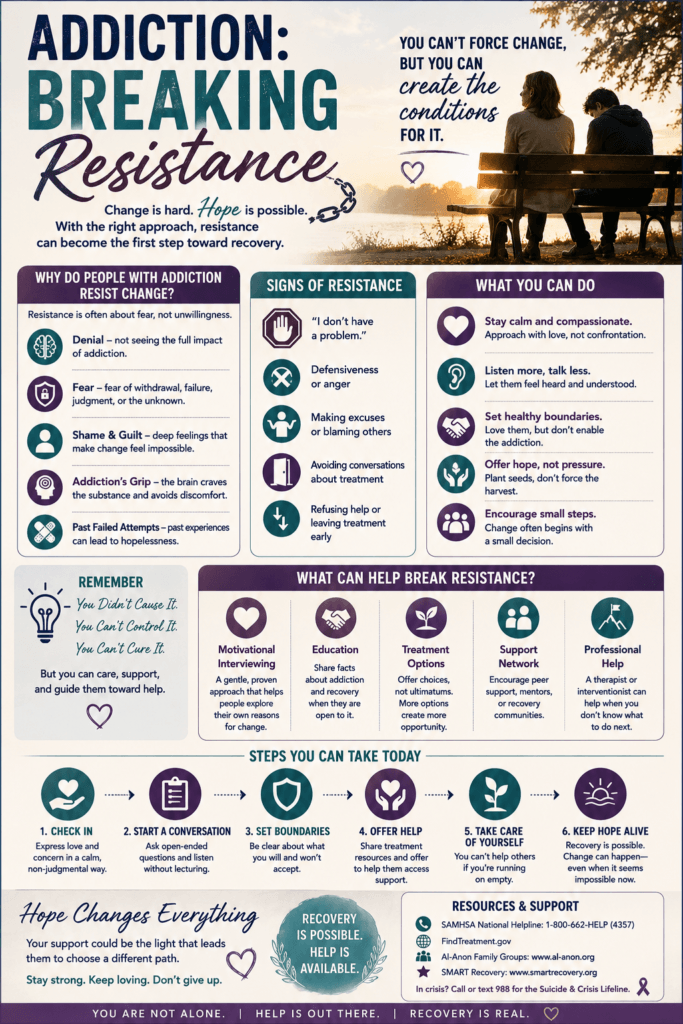
People often assume change is as simple as deciding to stop and following through. With addiction, it’s rarely that clear-cut. Substance use changes the brain’s wiring, making it tough to pull away from what brings short-term relief, even when it causes chaos over the long run. Resistance comes from a bunch of places:
- Denial: Many people convince themselves they don’t actually have a problem, or that it’s not as bad as others think.
- Fear of withdrawal: Stopping certain substances can feel terrifying, partly because withdrawal symptoms can be rough physically and emotionally.
- Loss of coping tools: For some, drugs or alcohol are the only way they know how to manage pain, anxiety, or past trauma.
- Shame and stigma: Admitting to addiction often brings waves of guilt, shame, and worry about what others will think.
- Mistrust of treatment: Maybe past attempts failed, or they’ve heard horror stories about rehab.
Understanding the roots of resistance helps you approach the situation more thoughtfully, rather than just pushing harder and risking a larger backlash. Addiction is a problem rooted deeply in the mind and often has ties to past experiences, social environments, and family history. These layers stack up, making resistance even stronger and the process of change longer than outsiders might expect.
Spotting Resistance in Action
Sometimes resistance is loud—for example, defensiveness, arguments, or flat-out refusing to talk about the issue. Other times, it’s more subtle. Here are a few ways I notice resistance showing up:
- Avoiding conversations about substance use or shutting down emotionally during talks.
- Making excuses or blaming outside factors (“I only use because of my job stress” or “It’s not as bad as what others are doing”).
- Agreeing to get help to stop a conversation, then skipping appointments or not following through.
- Escalating use after an intervention or boundary is set.
Recognizing these patterns can prevent you from falling into cycles of nagging or resentment. It’s easy to feel frustrated, but spotting resistance early gives you a chance to try a new approach. Remember that emotional signals such as sarcasm, laughter at the wrong times, or sudden mood changes could also indicate deeper resistance beneath the surface.
What Really Happens in the Addict’s Mind
It’s tempting to assume that someone refusing help just doesn’t care. The reality is usually more complicated. The brain becomes wired to see the addiction as necessary for survival. Expecting instant change isn’t reasonable. In fact, small steps add up, and sometimes the most important switch is in mindset, not just behavior.
For example, a lot of folks dealing with addiction struggle to picture life without their substance of choice. They wonder about friendships, work stress, or even how they’ll relax, and the fear of a big, empty hole is real. These fears might not be rational to others, but in the addict’s mind, they feel overwhelming. Guilt and shame compound that, making it even harder to reach out for help. The cycle often intensifies because addiction often brings more guilt, which in turn pushes people further into the behavior they’re trying to avoid.
Ways to Break Through Resistance
If someone you care about is stuck in resistance mode, here are some of the practical tools I rely on:
- Back off from power struggles: More often than not, arguments and ultimatums push people deeper into their shell. Letting go of the urge to control or rescue is important. Not easy, but totally worth the effort.
- Practice empathetic listening: Just listening without judgment can open doors. Instead of launching into advice, try reflecting what you’re hearing: “It sounds like you’re scared to stop because you don’t know how to cope without drinking.” This shows respect and invites honesty.
- Focus on their goals, not yours: Sometimes, what you want isn’t lining up with what they want. Talking about what’s important to them (“How does drinking affect your work?”) can spark self-reflection that feels less threatening.
- Provide information, not pressure: Share resources, stories, or facts in a neutral way. I’ll often say, “I read about this support group that some people found helpful. If you’re ever curious, I can give you the info.”
- Encourage professional support: Even if counseling isn’t an option, helplines, online chats, or peer support communities can be more approachable first steps. There are also online forums and telehealth options that may feel less intimidating than in-person help at first.
Maintaining an open dialogue and returning to conversations over time often helps the person begin thinking about change on their own terms. Over time, this often leads to taking a first step, even if it’s just a small one. Don’t underestimate the impact of your patience and kindness on someone’s long journey to recovery.
Common Obstacles When Supporting an Addict
Everyone who’s tried to help an addict meets obstacles. Here are a few common hurdles and some ways I try to handle them:
- Betrayal and broken promises: Relapse or skipped commitments can feel personal, but relapse is part of the process for many. Patience and managed expectations help prevent burnout.
- Overfunctioning: Taking on their responsibilities, calling in sick for them, or covering up consequences can actually stall progress. Setting boundaries is really important for your own well-being and for encouraging responsibility.
- Unsupportive friends or family: Not everyone will understand addiction or agree with a thoughtful, nonpushy approach. Connecting with support groups, like Al-Anon or online communities, can offer reassurance, tips, and a sense of belonging.
It’s also common to encounter a lack of resources, financial challenges, or legal troubles. Remember, your role as a supporter is not to fix every problem, but to be present and consistent.
Setting Boundaries (And Actually Keeping Them)
Boundaries often make a huge difference, but they’re tricky to maintain. Deciding on your limits is a personal process. For me, it might mean refusing to loan money, refusing to cover up a “sick day,” or saying I can’t spend time together if someone is drinking or high. It’s not about punishment. It’s about self-care and modeling healthy choices. Clearly communicate boundaries, be consistent, and expect some pushback at first. Remind yourself that your limits are about your own well-being, not about controlling them.
It’s helpful to write your boundaries down, so you can return to them when emotions run high. Sharing these boundaries with others in your support network also helps you stick to your decisions.
Dealing With Relapses and Setbacks
Relapse happens for many people. Sometimes more than once. Responding with compassion but reinforcing boundaries often works better than anger or shaming. Celebrate even small steps forward, and encourage self-forgiveness. A backslide doesn’t mean they (or you) failed. It’s just part of a messy process. Remember that recovery is often non-linear, and setbacks can be learning opportunities that clarify what support is needed next time.
Tips for Encouraging Change Without Forcing It
Switching from a confrontational to an invitational approach can create space for new conversations. Here are a handful of strategies I like:
- Model healthy habits without preaching: Sometimes quietly demonstrating your own self-care and stress management sparks curiosity.
- Recognize small efforts: If they skip a drinking night or agree to a counseling session, acknowledge the effort, even if it’s tiny.
- Use neutral language: Swapping harsh labels (like “addict”) for neutral terms (“person struggling with alcohol”) can reduce shame.
- Ask curious questions: Like “What do you think it would feel like to take a break for a week?” These get people thinking without defensiveness.
- Stay connected: Isolation makes things worse. Just showing up and being present (even by text) matters more than you realize.
Staying involved and supportive, even when changes are slow, demonstrates that you genuinely care. Consistency and kindness can help someone build trust where trust has been broken.
Real-World Examples
I’ve seen families where change finally happened not because of an emotional blowup but after years of quiet support and steady boundaries. One parent I know wrote letters to their son, sharing memories and hopes, not ultimatums. He started opening up after reading those notes, because he felt seen and loved despite his struggle. Another peer got through to their partner by shifting from daily confrontation to stepping back, encouraging professional help, and making it clear they were ready to talk at any time. Even when it moved slowly, trust began to build back up.
- Family support: Sometimes, just one person holding a steady, loving line is enough to flip a switch.
- Timing: People get ready for change at their own pace. Recoveries I’ve seen often came after a big life event (like a health scare or job loss), but all the earlier support made those turning points possible.
- Community involvement: Support groups, both online and in person, play a huge role in maintaining hope when you feel lonely or frustrated.
Other examples include friends who simply stayed available for years, always ready to lend an ear but never pushing. Their persistence paid off when their loved one finally decided to reach for help. Each story is unique, but they share patience, consistent boundaries, and an open heart.
Frequently Asked Questions About Resistance and Recovery
Question: Why do some addicts refuse help even after hitting rock bottom?
Answer: Hitting rock bottom looks different for everyone, and “ready for change” isn’t a magic switch. Shame, denial, fear, and habit can all keep someone stuck for longer than outsiders expect.
Question: Can I convince someone to seek help if they really don’t want to?
Answer: Directly convincing someone rarely works in the long term. You can provide information, stay supportive, and set boundaries. However, the decision to seek help has to be theirs for real change to happen.
Question: What do I do if I feel exhausted or hopeless trying to help?
Answer: Take care of your own needs. Support groups for families and friends (like Al-Anon) are super useful, and sometimes talking to a therapist can help you process your feelings. You can’t pour from an empty cup!
Question: How long does it typically take for someone to accept help?
Answer: There’s no single timeline. For some, acceptance is gradual and takes months or years; for others, a sudden event may prompt change. What matters most is staying present and supportive, and not tying your hope to a particular schedule.
Moving Forward
Supporting someone who’s resisting change can test your patience and resolve, but small steps, consistent boundaries, and compassion go a long way. Even if things move slowly, your steady presence can mean more than you realize. Recovery sometimes takes a winding path, but hope, resources, and support can get you through the toughest stretches. If you or someone you love is stuck, reaching out to local recovery groups or hotlines is worth checking out. Nobody has to go through this alone.
Video: The Family’s Guide to Supporting a Loved One