The Hidden Effects of Painkiller
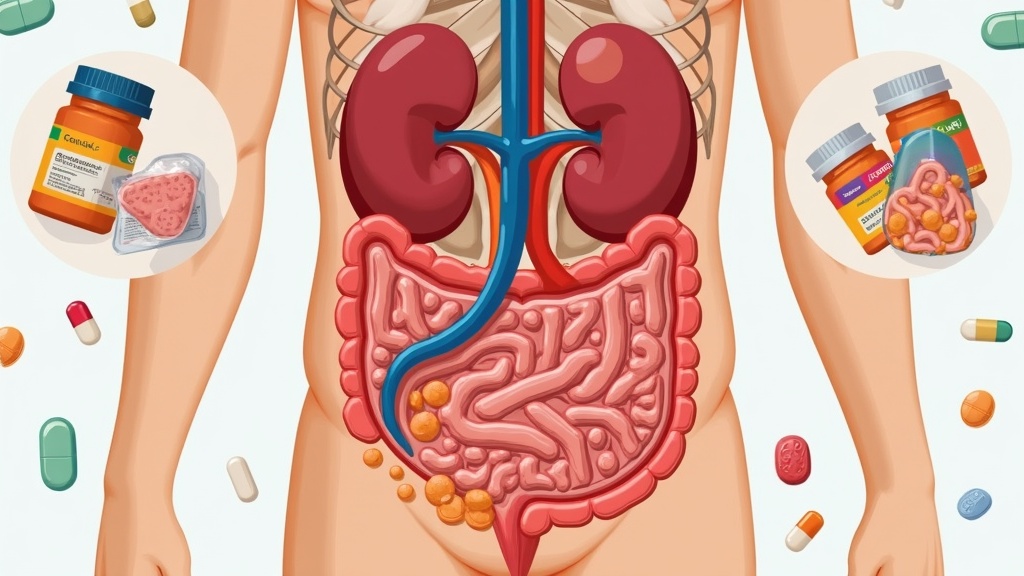
Painkillers often seem harmless—something we keep in the cabinet and reach for without a second thought. They’re widely available, frequently prescribed, and can feel like a miracle when pain hits. But when taken in higher doses than recommended, they can quietly cause serious harm to vital organs like the liver, kidneys, and heart. What starts … Read more


Spiritual Growth in Recovery

Building a strong recovery plan can truly transform your life, whether you’re facing addiction, trauma, or another major challenge. Most recovery approaches focus on the physical and mental aspects—which are essential—but they often overlook something equally powerful: the spiritual side of healing. Adding a spiritual component isn’t about religion or rituals; it’s about reconnecting with … Read more

Relapse as a Learning Opportunity

Hitting a rough patch in recovery and experiencing a relapse can really shake your confidence, but it doesn’t mean the progress you’ve made is erased. Recovery is a personal adventure, and there’s no single straight path. I want to talk about how a relapse can actually offer you some valuable lessons about your own needs … Read more

Red Light Therapy For Pain Relief

Red light therapy has been gaining significant attention lately—and for good reason. Once considered a niche wellness trend, it’s now appearing everywhere, from physical therapy clinics to home recovery setups. The idea is simple but fascinating: low-level red and near-infrared wavelengths penetrate the skin to stimulate cellular repair, reduce inflammation, and improve circulation. For individuals … Read more

How Addiction Can Lead To Dementia

Addiction can affect much more than just mental health or physical well-being. It also plays a significant role in long-term brain health. Over time, addiction has been linked to brain changes that stick around and go beyond temporary fogginess or short-term memory lapses. Something many people don’t realize is that addiction and substance abuse, especially … Read more

Diseases Related to Addiction

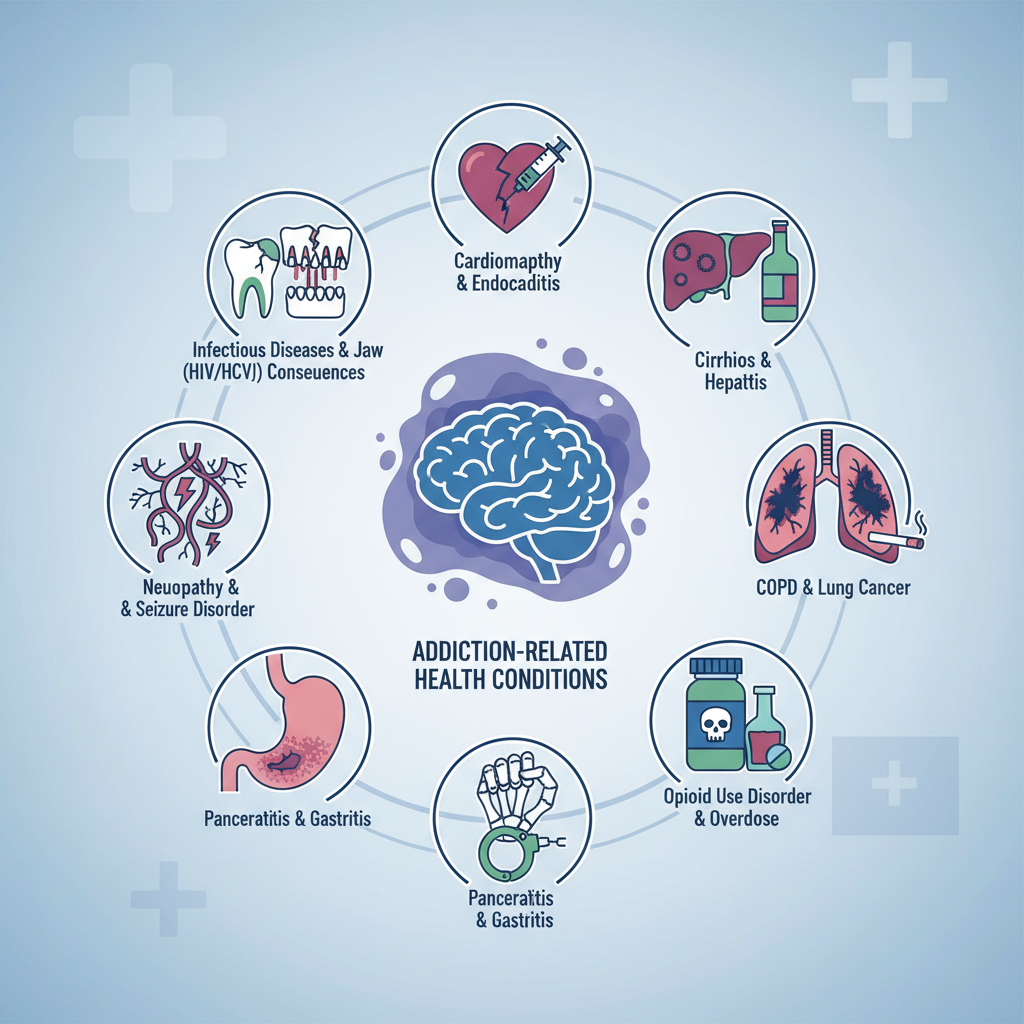
Addiction is often misunderstood as personal choice or lack of willpower. Still, in reality, it connects deeply with actual health conditions that create lasting impacts well beyond the initial use of a substance or addictive behavior. Over decades, researchers and doctors have come to see diseases tied to addiction as complicated, affecting not just the … Read more

Veterans: Trauma & Substance Use

Combat veterans know all too well what it’s like to come home carrying not just physical scars, but deep emotional and psychological ones as well. I’ve talked with several veterans who’ve opened up about just how heavy this load can feel, especially when it’s tangled up with substance abuse. Many are surprisingly honest about the … Read more

Addiction Treatment Innovations

Addiction treatment has transformed over the past decade, driven by scientific breakthroughs and a shift in how society understands substance use. Once focused on detox and abstinence, modern care now emphasizes holistic, trauma-informed, and long-term recovery support. Advances in neuroscience reveal addiction as a brain-based condition, while technology—like telehealth, AI tools, and recovery apps—expands access … Read more

Kratom: Uses, Risks, and Effects

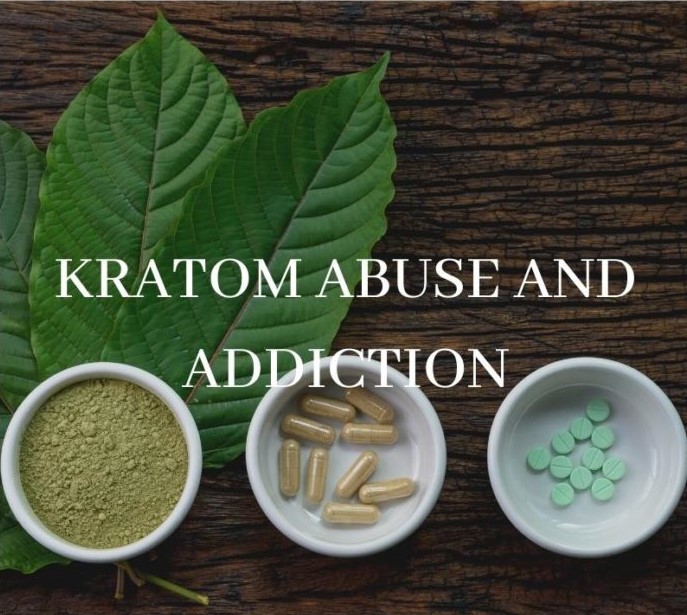
7-Hydroxymitragynine (7-OH) is a potent kratom alkaloid with opioid-like effects, including strong analgesia, sedation, and euphoria. Its increasing availability in concentrated forms has raised overdose concerns. Like other opioids, 7-OH can cause respiratory depression and dependence, and treatment involves naloxone, supportive care, and monitoring, with long-term addiction management as needed. 7-Hydroxymitragynine (7-OH) (Kratom): Potency, Risks, … Read more

Opiate Use Disorder in Older Adults

Opioid Use Disorder (OUD) in older adults is a growing concern, driven by chronic pain, multiple prescriptions, age-related changes, and social isolation. Prevention requires a comprehensive approach: self-management through safe medication use, health check-ups, and non-opioid pain care; family support through open communication, prescription monitoring, and healthy routines; and community resources such as wellness programs, … Read more