Self-Efficacy and Social Support

Self-efficacy—the belief in one’s ability to handle challenges—is crucial in addiction recovery, boosting confidence to resist cravings, improving self-esteem, and reducing loneliness by fostering social connections. When integrated into treatment through goal-setting, cognitive-behavioral techniques, and peer support, it enhances motivation and outcomes. However, overconfidence can lead to relapse risk, self-blame, and resistance to help, and … Read more
Employers Roles in Addiction Care

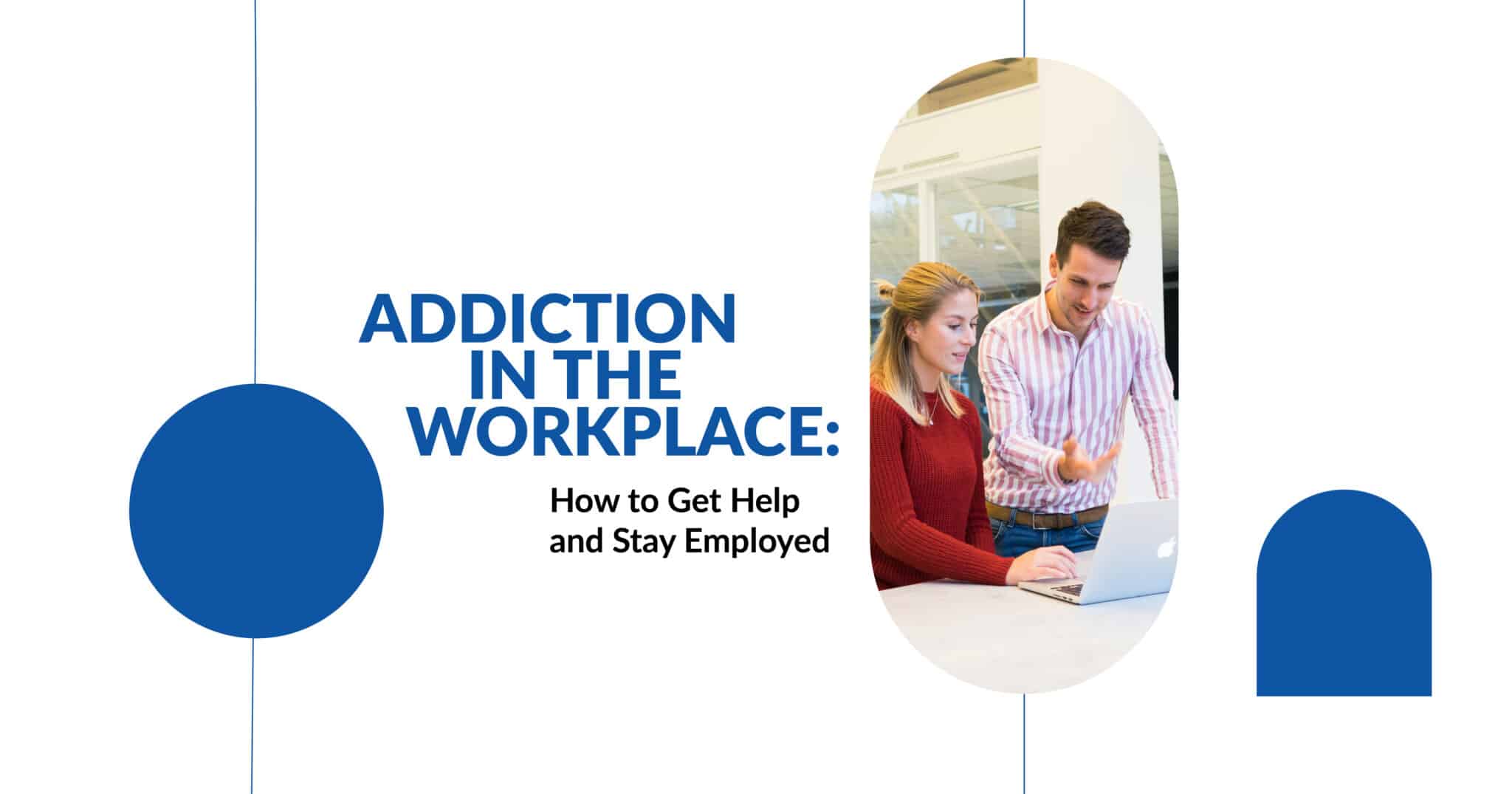
Employer involvement in addiction care supports employee recovery and workplace productivity by providing resources and reducing stigma. Benefits include better well-being and reduced absenteeism, while challenges include privacy concerns, expertise gaps, and potential discrimination. Ethical issues focus on balancing autonomy with safety. Success also depends on individual self-management, family support, and community resources that help … Read more

Buprenorphine Rx by Pharmacists

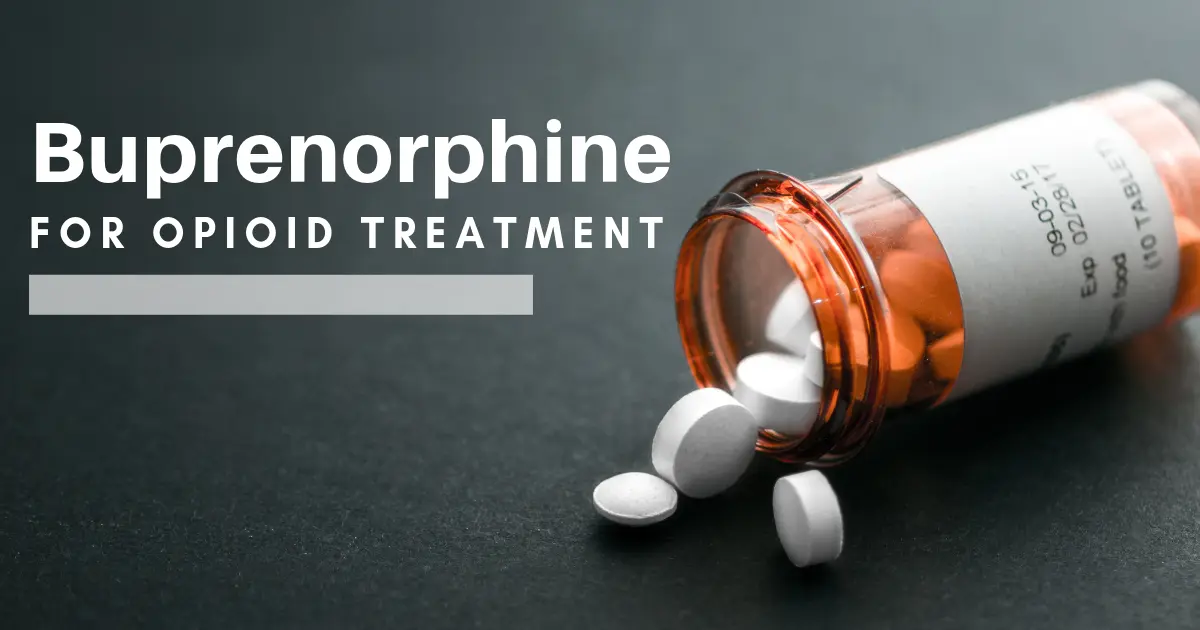
Allowing pharmacists to prescribe buprenorphine for opioid use disorder improves access to treatment, especially in underserved areas. Benefits include convenience and reduced stigma, while challenges involve care coordination and privacy concerns. Ethical issues focus on informed consent and quality of care. Pharmacists must have a valid DEA registration, complete the required training, and comply with … Read more

Medicaid cuts in Addiction

Medicaid cuts significantly reduce access to vital mental health and addiction services, placing some of the most vulnerable individuals at heightened risk for untreated illness, relapse, and overdose. Many people with substance use disorders and serious mental health conditions rely on Medicaid for medications, therapy, inpatient and outpatient treatment, and recovery supports. When funding is … Read more

Sexual Misconduct in Addiction

Sexual misconduct in addiction treatment facilities is a serious issue that targets vulnerable individuals in recovery. Patients may face trauma, power imbalances, and emotional instability, increasing their risk. Prevention relies on self-management strategies like boundary-setting, strong family advocacy and communication, and community resources such as oversight agencies and reporting systems. These combined efforts help ensure … Read more

Addiction Safety Standards

Patient safety in addiction treatment relies on strong standards and support systems. Government policies enforce safe practices, while individuals contribute through self-management and informed care. Families offer supervision and advocacy, and communities provide certified programs, education, and peer support. Together, these efforts create a safer, more effective path to recovery. Patient Safety Standards in Addiction … Read more

Self-care in Addiction Recovery

Self-care is essential in addiction recovery, helping individuals heal physically and emotionally, build resilience, and maintain stability. While it supports long-term recovery, challenges like avoidance, false security, and unequal access can arise. Ethical issues include balancing autonomy with the need for support and respecting privacy. Families support recovery by modeling healthy habits and offering practical … Read more

Deflection Programs in Addiction

A deflection program for addiction redirects people from the criminal justice system to treatment and support services. It offers benefits like reducing incarceration and promoting recovery, but faces challenges such as limited access, possible coercion, and ethical concerns around autonomy and privacy. Success depends on combining medical treatment with self-management, family involvement, and strong community … Read more

Drug Withdrawals

Drug withdrawal happens when someone dependent on a substance stops or reduces use, causing the brain’s chemistry—especially dopamine, GABA, and norepinephrine pathways—to become unbalanced. This leads to physical symptoms like nausea and muscle pain, and emotional symptoms such as anxiety and cravings. Treatment often includes medical detox, medication-assisted therapy, and behavioral support. Success is improved … Read more

MOUD in Primary Care Clinics

Integrating Opioid Use Disorder (OUD) treatment into primary care improves access by offering medications and support in a familiar, less stigmatized setting. Benefits include convenience and ongoing care, but challenges involve limited time, behavioral health resources, and provider discomfort. Ethical issues include balancing patient privacy and safety. Effective treatment combines self-management tools, family involvement, and … Read more