Emotion-Oriented Coping Styles

Emotion-oriented coping styles like avoidance, self-blame, and suppression can increase the risk of addiction by encouraging emotional escape. Preventing addiction involves teaching self-management strategies such as mindfulness and healthy expression, while also strengthening family support through open communication and emotional validation. Community resources—like mental health services and peer networks—further support emotional resilience. Together, these strategies … Read more

Transformative Process in Addiction

Changing from addiction to a purpose-driven mindset is due to brain changes in reward and decision-making pathways from personal challenges or hope. Family support and community resources, such as treatment, peer groups, and education, are key to helping individuals pursue meaningful goals and sustain lasting recovery. From Addiction to Purpose: Rewiring the Mind for a … Read more

Substitution with another Addiction

“Replacing one addiction with another” refers to a person replacing one substance or behavior with a new compulsive habit that activates the brain’s reward system. This often happens when underlying dopamine-driven pathways and coping needs remain unaddressed. Preventing substitution requires self-management, emotional regulation, healthy routines, family support, and access to treatment and peer recovery resources … Read more

Addiction Prevention Camps

Addiction prevention camps teach youth to avoid substance use through engaging, evidence-based activities that build resilience and healthy coping skills. While effective, these programs face access, funding, stigma, and ethical challenges. Family involvement and diverse funding help strengthen their impact and reach. Empowering Youth: The Role of Addiction Prevention Summer Camps Addiction prevention summer camps … Read more

CBOs in Addiction Recovery

Community-Based Organizations (CBOs) are essential to addiction recovery, offering services such as food, housing, job training, and peer support. They are necessary in underserved areas and are funded through government grants, donations, and partnerships. Individuals can access help through walk-ins or referrals, while families support recovery by joining support groups and helping with intake. CBOs … Read more

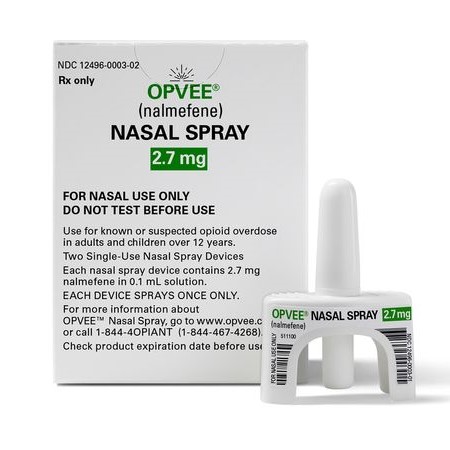
Opvee (nalmefene) opioid antidote

Opvee (nalmefene) is a nasal spray used to reverse opioid overdoses by blocking mu-opioid receptors in the brain, restoring breathing and consciousness. It lasts longer than naloxone, making it useful for potent opioids like fentanyl. Side effects may include nausea, headache, and withdrawal symptoms. While effective, Opvee is currently more expensive and less widely available … Read more

Non-Invasive Neurostimulation

Non-invasive neurostimulation devices like TMS and tDCS offer promising, safe ways to reduce addiction cravings by targeting brain activity without surgery. They offer benefits such as minimal side effects, but face challenges including high costs and variable effectiveness. Ethical concerns include informed consent and fair access. Individuals can use self-management and healthcare consultations to decide … Read more

Drug Memories lead to Relapse

Permanent drug memories create strong links between drug experiences and cues, triggering cravings that often lead to relapse. These memories involve brain regions such as the dopamine system, the hippocampus, the amygdala, and the prefrontal cortex. Effective management combines self-help techniques, supportive family environments, and community resources such as therapy and peer groups to reduce … Read more

Sleep affects Opioid Detoxification

Sleep issues are common during detoxification, caused by disruptions in brain pathways that regulate neurotransmitters like GABA, dopamine, and serotonin. These changes often lead to insomnia and poor sleep quality. Managing sleep problems involves self-care practices such as good sleep hygiene, family support in creating a stable environment, and community resources, such as counseling and … Read more

Forced Withdrawal Factors

Withdrawal motivation during forced addiction treatment is influenced by social support, addiction severity, and stress perception. Strong social support can ease distress and boost engagement, while severe addiction and high stress levels often reduce motivation and increase resistance. Understanding these factors is key to providing humane, person-centered care that supports long-term recovery, even in compulsory … Read more