Dating apps have completely changed the way people meet, mingle, and look for love—or just someone to chat with late at night. Swiping has quickly become a major part of how people in all age groups handle dating. With all this access to endless potential matches, it’s easy to wonder if dating apps can become more than just a casual habit. Can people really get addicted to dating apps? I’ve spent a fair bit of time digging into how these apps work, how they pull people in, and what separates healthy dating from an obsession that can feel tough to break.
The Rise of Dating Apps and Their Power
Dating apps have exploded in popularity over the last decade. According to Pew Research Center, about three in ten adults in the United States have used a dating site or app. Apps like Tinder, Bumble, and Hinge are now part of the dating scene for both younger and older adults alike. There’s never been such instant access to meeting people who you might otherwise never have crossed paths with.
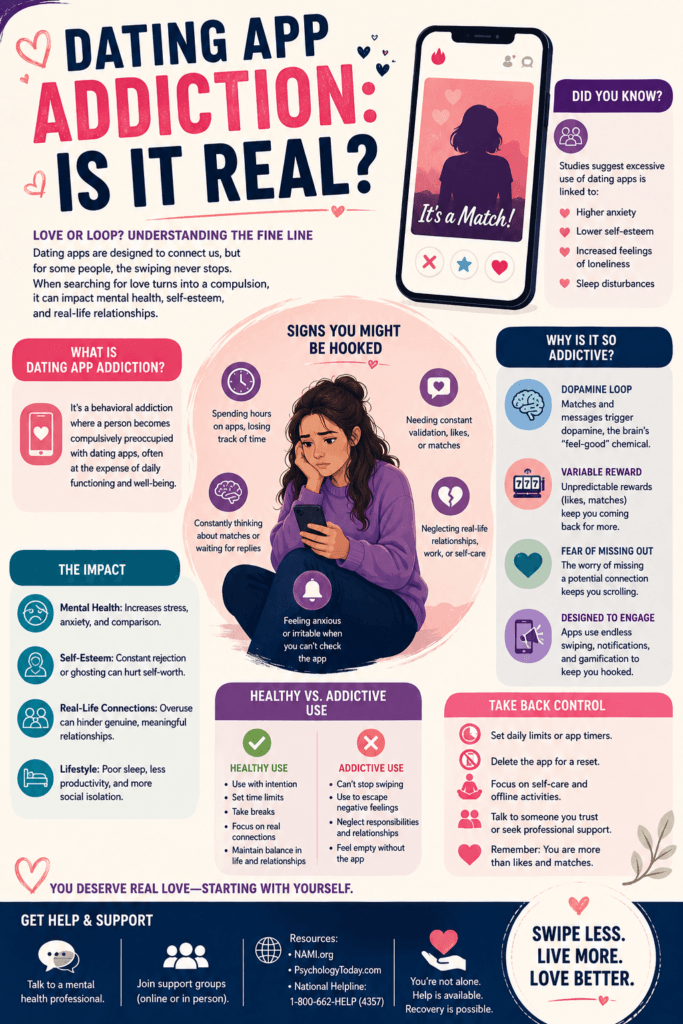
What makes these apps so appealing is their gamified design. Swiping right or left, getting instant feedback on matches, and chatting with new people all combine to deliver a mix of anticipation and reward. Psychologists explain that this pattern lights up the brain with small dopamine hits, just like any other activity that’s both fun and a bit of a gamble. It makes the whole experience kind of addictive, much like checking social media or playing slot machines.
These apps keep people coming back, even when no amazing matches turn up, just for the hope of the next “ping” or message. Especially for anyone feeling a bit lonely, bored, or just wanting a bit of attention, dating apps can fill a gap, at least for a while.
Understanding What Dating App Addiction Really Means
I hear the word “addiction” tossed around pretty loosely, especially in the context of technology. But when it comes to dating apps, the line between passionate use and a more compulsive habit can start to blur. Dating app addiction refers to repeatedly logging in and swiping, even when the experience feels more frustrating than fun or starts getting in the way of other parts of life.
This kind of compulsive behavior happens when checking for matches or messages becomes automatic. People may feel anxious when they can’t get online or disappointed when there’s no new conversation waiting. Over time, the chase for “likes” or validation can outweigh the original goal of finding a real connection.
Psychologists sometimes call this a “behavioral addiction”; it’s not the same as substance abuse, but it’s still tough to shake. It shares similarities with gaming or shopping addiction, where the excitement comes from the process rather than the outcome.
- Constant Swiping: Feeling the urge to check the app dozens of times a day, even in the middle of work or social events.
- Anxiety Without Access: Getting restless or having sharp mood swings if you can’t get online.
- Neglecting Real Life: Skipping out on responsibilities or time with friends to spend more time swiping or chatting.
- Chasing Validation: Feeling “better” only when a new match or message comes through, like a quick mood boost.
How Dating Apps Get People Hooked
The design of dating platforms isn’t just about connecting people; it’s engineered to keep you coming back. Here are some features that make apps pretty hard to put down for some users:
- Reward Loops: Similar to slot machines, dating apps rely on unpredictability. A surprise match triggers a reward: a rush of dopamine.
- Endless Possibilities: New users pop up constantly, creating the sense that someone even better could be one swipe away.
- Social Proof: Likes or messages make desirability very visible, driving people to keep swiping for more approval.
- Short-Lived Conversations: When talks fizzle, there’s always an option to start a chat with someone brand new.
I’ve known folks who install, delete, and reinstall dating apps in cycles, always thinking the next round will be different—a classic sign of feeling stuck and hoping for better luck.
When Healthy Dating Turns Into Obsession
Healthy dating app use means logging on with a purpose and putting the phone down when other things need attention. It becomes more obsessive when apps start getting in the way of work, studies, or personal well-being.
Here are some signs to watch for:
- Time Black Hole: Scrolling and swiping for hours, then realizing the whole evening has disappeared.
- Mood Swings: Getting really excited by matches, but sinking into disappointment when there’s no new attention.
- Neglect: Letting friendships, family, or personal goals slide because all the energy is going into dating apps.
- Feeling Stuck: Logging in feels more like a chore than something you want to do.
It’s very easy to get caught in the loop of wanting more matches or validation. If the process starts to feel empty but is hard to stop, it might be time to step back and rethink how the app fits into daily life.
Tips for Keeping Dating App Use Healthy
There’s nothing wrong with enjoying the convenience and variety dating apps offer. But I’ve found that a few practical steps make a big difference in keeping the experience positive and under control for most people. Here are some suggestions you might find helpful:
- Set Limits: Decide in advance how long you’ll spend on apps each day. Some people even use timer apps or phone settings to help cut back.
- Mix It Up: Spend more time on real-world hobbies or interests that help you meet new people in person if that’s something you want. Consider attending community events, classes, or joining groups that match your interests—these can help build real connections without relying solely on the digital world.
- Pause and Reflect: If you notice mood dips or frustration increasing, try taking a short break from swiping. See if it helps reset your outlook. Sometimes spending even a day or two away from the app can make a big difference.
- Focus on Quality: Instead of endless swiping, put more energy into connecting with a few people who genuinely spark your interest. Quality conversations often lead to deeper connections than the constant pursuit of new matches.
- Talk About It: If obsessive use feels hard to control, chatting with a friend or mental health professional can give some outside perspective. Sometimes, sharing your experiences can help reduce feelings of isolation or embarrassment.
Challenges and Misconceptions About Dating App “Addiction”
Calling dating app use an addiction can sometimes make people feel ashamed or worried. It’s worth pointing out that heavy use doesn’t always mean there’s a real problem; sometimes people are just excited about meeting someone new.
- It’s Not All Bad: Plenty of meaningful relationships and marriages start online, and for some folks (especially in busy or rural areas), apps make dating possible. They allow individuals to broaden their social circles beyond what was once possible in smaller communities.
- Temporary Phases: Using dating apps a lot for a short period, such as after a breakup, can be normal. What matters is how you feel about your habits over time. Life transitions can temporarily boost app activity, but usage often slows once things settle.
- Addiction Is Complex: True behavioral addiction gets in the way of living life fully. If it’s not causing distress, it’s probably just a passionate hobby or interest.
Recognizing Real Life Impact
Listening to how people describe their experience with these apps really helped me understand the difference between heavy use and something more unhealthy. If dating apps leave you feeling more anxious, drained, or regretful than connected or excited, that’s a good sign to pause. Keeping an eye out for negative emotional changes is key to making sure dating remains a positive adventure.
Support and Resources
If stepping back from dating apps feels really tough, reaching out for help isn’t a bad idea. Mental health professionals can help make sense of obsessive habits and offer practical ways to regain control. Organizations like the Anxiety and Depression Association of America (ADAA) and local therapy clinics often offer advice on balancing technology use for overall well-being.
Frequently Asked Questions
Can dating app use be a real addiction?
Experts say it can qualify as a behavioral addiction if it causes distress or starts interfering with other parts of life. Signs include compulsive checking of apps, mood swings tied to getting matches, and neglecting other responsibilities or relationships. If these habits feel hard to control, talking to a professional is a helpful next step.
How can I tell if my use of dating apps is unhealthy?
Watch for patterns like spending hours a day on apps, feeling anxious when you’re offline, or letting real friendships slide because of swiping. Self-check-ins or asking friends for their honest perspective can help spot early warning signs.
Will deleting the apps fix the issue?
Deleting the apps can be a good short-term solution, but if the urge to reinstall returns quickly, or if the feelings behind the app use (like loneliness or boredom) haven’t changed, it can be helpful to address those needs with offline solutions or professional advice.
Finding Balance With Dating Apps
Dating apps offer a nearly unlimited stream of chances to connect, flirt, and maybe even meet a future partner. They’re built to be engaging, and for some people, that engagement can become tough to manage. Listening to your own feelings and being honest about how the experience affects your life is really important. Setting boundaries, mixing up how you meet people, and reaching out for support if things feel off help keep dating fun, not frustrating.
If dating apps start feeling more exhausting than exciting, there’s nothing wrong with stepping back for a bit. The real world, with all its messiness and surprise moments, is always worth checking out too!
Video: The Truth About Dating Apps: Why You Can’t Look Away