Most people recognize that what you eat affects your mood and energy, but not everyone realizes that your diet also shapes how much you crave alcohol. When you find yourself reaching for a drink and wonder why, your recent meals play a much bigger role than you might think. I’m breaking down the science, sharing tips, and going over what to watch for; knowing how diet connects to alcohol urges can make changing habits a lot easier.
Understanding the Link Between Food and Alcohol Urges
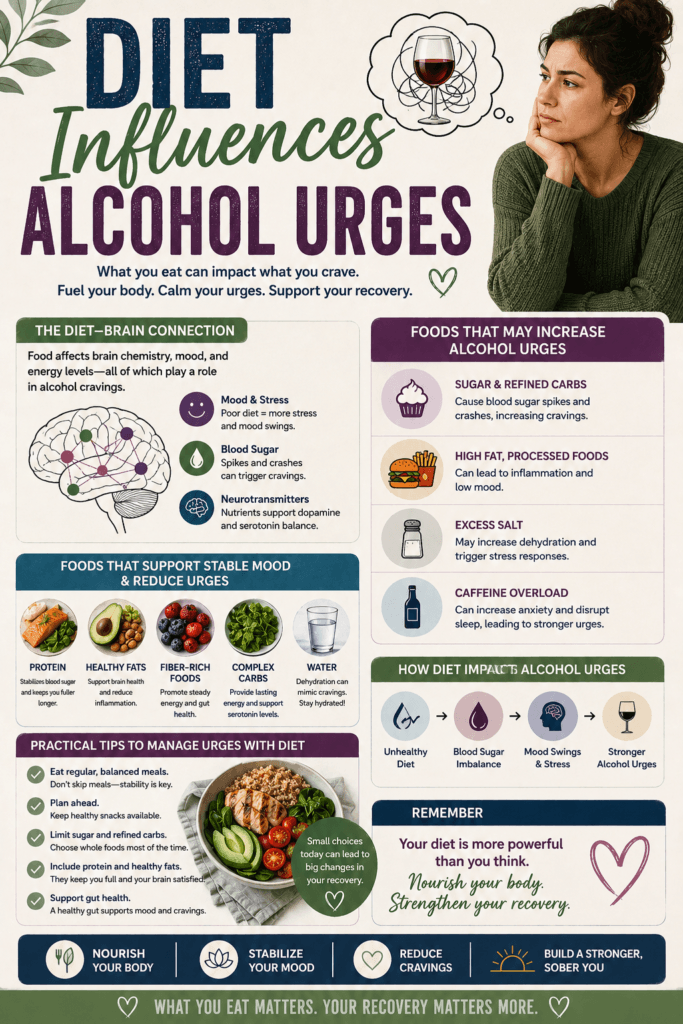
The connection between nutrition and the urge to reach for a drink isn’t just about willpower. It comes down to real changes in your body and brain. The foods I eat can directly impact my blood sugar, influence how my brain regulates cravings, and even affect my gut health. All of these set the stage for how likely I am to want alcohol.
Researchers have shown that certain diets, especially those high in processed carbs or low in protein, can trigger stronger alcohol cravings. For example, when I eat a sugary snack, my blood sugar spikes and then drops quickly, leaving me feeling tired or irritable. That’s when reaching for alcohol can look tempting because it may promise a quick mood boost or sense of relief.
How Blood Sugar Swings Drive Cravings
Blood sugar has a huge impact on alcohol urges. Eating lots of refined sugars, skipping meals, or loading up on simple carbs can make blood sugar levels swing up and down. When your blood sugar drops suddenly, your brain may seek out things that will quickly bring it back up, such as alcohol.
For example, on days when I forget my lunch, I grab a candy bar and notice I’m more tempted to pour a drink. That’s because alcohol, much like sugar, is rapidly absorbed and can offset a low, droopy feeling caused by low blood sugar. Managing these ups and downs by eating regular, balanced meals reduces how often my brain sends out a “craving” alert.
- Tip: Keep snacks like nuts or yogurt nearby to avoid crashes that might lead to alcohol urges later in the day.
- Why this helps: These foods provide protein and healthy fats, which slow the rate at which sugar enters your bloodstream, helping keep your mood more stable.
Gut Health and the Alcohol Connection
Your gut does more than just digest food; it’s loaded with bacteria that actually talk to your brain. A diet high in processed foods, added sugars, and alcohol can disrupt the balance of these bacteria, making cravings harder to control.
If I load up on veggies, fiber-rich foods, and fermented foods like kimchi or kefir, I’m helping my gut grow healthy bacteria that help calm my cravings. There’s even evidence that these gut bacteria help regulate dopamine, the “feel-good” brain chemical released when drinking. By supporting my gut, I experience fewer sudden urges to grab a drink just to feel better.
To add to this, paying attention to prebiotic foods—like garlic, onions, asparagus, and bananas—can give even more support to your gut bacteria. Including a variety of these foods in your meals can further help steady your cravings and support better digestion and mood.
Proteins, Fats, and Nutrient Deficiency: Why They Matter
Proteins and healthy fats are really important for taming alcohol cravings. When I eat a meal with protein (think chicken, tofu, or eggs) and add in healthy fats (like avocado or olive oil), my body has the slow, steady fuel it needs to avoid the spikes and crashes that usually trigger cravings.
Alcohol can also rob the body of certain nutrients, especially B vitamins and magnesium. If I’m running low on these nutrients because my diet isn’t varied or because drinking has already depleted them, I’m more likely to feel anxious or restless. These are two feelings that often make alcohol look extra appealing.
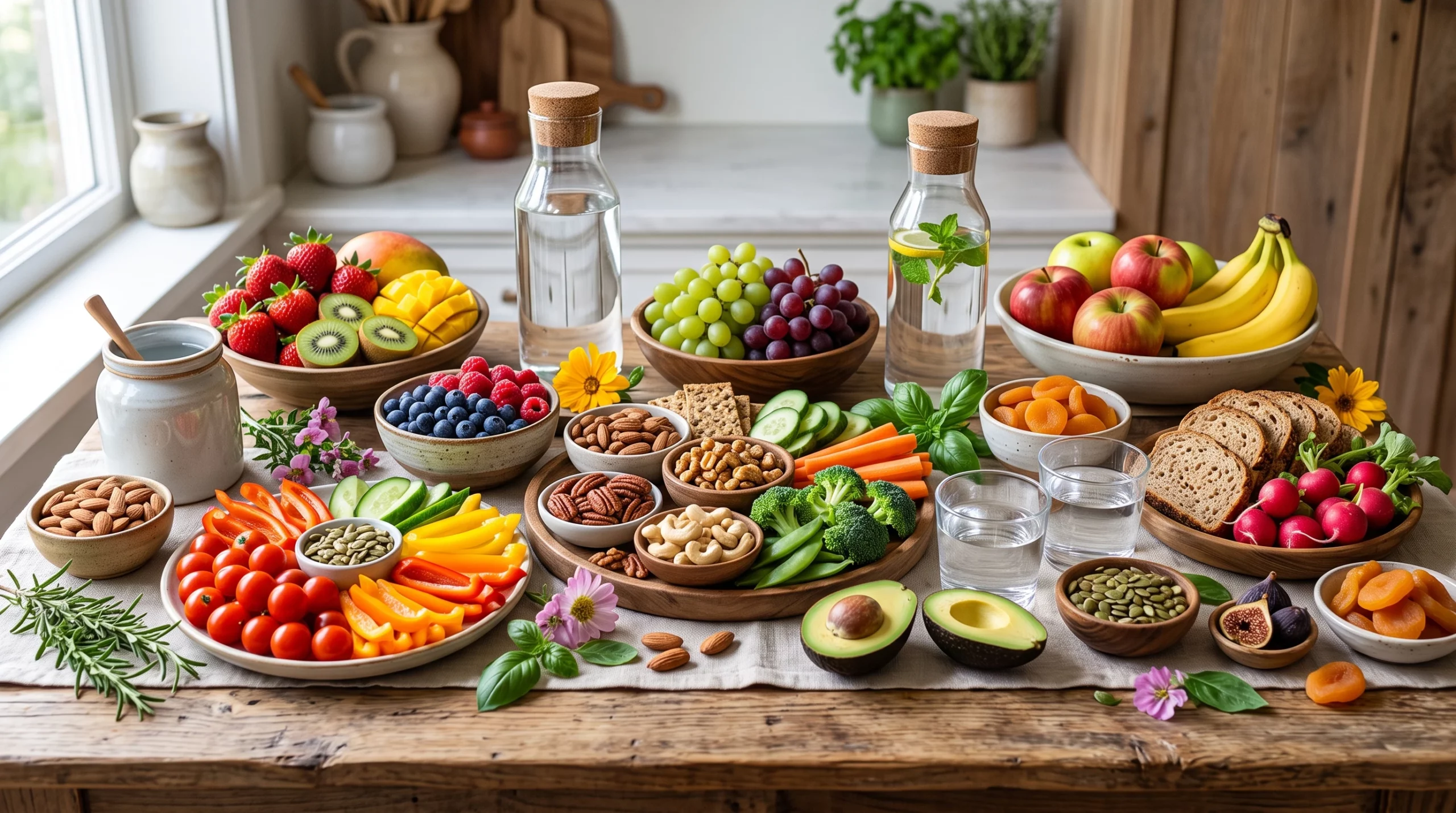
- Focus foods: Lean proteins, eggs, avocados, nuts, seeds, leafy greens, and whole grains provide long-lasting energy and important nutrients.
- Watch out for: Diets high in white bread, soda, pastries, and processed snacks. These don’t satisfy hunger long-term and can mess with nutrient balance.
Emotional Eating and Triggers
What I eat can affect how my brain handles stress. Foods high in sugar and lacking in nutrients contribute to bigger mood swings and make me more sensitive to stress. When stress runs high, old habits, like reaching for a drink, feel even harder to resist.
If I build my meals around real, whole foods and keep my blood sugar balanced, I find it much easier to handle stress or boredom without turning to alcohol. Nutrition doesn’t erase emotional triggers, but it makes them a lot easier to handle calmly.
Easy Dietary Changes That Make a Real Difference
Finding ways to eat that actually work for you matters way more than following the trendiest diet. Here are a few changes I’ve found most useful for reducing alcohol urges:
- Eat consistent meals: Skipping meals leaves you vulnerable to low blood sugar and higher cravings later in the day.
- Balance each plate: Include a mix of protein, healthy fats, and fiber-rich carbs to keep energy steady.
- Aim for color: More colors on your plate often mean a wider variety of vitamins and minerals. These nutrients help relax your nervous system and balance your mood.
- Stay hydrated: Thirst is often mistaken for hunger (or a craving in general). Drinking water, herbal teas, or sparkling water keeps me feeling good throughout the day.
- Watch the caffeine: Too much coffee or energy drinks can spike anxiety and make cravings harder to manage.
Trying out meal prepping or planning ahead can also make it easier to stick to healthy meals and avoid last-minute choices that might lead to cravings. Even prepping grab-and-go snacks ahead of your busiest days can help set you up for success.
Common Barriers and How to Handle Them
- Busy schedule: If I’m rushed, I plan out a few easy snacks, like trail mix, baby carrots, or cheese sticks, and keep them handy.
- Social pressure: Eating before events where alcohol is served makes cravings easier to ignore. A full stomach means alcohol absorbs more slowly, and the urge isn’t as strong.
- Latenight eating: Going to bed hungry can trigger
Example Snack Combos
Here are some practical snack ideas that work well for me personally:
- Hummus with sliced cucumbers and carrot sticks
- Greek yogurt with berries and almonds
- Wholegrain toast with nut butter and banana slices
- A small handful of roasted pumpkin seeds
Experimenting with these snacks can keep things interesting and prevent boredom, which can also trigger cravings.
Gut and Brain: How Diet Changes Feel Day-to-Day
Eating nutrient-rich foods doesn’t just change cravings overnight. Most people (myself included) notice a difference within a few days to a week. I used to feel wiped out at 4 pm and reach for something sweet or a drink; now with regular meals, I just don’t feel that same drop.
If you try adding more whole foods and pay attention to regular meals, you might also notice changes in sleep, mood, and focus. Each of these improvements can cut down on alcohol urges, making everything a bit more manageable. The best part is you don’t need to overhaul your diet all at once. Small changes repeated over time work best.
Listening to your body’s signals regarding hunger or fullness and acting accordingly can help you pick up on new patterns that work for you. Journaling about what you eat and how you feel may also help you track down connections between certain foods and cravings.
Frequently Asked Questions
Question: Can eating better really reduce my cravings for alcohol?
Answer: Yes. Keeping blood sugar stable, eating enough protein, and getting key nutrients helps you feel steady throughout the day. The more balanced your nutrition, the less likely sudden alcohol urges are to pop up.
Question: Are there specific foods that worsen cravings?
Answer: Sugary foods, superrefined carbs like white bread, and processed snacks can all trigger bigger swings in blood sugar, leading to stronger cravings.
Question: Is it harder to manage cravings during stress or emotional days?
Answer: Absolutely. Stress can trigger all sorts of cravings. Eating balanced, regular meals with enough nutrients makes it easier to handle stress without turning to alcohol.
Question: Do supplements help?
Answer: Sometimes. If you can’t get enough B vitamins, magnesium, or zinc from your diet, supplements can help restore balance. Always talk to a healthcare provider before starting something new.
Final Thoughts on Taking Charge of Your Diet and Cravings
Paying attention to what I eat has a bigger impact on my alcohol urges than I realized. It’s not about cutting out entire food groups or following rigid rules. It’s more about nourishing my body consistently so I’m less tempted to use alcohol as a quick fix. Small, steady shifts in eating habits can powerfully reduce cravings and help you feel more in control.
Tuning into what your body needs, and responding with foods that support your gut, brain, and blood sugar, puts you in a much better spot to handle alcohol urges. The benefits stretch far beyond cravings; they touch every part of how you feel day in and day out.
Video: Sugar Crashes Destroy Your Recovery (Do This Instead) #health #nutrition #shorts