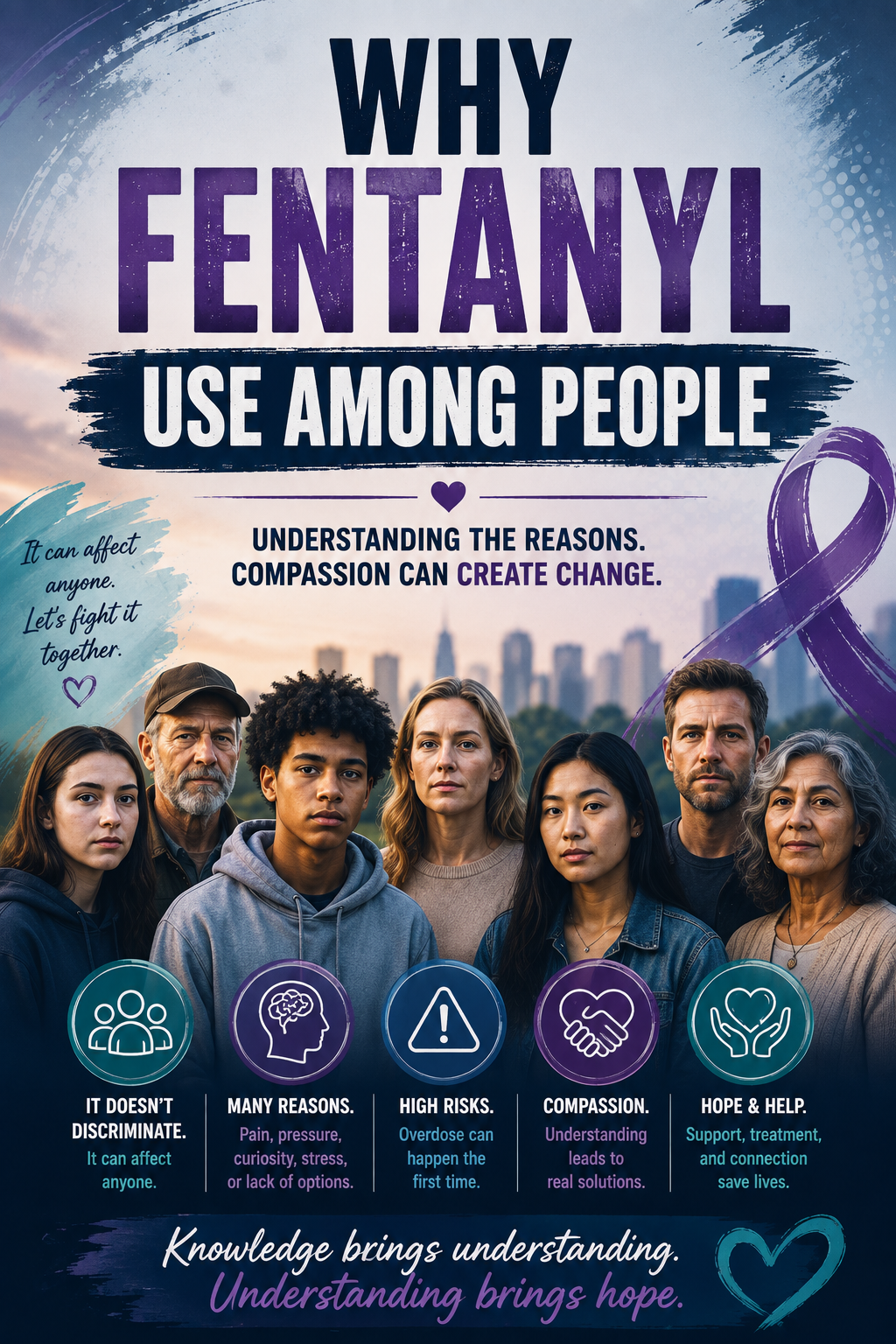
Teens today are facing a tough environment loaded with new pressures, and one of the biggest concerns coming up is the rise in fentanyl use among young people. Fentanyl is a powerful synthetic opioid that’s far stronger than other opioids you may have heard about. The scary thing is, more teens are either using it directly or being exposed to it by accident because it’s often mixed into other drugs. I’m going to break down why teens are turning to fentanyl, what makes it so risky for this age group, and how families and communities can work together to support better decisions.
What Makes Fentanyl So Dangerous for Teens?
Fentanyl is way more potent than drugs like heroin or prescription painkillers. It’s incredibly easy to overdose on, especially since users might not know how much they’re taking or if it’s mixed into something else. Teens may not always understand these risks, or they might be unaware that fentanyl can be present in pills or powders that look totally normal. Even a tiny amount can turn deadly. This trend in teen use is really important for everyone to pay attention to because of the severe consequences associated with accidental exposure.
According to the CDC, overdose deaths involving synthetic opioids, which include fentanyl, have skyrocketed in recent years. In some cases, teens think they’re just using prescription painkillers or Xanax, only to find out too late that fentanyl was hiding in those pills. Understanding exactly why this is happening helps us find better ways to protect young people and offer helpful support instead of just punishment or scare tactics.
Another factor that makes fentanyl especially risky is its unpredictability. Pills laced with fentanyl often look identical to legitimate medications. This puts teens at a higher risk of overdosing, not realizing the strength and contents of what they are taking. Due to its strength, medical professionals sometimes face challenges even when trying to save lives in overdose cases, so being informed is crucial to prevention.
Common Reasons Teens Start Using Fentanyl
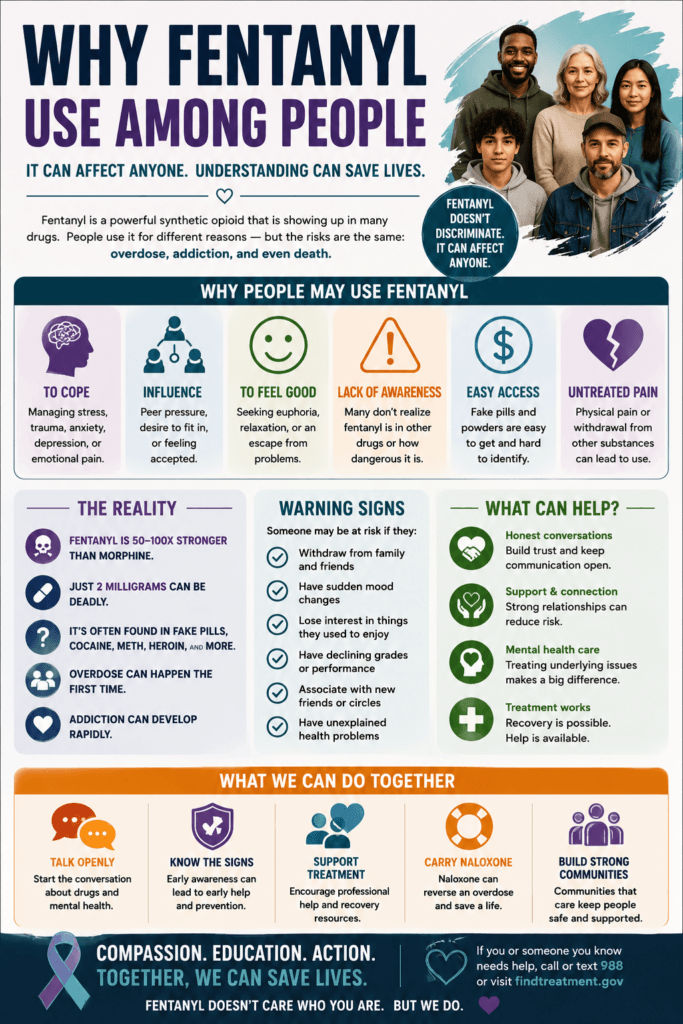
The reasons teens turn to fentanyl are pretty complex. It’s usually not about wanting to chase the most intense high; there are lots of layers. Here’s what I’ve seen and what research shows are the most common reasons:
- Dealing With Stress: School, relationships, and expectations from adults can create nonstop pressure. Some teens say using substances gives them temporary relief or an escape from problems that feel overwhelming.
- Curiosity and Experimentation: Teen years are all about new experiences. When someone in their circle is trying something risky, others may follow along just to see what it’s like.
- Peer Influence: Seeing friends or older kids use something can create real pressure to join in. For some, refusing might risk social acceptance.
- Easy Access: Fentanyl is making its way into communities in all sorts of forms, from fake pressed pills to laced street drugs. Teens don’t always know what they’re getting, and the probability of encountering fentanyl is much higher now than in years past.
- Hidden Mental Health Struggles: Anxiety, depression, or trauma sometimes go unnoticed or untreated, so teens turn to substances to self-medicate.
Some teens might also be dealing with loss or changes at home, bullying, or the impact of social media. The evolving landscape of teen life means pressures are always changing, and substances might seem like an escape or coping tool, especially if healthy outlets and support aren’t easily available.
How Fentanyl Finds Its Way Into the Lives of Teens
Most teens aren’t directly seeking out fentanyl at first. The way fentanyl enters a young person’s life can be sneaky. Here’s how it tends to happen:
- Laced Street Drugs: Pills bought online—like those meant to be Adderall, Xanax, or Oxycodone—might be fake and packed with fentanyl. Teens might think they’re taking something safer, but they end up with a much higher risk.
- Party or Social Gatherings: Shared pills, powders, or even vape liquids can be laced. In group settings, there’s less awareness of what’s being used, which adds another layer of risk.
- Online Drug Sales: Apps and social media have made it easier for fake pills to circulate. The packaging looks legit, so it spreads into schools and neighborhoods fast.
Fentanyl’s presence in seemingly harmless drugs is one of the main reasons it’s so hazardous. Sometimes, teens might accept a pill from a friend without questioning its origin, not knowing it could contain a lethal dose. This unpredictability makes even experimenting a high-stakes risk, underscoring the importance of spreading awareness and supporting safe decision-making.
Warning Signs Parents and Caregivers Should Watch For
It’s super important for parents and supportive adults to know what to look for without jumping to conclusions or creating shame. Some warning signs that a teen might be at risk for fentanyl use or exposure to laced drugs include:
- Sudden changes in friends or social activities
- Losing interest in hobbies or schoolwork
- Changes in sleep, appetite, or personal hygiene
- Secretive or withdrawn behavior
- Missing prescription pills or finding unfamiliar ones
- Unusual smells, wrappers, or paraphernalia
Many of these can be normal parts of teen life, so having open, honest conversations is better than searching for evidence. Building trust is far more effective than surveillance. In addition, creating a supportive environment at home makes it easier for teens to talk to adults about what they see or experience among their peers.
Challenges Teens Face With Prevention and Recovery
Stopping fentanyl use among teens isn’t as simple as telling them to “just say no.” Some challenges they run into include:
- Lack of Accurate Info: Myths about drug safety or what’s in a pill spread fast, while up-to-date, accurate information can be harder to find.
- Mental Health Stigma: Young people might avoid asking for help for fear of being labeled or dismissed.
- Limited Access to Treatment: Teens may not have a way to see a counselor or join recovery programs, especially if they don’t want their family to know.
- Fear of Consequences: The threat of punishment sometimes stops teens from seeking help during an overdose or when they’re worried about someone else.
Add to this the lack of youth-focused recovery programs and the difficulties in getting confidential, teen-friendly medical care. When community resources are limited—or teens are worried about their reputation—reaching out for help becomes a real hurdle. This is why family, school, and community support networks are so important for improving outcomes.
Practical Ways to Support Teens
Supporting teens means giving them real information, safe spaces to talk, and tools for making better choices. Here are some ideas I’ve seen work well:
- Nonjudgmental Conversations: Create an environment where teens feel comfortable asking questions about fentanyl and other drugs without fearing they’ll get in trouble. Listening is often more powerful than lecturing.
- Education That’s Honest and Direct: Fact-based, age-appropriate education about opioids, the risks of laced substances, and signs of overdose makes a big difference. Many schools and community organizations are now bringing in experts and speakers with lived experience to share honest stories and actionable advice. SAMHSA offers solid information and resources.
- Encouragement to Seek Help: Sharing stories of people who’ve successfully reached out for help can make it less intimidating. Remind teens that resources exist, and there’s no shame in using them.
- Access to Naloxone: Naloxone, also known as Narcan, can be a lifesaver in opioid overdoses. Some communities offer training and free kits for teens and families. Being prepared, even if you think it could never happen, is a practical step.
Consider connecting with local health organizations, online groups, or school counselors to find reliable support options. Encouraging openness wherever possible gives teens the tools they need to make informed, safer decisions in difficult moments. Building a supportive network of trusted adults and mentors can make a huge difference too.
Real-World Stories and Examples
I’ve met teens and families who never imagined fentanyl would impact their lives. Some stories involved athletes who hurt themselves and started with prescription pills, or kids who simply wanted to try what their friends were using one night. The thread that runs through every story is that it happened unexpectedly and fast. Awareness is vital, but so is support—for every teen who’s at risk, there’s the possibility for change, recovery, and hope when adults approach with empathy.
Many parents and teens have described feeling isolated and scared, unsure where to turn. But there are examples of recovery—teens who, after close calls, sought out therapy, participated in recovery programs, or got involved in new hobbies that connected them with positive peers. These stories show that overcoming fentanyl isn’t just about avoiding drugs, but about helping young people find connection, purpose, and hope for the future.
Frequently Asked Questions About Teen Fentanyl Use
Question: Can a teen overdose by accident, even if it’s their first time?
Answer: Yes, because fentanyl is so strong, an inexperienced user can overdose from a small dose, especially if they didn’t know fentanyl was present.
Question: What’s the safest way to talk to my teen about fentanyl?
Answer: Use a calm, open approach. Focus on what you’ve learned about the risks, and ask what they know or have seen at school. Making the conversation ongoing instead of a one-time talk builds more trust over time.
Question: How can schools help reduce fentanyl risk?
Answer: Schools can provide education about the reality of opioid risks, work with local health agencies, and offer support resources for students. In some areas, schools now host forums with healthcare professionals or offer naloxone training, which increases awareness and safety.
Resources for Families and Teens
There are more resources than ever to help teens, parents, and others learn about fentanyl and opioid risks. Trusted sites worth checking out include the National Institute on Drug Abuse and your local health department. You’ll find current info, warning signs, helplines, and even stories from people who’ve recovered. Other notable resources include text hotlines and online support communities that offer immediate guidance and connection during crises.
Even though the rise in fentanyl is scary, staying alert, having honest talks, and knowing where to find help give teens and families more power to tackle these challenges together. Spreading awareness and keeping support systems open and judgment-free can make all the difference in keeping young people safe.
Video: The Hidden Dangers of Fentanyl: What Every Teen Needs to Know