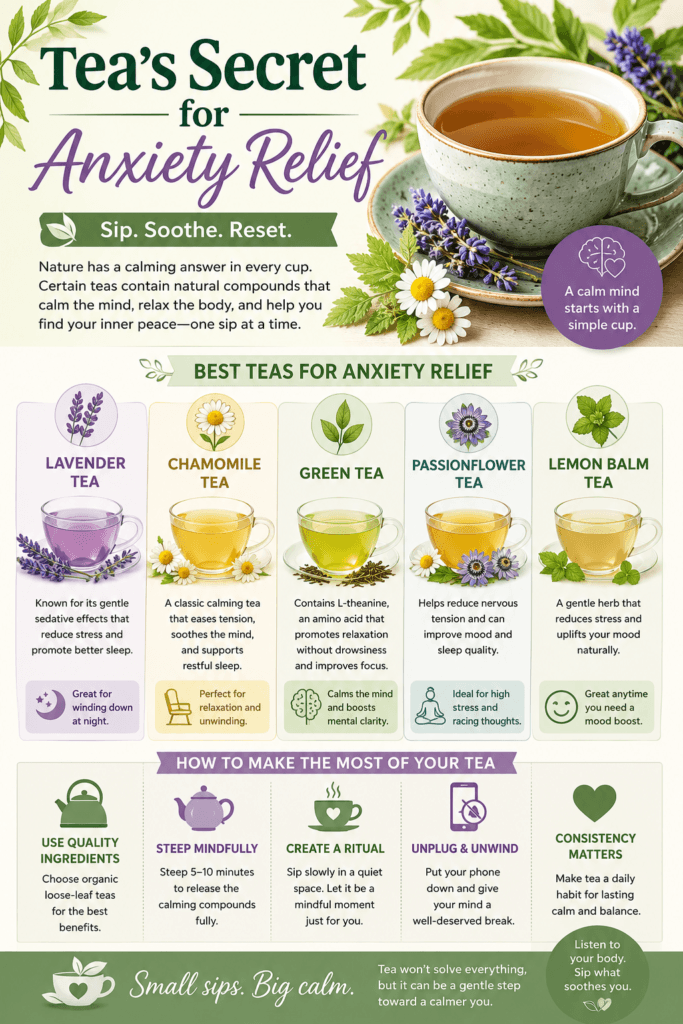
If you’ve ever sipped a cup of tea and noticed your mind feels a bit calmer or clearer, you’re certainly not alone. There’s something unique about tea, especially in how it affects the brain. For people in recovery from anxiety, tea’s relaxing vibe can seem almost magical. The real hero here is an amino acid called L‑theanine. I’m here to break down why tea makes your brain feel different, how L‑theanine works, and why it’s catching attention for easing anxiety, especially during recovery.
Why Tea’s Brain Effects Stand Out
Tea isn’t just about taste or a relaxing ritual; it’s packed with compounds that provide a gentle energy lift and a unique sense of calm. While coffee often brings a burst of energy, sometimes spiking anxiety, tea usually offers a smoother, more balanced feeling. This is mostly thanks to the way L‑theanine and caffeine interact in tea leaves.
L‑theanine, found almost exclusively in green and black tea, can cross the blood-brain barrier. That means it actually reaches your brain and starts influencing how you feel. In recovery, especially when anxiety is part of the mix, this makes tea a pretty comforting choice if you want to give your nerves a break and support a steady mindset.
Meet L‑theanine: Tea’s Secret Ingredient for Calm
L‑theanine is a naturally occurring amino acid that’s tough to find outside of tea leaves (and a rare mushroom or two). When I checked out how L‑theanine affects the brain, it became clear why a warm mug of tea can help ease a racing mind and support steady nerves during healing.
- Boosts alpha brain waves: These brain waves are associated with feeling relaxed yet alert, such as during daydreaming or gentle meditation. L‑theanine helps your brain slip into this state, which can feel really soothing and settle your nerves if anxiety is high.
- Helps manage “stress” chemicals: Theanine helps lower cortisol levels, a hormone your body pumps out when you’re stressed or anxious. Lower cortisol levels mean a calmer mood and body.
- Makes it easier to focus: Unlike sedatives, L‑theanine lets you dial back anxiety while still feeling sharp and attentive. That’s a pretty rare combo and can make facing tricky days a little more manageable.
Research shows that even a single dose of L‑theanine (typically 50–200 mg; there’s about 8–30 mg in a standard cup of tea) can help reduce stress and build focus, even during mentally demanding tasks. That’s pretty useful when you’re working through recovery and looking for healthy ways to manage anxious thoughts or jitters.
How L‑theanine May Help Anxiety in Recovery
Anxiety and recovery often go hand in hand. Whether you’re recovering from substance use, chronic stress, or periods of emotional overwhelm, your nervous system can be all over the place. For me, finding simple, non-medicinal ways to take the edge off makes all the difference. L‑theanine offers a natural option worth checking out if you want to ease tension gently.
- Brings a calming effect without drowsiness: Unlike medications that come with unwanted side effects, L‑theanine can take down feelings of panic or restlessness without making you feel tired or out of it. You stay present and aware.
- Supports better sleep: While it doesn’t knock you out, research shows L‑theanine can help improve sleep quality, especially if anxiety keeps you up at night. A calmer evening usually leads to deeper rest and smoother mornings, which matters in recovery.
- Can smooth out caffeine jitters: If you love a bit of caffeine but hate the anxious buzz, L‑theanine is great at balancing out caffeine’s rougher edges. Tea, as opposed to coffee, provides a smooth energy lift with a lower risk of feeling on edge.
One study published in Nutrients found that people who took L‑theanine reported feeling less stressed and more relaxed than those in the placebo group. This effect can be even stronger for folks going through the anxiety that often comes along during recovery.
Tips for Getting the Most Out of L‑theanine in Tea
Getting enough L‑theanine from a single cup of tea isn’t going to solve everything, but there are a few ways to make the most of its calming benefits:
- Choice of L‑theanine. Shaded teas, where the plant grows in less direct sunlight, tend to have even more.
- Brew with care: Hotter water can extract more antioxidants, but steeping green tea at around 160–180°F helps maintain higher L‑theanine levels. Letting the leaves steep slowly helps, too.
- Combine with mindfulness: Drinking tea slowly and staying aware of its flavors, aroma, and warmth can enhance its calming effect. This mindful approach can also help reinforce good habits in recovery.
- Consistency makes a difference: Drinking tea regularly (rather than just one random cup) is how most people in studies achieve the best results for anxiety and focus. Making it a daily routine brings more benefits over time.
Potential Hurdles and Considerations
L‑theanine in tea is widely considered safe, but there are some things to keep in mind, especially if you’re in recovery:
- Caffeine content: If you’re sensitive to caffeine, some teas may still make you jittery. Herbal teas don’t have real L‑theanine, so the benefits aren’t exactly the same. Decaf tea can still have some L‑theanine, but less than regular teas.
- Tea quality matters: Lower quality teas may have less L‑theanine and more contaminants. Going for loose-leaf instead of dusty bagged teas is usually a safer bet and often tastes better, too.
- Don’t skip medication guidance: Tea and L‑theanine are great for mild anxiety, but if you have a more severe anxiety disorder or are already on medication, talk to a healthcare professional before making changes. It’s all about working together for safer recovery.
What About L‑theanine Supplements?
If you want a higher or more controlled dose, supplements can be handy. For lots of folks, tea is a comforting, daily ritual, but supplements (usually found in 100–400 mg capsules) might be helpful if you don’t want to brew tea every day. If you’re considering supplements, always look for third-party tested brands to avoid fillers and impurities.
Pairing with Other Relaxing Ingredients
Some teas are blended together with relaxing herbs like lemon balm, lavender, or chamomile. While these don’t add extra L‑theanine, they can boost calm and bring soothing new flavors, which is always a plus during recovery. Experiment with blends to find what feels good for your routine.
How Tea and L‑theanine Fit Into Real World Recovery Routines
When anxiety flares up, especially during recovery, creating small routines helps a lot. Making tea a daily ritual can be part of a bigger plan for managing stress. Here’s why I find it really useful:
- It creates pause and structure: The simple act of making tea provides a mindful break, letting you reset before anxious thoughts take over. Sometimes these small pauses are exactly what’s needed to get through tough moments.
- It’s a healthy option when cravings hit: Swapping a cup of tea for old habits offers something positive to reach for. Drinking tea can help distract from urges by giving your hands and mind something to do.
- Great for connecting socially: Sharing tea with others encourages connection, which is super important if you’re feeling isolated in recovery. A shared cup offers comfort and conversation.
The sense of focus and calm from L‑theanine makes it easier to practice breathing, try journaling, or just sit comfortably with your thoughts. It’s a really simple way to give your brain and mood a boost day after day and make room for mindful habits in your recovery journey.
Frequently Asked Questions About Tea, L‑theanine, and Anxiety in Recovery
Here are some questions I get a lot from readers or clients who are new to using tea for anxiety during recovery:
Question: Does all tea have L‑theanine?
Answer: No, only green, black, white, and oolong teas (all Camellia sinensis leaves) naturally contain L‑theanine. Herbal teas, such as mint or rooibos, do not contain L‑theanine.
Question: How quickly does L‑theanine in tea work?
Answer: Most people feel a subtle calming effect in about 30 to 40 minutes, but regular, daily use brings stronger results for managing anxiety over time.
Question: Can L‑theanine be used alongside medication?
Answer: Usually, but it’s always smart to check with a doctor, especially if you’re on medication for anxiety, depression, or have liver concerns. There aren’t many known interactions, but it’s best to be safe and get expert advice if you’re unsure.
Question: How much L‑theanine is in a cup of tea?
Answer: This really depends on the tea variety and how you brew it, but green tea typically has 8–30 mg per cup (200–250 ml).
Takeaways for Using Tea and L‑theanine in Your Recovery Ride
Tea is more than just a warm drink—it’s a pocket-sized tool for bringing a little more calm and clarity when anxiety tries to take over. L‑theanine works quietly behind the scenes, balancing stress without clouding your mind or causing extra side effects. For anyone trying to steer through recovery, having something as simple, affordable, and enjoyable as a cup of tea can offer real comfort and support.
I always recommend experimenting with a few types of tea, taking some time for yourself every day, and noticing how your body and mind respond. With science growing to support what tea lovers have always sensed, it’s clear that a little cup has some pretty big benefits for helping your brain feel better, especially when you need it most.
Video: The Cheapest Anxiety Fix Your Doctor Won’t Mention #tea #hack #mentalhealth