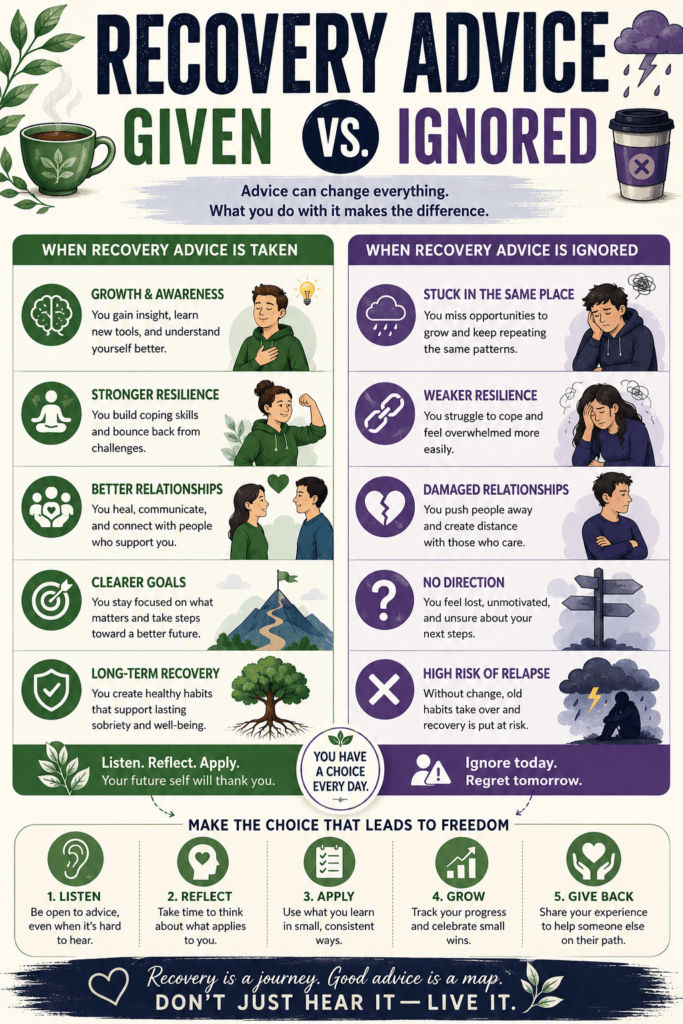
Recovering from an injury or surgery often requires patience, persistence, and realistic expectations. While guidance is available from healthcare providers, rehabilitation specialists, family, friends, and online resources, the greatest challenge is consistently putting that advice into practice. Every recovery journey is unique, but healthy habits, following your treatment plan, and staying committed to small daily improvements can make a meaningful difference. Drawing on both experience and evidence-based strategies, the following tips can support a safer, more effective recovery process.
What Recovery Advice Looks Like Today
Advice about recovery comes in all shapes and sizes. Doctors might tell you to keep your foot elevated or to take your medicines on a set schedule. Physical therapists could have you do careful stretches or exercises at home. And you can bet there’s a whole world of DIY tips out there, from ice baths to homemade splints—all topics you can check out in online forums or pick up from friends and family.
Over the years, I’ve noticed that most advice isn’t “one size fits all.” My go-to tips after a mild sprain might be all wrong for someone recovering from surgery. But there are a few main pieces of advice that seem to keep popping up no matter what:
- Rest: Taking it easy and making sure you get enough sleep.
- Medication management: Taking medicine in the right dose at the right times.
- Physical therapy: Sticking with the exercises picked for your injury.
- Nutrition: Eating foods that support healing, including protein and vitamins.
- Follow-up appointments: Not skipping those return doctor or therapy visits (even when you’d rather skip).
While all these are popular, not everyone sticks with them perfectly. And there are some pretty real reasons for that.
Why Some Recovery Advice Gets Ignored
Let’s be honest: ignoring—or just not following—advice isn’t always on purpose. I’ve felt too tired, too busy, or just a little skeptical at times to follow every step by the book. After talking with others and looking back on my own recovery, these things come up the most:
- Immediate discomfort: Doing exercises can sting, and sitting around to rest feels boring. Fear of pain or frustration with slow progress can make skipping a step seem reasonable in the moment.
- Confusion: Instructions aren’t always easy to follow, especially when packed with medical jargon or complicated routines.
- Overconfidence: As soon as symptoms get a bit better, I’m tempted to jump back into my usual activities, thinking the problem is gone for good.
- Social influences: Sometimes a suggestion from a friend or something catchy I read online sounds more appealing—even when it’s not as likely to work as my care team’s advice.
We all know the feeling of wanting to skip a day—or a week—of assigned exercises. The trouble doesn’t usually show up until there’s a setback, or pain comes back out of nowhere.
Commonly Recommended Recovery Advice (And How It’s Received)
No matter the injury, certain advice comes up time and again from professionals. Here are a few things I keep seeing, plus my own experience on which ones get followed vs. skipped:
- Rest and Sleep: Almost everyone’s told to sleep more and go easy on the injury. There’s solid science tying rest to better recovery—but it’s easy to test the limits as soon as things feel a little better. Most people feel tempted to ignore this advice at least once, especially as cabin fever sets in.
- Taking All Medication: It’s incredibly common for people to stop antibiotics early, usually because symptoms have let up. But not finishing the prescription can mean the infection isn’t really gone, and problems can sneak back in.
- Physical Therapy Exercises: Nearly every plan includes at-home stretches or movements. Still, only about half of the folks I know actually keep up daily; pain, boredom, or a hard week make skipping all too easy.
- Hydration: Drinking enough seems like the simplest tip, yet it’s overlooked, mainly if you’re off your usual routine or certain meds dry you out faster.
Each recovery adventure is a little different, but these basics come up for good reason. Consistency is what delivers the long-term payoff.
What Actually Happens When Advice is Ignored
Choosing to skip advice isn’t always an act of rebellion. In my own life, and for others I’ve helped, certain patterns keep coming up when key steps are missed:
- Slower Recovery: Not resting or skipping therapy can drag the healing process out by weeks. Lingering pain often tags along.
- Complications: Cutting medications short can lead to infections returning, and skipping checkups lets small issues snowball into bigger ones.
- Re-injury: Jumping back into your usual activities too soon puts you at risk of setbacks or new injuries.
As an example, a friend decided that because they felt okay three weeks after a knee injury, it was fine to play soccer again. Ignoring their therapist’s plan added another four weeks to recovery after a painful setback. Experiences like this give a pretty strong push to stick with the program, even when it feels like overkill.
Sticking With Recovery: What Actually Works
Over the years, I’ve found a handful of little hacks to help stick with what matters—either for myself or when helping out friends and family who are on the mend:
- Set reminders: Using phone alarms or sticky notes can work wonders for keeping track of medicines and stretches, especially early on.
- Get a support buddy: It’s easier to follow routines and hit appointments when someone checks in, even if it’s just texting.
- Make routines visible: Leaving therapy tools (like ice packs or wraps) out in the open and tracking progress in a notebook helps routines stick and makes you feel accomplished.
- Ask questions: When things get confusing, don’t hesitate to ask for a simpler explanation. Nurses and therapists expect questions and are usually happy to help clear things up.
Sometimes a small tweak is the make-or-break between a drawn-out recovery and getting back on track quickly.
Challenges With Advice: Personal Anecdotes
I’ve had more than a few stumbles myself. After ankle surgery, I convinced myself that crutches were optional and put some weight on my foot too soon. My reward? Swelling and an extra week of pain. Turns out, there’s no shortcut when your body says slow down.
It’s not just me, though; my dad helped show me how easy it is to let things slip. After his rotator cuff surgery, he skipped stretches most days, thinking a little soreness wasn’t a big deal. Recovery dragged on for months, and his shoulder never quite felt the same. These kinds of stories show up in almost every family I know.
Physical Therapy: Where Skipping Steps Backfires Fast
If I had to rank what gets ignored the most, physical therapy comes in at number one. It’s easy to lose motivation when exercises hurt or seem repetitive. Still, every physical therapist I’ve ever talked to says the folks who stick with at least 75% of their plan make steady progress, while those who skip often end up back at square one—or worse.
Nutrition Advice: The Most Forgotten Step
It’s almost instinct to put nutrition last when you’re hurt or stuck on the couch. But food really does make a difference. Getting enough protein and vitamin C, and staying hydrated, promotes better healing of bones, wounds, and muscles. I’ve lived the difference—weeks with just toast and crackers versus balanced meals made a big impact on both energy and recovery.
Frequently Asked Questions
These come up all the time for anyone trying to recover, so I’ve put together some answers from my experience and what the pros recommend:
Do I really need to finish all my medicine if I already feel better?
Answer: Yes, because sometimes symptoms fade before the problem is really gone. Stopping early can let issues sneak back in or get worse.
How can I stay motivated to do my physical therapy?
Answer: Break sessions into smaller chunks, play music you love, or use a chart to track progress. Having a friend check in can keep you on course, too.
Can I get back into sports as soon as the pain is gone?
Answer: Usually, the vanishing of pain is just part of healing. Make sure to talk to your care team and only return to activities when they’re sure everything is back to normal.
Best Takeaways For A Smoother Recovery
Getting through recovery usually comes down to sticking with the basics, even when they seem dull. Listening to your care team, making reminders visible, and checking in when things aren’t clear can turn recovery from a headache to something you handle with confidence. Small tweaks to your routine and plenty of patience make it much more likely you’ll heal fast and get back to normal—with way fewer setbacks along the way.
Video: Recovery Advice Given vs Ignored #motivation #holisticaddictionrecovery