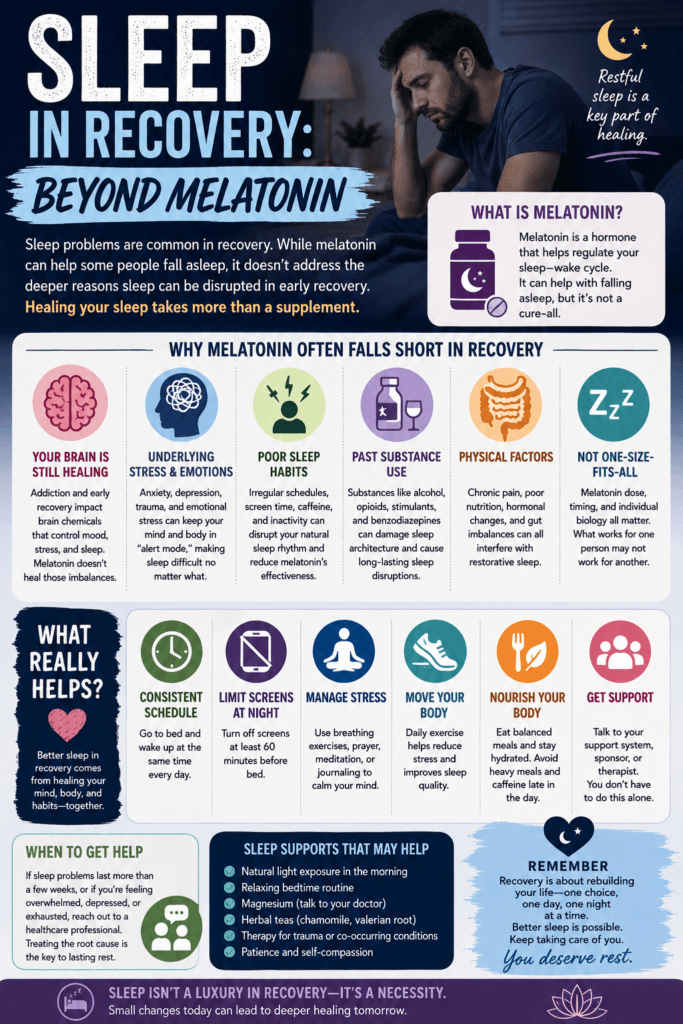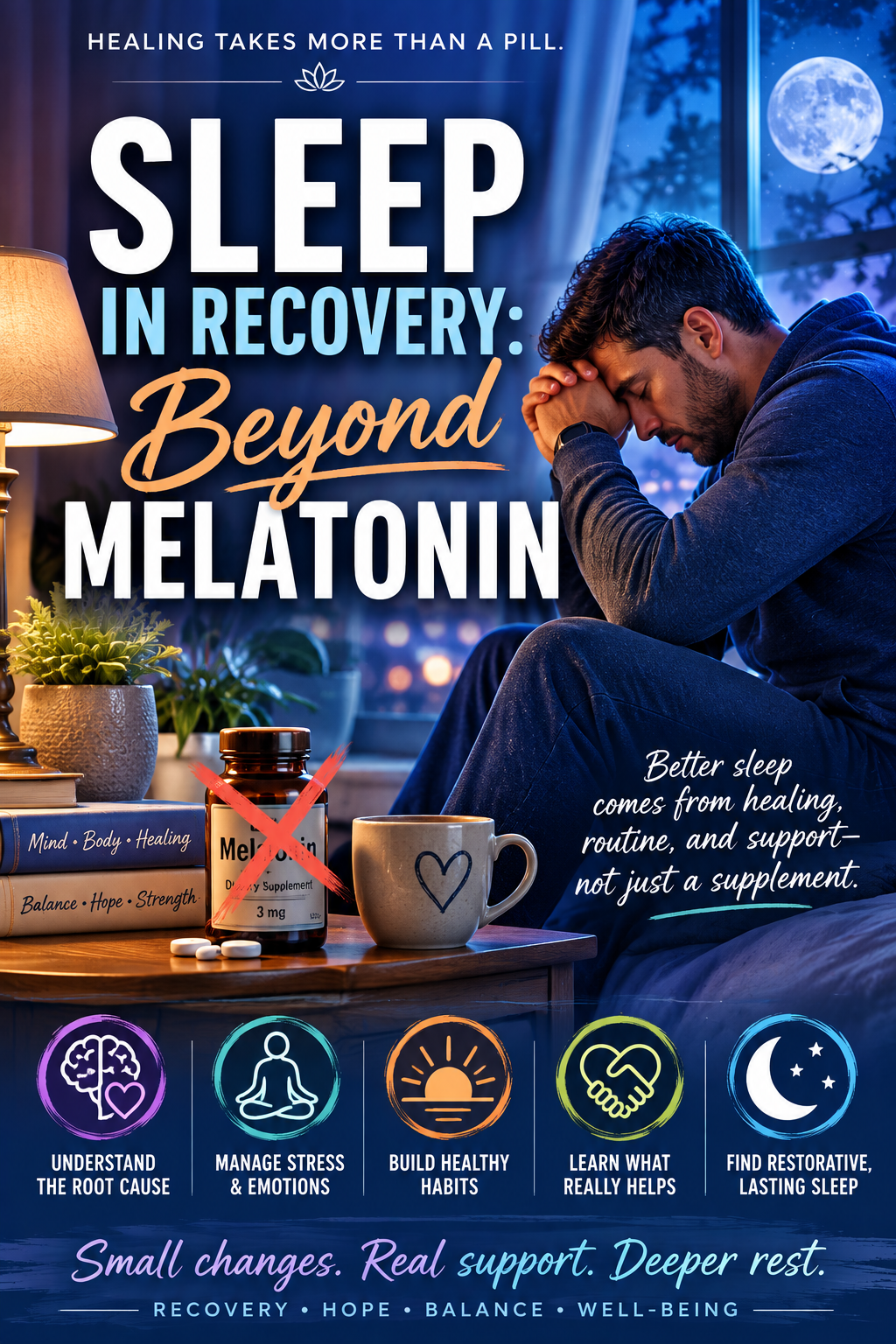
Melatonin gets a lot of buzz as a sleep aid, especially for people struggling through recovery—whether that’s after an illness, surgery, injury, or from any condition that challenges your sleep. It’s easy to find over the counter and pretty tempting to try when you feel stuck with restless nights. But a ton of people find that popping melatonin doesn’t actually solve their sleep issues while they’re in recovery. I want to dig into why that happens, what the science really says, and what you might want to try instead.
Why People Grab for Melatonin When Recovering
Melatonin is a hormone your brain naturally makes when it gets dark outside. Its job is to help signal to your body that it’s time to wind down and sleep. The idea of boosting your body’s melatonin with a supplement makes total sense if you’re desperate for real rest, especially in recovery when sleep feels super important for healing.
In hospitals and at home, melatonin is a go-to suggestion for people dealing with messed-up sleep from pain, stress, or all the weird interruptions that come with recovery. Some doctors recommend it because it tends to be safe, isn’t habit-forming, and can help in certain situations, such as jet lag. But recovery sleep isn’t usually that simple. Expecting a melatonin supplement to fix everything is more wishful thinking than solid science.
Sometimes friends and family will suggest melatonin because it’s easy to find and doesn’t need a prescription. Unfortunately, this well-meaning advice may set up unrealistic expectations, especially if you don’t have a circadian rhythm issue. If you’re hoping for a knockout punch to sleepless nights, melatonin might not deliver much, especially if pain or anxiety is the real culprit. Many who try melatonin after surgery or illness expect it to be a cure-all, but end up frustrated.
The Real Story: Why Melatonin Often Fails During Recovery
If you’ve tried melatonin and nothing happened, or noticed you fall asleep but wake up a lot, you’re not alone. Melatonin just doesn’t hit the mark for many people going through tough healing phases. Here’s what’s usually going on:
- Melatonin Doesn’t Knock You Out
Melatonin isn’t like a sleeping pill that will override pain, worries, or noise. It only tweaks your natural circadian rhythm. If your sleep is disrupted by more than just the clock—such as ongoing pain or hospital lights—melatonin supplements just aren’t enough to do the job. - Wrong Dose, Wrong Time
Many folks take too much, too little, or not at the optimal time. For sleep, timing is everything. If you take melatonin at the wrong moment, it becomes almost useless. Taking a higher dose doesn’t make it more effective, either. In fact, too much melatonin can actually disrupt your sleep pattern even more, leaving you groggy the next day. - Underlying Health Issues Get in the Way
Sickness, inflammation, pain, depression, and the aftereffects of surgery or trauma all mess with normal sleep cycles and melatonin’s usefulness. Your body might not even respond normally to melatonin when you’re in recovery. Healing requires significant physical resources, which can leave your hormones out of sync and make supplementation less effective. - Other Medications or Treatments
Lots of prescribed drugs during recovery—think painkillers, steroids, blood pressure meds—can disrupt your normal sleep. These also may blunt your body’s response to melatonin supplements. Combining different pills adds an extra variable that can make sleep even more elusive.
What the Research Says About Melatonin in Recovery
Studies on melatonin for people in recovery bring mixed results. Early lab research found that melatonin could help people fall asleep a little faster. However, it rarely had a strong effect on sleep quality or total rest. In hospital settings, such as after surgery or during serious illness, research often shows that melatonin doesn’t make a significant difference compared to a placebo (NCBI study).
Some sleep experts say melatonin supplements are most helpful for specific circadian rhythm problems, such as jet lag or a completely flipped sleep schedule. But general insomnia, which is what a lot of folks in recovery face, just doesn’t respond well to melatonin alone.
Pain, anxiety, constant interruptions, and underlying inflammation are all much bigger factors than a simple hormone supplement can handle. Plus, people in recovery often have disturbed light exposure (think fluorescent hospital lights at 3 AM), which further messes with melatonin’s effects. Sleep researchers often suggest that environment and daily routines play a much bigger role than a supplement can manage on its own.
In fact, some investigations reveal that people recovering from medical problems are less likely to benefit from melatonin if they’re experiencing stress or are on multiple medications. It’s easy to hope for an easy fix when you’re exhausted, but studies routinely say that the most meaningful changes happen with a mix of better habits and a healing environment, not just a pill.
Common Reasons Melatonin Falls Short in Healing Phases
- Pain Keeps You Up
Pain is probably the biggest reason recovery sleep is rough, and unfortunately, melatonin has zero pain-blocking powers. If your main issue is pain, you’re going to need to talk with your provider about safe, nonaddictive pain management options and time them smartly with your sleep routine. - Mental Health Struggles
Anxiety and depression mess with your sleep architecture. Melatonin might help a little with general relaxation, but it can’t overcome the high alert, fight-or-flight state your mind is in during tough recovery spells. - Light Exposure and Sleep Environment
If you’re healing in a hospital or in a room with tons of artificial lights, your natural melatonin release is already disrupted. Popping a pill isn’t likely to fix what your environment is undoing. Blackout curtains, eye masks, or even dimming the lights can help signal to your body that it’s time for sleep. - Caffeine, Smoking, and Alcohol Use
If you’re using caffeine or nicotine to get through rough recovery days or drinking alcohol to relax, all of that can mess even more with your sleep, wiping out any potential benefits from melatonin.
Possible Side Effects From Melatonin Supplements
Melatonin is usually safe for most people, but it does come with some minor annoyances. You might have to deal with next-day grogginess, vivid or unusual dreams, or an upset stomach. If you have a condition where your body already struggles with hormone regulation, it’s especially smart to talk with your doctor before adding melatonin to your mix. Also, since supplements aren’t as tightly regulated, you can’t always be completely sure what you’re getting in an over-the-counter bottle.
It’s worth noting that melatonin might interact with certain medications, including immunosuppressants or blood thinners. For people with epilepsy or on certain hormone therapies, checking in with a healthcare provider becomes even more important. Some folks also report headaches or increased feelings of sadness after trying melatonin, especially if taken in higher amounts than recommended.
Alternative Approaches to Fix Your Sleep During Recovery
- Better Sleep Hygiene
Try to stick to a routine: go to bed and wake up at the same time every day. Keep your room cool and dark, use blackout curtains if you can, and keep screens very dim before bed. Consistency in your daily routine cues your body to align with good sleep patterns over time. - Manage Pain and Stress Proactively
Chat with your healthcare team about nonopioid pain relief and ways to handle anxiety, like breathing exercises or gentle movement. Sometimes, physical therapy recommendations or cognitive-behavioral strategies can help reduce discomfort at bedtime. - Mindful Use of Light
Get outside for bright daylight when possible, and keep things dim and cozy at night. Even a small lamp is better than overhead lights late in the evening. Setting a relaxing mood lets your body ramp up its natural sleep signals without interference from artificial brightness. - Nonmedication Techniques
Try things like guided meditation, audiobooks, white noise, or progressive muscle relaxation. Sometimes, just having a calm distraction is more useful than any supplement. These tools can help soothe the mind and make the transition to sleep much smoother.
Natural Circadian Rhythm Support
If you want your natural melatonin to work better, focus on activities that support your body’s clock. Try to eat meals at regular times, avoid big meals and caffeine late in the day, and wind down activities an hour before bed. Even small routines—think reading, warm showers, or gentle stretching—tell your brain it’s time for sleep.
Another helpful layer: limit daytime napping, especially in the late afternoon. If you nap too close to bedtime, your body might not be as ready to fall asleep at night. Also, build calming habits that lead up to bedtime, such as listening to quiet music or sipping herbal tea, to reinforce a peaceful routine.
Frequently Asked Questions
Question: Does melatonin work better for some types of sleep problems?
Answer: Melatonin helps most if your problem is with your body’s natural clock, like jet lag or when switching to a night shift. For sleep disruptions from pain or anxiety, melatonin rarely does much on its own.
Question: Can you take melatonin with other recovery medications?
Answer: Usually, there aren’t huge problems, but some medications could interact, like blood thinners, some antidepressants, and immunosuppressants. It’s always smart to check in with your provider first, just to be safe.
Question: When is the best time to take melatonin in recovery?
Answer: Usually, 1-2 hours before you want to be asleep is best, since it takes time to kick in. Taking it much later or at random times just messes up your chances of it helping at all.
Key Takeaways: Why Melatonin Isn’t a Magic Fix in Recovery
Melatonin can sound appealing, but it rarely solves all sleep issues during recovery. Most sleep struggles in recovery come from pain, stress, an uncomfortable environment, or meds that disrupt sleep, even if you add a supplement. Focusing on your sleep routine, pain or stress relief, and your environment works out a lot better in the long run. For some people, a low-dose melatonin session taken at the right time might be worth a shot, but always double-check with your doctor, especially if you’re using other medications.
Getting enough sleep during recovery really matters, but the quick-fix solution doesn’t usually come from a bottle. Focusing on the basics—routine, comfort, and talking with your care team about any roadblocks—goes a long way toward getting the rest you actually need. By choosing approaches that work with your body’s natural rhythm and managing discomfort, you set yourself up for better healing and more restorative sleep.
Video: The Dark Side of Melatonin in Recovery: What You Need to Know