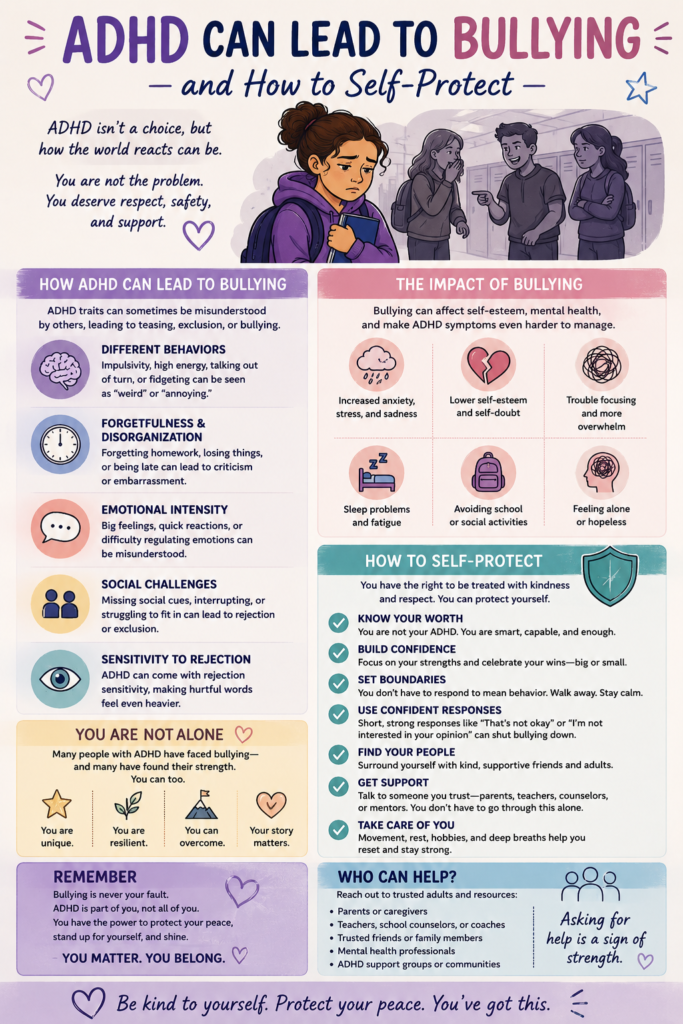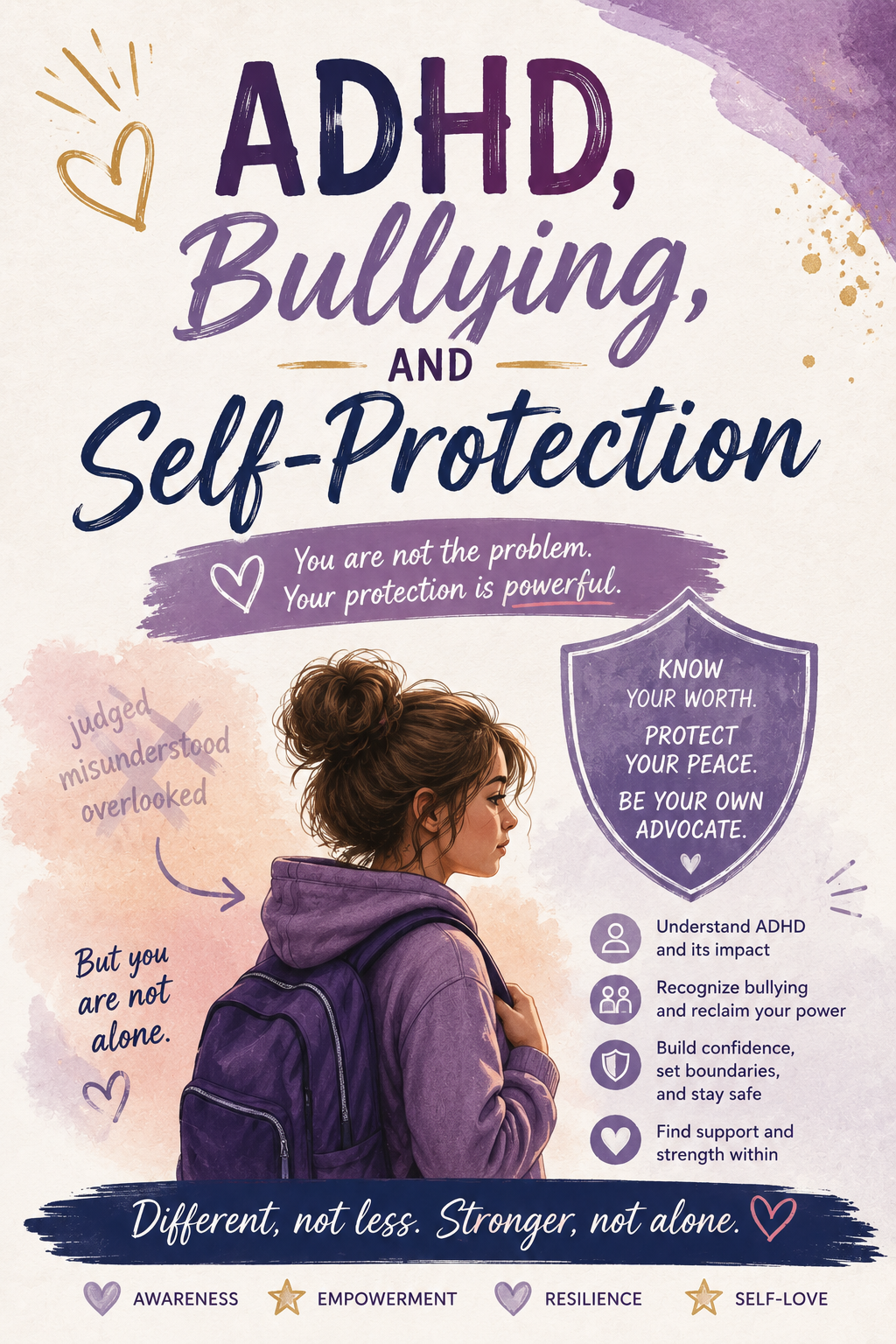
Growing up with ADHD, I found myself in a cycle I didn’t understand. I struggled to fit in, missed social cues, and often landed in the middle of conflicts I never saw coming. Eventually, I realized that these factors, combined with my honest nature and trust in others, made me an easy target for bullies. Here, I’ll share my experiences around ADHD, bullying, and the steps I’ve taken to better protect myself.
How ADHD Played a Role in Making Me an Easy Target
Living with ADHD went far beyond just losing my homework or forgetting instructions. I faced real challenges reading social situations, and my impulsivity sometimes made others see me as unpredictable or odd. Because I couldn’t always keep up with unwritten social rules, I stood out—in ways that weren’t always positive.
ADHD, or Attention Deficit Hyperactivity Disorder, isn’t only about being hyper or distracted. The condition affects self-regulation, focus, and the ability to process social cues. According to the CDC, kids and teens with ADHD are more likely to be bullied or left out by their peers. My struggles were pretty much in line with that.
It wasn’t just about being talkative or energetic. People with ADHD often have differences in communication or emotional reactions. I would say or do things that weren’t “normal” for my age group, and kids notice that. When someone notices you’re different but can’t tell why, it becomes pretty easy for them to single you out.
Common Ways ADHD Traits Lead to Bullying
The link between ADHD and bullying isn’t always obvious to those on the outside. Here are some ways my ADHD made things harder for me:
- Missing Social Cues: I often didn’t realize when jokes were going too far or when someone was subtly turning a group against me.
- Impulsivity: Sometimes I react quickly, making comments or jokes at the wrong time and regretting them later. These moments gave bullies easy ammunition.
- Honesty (Sometimes to a Fault): I had trouble masking my feelings. If I were hurt or upset, my reaction was visible. Bullies could see what got to me, making it simple for them to press the same buttons.
- Desperate to Belong: I often went along with things just to be included, even if it put me at risk or made me uncomfortable.
Social skills don’t always come naturally to people with ADHD. I spent a lot of time wondering what I’d done wrong, but the truth is, it came down to how my brain worked, not any personal failing.
Understanding The Psychology of Bullying
It’s tough to accept that bullies usually pick targets based on who is least likely to fight back or who stands out just enough to seem vulnerable. Traits like being quick to anger, seen in many with ADHD, or struggling to join group conversations, often put someone right in the crosshairs.
Research shows that bullies often seek emotional responses. A 2017 study in the journal American Behavioral Scientist finds that anyone who gives strong visual signals of distress is at higher risk. Since I was pretty obvious about my feelings, bullies often knew exactly how to get a reaction from me.
Early Signs I Was an Easy Target (And What I Learned)
Looking back, there were a few signs it was happening long before I realized it. If you’re wondering if you—or someone you know—might be easy prey, here are some things I wish I’d noticed sooner:
- Frequent Teasing That Crossed the Line: Friendly banter is one thing, but I was usually the only one not laughing at certain jokes.
- Being Left Out of Group Activities: My invites to group work or playdates dried up. I’d be the last to get picked, or not chosen at all.
- Increasingly Harsh Pranks or “Jokes”: The things people did or said grew more intense, and my complaints were brushed off.
- A Persistent Feeling of Dread at School: I started feeling sick or anxious most mornings, anticipating another rough day.
These signs can be subtle at first. Sometimes, it wasn’t until things got really bad that I recognized what was happening. But if you spot these patterns early, it’s easier to take action or ask for help before things snowball out of control.
How I Started Protecting Myself
I spent a long time blaming myself for being bullied, but that didn’t really get me anywhere. What did help? Learning self-protection skills—mentally, emotionally, and socially. Here’s what’s worked for me over the years:
- Setting Boundaries
It was super important for me to learn the difference between going along with a joke and being the butt of one. If something made me uncomfortable, I would speak up or walk away. Boundaries are there to protect, not to isolate. I practiced short phrases like “That’s not okay with me,” which helped a lot more than staying silent. - Finding Allies
I found friends and adults who genuinely respected me and accepted my quirks. Connecting with people who saw my value reminded me I didn’t have to change who I am to fit in. - Practicing Assertiveness
Instead of reacting emotionally, I worked on calm, assertive responses. This didn’t come naturally. It took practice, and sometimes I’d role-play scenarios with a counselor. It’s helped me face conflict without adding fuel to the fire. - Learning to Recognize Red Flags Early
I tried to notice when someone’s tone or behavior changed, or when a “friend” started acting distant or mean. Picking up on these signs helped me avoid or address situations before they escalated.
Strategies That Worked for Me in Real Life
If you or your child has ADHD, these approaches may also help build self-protection skills:
- Find Safe Spaces: Whether it’s a club, a gaming group, or an online community, shared interest groups with supportive people make a difference.
- Communicate Clearly: Practicing social scripts, either with a therapist or trusted adult, can boost confidence for tough moments.
- Seek Professional Support: School counselors, therapists, or ADHD coaches can help with social skills and coping techniques.
- Build Self-Esteem: Taking on small challenges, setting achievable goals, and celebrating personal victories (no matter how minor) made me more confident and less likely to be targeted.
- Document Bullying: Keeping track of incidents, either in a journal or in phone notes, helped me explain what was happening when I asked for help.
One tip that really helped was giving myself space to relax after school; recharging outside tough situations made it easier to handle the next day. Joining an activity that played to my strengths let me interact with others on my own terms. Little by little, these strategies made a big difference.
Obstacles and Tough Lessons
No strategy works instantly, and some were tougher than others. Sometimes, my boundaries annoyed others, or people would say I was “too sensitive.” I learned not to take it personally. My therapist reminded me that standing up for myself doesn’t mean people will always respond positively. My job is to protect myself, not please everyone else.
Dealing With Emotional Setbacks
Some days, I felt like nothing helped. Old feelings of isolation would sneak in. On the worst days, reaching out for support—even a quick chat with a friend—helped ground me. I also found that creative outlets like writing, art, or getting outside could shift my mood. Mindfulness exercises and learning to accept my own feelings also reduced my stress and helped me move forward during tough times.
There’s No “One Size Fits All” Solution
Each situation is different. What works for me might not work for everyone, but having a set of options meant I wasn’t left feeling powerless. Giving yourself options is about more than just “toughening up.” It’s about knowing you have a toolkit ready, even if some tools work better than others.
Building Self-Protection for Life
Learning to protect myself wasn’t about changing my ADHD traits; it was more about changing how I responded and who I let into my life. Over time, those same traits that made me an easy target—honesty, enthusiasm, empathy—have helped me build deep friendships and authentic connections with the right people.
- Support Networks: Reaching out to others with ADHD helped me swap stories and solutions, making everything less isolating. Organizations like CHADD have resources for families dealing with bullying and ADHD.
- Practicing Resilience: Developing resilience wasn’t about never getting hurt; it was about trusting myself to handle setbacks and try again.
Common Questions From People Navigating ADHD and Bullying
I get a lot of the same questions from other people dealing with this stuff. Here are a few I’ve run into:
Question: How can kids or teens with ADHD make real friends?
Answer: Focusing on quality over quantity really helps. Joining clubs or groups that match your hobbies puts you around like-minded people who are more likely to value you for who you are.
Question: What should I do if school staff don’t take my complaints seriously?
Answer: Escalate to a counselor, trusted teacher, or even an outside advocate. Sometimes bringing in a parent or keeping a record of incidents (dates, what happened, who was there) makes it harder for adults to ignore your concerns.
Question: How do you avoid feeling like it’s your fault?
Answer: I remind myself that having ADHD is just a different way of being, not a mistake or a flaw. Blame belongs with the person bullying, not with the person being targeted.
Final Thoughts: Embracing ADHD While Setting Boundaries
I’m not going to say it’s easy. Learning to protect yourself in a world that often misunderstands neurodiversity takes patience and practice. But it’s worth it. Embracing my ADHD traits while setting boundaries and building support has helped me go from “easy target” to someone who feels in control, even when things get tough. For anyone else living with ADHD and feeling singled out, know that it’s possible to protect yourself without hiding who you really are. That balance is what genuine confidence and safety look like for me.
Video: ADHD, Bullying, and Self-Protection