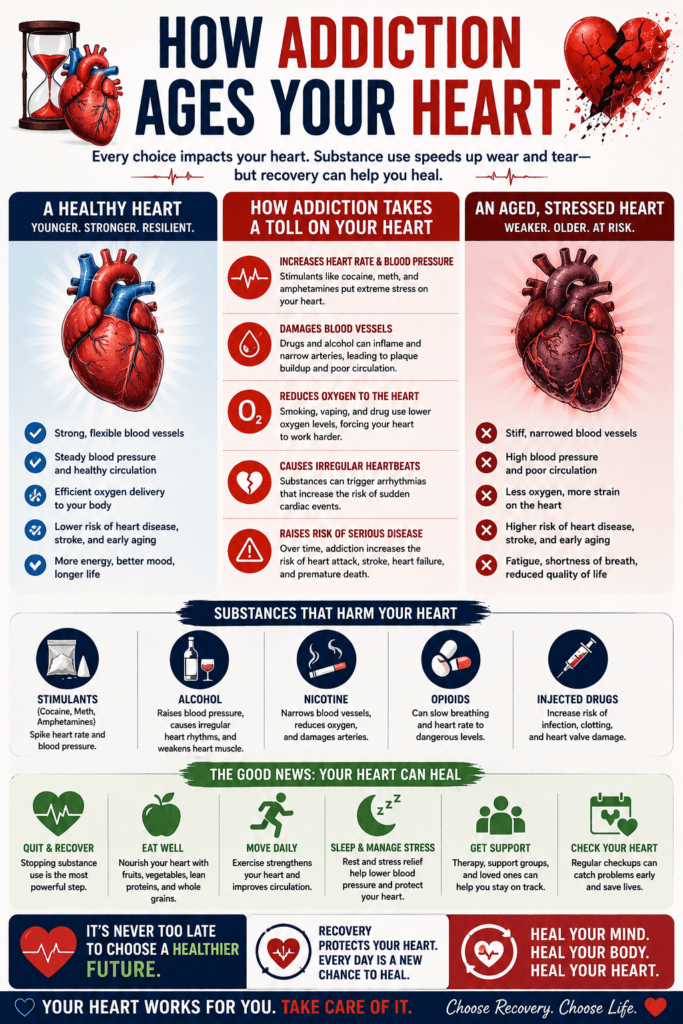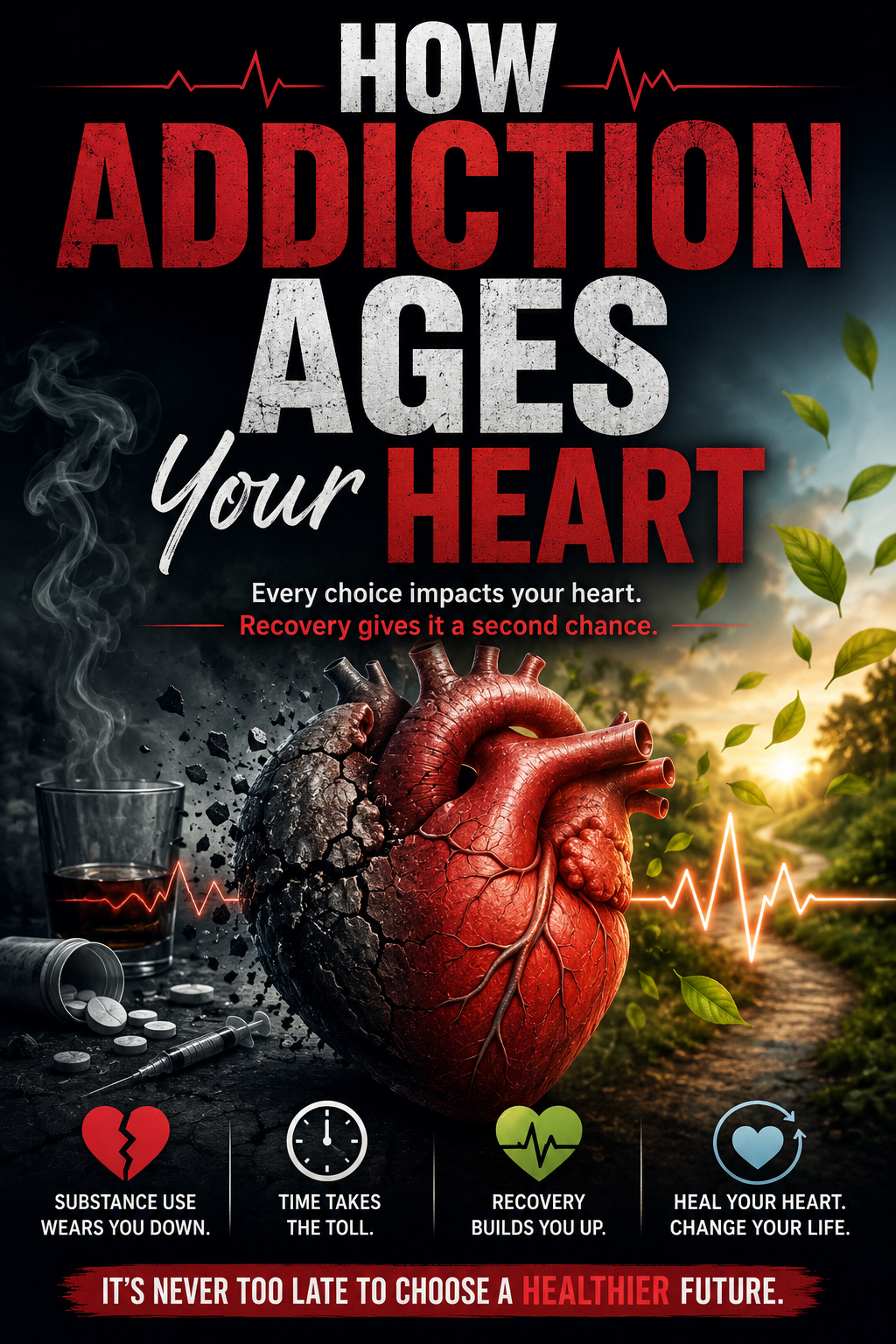
Heart aging isn’t just about wrinkles on the outside; it’s really about what happens to the heart tissue and cells deep inside. For people who’ve dealt with long-term addiction, looking after heart health gets a bit complicated. There’s a lot going on beneath the surface, especially with something called the ECM, or extracellular matrix. Sounds technical, but it’s a major piece of the puzzle when figuring out how the heart changes over time. This is especially important for folks who’ve been through addiction, as the changes can show up faster and be more severe.
Understanding the Extracellular Matrix (ECM) and Heart Aging
The ECM is basically the support network that surrounds and connects heart cells. If you picture it like a flexible net of proteins and sugars, you’re on the right track. This network keeps the heart’s structure solid while helping the heart muscle cells do their job. As the heart gets older, this net can stiffen, lose flexibility, or even build up extra material in the wrong places. That’s a big problem, because a stiff or overloaded ECM means the heart struggles to pump efficiently.
Addiction puts stress on this whole system by introducing chemicals or behaviors that trigger inflammation, stress, and direct tissue damage. Substances like alcohol, opioids, or even stimulants all nudge the aging process forward, making the ECM’s problems show up sooner or get worse over time. For people in addiction recovery, understanding these changes can help you take steps to support your heart health, even after years of stress on your body.
How Long-Term Addiction Impacts the Heart’s ECM
If you’ve dealt with addiction for a while, you’ve probably heard about risks like heart attacks, arrhythmias, or high blood pressure. The ECM sits at the core of these risks. Drugs and alcohol can trigger the production of enzymes and hormones that break apart healthy ECM proteins, or cause them to clump together in ways they shouldn’t.
The result? The heart muscle may get stiff. Scar tissue (fibrosis) builds up, and communication between heart cells doesn’t work as it should. All these changes happen quietly at first, but over the years, they start to affect how you feel day to day. Think fatigue, shortness of breath, or a racing heart for no clear reason. The pattern of ECM changes varies with the substance and duration of use, but the outcome is often early cardiac aging that can catch you off guard.
- Alcohol: Causes toxic stress that breaks down ECM proteins and increases fat or scar tissue in the heart.
- Stimulants (like cocaine or meth): Trigger extreme surges of blood pressure and stress hormones, causing direct injury and ECM remodeling.
- Opioids: Linked to inflammation and reduced oxygen delivery, both of which mess with ECM balance.
On top of those direct effects, addiction is often linked with lifestyle habits that further stress the heart, such as poor sleep, irregular eating, or limited activity. All of these make the ECM situation worse and can put you at risk for heart problems sooner than expected.
Signs Your Heart Might Be Feeling the Effects
It’s easy to brush off tiredness or occasional chest pain, but if you have a long history of substance use, unusual changes in your energy, swelling, irregular heartbeat, or trouble catching your breath can signal ECM-driven changes in your heart. Not everyone will notice symptoms right away; sometimes the warning signs creep up slowly.
Getting regular check-ups and discussing your addiction history with your doctor can help spot early warning signs you might otherwise miss. Blood pressure checks, heart imaging, or blood markers of heart stress can all help keep tabs on what’s happening behind the scenes. Early detection gives you a better shot at making positive changes that slow heart aging and preserve heart function.
Take Action Now: Everyday Habits for a Healthy Heart ECM
The ECM isn’t set in stone. You can help keep it healthy, even if the past has been a bit rough. Here’s where small, steady habits really pay off, especially for people in addiction recovery.
- Move More: Gentle exercises like brisk walking, swimming, or cycling support ECM health by promoting fresh blood flow and reducing inflammation. Even light movement can help if you haven’t been active much before.
- Eat Smart: A diet rich in colorful veggies, fruits, nuts, fish, and healthy oils gives your ECM what it needs to repair and fight stress. Foods rich in antioxidants (like berries and leafy greens) are especially helpful, and replacing processed foods with natural ones can make a difference.
- Stay Hydrated: Good hydration benefits heart tissue flexibility and keeps everything moving smoothly, including the ECM. Drinking enough water is a simple step, but one that’s easy to overlook.
- Avoid Extra Salt and Sugar: High salt or sugar intake adds to ECM damage, especially if blood pressure is already an issue. Cutting back slowly and using herbs or spices to flavor food helps many people stick with these changes long-term.
Making these changes can feel overwhelming, especially at first, but starting with one new habit each week makes the process more manageable. Over time, you’ll notice improved energy, fewer symptoms, and better overall well-being.
Barriers to Heart Health After Addiction
Finding your way through heart health challenges after years of substance use comes with unique obstacles. Here are some issues people often wrestle with, and practical ways to move past them.
- Mental Health Hurdles: Anxiety or depression can make it tough to stick to heart-healthy routines. Telehealth counseling or peer support groups make a huge difference for many people, helping build confidence and providing motivation when things get tough.
- Medication Confusion: Juggling several prescriptions at once is tricky, especially if heart meds interact with recovery treatments. Pharmacists or specialist nurses can walk you through safe combinations and help ensure nothing gets mixed up.
- Cost and Access: Healthier foods, gym memberships, and frequent appointments add up. Community health clinics, online fitness resources, and budget-friendly meals (think beans, frozen veggies, or canned fish) are all realistic options to keep you on track. Setting financial goals or looking into sliding-scale programs can also make a big difference.
Tips for Managing Triggers and Stress
Stress and emotional triggers can speed up heart aging by messing with the ECM. Techniques like deep breathing, brief walks, or listening to calming music provide quick relief. Try writing down stressful moments and tracking what helps ease tension; sometimes, little changes go a long way. Consider mindfulness meditation or connecting with a supportive friend when stress spikes, as both have been shown to help the heart and the mind.
What Science Says About ECM, Heart Aging, and Recovery
Researchers are getting into how the ECM changes in the hearts of people who’ve had long-term substance use. For example, a 2022 study in the journal Frontiers in Cardiovascular Medicine looked at ECM changes in people with alcohol use disorder and found early ECM breakdown even before major symptoms appeared. Other studies show that sticking to recovery, healthy eating, and regular monitoring can slow some of this heart aging and sometimes even reverse it a bit.
Scientists are also developing new blood tests and imaging tools to spot ECM problems early, so doctors can offer tailored care for people who’ve struggled with addiction. These advances mean heart damage is detected earlier and treated more effectively. With new research coming in all the time, there’s real hope for better outcomes and longer, healthier lives for those in recovery.
Frequently Asked Questions:
Why does my heart feel older than my real age?
Years of drug or alcohol use speed up the aging of the ECM and heart cells, making some people feel older than their age, especially if combined with stress, poor sleep, or nutrition issues.
Can ECM changes be reversed?
Some mild to moderate ECM changes can improve with a healthy lifestyle, medication, and the removal of substances that caused the harm. Staying involved in addiction recovery programs is really important for giving the heart a fighting chance.
Are there medications to protect or repair the ECM?
Some heart meds, like ACE inhibitors or beta blockers, can slow further ECM damage. Researchers are developing new drugs to specifically target the ECM, but healthy habits are just as important for most people.
Should I see a heart doctor if I’m in addiction recovery?
It’s a good idea, especially if you notice symptoms, have a long history of heavy use, or have a family history of heart disease. Cardiology teams can work with addiction specialists to provide more personalized care and treatment plans that better match your needs.
How to Keep Your Heart Young: Steps That Actually Work
Looking after heart health after addiction takes patience and steady effort. Here are a few ideas that can help keep your heart feeling younger for longer:
- Sleep regularly and enough because consistency counts more than perfection.
- Schedule “heart check-ins” at least once a year, even if you feel fine, to catch any problems early.
- Celebrate small wins, whether it’s walking an extra five minutes or swapping out a sugary snack.
- Connect with groups or communities going through similar challenges. It’s easier to stay accountable together, and group support can give a big lift when motivation drops.
Even small improvements help your ECM stay flexible, allowing your heart to do its job with less strain. Every step counts, and it’s never too late to make a change for the better, no matter your personal history. Little progress is worth celebrating, and your heart will thank you for putting in the effort to give it a boost—even if you’re starting late. With consistent attention and small changes, heart aging doesn’t have to define your future.
Video: Substances Literally Age Your Heart #health #facts #shorts