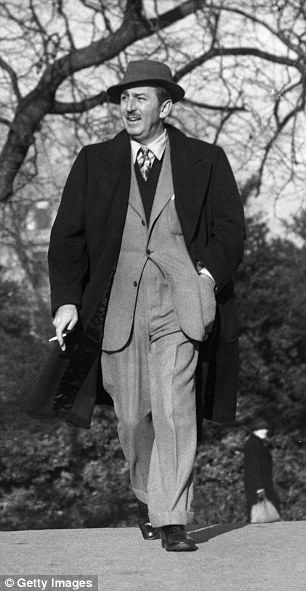
Walt Disney, the legendary creator of Mickey Mouse and a pioneer of modern entertainment, inspired millions worldwide through his imagination, creativity, and groundbreaking achievements in animation and filmmaking. Behind his extraordinary success, however, was a longstanding cigarette-smoking habit that exposed him to serious health risks. Disney was known to be a heavy smoker during an era when the dangers of tobacco were not as widely understood or publicly emphasized as they are today. In 1966, he was diagnosed with lung cancer and died at age 65, leaving behind an extraordinary legacy in entertainment and a powerful reminder of the devastating consequences associated with tobacco use. His experience illustrates how nicotine dependence can affect individuals regardless of their fame, wealth, or professional accomplishments. Long-term cigarette smoking significantly increases the risk of lung cancer, cardiovascular disease, and other life-threatening conditions, while nicotine dependence can make quitting particularly challenging. Examining Disney’s smoking history provides an opportunity to emphasize the importance of early smoking cessation, evidence-based treatments, family encouragement, and community tobacco prevention programs. His story reminds us that recognizing the dangers of tobacco, seeking professional support, and creating healthier environments can help prevent smoking-related illnesses, improve quality of life, and save lives.
Walt Disney’s Smoking History and Health Struggles
Walt Disney was born on December 5, 1901, in Chicago, Illinois. He became one of entertainment’s most influential figures, transforming animation and creating Disneyland. Despite his professional accomplishments, smoking was a significant part of his adult life.
During the early and mid-twentieth century, cigarettes were widely accepted in American society. People often portrayed smoking as sophisticated, relaxing, and socially desirable. The health risks associated with tobacco were not as widely understood as they are today.
Disney reportedly smoked heavily for decades. Nicotine, the addictive substance in tobacco, stimulates brain reward pathways and reinforces repeated cigarette use. Over time, continued exposure can produce physical dependence, making quitting difficult even when someone recognizes the health risks.
In November 1966, Disney underwent surgery after doctors discovered lung cancer. He died on December 15, 1966, just ten days after his 65th birthday.
His experience illustrates a critical public health concern: long-term tobacco use substantially increases the risk of lung cancer, cardiovascular disease, chronic obstructive pulmonary disease (COPD), and premature death.
Although smoking is a major established cause of lung cancer, the precise contribution of smoking to an individual person’s cancer cannot be determined with absolute certainty.
Understanding Nicotine Dependency
Nicotine dependence is a chronic, often relapsing condition involving changes in the brain’s reward, motivation, and reinforcement systems.
When someone inhales cigarette smoke, nicotine rapidly enters the bloodstream and reaches the brain. It activates nicotinic acetylcholine receptors, increasing dopamine signaling and reinforcing continued use.
With repeated exposure, the brain adapts to nicotine, leading to tolerance, cravings, and withdrawal symptoms when smoking stops.
Common signs of nicotine dependence
- Strong cravings for cigarettes throughout the day.
- Difficulty reducing or stopping tobacco use.
- Irritability, anxiety, or restlessness when nicotine is unavailable.
- Smoking immediately after waking.
- Continued smoking despite known health problems.
- Using cigarettes to cope with stress, sadness, or emotional discomfort.
- Repeated unsuccessful attempts to quit.
Nicotine withdrawal can cause difficulty concentrating, sleep disturbances, increased appetite, irritability, and depressed mood. These symptoms are generally temporary, but they can make cessation challenging.
Disney’s smoking history is consistent with prolonged tobacco use. However, historical accounts cannot establish the full clinical severity of his nicotine dependence or document every attempt he may have made to quit.
Self-Management Strategies: Taking Control of Nicotine Dependence
Although Walt Disney lived during a period when smoking cessation resources were limited, individuals today have access to evidence-based treatments that can significantly improve their chances of quitting.
1. Recognize smoking triggers
Identifying situations that encourage cigarette use is an important first step.
Common triggers include:
- Emotional stress or anxiety.
- Drinking coffee or alcohol.
- Social gatherings involving smokers.
- Work-related pressure.
- Boredom or loneliness.
- Established routines, such as smoking after meals.
Keeping a smoking diary can help identify patterns and develop alternative coping strategies.
2. Develop a personalized quit plan
A structured cessation plan increases accountability and prepares individuals for challenges.
Helpful steps include:
- Establishing a realistic quit date.
- Identifying personal reasons for stopping smoking.
- Removing cigarettes, lighters, and ashtrays.
- Planning responses to cravings.
- Seeking support from healthcare professionals.
- Preparing for possible lapses without viewing them as a complete failure.
3. Consider evidence-based cessation medications
Pharmacologic treatments can reduce withdrawal symptoms and improve smoking cessation outcomes.
Common options include:
- Nicotine replacement therapy (NRT): Patches, gum, and lozenges provide controlled nicotine without the toxic products of tobacco combustion.
- Varenicline: A prescription medication that reduces nicotine cravings and the rewarding effects of smoking.
- Bupropion SR: A prescription medication that can reduce cravings and withdrawal symptoms.
Combining a long-acting nicotine patch with short-acting gum or lozenges may be particularly helpful.
When selecting medication, consider contraindications, medical history, potential drug interactions, and patient preferences.
4. Practice healthy stress management
Many smokers associate cigarettes with relaxation. However, nicotine withdrawal between cigarettes can contribute to anxiety and discomfort, creating a cycle in which smoking temporarily relieves withdrawal symptoms.
Healthier coping strategies include:
- Walking, swimming, or other regular physical activities.
- Practicing mindfulness and breathing exercises.
- Maintaining consistent sleep routines.
- Engaging in creative hobbies.
- Participating in counseling or cognitive behavioral therapy.
- Connecting with supportive friends and family.
5. Prevent relapse and maintain progress
Nicotine dependence often requires multiple quit attempts. A lapse does not erase progress.
Individuals should review their triggers, adjust treatment as needed, and keep working toward complete cessation.
Key message: Quitting smoking provides meaningful health benefits at almost any age, even after decades of tobacco use.
Family Support Strategies: Helping Loved Ones Overcome Nicotine Dependence
Nicotine dependence does not affect only the person who smokes. Family members may experience emotional distress, concern about long-term health consequences, and exposure to secondhand smoke.
Walt Disney’s daughter, Diane Disney Miller, later became an advocate for tobacco prevention. In a 1995 article, she described her father’s lifelong smoking and emphasized protecting young people from nicotine addiction. Her advocacy illustrates how families can transform personal loss into meaningful public health awareness.
1. Encourage compassionate communication
Family members should approach nicotine dependence with understanding rather than criticism.
Helpful strategies include:
- Expressing concern without blaming or shaming.
- Asking open-ended questions about smoking habits.
- Listening to fears about quitting.
- Acknowledging the difficulty of nicotine withdrawal.
- Encouraging professional treatment when appropriate.
2. Create a smoke-free home
Secondhand smoke exposes nonsmokers to harmful chemicals and increases the risk of respiratory and cardiovascular diseases.
Families can protect one another by:
- Establishing smoke-free homes and vehicles.
- Avoiding smoking around children and pregnant individuals.
- Encouraging tobacco-free outdoor activities.
- Removing smoking-related items from shared living spaces.
- Supporting household members who want to quit.
3. Participate in the recovery process
Family involvement can provide encouragement, accountability, and emotional stability.
Supportive actions include:
- Attending smoking cessation counseling when invited.
- Celebrating milestones such as one week or one month without cigarettes.
- Helping identify stressful situations that trigger cravings.
- Encouraging adherence to prescribed cessation medications.
- Offering reassurance after setbacks.
4. Support family members facing lung cancer
A lung cancer diagnosis can create emotional, financial, and caregiving challenges.
Families can help by:
- Accompanying loved ones to medical appointments.
- Assisting with treatment schedules and transportation.
- Encouraging discussions about treatment options.
- Supporting symptom management and palliative care when appropriate.
- Seeking caregiver counseling and support groups.
- Respecting the patient’s choices and personal dignity.
Key message: Family support is most effective when it combines compassion, education, practical assistance, and respect for personal autonomy.
Community Support Strategies: Preventing Nicotine Addiction and Lung Cancer
Walt Disney’s death occurred during a period when public understanding of tobacco-related disease was rapidly changing. Today, public health organizations, healthcare professionals, schools, and community groups can prevent tobacco use and help people quit.
1. Expand access to smoking cessation programs
Communities can improve cessation outcomes by offering affordable, evidence-based services.
Important initiatives include:
- Free or low-cost smoking cessation counseling.
- Community health education workshops.
- Telephone and online quit programs.
- Access to nicotine replacement therapy.
- Referrals to behavioral health professionals.
- Support groups for individuals attempting to quit.
Research summarized by the CDC indicates that combining behavioral counseling with medication can more than double the chances of successful smoking cessation.
2. Strengthen tobacco prevention education
Preventing nicotine initiation, particularly among adolescents, is essential.
Community prevention strategies include:
- School-based tobacco education.
- Parent workshops about nicotine addiction.
- Youth-focused campaigns addressing vaping and cigarettes.
- Education about tobacco marketing and social influences.
- Promoting tobacco-free recreational environments.
- Encouraging positive role models.
3. Promote early lung cancer detection
Early detection can improve treatment opportunities for eligible high-risk individuals.
Communities should encourage:
- Routine assessment of tobacco use during healthcare visits.
- Education about lung cancer warning symptoms.
- Shared decision-making about lung cancer screening.
- Access to low-dose computed tomography (LDCT).
- Referral pathways for abnormal screening results.
- Assistance with insurance and transportation barriers.
Under current U.S. Preventive Services Task Force recommendations, annual LDCT screening is advised for adults ages 50–80 with at least a 20-pack-year smoking history who currently smoke or quit within the past 15 years, provided they remain appropriate candidates for treatment.
Symptoms such as coughing up blood, persistent cough, unexplained weight loss, or worsening shortness of breath require clinical evaluation rather than waiting for routine screening.
4. Advocate for tobacco-free public policies
Population-level interventions can reduce tobacco exposure and discourage nicotine initiation.
Effective approaches include:
- Smoke-free workplace and public-space policies.
- Enforcement of minimum-age tobacco sales laws.
- Tobacco taxation.
- Restrictions on advertising directed toward youth.
- Insurance coverage for cessation treatment.
- Public awareness campaigns emphasizing prevention and recovery.
5. Support individuals and families affected by lung cancer
Communities can provide assistance beyond medical treatment.
Helpful resources include:
- Cancer survivor and caregiver support groups.
- Financial assistance programs.
- Transportation services for oncology appointments.
- Mental health counseling.
- Palliative care and hospice services.
- Community fundraising and patient navigation programs.
Lessons From Walt Disney’s Journey
Walt Disney’s experience offers important lessons about nicotine dependence, health, and prevention.
Success does not eliminate addiction risk. Disney’s creativity, influence, and professional achievements did not protect him from the harmful consequences of long-term tobacco use.
Nicotine addiction can begin early. His daughter described smoking as a behavior he adopted when young, influenced partly by the desire to appear mature and independent.
Tobacco-related diseases can develop after decades of exposure. Lung cancer may remain undetected until it has progressed, making prevention and appropriate screening especially important.
Family experiences can inspire community change. Diane Disney Miller’s tobacco prevention advocacy shows how personal experiences can inform public education.
Recovery resources matter. People trying to quit today have access to treatments and supportive services that weren’t widely available during Disney’s lifetime.
Practical Resources for Smoking Cessation
National Tobacco Quitline
Call 1-800-QUIT-NOW (1-800-784-8669) for free, confidential smoking cessation coaching and referrals.
Educational materials, treatment information, and smoking cessation support.
Personalized quit plans, craving management tools, and digital support programs.
Conclusion: Remembering Walt Disney Through Awareness and Prevention
Walt Disney created a legacy of imagination, creativity, and entertainment that continues to influence generations. Yet his lifelong smoking and death from lung cancer remind us that nicotine dependence can have devastating consequences, regardless of fame, talent, or professional success.
His story also reflects how dramatically tobacco awareness and cessation treatment have evolved. While smoking was once socially accepted and its dangers frequently minimized, decades of scientific research have established the serious health consequences of tobacco exposure.
Today, individuals can take meaningful steps toward recovery through self-management, behavioral counseling, medications, and healthier coping strategies. Families can provide emotional encouragement, protect loved ones from secondhand smoke, and support treatment without judgment. Communities can reduce tobacco-related harm through prevention education, accessible healthcare, evidence-based cessation programs, and public health advocacy.
Walt Disney’s achievements will always be remembered for bringing joy to the world. His experience with nicotine dependence also provides an opportunity to educate others about the importance of protecting their health.
The greatest lesson from his story is that quitting smoking is not simply about breaking a habit. It is about preventing disease, preserving quality of life, and creating a healthier future for ourselves and the people we love.
Frequently Asked Questions and Answers
1. Was Walt Disney addicted to nicotine?
Walt Disney was a longtime, heavy cigarette smoker. His smoking history strongly suggests nicotine dependence, although publicly available historical information does not establish a formal clinical diagnosis. Nicotine is highly addictive because it stimulates dopamine release in the brain, reinforcing repeated tobacco use and making quitting difficult.
2. What type of cancer did Walt Disney have?
Walt Disney was diagnosed with lung cancer in November 1966. Historical accounts identify his disease as lung cancer involving his left lung. He underwent surgery, but his illness progressed rapidly. He died on December 15, 1966, at age 65.
3. Did cigarette smoking cause Walt Disney’s lung cancer?
Walt Disney’s decades of heavy cigarette smoking were a major risk factor for developing lung cancer. Tobacco smoke contains numerous carcinogens that damage cellular DNA and contribute to malignant changes in lung tissue. Although smoking is the leading cause of lung cancer, it is not possible to establish the exact cause of an individual person’s cancer with complete certainty.
4. How long did Walt Disney smoke cigarettes?
Historical accounts indicate that Disney began smoking when he was young and continued for much of his adult life. His smoking habit lasted several decades. Prolonged exposure to cigarette smoke substantially increases the risk of lung cancer, chronic obstructive pulmonary disease (COPD), and cardiovascular disease.
5. Did Walt Disney try to quit smoking?
There is limited reliable documentation about whether Disney made formal attempts to stop smoking. Although he reportedly smoked heavily, his personal experiences with cravings, withdrawal symptoms, or cessation efforts are not fully documented. His history should not be interpreted as proof that he never attempted to quit.
6. What were the warning signs of Walt Disney’s lung cancer?
Historical reports indicate that Disney experienced health problems before his diagnosis, including neck and back discomfort. However, the complete clinical details of his symptoms are not publicly established.
Common warning signs of lung cancer include:
- Persistent or worsening cough.
- Coughing up blood.
- Chest pain.
- Shortness of breath.
- Unexplained weight loss.
- Persistent fatigue.
- Recurrent respiratory infections.
Early lung cancer may produce few or no noticeable symptoms.
7. How does nicotine dependency increase cancer risk?
Nicotine is primarily responsible for tobacco addiction, while the greatest cancer risks arise from carcinogenic chemicals produced when tobacco burns.
Cigarette smoke contains substances such as tobacco-specific nitrosamines, benzene, and polycyclic aromatic hydrocarbons. These chemicals can damage DNA, promote inflammation, and contribute to cancer development.
Nicotine dependence increases the likelihood of continued exposure to these harmful substances.
8. Could Walt Disney’s lung cancer have been prevented?
Because cigarette smoking is a major modifiable risk factor for lung cancer, avoiding tobacco or quitting earlier would likely have reduced Disney’s risk substantially. However, no preventive measure can guarantee that an individual will never develop cancer.
Today, tobacco cessation programs, medications, public health education, and appropriate lung cancer screening provide opportunities to reduce smoking-related illness and mortality.
9. How did Walt Disney’s smoking affect his family?
Disney’s lung cancer and death represented a significant loss for his family. His wife, Lillian, and their daughters, Diane and Sharon, survived him. Although the family’s private emotional experiences cannot be fully known, his illness demonstrates how tobacco-related diseases can affect loved ones through grief, caregiving responsibilities, and concerns about health.
10. What role can families play in helping someone quit smoking?
Family support can improve motivation and encourage long-term smoking cessation.
Helpful strategies include:
- Encouraging quitting without criticism or shame.
- Helping identify emotional and environmental smoking triggers.
- Creating a smoke-free home.
- Supporting attendance at cessation counseling.
- Celebrating progress and milestones.
- Encouraging continued treatment after a relapse.
Family members should recognize that nicotine dependence is a medical condition involving biological, psychological, and behavioral factors.
11. What medications are available to treat nicotine dependence?
Several evidence-based treatments can help individuals stop smoking:
- Nicotine replacement therapy: Patches, gum, and lozenges reduce cravings and withdrawal symptoms.
- Varenicline: Reduces nicotine cravings and the rewarding effects of smoking.
- Bupropion SR: Helps reduce withdrawal symptoms and cigarette cravings.
Combining behavioral counseling with medication is an effective approach for many adults.
12. Can someone develop lung cancer years after quitting smoking?
Yes. Former smokers remain at increased risk for lung cancer compared with people who have never smoked, particularly after prolonged tobacco exposure. However, quitting reduces lung cancer risk over time. The earlier a person stops smoking, the greater the potential health benefits.
13. Who should receive lung cancer screening?
The U.S. Preventive Services Task Force recommends annual low-dose CT screening for adults who:
- Are between 50 and 80 years old.
- Have at least a 20-pack-year smoking history.
- Currently smoke or quit within the past 15 years.
Screening decisions should also consider overall health, eligibility for treatment, and individual preferences.
14. How can communities help prevent nicotine addiction?
Communities can reduce tobacco-related illnesses through prevention education and accessible cessation services.
Effective strategies include:
- Providing affordable smoking cessation programs.
- Educating teenagers about nicotine dependence.
- Promoting smoke-free public environments.
- Improving access to cessation medications.
- Supporting tobacco prevention campaigns.
- Connecting individuals with cancer screening and treatment resources.
15. What can we learn from Walt Disney’s nicotine dependency and lung cancer?
Walt Disney’s story shows that professional success, creativity, and wealth do not eliminate the health risks of tobacco use. His decades of smoking and subsequent lung cancer diagnosis illustrate the importance of preventing nicotine addiction and addressing tobacco dependence early.
Today, evidence-based medications, behavioral counseling, family encouragement, and community programs offer opportunities to prevent smoking-related disease.
16. What is the most important message from Walt Disney’s health struggles?
Walt Disney left an extraordinary entertainment legacy, but his experience with smoking and lung cancer provides an equally important public health lesson.
Nicotine dependence can affect anyone, but smoking cessation can reduce the risk of serious illness and premature death.
Video: