Living with or knowing someone struggling with long-term substance use brings up a lot of questions about the mind and body. It’s easy to focus just on the emotional or social side, but the physical effects, especially those related to cognitive decline, are just as real. This article unpacks what actually happens in the brain as a result of substance use over the years, how these changes show up as dementia, and what signs friends and family should look out for.
The Link Between LongTerm Substance Use and Dementia
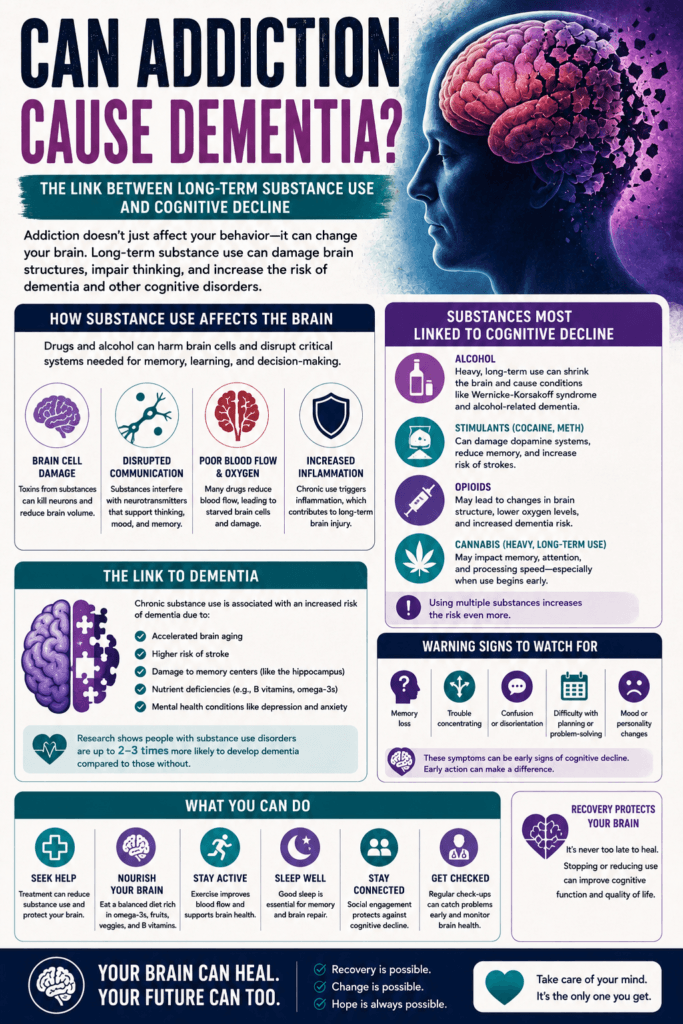
The brain relies on its complex networks to keep memory sharp, solve problems, and handle daily life. When substances like alcohol, opioids, cocaine, or methamphetamine are used for a long time, they can disrupt how brain cells talk to each other. Over the years, this adds up to real, physical changes, such as shrinkage in some areas and damaged white matter.
Alcohol-related dementia is probably the most talked about, but drug-induced cognitive decline isn’t rare. One key thing I’ve noticed is that it doesn’t take super high doses for decades; even moderate, regular use over the years can be enough. The risk increases the longer the habit continues, especially if it’s combined with poor nutrition or other health problems.
Understanding How the Brain Changes Physically
Brain imaging studies have shown that long-term substance use often leads to the brain looking different on scans. Here’s what’s happening inside:
- Brain Shrinkage: Parts of the brain tied to memory and decision-making, like the frontal lobes and hippocampus, can actually get smaller over time.
- White Matter Damage: The brain’s “wiring,” called white matter, gets disrupted, making signals travel less efficiently. This means slower thinking or trouble planning simple tasks.
- Cell Death: Toxic effects of alcohol and drugs can cause brain cells to die earlier than they should, making it hard for the brain to maintain normal function.
- Neuroinflammation: Substance use sparks inflammation in the brain, sort of like when you get a bruise elsewhere, but here it slows or muddies thinking instead of just hurting.
The physical changes often don’t stay in one brain area. Instead, they mess with several regions, producing memory loss, poor judgment, and, if unchecked, dementia down the road.
What Cognitive Decline Looks Like Day to Day
When dementia is linked to longterm substance use, symptoms often sneak up. It’s easy to blame “bad days” or aging, but there’s more at play. In my experience, the early signs can look like:
- Trouble remembering appointments, directions, or recent conversations
- Forgetting words mid-sentence or repeating stories
- Losing track of time or getting lost somewhere familiar
- Unusual decisions or risky behavior, especially if it’s out of character
As time goes on, these problems stack up. Tasks that always felt automatic, such as paying bills or making dinner, can get confusing. People might withdraw socially, get lost easily, or have mood swings, from anger to sadness, that aren’t explainable by other causes.
How Specific Substances Affect the Brain
The type of substance used really matters for how dementia shows up. Here’s a breakdown:
- Alcohol: Chronic, heavy alcohol use is one of the most common causes of substance-induced dementia. It hits the frontal lobes and cerebellum, making it tough to think clearly or balance. Thiamine (vitamin B1) deficiency from drinking can cause Wernicke-Korsakoff syndrome, a type of irreversible brain damage.
- Stimulants (cocaine, methamphetamine): These boost brain chemicals initially but break down neurons and blood vessels with long-term use. Over time, there’s memory loss, slower thinking, and increased risk of stroke, each a pathway to dementia.
- Opioids: Whether prescription painkillers or street drugs like heroin, opioids slow brain function. Studies show that after years of use, there is trouble learning new things, remembering faces, or handling everyday tasks.
- Cannabis: The data here is pretty mixed, but heavy, daily use, especially from a young age, may increase the risk of later cognitive decline.
The common thread is that long-term exposure switches up how the brain handles, stores, and retrieves information, showing up as full-blown dementia in some cases.
What to Watch Out For: Signs Beyond Memory Loss
Not every symptom is about forgetting things. I often see people struggling with:
- Losing interest in hobbies or skipping social events
- Changes in sleep, either not sleeping at all or sleeping much more than before
- Neglecting personal care (bathing, brushing teeth, changing clothes)
- Difficulty handling money or falling for scams
- Suspicion or paranoia without reason
If you notice several of these changes in someone with a history of substance use, it’s especially important to get a proper health check. Primary care doctors can screen for cognitive impairment and connect families with support resources.
Managing the Risks and Supporting Brain Health
While the physical changes linked to dementia from long-term substance use can’t always be reversed, some steps do help slow things down or keep the brain as healthy as possible:
- Stopping Substance Use: Quitting drugs or alcohol early on can stop further brain damage and sometimes lead to partial improvement in thinking skills.
- Nutrition: Getting enough vitamins, especially B vitamins, is super important because substance use often drains these stores.
- Physical Activity: Regular movement, anything from walking to yoga, boosts blood flow and may help the brain work more efficiently.
- Mental Stimulation: Reading, puzzles, or even learning a new skill give the brain a workout and build mental “reserves.”
- Routine Medical Care: Treating high blood pressure, diabetes, and mental health problems lowers the risk of mental health issues getting worse.
Family and caregivers play a big role. Having routines, offering reminders, and finding support groups can make a huge difference both for those affected and their loved ones trying to help.
Challenges People Face with Diagnosis and Stigma
Getting the right diagnosis is sometimes tricky. Symptoms of substance-induced cognitive decline can look a lot like regular aging or mental illness. Some people feel embarrassed or ashamed to talk about substance use, which leads to delays in getting the right help.
Healthcare providers, doctors, social workers, and counselors can guide people through this process in a way that feels safe and non-judgmental. In my view, removing the stigma around substance use is just as important as providing practical support. Open, honest conversations can lead to earlier screening and better care.
Frequently Asked Questions
How do I know if memory loss is caused by substance use and not just aging?
Memory loss from substance use tends to show up at a younger age, progresses more quickly, and is often linked to other symptoms like risky behavior or changes in social life. A healthcare provider can help sort out causes, often starting with simple memory tests and blood work.
Can stopping substance use reverse the symptoms of cognitive decline?
Quitting drugs or alcohol can slow down or sometimes partly improve thinking, especially if it happens early. But if there’s been a lot of brain damage already, some symptoms might stick around. Early intervention is really key here.
Are there any treatments available for substance-linked dementia?
No single “cure” exists, but managing risk factors, adopting a healthy lifestyle, and seeking rehab or cognitive training programs can help maximize what abilities remain.
How can family members best support someone going through this?
Offer stable routines, gentle reminders, and lots of patience. Encourage appointments with health professionals, and check out local support groups focused on addiction, memory loss, or caregiving.
Final Thoughts on Protecting Brain Health
Cognitive decline linked to longterm substance use doesn’t just affect memory; it changes how people act, manage emotions, and connect with others. Knowing the physical impact on the brain helps people take early action. With the right mix of support, medical advice, and lifestyle changes, it’s possible to slow or even prevent some types of decline.
When in doubt, reaching out for help, whether you’re worried about yourself or someone in your circle, is always worth it. Small steps like starting a conversation, scheduling a checkup, or looking for a local resource can make a difference. Knowledge, support, and staying informed are powerful allies in this adventure.
Video: Substance abuse = early dementia? What science actually shows #brain #health #shorts