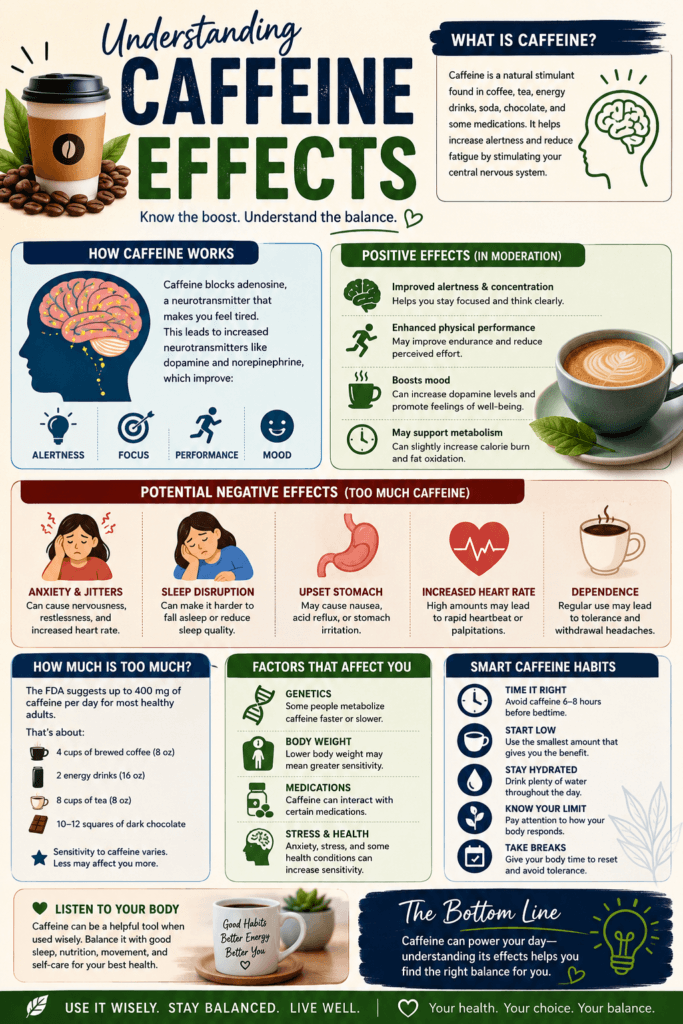
Caffeine is one of those things most people feel they understand. Grab a coffee or an energy drink, and get a quick buzz to push through a slow morning. But there’s more going on under the surface than just a pick-me-up. People often think they know exactly why caffeine affects them the way it does, or wonder why their friend gets jittery after half a cup while they can fall asleep after a double espresso. The hidden reason so many misinterpret caffeine’s effects lies in what’s actually happening to two little molecules in the brain, and in why personal experience plays such a big role.
Understanding Caffeine: More Than Just a Wake-up Call
Caffeine works by blocking adenosine receptors in the brain. Adenosine builds up naturally during the day, making you feel sleepy by binding to its receptors. When caffeine enters the system, it competes for those same sites, preventing adenosine from making you feel tired. That’s the basic science most people have heard. What’s less clear is just how much everything else—your own habits, your genes, and your environment—change how you actually feel after a cup.
People often blame caffeine for causing racing thoughts, energy crashes, or even a weird sense of hyperfocus. But knowing the backstory on how this molecule works is super useful if you want to understand what’s really making you feel “buzzed,” “wired,” or “drained.” A lot of it isn’t about caffeine itself but about how your body and brain handle it over time.
Personal Tolerance: The Key Behind Confusion
Everyone has a different baseline when it comes to caffeine. If you’ve been drinking coffee daily for years, your body adapts. Adenosine receptors can increase in number if they’re being blocked day after day, meaning you need more caffeine to feel the same buzz. Newbies, on the other hand, can feel jittery or anxious from just a tiny dose. This process, called tolerance, is a big reason people misjudge caffeine’s effects.
Here are a few things I’ve noticed over the years (and science backs this up):
- Some people get a big mood boost, while others just get more productive.
- Breaking your caffeine routine, like skipping your afternoon coffee, can make you feel sluggish even if you slept well.
- Sticking with your usual habits might make it tough to tell if caffeine’s really helping or just keeping withdrawal at bay.
Personal tolerance isn’t just about how much you drink, but also how your body clears caffeine out. Which leads right into how your genetics can shape your caffeine story.
Genes and Caffeine: The Overlooked Difference
One of the coolest things I’ve learned is how much your DNA influences your caffeine experience. Some people naturally break down caffeine much faster than others. There’s a gene, CYP1A2, that handles this. If you have the speedy version, caffeine leaves your body quickly. If you have a slower version, it sticks around longer, which often means more jitters or a late-night buzz you didn’t expect.
Other genes play roles as well, affecting everything from sensitivity to side effects like increased heart rate. That’s why one person can sip coffee at 10 p.m. and sleep like a log, while someone else starts tossing and turning after an iced tea at lunch.
Worth Checking: Some direct-to-consumer genetic tests can tell you about your CYP1A2 type. It’s pretty handy info if you’re puzzled by your caffeine response!
The Placebo and Expectation Effect
Another hidden player is what you expect to happen after drinking caffeine. If you think coffee will give you energy or make you more alert, there’s a good chance it actually will—even beyond the chemical effect. Studies have shown that people given decaf often report feeling more awake, simply because they think they are getting a caffeine boost.
Expectation also works in the other direction. If you think caffeine always gives you the shakes, even a weak cup might make you anxious.
So, your beliefs about caffeine can shape how you feel just as much as the actual molecule.
Quick Guide: How Caffeine Gets Misread Day-to-Day
There are a few reasons why people mix up what caffeine is actually doing to them. Here’s what I see come up regularly:
- Mixing Up Withdrawal and Fatigue: That slow, foggy morning could just be caffeine withdrawal, the body asking for its usual dose, not necessarily true tiredness.
- Attributing All Arousal to Caffeine: Sometimes, excitement or nervousness from something else gets pinned on that cup of coffee.
- Underestimating Dose: Coffee shop drinks can have wildly different caffeine amounts. That “small” coldbrew might pack two or three times as much caffeine as homebrewed coffee.
- Ignoring Sleep Debt: No amount of caffeine can make up for missed sleep, yet people often expect it to erase tiredness completely.
Taking a day or two off caffeine every so often can help you figure out how much your energy and focus are tied to the habit, and how much is just you.
Factors That Change How You Feel Caffeine
Besides genes and habit, other stuff can make caffeine hit differently than you expect. Here’s what often gets overlooked:
- Stress Levels: High stress can amplify caffeine’s negative effects, such as jitters or anxiety.
- Sleep Quality: If you’re sleep-deprived, caffeine might help you feel more alive, but the crash can come hard and fast.
- Medications and Health Conditions: Some prescription medications and herbal supplements can slow or speed up caffeine metabolism. Health conditions (like liver issues) can play a part too.
- What You Eat: Eating food with caffeine slows its absorption, toning down the buzz a bit compared to drinking coffee on an empty stomach.
Tuning in to these factors helps you actually notice what caffeine is doing rather than what you assume it’s doing.
Overcoming Common Caffeine Confusion
If you want to get the most out of caffeine, whether it’s for an energy boost or just enjoying the ritual, being aware of your own patterns is really important. Here are a few tips I use myself and always recommend:
- Track Your Intake: Write down when and how much caffeine you’re having for a week. Look for connections between timing, dose, and how you feel.
- Experiment with Timing: Try moving your caffeine window earlier to see if you sleep better.
- Watch for Withdrawal Patterns: Pay attention to days you feel groggy or get a headache. Did you have less caffeine than usual?
- Mix in Decaf: If you’re craving coffee’s flavor, decaf is a good swap (especially in the afternoon).
Getting real about your expectations and mixing things up can help you spot the hidden patterns you might’ve missed. Consider talking with your doctor if you notice ongoing side effects, as some medical conditions can also affect how your body processes caffeine.
Real-World Examples: When Caffeine Surprises Us
Here’s a quick story from my own experience. I once switched from regular coffee to a super-strong cold brew, thinking it would be a cool afternoon treat. I could barely focus and felt strangely restless—a real reminder that not all coffee is created equal. Another friend swears by their daily 2 p.m. espresso, but if they skip it, a headache pops up by late afternoon. That’s classic withdrawal, not just tiredness from a busy workday.
Stories like these show how easy it is to mistake habit, expectation, or dose for the real effects of caffeine. Many people bounce from drink to drink and never realize how much personal factors matter, or why decaf sometimes feels just as powerful as a big cup of the real stuff. Over time, it’s easy to run on autopilot, never questioning if your habits are helping or just maintaining a cycle.
Frequently Asked Caffeine Questions
People trying to figure out caffeine often ask:
Question: Why does caffeine make me sleepy sometimes?
Answer: Sometimes, when caffeine wears off, you get a “rebound” of adenosine, making you more sleepy than you started. Also, if you’re already sleep deprived, caffeine can only do so much!
Question: Can caffeine help me focus, or is it just in my head?
Answer: Caffeine does increase alertness for most people, but part of the effect is expectation. If you think caffeine boosts your focus, your brain often helps out.
Question: How much caffeine is too much?
Answer: More than 400mg per day (about 4 cups of coffee) can increase side effects such as jitters, upset stomach, or trouble sleeping. Everyone’s sweet spot is a little different based on genes and tolerance.
Takeaways on Really Understanding Caffeine Effects
Most people misinterpret what caffeine does because they overlook their genetics, habits, and even the power of expectation. Building awareness of your own patterns and learning a bit more about what happens in your brain and body is super useful if you want your caffeine fix to work for you, not against you. Honest tracking, staying flexible, and recognizing those “hidden” factors can totally change how you approach your next cup.
No matter where you fall on the coffee fan spectrum, it’s always worth stepping back now and then to see if your daily ritual is helping you out or just running on autopilot. Keeping an eye out for subtle shifts is the key to making caffeine a helpful ally, rather than a misunderstood habit.
Video: How Much Caffeine Is Too Much #science #shorts