Experiencing trauma can shake things up in all areas of life, sometimes making the everyday stuff feel overwhelming. While prescription drugs and other substances are commonly used to cope, there are many ways to start feeling better and regaining control—no medication needed. I’ve seen how practical strategies and support systems can make a real difference, so I’m walking you through proven methods for coping with trauma naturally.
Understanding Trauma: What It Means and How It Shows Up
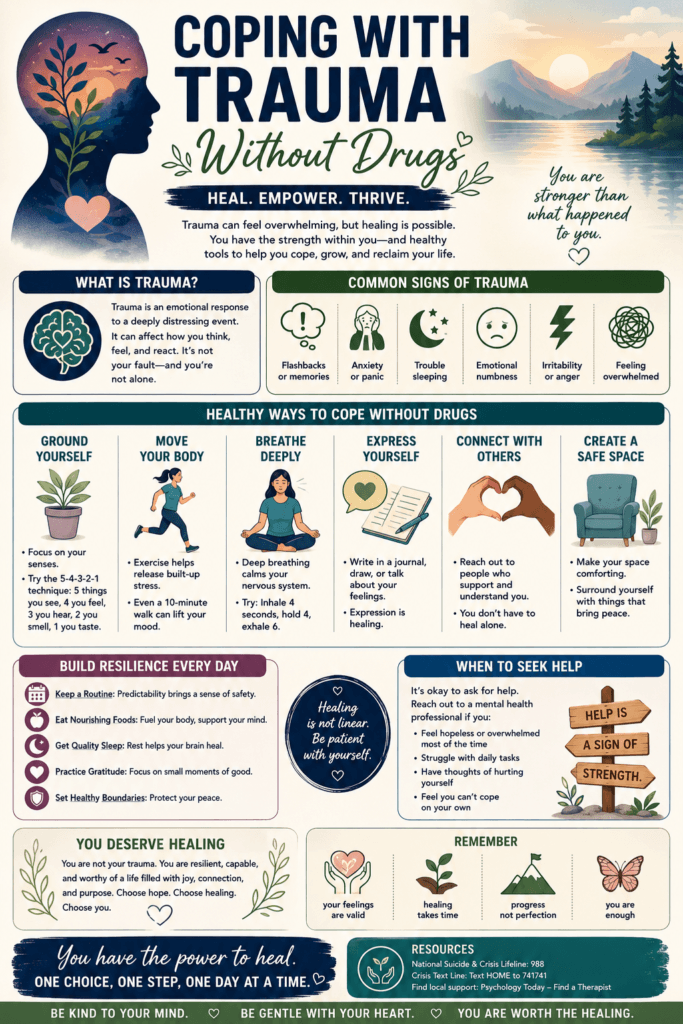
Trauma doesn’t have to come from a single, life-changing event; it can build up from many stressful situations over time. Sometimes, trauma is obvious after things like accidents or loss. Other times, it’s more subtle and develops after repeated stress, tough relationships, or other ongoing struggles. For most people, trauma brings out symptoms like anxiety, intrusive thoughts, unpredictable moods, difficulty sleeping, or feeling numb and disconnected.
Learning how trauma affects your body and mind is the first step to recovery. When you know more about what’s going on, it’s easier to choose healthy coping strategies instead of falling back on habits that might cause more harm down the line. Trauma recovery is a process; it takes time, patience, and the right tools. Positive change is absolutely possible, even after long periods of difficulty.
Natural Coping Strategies That Actually Help
Turning toward healthy ways to manage trauma can help break the cycle of relying on substances or risky patterns. These approaches work best when you have patience with yourself and try things out at your own pace. Check out these strategies I always recommend starting with:
- Mindfulness and meditation: Focusing on the present moment can help quiet anxious thoughts and help you return to your body. Guided breathing and short meditations are easy to try—even a few minutes a day can make a noticeable difference.
- Exercise and movement: Physical activity releases feel-good chemicals and can burn off some of the nervous energy that trauma triggers. This doesn’t mean you need to hit the gym; even a daily walk or gentle stretching helps.
- Creative outlets: Expressing yourself through art, music, writing, or any creative hobby is a powerful way to process feelings. It helps your brain work through tough memories and sometimes brings relief in ways that talking can’t quite match.
- Journaling: Putting your thoughts and feelings on paper helps organize what’s going on inside your head and can make things less overwhelming. Try setting aside ten minutes a day to write—no rules, just honesty.
- Nature breaks: Spending time outside is super calming for anyone living with trauma. Natural settings, like parks, gardens, or forests, help lower stress and reset your mood. You don’t have to go far; just sitting outside can work wonders. Sunlight, sounds, and fresh air can give you a quick boost to your mental state.
Sometimes, people also stumble upon activities like yoga, tai chi, or breathing exercises that fall between mindfulness and movement. These approaches can help ground your senses and provide an additional layer of support when tough emotions bubble up.
How Support Systems Make Recovery Easier
Tough emotions and memories are a lot to handle on your own. Having the right kind of support makes a world of difference. I always remind people that support can come from lots of places. It’s not just about talking to professionals (though that’s helpful too). Friends, family, support groups, or even online communities can step in when things get rough.
Sharing your experiences isn’t easy, but when you open up to someone you trust, it can feel less isolating. Sometimes, the simple act of talking things through takes away some of the trauma’s power. Peer support groups, especially ones focused on specific traumas or life stages, provide the kind of understanding that’s hard to find elsewhere. These connections can help keep you on track and remind you that you’re not alone in what you’re going through.
Getting Professional Help (No Medication Required)
If you’re feeling stuck, therapists offer more than just medication options. Trauma-informed counseling uses approaches that help people work through trauma at their own pace. Techniques like cognitive behavioral therapy (CBT), eye movement desensitization and reprocessing (EMDR), and somatic (body-focused) therapies can all smooth the way to real healing.
Plenty of therapists now offer sessions by phone or video, so it’s easier to get started, even if you’re not ready to meet in person. No single therapy works for everyone, so trying out different counselors or approaches is perfectly okay. Progress looks different for everyone, and it’s normal to need a little time to spot what clicks.
Awesome Self-Care Practices for Daily Recovery
Small acts of self-care can be surprisingly powerful when you’re managing trauma. These practices don’t fix everything overnight, but they add up. I stick with a few basics and find they help slow things down and make the day more manageable:
- Consistent sleep routines: Trauma often disrupts sleep, so keeping to a regular bedtime and wake-up time (even on weekends) helps your brain and body recover. If you can, create a relaxing bedtime routine—dim the lights, read something light, or listen to soothing music.
- Balanced, nourishing meals: Eating well supports your mood and energy levels. Try adding more fresh fruits, veggies, and whole grains when you can. Avoiding too much caffeine or sugar can also keep ups and downs in check.
- Grounding exercises: Techniques like focusing on five things you can see, four things you can touch, or taking slow, deep breaths help keep you present during flashbacks or anxiety spikes. Some people keep a special object in their pocket to touch when things get tense.
- Gentle time management: Breaking big tasks into small steps stops things from feeling impossible and can make daily routines easier to handle. Using lists, alarms, or even sticky notes can help break down the day into bite-sized chunks.
On days when everything feels too much, doing the minimum—like showering, eating something simple, or even just opening a window—counts as a win. Self-care can be flexible and forgiving.
What to Keep in Mind: Common Challenges and Roadblocks
No one expects trauma recovery to be smooth or fast, and it’s pretty common to have setbacks or days where nothing seems to work. Here are a few real-life roadblocks that come up, along with ideas to handle them without falling back on risky habits:
- Triggers popping up unexpectedly: Certain smells, songs, or even weather changes can bring memories right back. Noticing your triggers (maybe jotting them in a journal) helps you prepare coping strategies in advance. If you need to, excuse yourself or step outside when a trigger shows up.
- Feeling alone or misunderstood: Not everyone will get what living with trauma feels like. Connecting with supportive folks, in person or online, gives you that needed sense of belonging. Sometimes, even one person who truly listens is enough to make a difference.
- Lack of motivation: Some days, everyday tasks feel like climbing a mountain. Remind yourself that it’s okay to have slow days, and stick to the basics when you need to (hydration, food, and rest).
- Impatience with the pace of progress: Healing rarely follows a straight path. Celebrate small wins, and don’t compare your adventure with anyone else’s. Every step counts, no matter how tiny it feels at the time.
When More Help is Needed
If you’re feeling overwhelmed, stuck, or notice thoughts about hurting yourself, reach out for help right away. Crisis hotlines, local support groups, or trusted therapists are always worth turning to. Getting help quickly can make things feel more manageable, even if you think your struggle isn’t “serious enough.” Remember, everyone deserves support.
Pro Tips for Long-Term Growth and Resilience
Thriving after trauma doesn’t just mean surviving tough days; it’s also about building up resilience for whatever comes next. Here are some practices I recommend for keeping up progress in the long run:
- Build on your strengths: Focus on what you’re good at or times when you handled stress well, even if they seem small. This boosts self-confidence and helps tackle bigger challenges down the road.
- Set gentle, realistic goals: Whether it’s joining a club, learning a new hobby, or reconnecting with old friends, they give you something positive to look forward to. Mark your progress—even tiny steps are important.
- Practice self-compassion: Treat yourself with kindness, not criticism. If you have a tough day (or week), remember it’s normal and doesn’t erase the progress you’ve made.
- Stay flexible: Some coping strategies might stop working or grow stale. Check in with yourself every now and then, and mix up your approach as needed. It’s fine to outgrow what once helped—just look for new things that fit your current needs.
Staying connected with others, continuing hobbies, or volunteering when you feel ready can also give your mood and self-worth a big boost. Remember that growth is ongoing.
Frequently Asked Questions
People who are moving forward after trauma almost always have similar questions about what to expect and what actually works. Here are a few I hear all the time:
What are the best ways to start coping with trauma naturally?
Answer: Start small by establishing daily routines—regular meals, time outside, and a bit of movement work well. Mindfulness and creative hobbies also provide relief and are easy to fit into your day.
How do I know if I need professional help?
Answer: If you feel stuck, notice worsening symptoms, or have trouble with relationships, sleep, or work, it’s a good idea to check in with a therapist. Try especially to find someone trained in trauma recovery.
How long does recovery from trauma take?
Answer: Recovery isn’t the same for everyone. Some people feel better in a few weeks or months. Others need longer, especially if trauma has lasted for a while. What matters most is taking steady steps, no matter how small.
Key Takeaways for Moving Forward
Managing trauma naturally takes patience and a little creativity, but it’s totally doable. Using self-care routines, support systems, and professional guidance if needed, you can start to feel more like yourself—no substances required. Individual paths might look different, and what matters is finding what feels right to you. If things ever feel too tough, remember: reaching out for support is a sign of strength, not weakness. Give yourself credit for every step you take, and be gentle with yourself as you keep moving forward.
Video: Why Your Body Won’t Heal From Trauma (Until You Do This) #trauma #healing #recovery