Sobriety is an adventure, and while getting clean or sober is often thought of as the hardest hurdle, sticking with it is a completely different challenge. I’ve seen firsthand how easy it is for people to slip into autopilot once the chaos fades and life seems “back to normal.” The cost of complacency in sobriety can sneak up quietly, and the outcomes might hit harder than anyone expects. Here, I’m going to break down why staying sharp in recovery is so important, and what can really happen when people let their guard down.
What Does Complacency in Sobriety Actually Look Like?
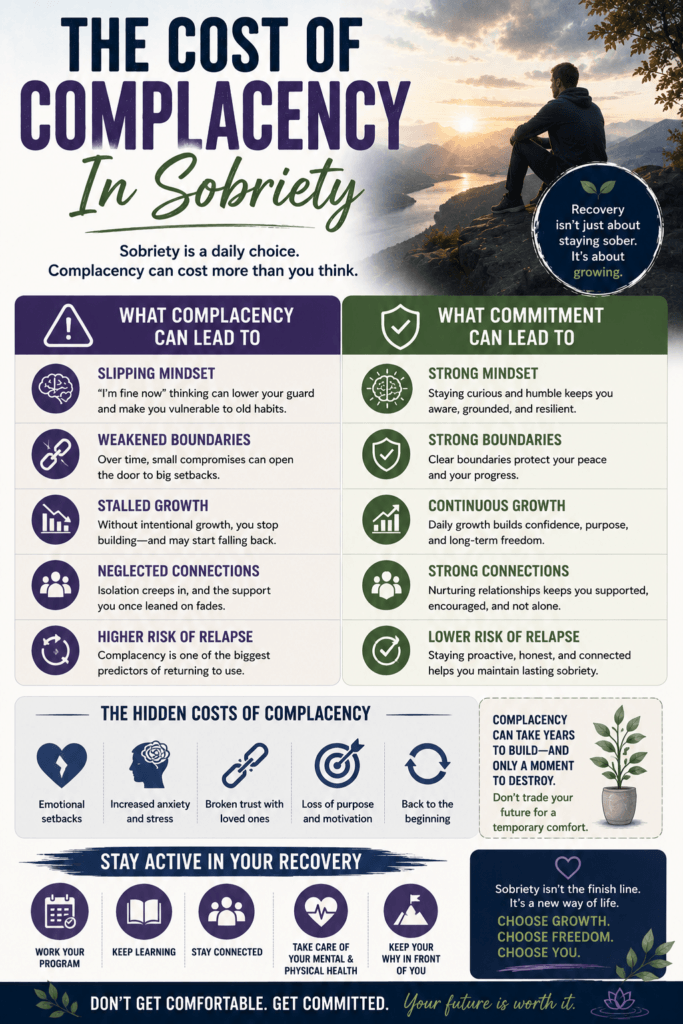
Feeling solid in your recovery is eye-catching and can be next-level cool, but this confidence can sometimes flip into risky overconfidence. I’ve noticed that people who begin thinking, “I’ve got this handled,” might stop doing the things that helped them stay sober at first. Maybe that means skipping meetings, drifting away from support groups, or not checking in with loved ones as often. Sometimes it’s just convincing yourself that old routines and tools aren’t so important anymore.
Complacency rarely hits overnight; it sneaks up gradually. You might catch yourself thinking, “I don’t need that meeting today,” or “just this once is fine.” Skipping a couple of recovery tasks here and there could seem harmless, but it adds up. Suddenly, someone might find themselves isolated with growing cravings, and the old ways start to look less risky than they are.
Why Complacency Happens So Easily
Early recovery feels urgent—the memory of addiction’s struggles is raw. But as life gets smoother, those memories dim. The pull of the old struggles fades, and sometimes the mind tricks itself into recalling things as “not so bad.” This is when people tend to mix in some variety with their routines or make exceptions, thinking it’s safe.
Boredom is a sneaky culprit, too. When recovery routines become too routine, they lose their spark. If personal growth feels stuck, complacency can move in and settle down. Folks who aren’t growing or finding new challenges can feel restless, and without a sense of purpose, it’s tempting to settle for “good enough.” This lack of newness or excitement can leave anyone more vulnerable to falling back into old habits.
Real Costs: What Can Happen When You Let Your Guard Down
Relapse is often the top worry, and for good reason; it’s common when support systems and self-care begin to fade. However, the cost of complacency isn’t always immediate or dramatic. Sometimes, it’s a slow drift into new or recurring stress, declining mental health, or loneliness creeping back in.
- Emotional Instability: If you slack on daily self-care, it can bring mood swings, irritability, and more anxiety. Without regular check-ins or support meetings, small bumps in life can feel like major roadblocks.
- Loss of Support: Being part of a supportive community is a huge factor for long-term sobriety. Complacency usually leads to letting those critical connections slip, making it way tougher to ask for help when you need it.
- Increased Temptation: Without strong coping strategies, cravings may seem more powerful. I’ve witnessed people slip into old patterns just because they believed they could “tough it out” solo.
- Risk of Relapse: Not actively working on recovery makes the distance to a relapse much shorter than it appears. Relapse rarely happens out of the blue—it’s typically the final step in a steady decline.
None of this is a sign of weakness. These outcomes just confirm that recovery is a process, not a finish line that you can coast through. The work is ongoing, but so are the rewards.
Ways to Spot Complacency Before It Bites You
Staying sharp can help keep your recovery solid. If you can spot complacency brewing before it sets in, you’re halfway to fixing it. Here are a few warning signs to look out for:
- Making excuses for skipping meetings, therapy, or check-ins
- Feeling like, “I can handle this alone; I don’t need support anymore”
- Downplaying past struggles or the seriousness of addiction
- Feeling bored, stuck in a rut, or unmotivated
- Letting good habits (exercise, journaling, meditation) fall by the wayside
If any of this rings true, now’s a great time to hit pause and make some small fixes before things get out of hand. Acting early saves a lot of heartache down the road.
Simple Steps to Stay on Top of Your Recovery
Keeping sobriety strong is not about being perfect. It’s about building small, consistent habits so you can catch yourself before you tumble. Here’s what I see work for those who stick with recovery for the long haul:
- Keep Checking In: Regular contact with your support system—a sponsor, counselor, or friends—keeps you grounded. Schedule these check-ins so you don’t just do them “when you feel like it.” Accountability matters.
- Maintain Some Structure: A steady routine provides daily stability. Even if you mix things up occasionally, hold onto a few anchors, like regular meetings or morning rituals.
- Stay Curious: Keep learning about your triggers, personal growth, and stress-management techniques. If your routine feels stale, try a new hobby or get back into something that once inspired you.
- Celebrate Wins (Big and Small): Recovery can sometimes feel like a grind, but recognizing your progress is powerful. Celebrating even the small victories can ignite new motivation.
- Ask for Help Early: If you notice yourself slipping, reach out and talk about it. Don’t wait for a crisis—early intervention is often the game-changer.
These steps can’t guarantee you’ll never misstep, but they do make the ride smoother. Real progress is made by ongoing effort and treating recovery as a daily practice, not a one-time achievement.
Common Questions on Complacency in Sobriety
Clearing up a few things I hear from folks in recovery can help a lot. Here are common questions and what I’ve learned over the years:
Question: Is it normal to feel “bored” in long-term sobriety?
Answer: Definitely. The early stages are a whirlwind, but as life steadies, boredom sets in. It’s important to jump into new interests and challenges to keep things fresh and meaningful.
Question: Can someone still relapse even after years of sobriety?
Answer: Absolutely. Relapse is possible when old habits or mindsets creep back in. Maintaining consistent contact with your support crew and sticking to routines helps guard against this.
Question: What should I do if I spot myself getting complacent?
Answer: Get real with yourself and reach out for support. An honest chat with a friend, sponsor, or therapist can be just what’s needed to snap out of autopilot and find your focus again.
Question: How do routines help with long-term recovery?
Answer: Good routines offer stability and tools for managing tough days. They keep you grounded, alert to bad patterns, and remind you of the reasons you started the adventure of recovery.
Why Working Against Complacency Is So Important
There’s a clear line between quitting an addiction and building a strong life in recovery. Folks who keep their focus on growth and honesty get more out of their sobriety—they create a life they truly want to defend. They’re not just avoiding drugs or alcohol; they’re making something they care about.
Holding steady in recovery asks that you spot triggers as they arise, nurture real relationships, and keep pushing yourself forward. The aim isn’t just to avoid bad outcomes—it’s to create great ones, like meaningful relationships, mental clarity, and a sense of self-worth that really makes the adventure worthwhile.
Complacency can cost you more than just a relapse. It can drain your peace of mind and rob you of a sense of progress and the deep joy that comes from a stable, purpose-driven life. By keeping an eye out, sticking with healthy routines, and staying curious about your own journey, you make the price of complacency one you won’t have to pay.
Video: This One Mistake Ends Sobriety #realitytalk #recovery