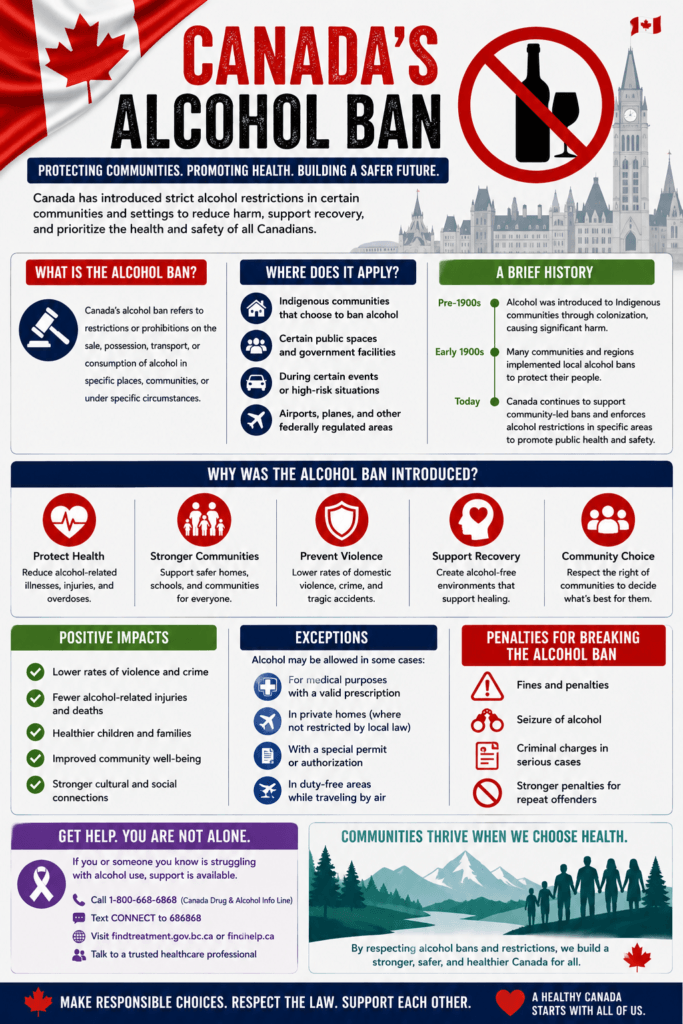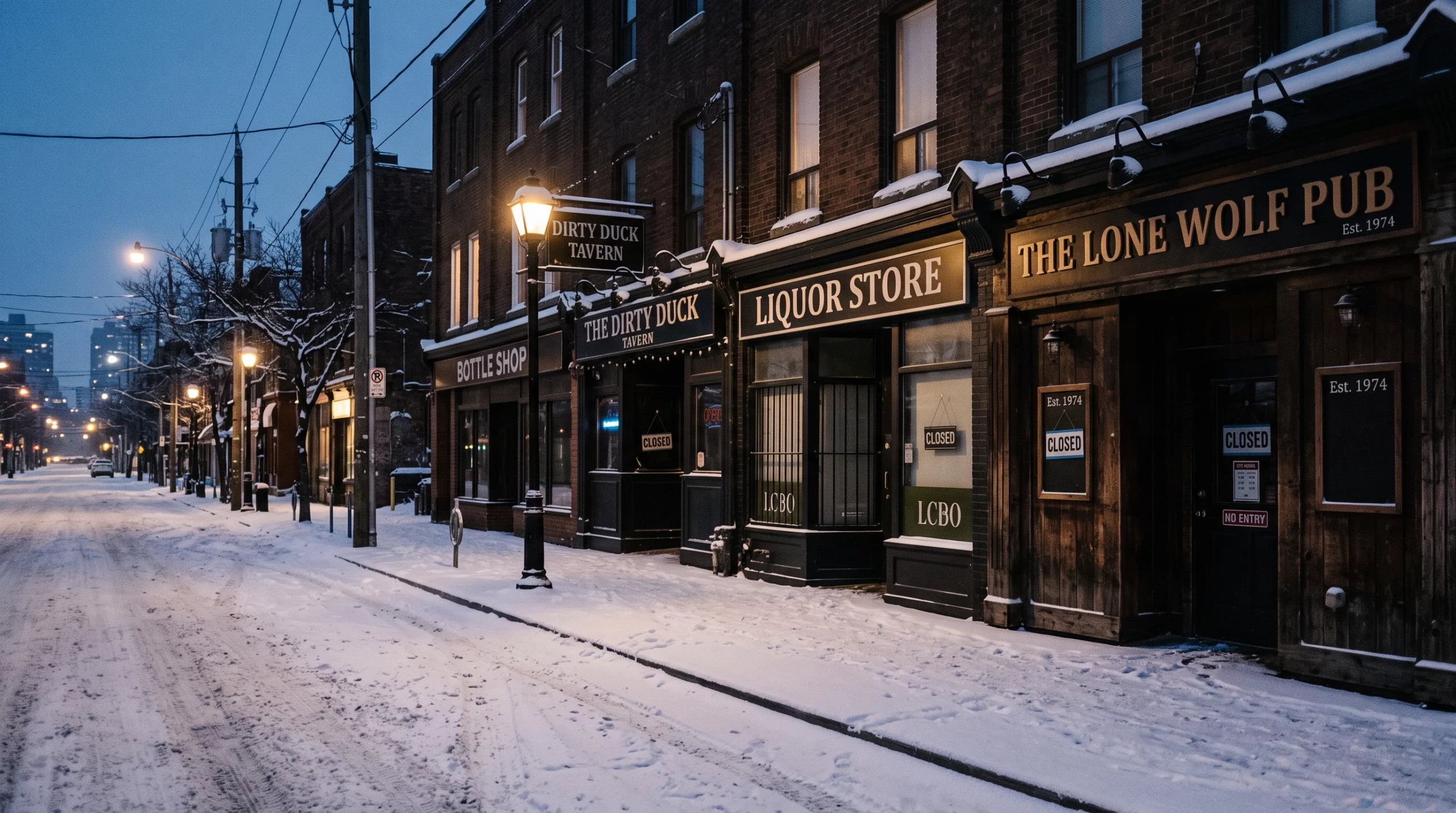
Canada’s new wave of alcohol restrictions signals a major switch-up for anyone on the path of recovery. The country’s latest moves on limiting where and when alcohol is available spark plenty of questions, especially for folks who are trying to get sober or are already working their way through recovery. With changes rolling out at the provincial level, these rules might mix up how communities view addiction and shape what support actually looks like for those who need it most. Here’s an all-in-one look at what’s unfolding and what it could mean for recovery adventures across Canada.
Why Canada is Rethinking Alcohol Access
Governments and health experts across Canada have spent years monitoring the effects of drinking on health and communities. Alcohol use is linked to all sorts of problems, including higher rates of cancer, heart issues, more accidents, and a bigger strain on hospitals. Studies from organizations like the Canadian Center on Substance Use and Addiction show that even moderate drinking can harm health over time, surprising many who thought casual use was safe.
In the past couple of years, several urban places and provinces have worked to reduce where and when alcohol can be sold. Think earlier closing times, fewer liquor licenses, and limits on new alcohol-friendly patios. The goal is to reduce impulse buying, reduce violence and injuries, and make spaces safer at night. These tweaks might seem small, but for people in recovery, even these changes directly shape daily choices and the challenge of staying sober.
What the Alcohol Ban Actually Looks Like
Canada isn’t putting a lock on the liquor cabinets totally; this isn’t the Prohibition era. Instead, the restrictions usually add tighter rules for sales and hours. Here’s how the latest restrictions work in practice:
- Shorter hours: Bars, restaurants, and retail spots must close up earlier or stop serving as the evening winds down.
- Limited locations: New alcohol permits face more serious local checks, so you’ll see fewer stores pop up in neighborhoods or around schools.
- Stricter promotion rules: Advertising is watched even more closely to avoid making drinking look next-level cool, especially to younger groups.
- Special event pauses: Festivals and concerts may have less alcohol or set up designated drinking zones.
Each province and city sets its own rules, so the details depend on where you live. Most of these updates rolled out gradually during 2023 and 2024—and discussions continue as officials look for the best balance.
How These Changes Affect Recovery
For many working through recovery, these alcohol rules can be both helpful and frustrating. On one hand, making alcohol less easy to get helps cut down temptation in weak moments, which is a big deal for people getting started with sobriety or those surrounded by drinking culture. On the other hand, new rules don’t make cravings and triggers vanish. Social pressure, rough days, or celebrations still exist, and recovery is much more than just skipping a drink. That said, some in recovery note there’s less FOMO (fear of missing out) as social events mellow out and the “party vibe” cools off.
Community Impact: Less Drinking Culture and More Support?
Shorter bar hours mean the late-night urge to drink is less powerful. Some communities see a switch up in fun—coffee shops that stay open late, group walks instead of pub crawls, and less pressure to drink to fit in. These shifts open up new ways for people in recovery to connect and feel welcome in social spaces, rather than looking in from the outside.
Getting a Handle on Cravings and Triggers
Restricted access helps, but doesn’t crush cravings for good. Here are a few simple game plans for anyone working through recovery in Canada’s current climate:
- Track your routine: With fewer alcohol choices, you can swap in movie nights, home cooking, or new hobbies to help you break patterns and find fresh energy.
- Lean into support networks: Community groups and hotlines are available day or night for anyone needing extra support.
- Plan for social events: If gatherings still have some alcohol, picking a favorite nonalcoholic drink or having a solid “no thanks” in your back pocket keeps pressure low.
For those newer to recovery, these strategies mesh well with fewer alcohol options around and make it easier to spot healthy choices in everyday life. Every win counts.
Challenges of the New Alcohol Climate
Stricter alcohol environments help many in recovery, but don’t solve every problem. Some speed bumps include:
- Switching substances: Some fear reduced alcohol just pushes people toward other substances. Sticking closely to support makes a difference here.
- Cross-border or black market risk: towns or unlicensed sellers. That’s risky and can undo progress.
- Economic strain on communities: Bars and restaurants feel the changes, potentially leaving fewer gathering spots and jobs in local districts.
Preparing for these shifts—through honesty, discussion, and ongoing support—lets people, families, and communities adapt smoothly and work together for better results.
Tackling Underage and Problem Drinking
Officials push for stricter controls mainly to slow the spread of underage and problem drinking. For families with teens or young adults, cutting down access means less opportunity for casual or risky drinking. This is huge for those hoping to break free from cycles of normalized alcohol use and start fresh with healthier habits.
Tips for Navigating Recovery in a Stricter Alcohol Environment
Most of these alcohol rule shifts are still new, and everyone’s adjusting. Here are some practical tips to steer through recovery right now:
- Dig into new hobbies: Try activities that don’t involve drinking, like painting, hiking, or volunteering in the community.
- Grow your support system: Stay close to those who respect your boundaries. Online or local support groups are a lifeline and make the road feel less lonely.
- Focus on your “why”: Remember what fuels your recovery—maybe it’s seeing your kids, better health, or simply waking up clear-headed.
- Show yourself compassion during setbacks: Slip-ups can happen, but reaching out and getting back on the horse is part of the ride.
- Stay up to date: Alcohol law changes still pop up across Canada, so keep tabs on updates in your area to plan ahead and avoid surprises.
Health Canada and national organizations update their resources and tips often; their websites and helplines are great if you want information or need to reach out for help.
Real-World Stories: Experiences Across the Country
Folks from different provinces are sharing how new rules change day-to-day life. A young parent in Halifax mentioned that with stricter rules downtown, after-work parties became rare, lowering pressure to drink wine and making family time easier to grab. In Winnipeg, one support group started weekly potluck dinners to stay connected as pubs closed earlier. British Columbia saw a jump in outdoor group hikes and sober activities, giving recovery more fun options.
These stories show there’s no single recipe for running recovery amidst new alcohol laws—communities are thinking outside the box and finding what works for them.
FAQ: Canada’s Alcohol Ban and Recovery
Here are some common questions about how these new rules might affect recovery adventures:
Is alcohol still available in Canada?
Yes. The term “ban” is a little strong. Alcohol is available, just with tighter restrictions on hours, location, and promotions. Some events or places may have even stricter rules.
Do these restrictions help with recovery?
Plenty of people say they help by reducing temptation and social pressure, though some experience things differently. These changes support healthier spaces, not personal recovery plans themselves.
What support is available for recovery?
You’ll still find national hotlines, face-to-face groups, and online communities ready to help. In a lot of places, more sober meetups have started to fill the gaps left by reduced bar hours or alcohol-heavy gatherings.
Can someone still relapse even with all these changes?
Absolutely; relapse can happen anytime. Recovery is ongoing, and no new rule can replace the need for support and self-care. The current restrictions are another tool, not a magic fix.
Wrapping Up: Adapting and Moving Forward
Canada’s new alcohol rules are a big public health experiment. For people in recovery, these shifts bring both new chances and tricky situations. It’s a fresh start for building routines and connections around sober living, but it’s key to find support, adjust when needed, and stay patient as the country finds its stride. With policy updates and creative support systems, recovery adventures in Canada are bound to get more connected, inclusive, and inventive than ever before.
Video: Why Some Canadian Communities Still Ban Alcohol #shorts #history