Sugar has a sneaky way of weaving itself into daily life, showing up in snacks, drinks, and even foods people don’t always expect. What’s not so obvious is how a habit of eating too much sugar can actually change the way the brain works. I’m getting into what sugar does in the brain, how it can lead to a loop that’s easy to fall into but tough to break, and some realistic ideas for anyone looking to reset their relationship with sugar.
How Sugar Interacts With Your Brain
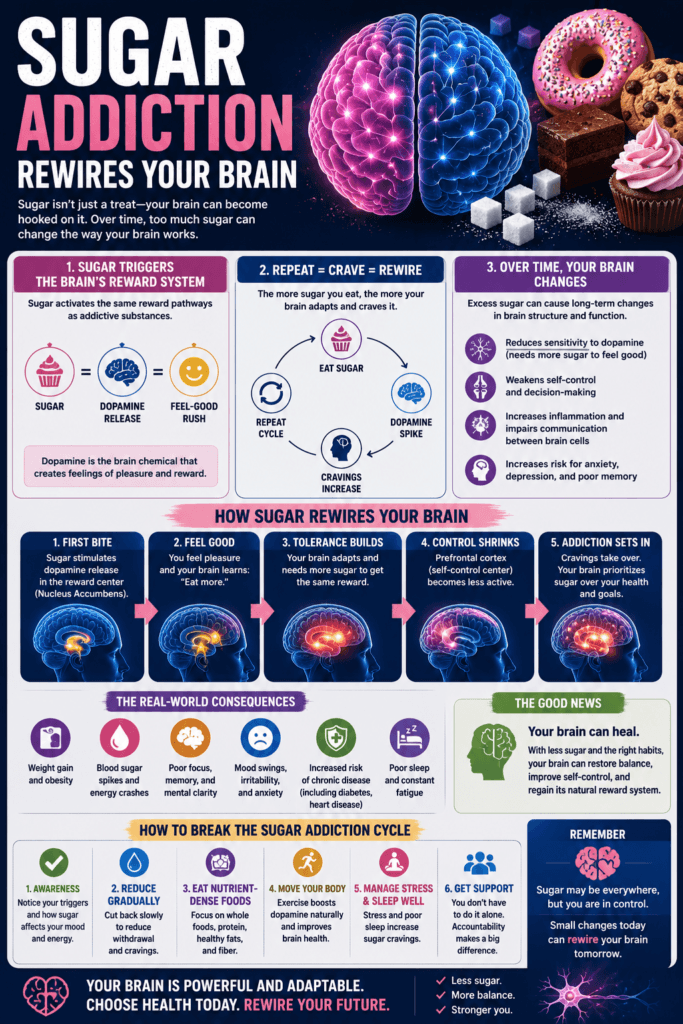
Eating sugar isn’t just about a quick energy boost. When I eat sweet foods, my brain lights up in specific areas tied to pleasure and reward. The main star here is dopamine, a neurotransmitter that’s basically the brain’s way of giving a pat on the back when something feels good. Sweet treats, especially those high in refined sugar, trigger a dopamine rush in the brain. A similar chemical bump happens with behaviors like gambling or even certain drugs.
But why does this happen? From a biological perspective, people’s brains evolved to crave sweetness because sugary foods were rare in the wild and high in calories. That dopamine reward was the brain’s way of saying, “Hey, this stuff helps you survive!” Fast forward to today, where sugar is everywhere, and this built-in reward system can easily go into overdrive. This means the brain is constantly receiving the signal that more sugar means a greater chance of feeling good, even when it’s no longer about survival.
Recent research has begun to check out these brain responses more closely. Studies with MRI scans show how repeated sugar intake strengthens the brain’s association between sweet flavors and feelings of satisfaction, making it hard to resist sweet snacks even when you know you should.
Sugar Addiction: What Does It Really Mean?
The phrase “sugar addiction” shows up a lot online, but it’s not exactly the same as what doctors describe for drugs or alcohol. The behaviors look really similar, though: strong cravings, eating more than intended, and feeling out of control around sweet foods. Scientists are still debating whether sugar fits the strict definition of an addiction, but the brain pathways involved follow the same general routes as with substances that can be addictive.
Repeatedly reaching for sweets can reinforce habits that strengthen cravings. Over time, the brain gets used to these dopamine bursts and starts needing more sugar to hit the same level of satisfaction. People might notice they crave sugar, especially during stressful or emotional times, because sugar interacts with systems tied to comfort and relief, not just physical hunger.
There’s also evidence showing that people’s willpower alone isn’t enough to resist. Each sugary treat acts as a little training session for the brain. The more this happens, the more likely everyday triggers—like walking past a bakery—cause cravings, even if you aren’t hungry at all.
The Brain’s Reward System and Sugar
The part of the brain most involved in this cycle is the reward system, particularly the nucleus accumbens and the ventral tegmental area. This system basically tells the brain what’s worth repeating and what isn’t. Sugary foods light up this network quickly and powerfully.
Some scientists have even put people into brain scanners to watch this process in real time. Images show that the same regions that respond to drugs of abuse also fire up when tasting something sugary. This isn’t about willpower. It’s a real brain response.
- Dopamine Release: Sugar triggers a fast and reliable burst of dopamine, making the experience rewarding.
- Building Tolerance: Over time, the brain reduces its response, leading to larger and more frequent sugar cravings to get the same buzz.
- Craving and Habit Cycles: Regular sugar spikes build strong “cue and reward” connections, making sugar-related habits hard to break.
An interesting bit from several studies: sugar doesn’t just change how the brain reacts in the moment. It can actually reshape the neural pathways tied to reward, self-control, and decision-making over weeks or months. This means that even after quitting sugar, it may take a while for those pathways to return to normal, which explains why cravings can stick around.
Understanding these brain circuits is a big part of why so many people fall back into old habits even after trying to cut down on sugar. The cycle of craving, reward, and habit forms a loop that the brain wants to repeat—unless you actively work to switch up the routine.
Signs Your Brain Has Been Rewired by Sugar
Noticing the way sugar is sneaking into everyday routines can be eye-opening. Here are some of the main signs I see people experience when their brain and sugar have gotten a little too cozy together:
- Strong Cravings for Sweets: Craving sugary snacks even after a full meal, or not feeling satisfied unless there’s dessert.
- Irritability or Mood Swings: Feeling grumpy or low between sugar hits, or using sweets to lift the mood.
- Loss of Control: Having trouble stopping after just one cookie or piece of candy.
- Habitual Snacking: Automatically reaching for sugary snacks during certain activities (after work, while watching TV, etc.).
- Energy Crashes: Feeling a rapid burst of energy after eating sugar, followed by a sudden drop that leaves you tired or sluggish.
These habits build up because of the brain’s responses to regular sugar intake. Even people who eat a healthy diet in other ways can find themselves caught in a sugar-grab-and-crash loop. Over time, the body can also become less sensitive to insulin, making these habits even tougher to manage.
Breaking the Cycle: Tips for Resetting Sugar Habits
Changing the brain’s relationship with sugar isn’t just about quitting cold turkey. It’s about switching up both cravings and habits in a way that feels doable. Here are some things that have worked for me and others:
- Notice Patterns: Taking note of triggers and routines where sugar sneaks in makes it a lot easier to change habits. I use a food journal, even if it’s just a quick note on my phone, to spot those patterns.
- Choose Natural Sweets: Swapping candies or baked goods for fruit when a craving hits can help dial down the dopamine reaction over time. The fiber and water in fruit slow the release of sugar and help reduce intense cravings.
- Eat Balanced Meals: Meals with protein, fat, and fiber help level out blood sugar, which can steady energy and make sugar spikes less appealing.
- Reduce Gradually: Rather than going all or nothing, cutting down sugar in steps helps the brain adjust and makes withdrawal symptoms less harsh. Even switching from two teaspoons of sugar in coffee to one over a week or two helps flatten the cravings curve.
- Find New Rewards: The reward system loves novelty and pleasure, so changing up routines, like taking a quick walk after dinner instead of reaching for dessert, gives the brain a fresh, positive cue.
- Practice Mindfulness: Paying attention to what you eat and enjoying each bite can help your brain appreciate natural flavors, making it easier to satisfy cravings with less sugar.
Nobody has to get this perfect on the first try. Progress often looks like fewer sugar cravings, a smaller emotional pull from sweets, and steadier energy throughout the day. Each small change can retrain the brain’s reward system, making healthier habits more automatic over time.
Things to Keep in Mind When Working on Sugar Habits
Changing any routine takes time, and the brain needs a little patience as it resets. Here are a few roadblocks I sometimes hear about:
- Sugar Withdrawal: Some people feel sluggish, cranky, or even get headaches for a few days after cutting back. Drinking enough water and staying active can help smooth the process.
- Hidden Sugars: Sugar hides in many foods under names like fructose, dextrose, or corn syrup, so reading labels or choosing more whole foods makes a big difference.
- Social Triggers: Parties, gatherings, and even the office snack table can be tricky. Bringing your own favorite healthy snacks, like nuts, fruit, or dark chocolate, can offer a satisfying swap without missing out.
- Sleep and Stress: Lack of sleep and high stress can dial cravings way up. Aiming for reasonable sleep and incorporating some downtime pays off more than most people expect.
- Sugar in Drinks: Sodas, sweetened coffees, and even fruit juices can be big sources of hidden sugar. Switching to water or unsweetened tea over time helps cut down on extra sugar without much effort.
Sugar Withdrawal
That first stretch without sugar often isn’t fun; some folks call it the “sugar flu.” It usually fades in a week or two. Drinking plenty of water and eating balanced meals rich in vegetables helps the brain adjust more quickly. Getting outside for a brisk walk or some fresh air can also help mood and focus during this time.
Hidden Sugars
Even foods that seem healthy at first glance, like granola bars or flavored yogurts, can be loaded with added sugars. Reading nutrition labels and picking products with less than 5 grams of sugar per serving is a helpful guideline. Cooking at home when possible also helps you control each meal and adjust the sweetness to your taste.
Building Long-Term Habits
Treating this like a long-term reset, rather than a strict diet, goes a long way. For most people, having a little sugar now and then isn’t the problem. It’s the daily, automatic habits that slowly change the brain’s chemistry over time. Being kind to yourself, celebrating wins, and getting support from friends or online groups can really make a difference. Implementing strategies like meal planning, prepping snacks in advance, and keeping healthier options visible can help keep you on track.
Frequently Asked Questions
Here are some real questions I hear a lot when it comes to sugar and the brain:
Question: Can sugar really be as addictive as drugs?
Answer: The science shows sugar lights up the brain’s reward system much like drugs can, but sugar isn’t physically addictive in the same way. Still, the habits and cravings formed around sugar are very real and can feel just as tough to break.
Question: How long does it take to retrain the brain after cutting back on sugar?
Answer: Some changes happen after just a couple of weeks, but it usually takes a month or more for sugar cravings to fade noticeably, depending on how much sugar you’re used to eating and how long the habits have lasted.
Question: What can I do if I fall back into old habits?
Answer: Slipping up is pretty normal; changing habits is a process, not an overnight fix. Each day is a new chance to make choices that feel better. Reviewing what led up to the slip and making a small change helps a lot more than feeling guilty. Celebrate small wins and remember that each step counts.
Quick Takeaway
Getting a sense of how sugar can rewire the brain’s reward and craving systems makes it easier to spot the patterns and adjust habits for the better. With a little patience, a few swaps, and some self-awareness, breaking up with too much sugar turns from a tough challenge into something totally manageable. Long-lasting change is possible, and understanding your brain is the first step in making healthier choices stick.
Video: This Explains Why You Can’t Stop Eating Sweets #BrainScience #DopamineTrap #HealthFacts