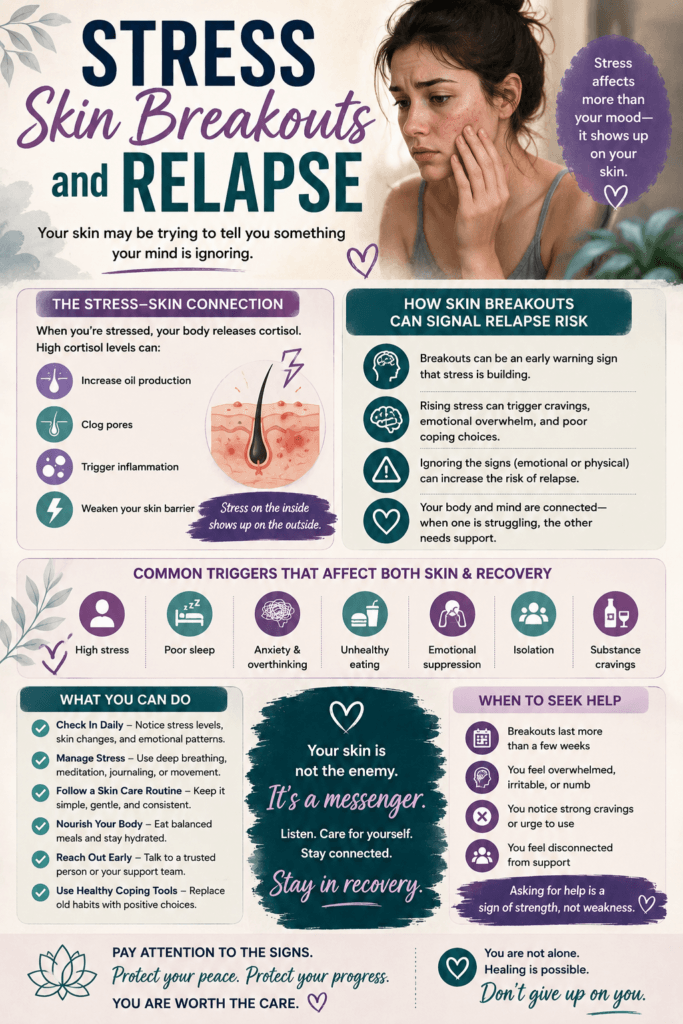
Stress shows up in our lives in so many ways. For many of us, it seems to love leaving a mark right on our skin. Handling stress-related breakouts isn’t just annoying—it can chip away at your confidence and sometimes signal that old habits are making a comeback, especially if you have worked hard to keep your skin clear before. The link between stress, breakouts, and signs of relapse is worth checking out, especially if you want to finally end the cycle.
Understanding the Stress-Skin Relationship
Our skin is almost like a mirror for what’s happening inside us, and emotional ups and downs can show up as pimples, rashes, or patches of redness. When I am stressed, my body pumps out more cortisol and other hormones. This disrupts the balance healthy skin needs. Oil production goes up, inflammation can flare, and suddenly, my clear skin looks a lot less clear.
Several studies have shown that the National Institutes of Health is worse and much harder to shake.
More than just making extra oil, stress can mess up the skin’s barrier, so it can’t heal as fast or defend itself as well as it normally does. That means breakouts stick around longer, and even the chances of scarring increase. If you ever notice acne popping up before a big test, a tough meeting, or during family arguments, you’re definitely not alone in this experience.
Spotting Relapse: When Skin Breakouts Mean More Than Stress
There’s a difference between a lone pimple and a wave of breakouts that feels a lot like what things were before you had your skin under control. When ongoing stress plays a part, here are some patterns you might spot:
- Breakouts in regular spots: Stress tends to bring on breakouts in the same places you used to get them, pretty much repeating old patterns.
- Picking or compulsive touching: If you notice yourself picking at your skin, biting nails, or going back to habits that made things worse before, that’s a hint that relapse could be lurking.
- Skipping skin care routines: Stress likes to throw routines out the window. If you’re forgetting the basics or your trusty products are sitting unused, breakouts can return much faster.
Spotting these clues early is key. Identifying relapse means you get a head start, instead of feeling like everything is falling apart again. Stress-triggered breakouts can push you to focus not just on your skin but also on ways you support yourself emotionally. The American Academy of Dermatology (AAD) gives practical tips about why caring for your mind and your skin go hand in hand.
The Science: Why Stress Can Trigger Skin Problems
When the body comes up against stress, adrenaline and cortisol levels shoot up as part of a classic fight-or-flight response. Here’s what tends to happen:
- Oil Glands Work Overtime: Cortisol prompts oil glands to produce more sebum. Extra oil increases the risk of clogged pores and acne.
- Inflammation Goes Up: Stress flares up inflammatory pathways, making redness and swelling even worse, especially in breakout-prone areas.
- Bacteria Multiply Faster: All that oil, plus reduced immunity, means acne-causing bacteria can thrive, leading to bigger, longer-lasting pimples.
- Slower Healing: Stress slows the skin’s normal healing, so spots fade more slowly and skin takes longer to recover.
Breaking the cycle takes more than a targeted spot remedy. For me, it also means caring for my overall well-being, so stress is managed, which helps keep skin habits on track.
Getting Back on Track: Steps to Break the Relapse Pattern
Relapse doesn’t show up the same for everyone, but here are a few ways that help when stress-related breakouts start to appear. Here’s my approach for steady recovery:
- Back to Basics: Start simple. Use gentle, fragrance-free cleansers and a lightweight moisturizer so your skin’s natural barrier can heal.
- Recall Past Wins: Pull out what has helped before—maybe journaling, working out, or reaching out to a dermatologist or counselor.
- Limit Picking: Cover hands with soft gloves at home or keep them busy (a stress ball is great) to avoid making matters worse.
- Hydrate and Rest: Drinking enough water and catching up on sleep make a surprising difference for stressed-out skin.
- Ask for Help: There’s no shame in reaching out to friends, trusted adults, or mental health pros. Relapse is common, and there’s nothing embarrassing about it.
Common Challenges of Stress-Related Skin Flares
Pushing through stress-related breakouts is about more than just grit. These are challenges I face and how I work through them:
- Trying Too Many Products: Tossing lots of harsh or unfamiliar products at your skin can escalate flare-ups instead of stopping them. Gentle steps win here.
- Lifestyle Struggles: Lack of sleep, limited self-care, or unhealthy eating can all worsen stress (and your skin’s mood). Keeping track of sleep or prepping meals in advance can make things go more smoothly.
- Emotional Cycles: Facing a flare can be stressful in itself, creating a vicious circle. Writing in a journal, practicing meditation, or taking short walks in nature can disrupt this loop.
- Social Worries: Feeling uneasy about your looks around others or during online calls only adds to the stress. Remember—tons of people struggle with skin ups and downs too.
Dealing With Relapse Early
Getting past a skin relapse doesn’t always have to be dramatic. Spotting it quickly lets you return to what worked before, keep tabs on your mental health, and maybe even stumble upon fresh strategies. A few healthy habits can make a huge difference, even if the results take a week or two to show up.
The Value of Professional Care
If breakouts stick around or emotional struggles keep piling up, reaching out to a doctor or dermatologist can be very helpful. They can identify underlying factors, such as hormonal changes or food intolerances, and prescribe medication if over-the-counter products don’t help. And, talking to a counselor can make a world of difference in stress, skin, and everyday life.
Key Actions for Lowering Stress and Keeping Skin Healthier
- Move: Regular movement—anything from dance to jogging to a walk in the park—helps lower cortisol and supports stable moods.
- Mindful Moments: Meditation or breathing exercises can help settle your thoughts and calm stress before it shows up on your face.
- Balanced Foods: Feed your skin from inside. Colorful vegetables, healthy fats, lean proteins, and water all help support skin recovery.
- Stay Consistent: Consistency with sleep and skin routines makes a big difference when life is unpredictable.
Frequently Asked Questions
Question: Is stress the main cause of breakouts coming back?
Answer: Stress can kickstart skin trouble that’s been in check, but it’s rarely the only cause. Diet, hormones, and how you care for your skin also play a role. Stress just sets off flareups and makes them stubborn.
Question: How do I tell if I’m relapsing or just having a mild breakout?
Answer: Breakouts in familiar spots, returning to old habits (like picking), and a sense that things are getting worse usually mean a relapse. Tracking your skin and routines for a couple of weeks can help you spot patterns.
Question: Can talking to someone help?
Answer: Absolutely. Opening up about stress and skin issues brings advice, perspective, and emotional support. Counselors and therapists are there to help you if you’re feeling stuck or overwhelmed.
Simple Routines for Ongoing Skin Wellness
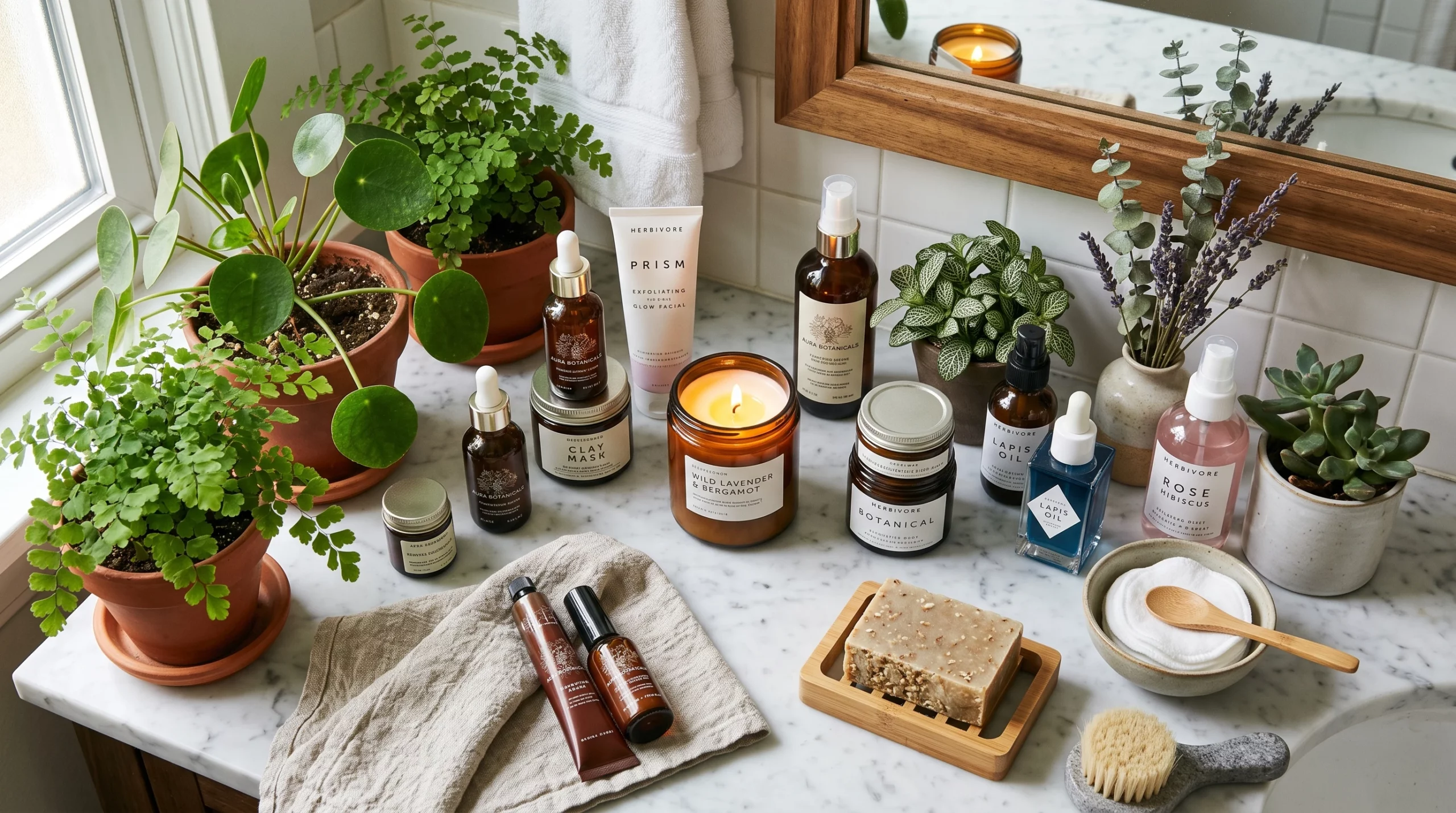
Creating a simple, realistic routine for stress and skin care makes a difference in the long term. My go-to is: cleanse, moisturize, spot-treat if needed, and set aside time each day for some form of stress relief. The simpler your system, the easier it is to stick to—even when things get chaotic.
If you’re having a tough time with stress-driven breakouts or relapse, you’re in good company. So many people deal with this, and all ages can be affected. Be gentle with yourself, look for help when you need it, and remember that small changes add up. Each positive step gets you closer to healthier skin, inside and out.
Video: Before the Breakdown There’s Always Skin Changes #MentalHealthMatters #Recovery