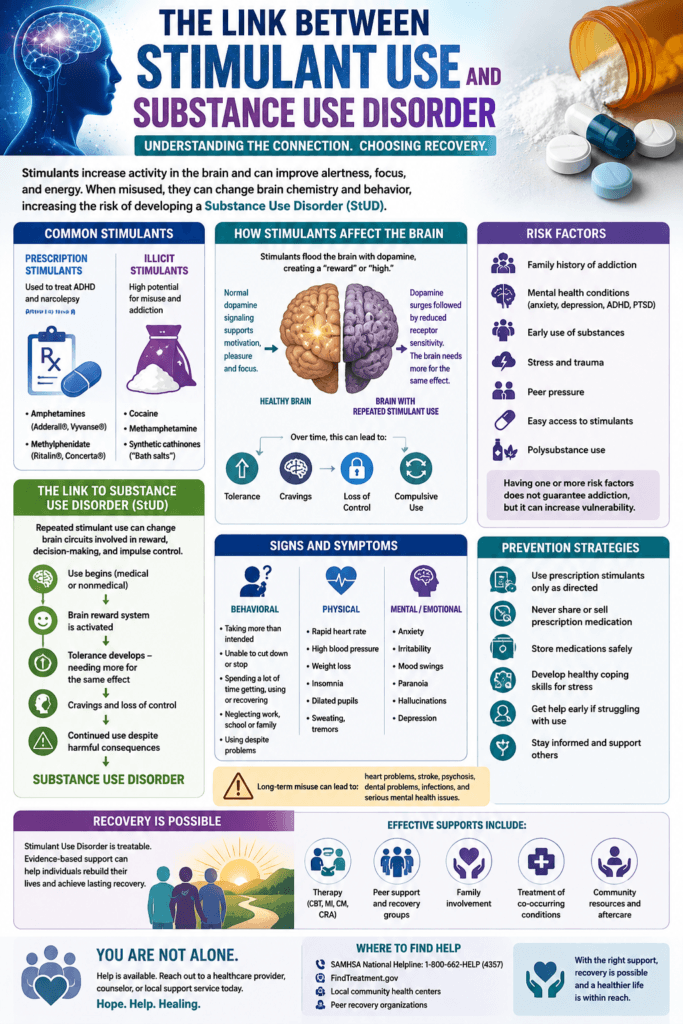
Stimulants are medications and illicit substances that increase activity in the central nervous system, producing effects such as increased alertness, energy, attention, and wakefulness. Prescription stimulants are commonly used to treat conditions such as attention-deficit/hyperactivity disorder (ADHD) and narcolepsy, while illicit stimulants, including cocaine and methamphetamine, have a high potential for misuse. Although prescription stimulants are generally safe and effective when taken as directed, misuse or nonmedical use can increase the risk of developing stimulant use disorder (StUD), a type of substance use disorder recognized by the Diagnostic and Statistical Manual of Mental Disorders (DSM-5-TR). Repeated stimulant use alters brain pathways involved in reward, motivation, learning, and impulse control, which can contribute to tolerance, cravings, and compulsive drug-seeking behavior. Understanding the relationship between stimulant use and substance use disorder is essential for promoting prevention, encouraging early intervention, and supporting evidence-based treatment and recovery.
Stimulant Use Linked to Substance Use Disorder
Stimulants are a class of drugs that increase activity in the central nervous system, leading to heightened alertness, energy, attention, and wakefulness. Some stimulants are prescribed to treat medical conditions such as attention-deficit/hyperactivity disorder (ADHD) and narcolepsy, while others, including cocaine and methamphetamine, are illicit drugs with a high potential for misuse. Although prescription stimulants can be safe and effective when used as directed, misuse or prolonged use can increase the risk of developing a stimulant use disorder (StUD), a type of substance use disorder recognized in the Diagnostic and Statistical Manual of Mental Disorders, Fifth Edition (DSM-5-TR).
What Is Stimulant Use Disorder?
Stimulant use disorder is characterized by a problematic pattern of stimulant use that leads to clinically significant impairment or distress. Individuals may continue using stimulants despite negative consequences affecting their health, relationships, education, employment, or finances. The disorder can range from mild to severe depending on the number of diagnostic criteria met.
Commonly Misused Stimulants
Stimulants associated with substance use disorder include:
- Prescription amphetamines (e.g., medications used to treat ADHD when taken without medical supervision or in higher doses than prescribed)
- Prescription methylphenidate products when misused
- Cocaine
- Methamphetamine
- Illicitly manufactured synthetic stimulants
How Stimulants Affect the Brain
Stimulants increase the activity of neurotransmitters, particularly dopamine, norepinephrine, and, to a lesser extent, serotonin. Dopamine plays a major role in the brain’s reward system by reinforcing pleasurable experiences and motivating repeated behaviors.
Repeated stimulant use can produce:
- Increased dopamine release.
- Reduced sensitivity of dopamine receptors over time.
- Changes in brain circuits involved in reward, learning, impulse control, and decision-making.
- Strong cravings and compulsive drug-seeking behavior.
As tolerance develops, individuals often require larger or more frequent doses to achieve the same effects, increasing the risk of addiction.
Risk Factors for Stimulant Use Disorder
Several factors increase the likelihood of developing stimulant use disorder, including:
- Family history of substance use disorders
- Early exposure to drugs or alcohol
- Untreated ADHD or other mental health disorders
- Depression, anxiety, or post-traumatic stress disorder (PTSD)
- Childhood trauma or adverse childhood experiences (ACEs)
- Peer pressure and social environment
- Chronic stress
- Easy access to stimulants
- Polysubstance use
Signs and Symptoms
People with stimulant use disorder may experience:
Behavioral symptoms
- Taking larger amounts than intended
- Unsuccessful attempts to stop using
- Spending excessive time obtaining or using stimulants
- Intense cravings
- Neglecting work, school, or family responsibilities
- Continuing use despite physical or psychological problems
Physical symptoms
- Rapid heart rate
- Elevated blood pressure
- Weight loss
- Insomnia
- Dilated pupils
- Excessive sweating
- Tremors
Psychological symptoms
- Anxiety
- Irritability
- Mood swings
- Agitation
- Paranoia
- Hallucinations
- Stimulant-induced psychosis in severe cases
Health Consequences
Long-term stimulant misuse may lead to:
- Cardiovascular disease
- Heart attack
- Stroke
- Cardiac arrhythmias
- Seizures
- Cognitive impairment
- Depression
- Anxiety disorders
- Psychosis
- Malnutrition
- Dental disease (especially with methamphetamine use)
- Increased risk of infectious diseases when injected
Withdrawal Symptoms
Unlike opioid withdrawal, stimulant withdrawal is usually not life-threatening but can be extremely uncomfortable.
Common symptoms include:
- Fatigue
- Increased sleep
- Depression
- Anxiety
- Increased appetite
- Difficulty concentrating
- Intense cravings
- Irritability
- Slowed thinking and movement
Some individuals experience severe depression or suicidal thoughts during withdrawal and require immediate medical evaluation.
Treatment Options
Currently, there are no FDA-approved medications specifically indicated for stimulant use disorder. However, several evidence-based treatments have shown benefit.
Behavioral therapies
- Cognitive Behavioral Therapy (CBT)
- Contingency Management (the strongest evidence for stimulant use disorder)
- Community Reinforcement Approach (CRA)
- Motivational Interviewing (MI)
- The Matrix Model
Recovery support
- Peer recovery coaches
- Mutual-support groups
- Family therapy
- Intensive outpatient programs
- Residential treatment when appropriate
Researchers continue to study medications that may help reduce stimulant cravings or improve recovery outcomes, but behavioral interventions remain the cornerstone of treatment.
Prevention Strategies
Preventing stimulant use disorder involves multiple approaches:
- Taking prescription stimulants only as directed.
- Never sharing prescription medications.
- Securely storing medications to prevent diversion.
- Screening and treating mental health disorders early.
- Building healthy coping skills for stress.
- Educating adolescents and young adults about the risks of misuse.
- Encouraging supportive family relationships.
- Improving access to evidence-based addiction treatment.
Conclusion
Stimulant use disorder is a chronic but treatable medical condition that affects brain function, behavior, and overall health. While prescription stimulants provide important benefits for many people when used appropriately, misuse of prescription or illicit stimulants can lead to dependence, addiction, and serious medical complications. Early recognition, evidence-based behavioral therapies, family support, and ongoing recovery resources can significantly improve long-term outcomes. Continued research into new treatments offers hope for expanding therapeutic options and reducing the growing public health burden of stimulant-related substance use disorders.
Self-Management Strategies to Understand the Link Between Stimulant Use and Substance Use Disorder
Understanding how stimulant use can progress to substance use disorder (StUD) empowers individuals to recognize early warning signs, reduce risk, and seek help before serious consequences develop. While prescription stimulants can be safe and effective when taken as directed, misuse of prescription stimulants or use of illicit stimulants such as cocaine or methamphetamine can alter brain function and increase the likelihood of addiction. The following self-management strategies promote prevention, recovery, and long-term health.
1. Learn About How Stimulants Affect the Brain
Educate yourself about how stimulants increase dopamine and activate the brain’s reward system. Understanding that repeated stimulant use can change brain circuits involved in motivation, decision-making, and impulse control helps explain why cravings and compulsive use may develop. Recognizing addiction as a treatable medical condition can also reduce stigma and encourage early intervention.
2. Take Prescription Stimulants Exactly as Directed
If prescribed stimulant medication for ADHD or narcolepsy, follow your healthcare provider’s instructions carefully. Do not increase the dose, take medication more frequently, or use someone else’s prescription. Taking medications only as prescribed lowers the risk of misuse, dependence, and diversion.
3. Recognize Early Warning Signs
Monitor your behavior for changes that may indicate problematic stimulant use, including:
- Needing higher doses to achieve the same effect (tolerance).
- Taking stimulants for reasons other than prescribed, such as staying awake or improving academic or work performance.
- Craving the medication or illicit stimulant.
- Difficulty cutting back despite wanting to stop.
- Neglecting work, school, family, or personal responsibilities.
- Continuing use despite negative consequences.
Early recognition allows for timely intervention before the disorder becomes more severe.
4. Identify Personal Triggers
Keep a journal to identify situations, emotions, or environments that increase the urge to use stimulants. Common triggers include:
- Stress
- Anxiety
- Depression
- Fatigue
- Social pressure
- Academic or work demands
- Boredom
- Exposure to people or places associated with past drug use
Recognizing triggers makes it easier to develop healthier coping strategies.
5. Develop Healthy Stress-Management Skills
Replace stimulant use with healthier methods of managing stress, such as:
- Regular physical activity.
- Mindfulness meditation or deep breathing exercises.
- Yoga or stretching.
- Spending time outdoors.
- Engaging in hobbies or creative activities.
- Talking with supportive friends or family members.
Healthy coping skills reduce reliance on substances during difficult situations.
6. Prioritize Healthy Sleep
Many individuals misuse stimulants to stay awake or increase productivity. Maintaining a consistent sleep schedule, limiting caffeine late in the day, and practicing good sleep hygiene can improve energy levels naturally and reduce the perceived need for stimulants.
7. Maintain Good Nutrition and Hydration
A balanced diet and adequate hydration support brain health and overall well-being. Eating regular meals rich in lean proteins, fruits, vegetables, whole grains, and healthy fats can improve energy, mood, and concentration while reducing the temptation to use stimulants for increased alertness.
8. Build a Strong Support Network
Recovery is often more successful with support. Stay connected with trusted family members, friends, mentors, healthcare professionals, peer recovery groups, or counselors who can provide encouragement, accountability, and practical assistance during recovery.
9. Address Co-Occurring Mental Health Conditions
Depression, anxiety, ADHD, PTSD, and other mental health conditions frequently occur alongside stimulant use disorder. Seeking appropriate treatment for these conditions may reduce the urge to self-medicate with stimulants and improve overall functioning.
10. Seek Professional Help Early
If stimulant use becomes difficult to control, seek assistance from a healthcare professional before severe complications develop. Evidence-based treatments include:
- Cognitive Behavioral Therapy (CBT)
- Contingency Management
- Motivational Interviewing
- Community Reinforcement Approach
- Intensive outpatient or residential treatment when indicated
Early treatment is associated with better recovery outcomes.
11. Create a Relapse Prevention Plan
Individuals in recovery should develop a written plan that includes:
- Personal triggers and warning signs.
- Healthy coping strategies.
- Emergency contacts.
- Follow-up appointments.
- Recovery goals.
- Steps to take if cravings increase or a lapse occurs.
Having a plan helps individuals respond quickly to challenges without returning to stimulant use.
12. Celebrate Progress and Practice Self-Compassion
Recovery is a gradual process, and setbacks may occur. Recognize accomplishments such as attending therapy, avoiding high-risk situations, improving physical health, or reaching sobriety milestones. Treat yourself with compassion rather than self-criticism, and use setbacks as opportunities to learn and strengthen your recovery plan.
Conclusion
Self-management is an essential part of preventing and recovering from stimulant use disorder. By understanding how stimulants affect the brain, taking prescription medications responsibly, recognizing early warning signs, managing stress in healthy ways, addressing mental health needs, and seeking support when necessary, individuals can reduce their risk of addiction and build a foundation for lasting recovery. Combining personal responsibility with evidence-based treatment and strong social support offers the best opportunity for long-term health and well-being.
Family Support Strategies to Understand the Link Between Stimulant Use and Substance Use Disorder
Families play a vital role in preventing, recognizing, and supporting recovery from stimulant use disorder (StUD). Whether stimulant use involves prescription medications, cocaine, methamphetamine, or other stimulants, family members who understand how these substances affect the brain and behavior are better equipped to provide effective support. A knowledgeable, compassionate, and well-informed family can encourage early intervention, reduce stigma, and improve long-term recovery outcomes.
1. Learn About Stimulant Use Disorder
Family members should educate themselves about stimulant use disorder, including how stimulants alter the brain’s reward system, increase dopamine release, and can lead to cravings, tolerance, and compulsive drug use. Understanding that addiction is a chronic, treatable medical condition—not simply a lack of willpower—helps families respond with empathy rather than blame.
2. Recognize Early Warning Signs
Families should be aware of behavioral, physical, and emotional changes that may indicate stimulant misuse, such as:
- Sudden bursts of energy followed by exhaustion.
- Sleeping very little or experiencing insomnia.
- Unexplained weight loss or decreased appetite.
- Mood swings, irritability, or aggression.
- Anxiety, paranoia, or suspicious behavior.
- Declining work or school performance.
- Financial problems or secretive behavior.
- Withdrawal from family activities or responsibilities.
Recognizing these signs early increases the likelihood of successful intervention and treatment.
3. Encourage Open and Nonjudgmental Communication
Create a home environment where loved ones feel safe discussing substance use without fear of criticism or shame. Use active listening, ask open-ended questions, and express concern with compassion. Avoid confrontational language that may increase defensiveness or discourage honest conversations.
4. Support Appropriate Use of Prescription Stimulants
For family members prescribed stimulants for ADHD or narcolepsy, encourage responsible medication use by:
- Taking medications exactly as prescribed.
- Avoiding dose changes without medical advice.
- Never sharing prescription medications.
- Safely storing medications to prevent misuse or diversion.
- Attending regular follow-up appointments with the prescribing clinician.
Supporting proper medication management helps reduce the risk of misuse.
5. Encourage Early Professional Evaluation
If stimulant misuse is suspected, encourage an evaluation by a healthcare professional experienced in addiction medicine or behavioral health. Early assessment allows for timely diagnosis and treatment before the disorder progresses or serious medical complications develop.
6. Participate in Family Therapy
Family therapy can improve communication, strengthen relationships, and address patterns that may unintentionally contribute to substance use. Therapy helps family members:
- Learn healthy communication skills.
- Resolve conflicts constructively.
- Establish realistic expectations.
- Build trust during recovery.
- Support long-term relapse prevention.
7. Set Healthy Boundaries
Supporting a loved one does not mean enabling harmful behaviors. Families should establish clear, consistent boundaries while maintaining compassion. Examples include:
- Refusing to provide money that may be used to purchase drugs.
- Encouraging accountability for treatment participation.
- Protecting younger family members from unsafe situations.
- Maintaining household rules consistently.
Healthy boundaries support recovery while preserving family well-being.
8. Promote Healthy Lifestyle Habits
Families can encourage recovery by supporting healthy daily routines, including:
- Regular physical activity.
- Nutritious meals.
- Consistent sleep schedules.
- Stress-management techniques.
- Participation in enjoyable, substance-free activities.
- Family outings that strengthen relationships.
Healthy routines improve both physical and emotional well-being.
9. Learn About Co-Occurring Mental Health Conditions
Depression, anxiety, ADHD, post-traumatic stress disorder (PTSD), and other mental health conditions often occur alongside stimulant use disorder. Families should encourage comprehensive treatment that addresses both substance use and mental health needs to improve recovery outcomes.
10. Prepare for Relapse Prevention
Recovery is often a long-term process, and relapse can occur. Families should work with healthcare providers to develop a relapse prevention plan that includes:
- Identifying personal triggers.
- Recognizing early warning signs of relapse.
- Knowing who to contact during a crisis.
- Encouraging prompt return to treatment if needed.
- Celebrating recovery milestones while remaining supportive during setbacks.
Viewing relapse as a signal to reassess treatment—not as a personal failure—can help families respond constructively.
11. Utilize Community and Peer Support
Families benefit from connecting with organizations and support groups that provide education, encouragement, and practical strategies. Examples include:
- Family support groups.
- Peer recovery organizations.
- Community mental health centers.
- Faith-based support programs (when appropriate).
- Educational workshops on addiction and recovery.
These resources reduce isolation and provide opportunities to learn from others with similar experiences.
12. Practice Self-Care as a Family Member
Supporting someone with stimulant use disorder can be emotionally and physically demanding. Family members should prioritize their own well-being by:
- Maintaining healthy routines.
- Seeking counseling if needed.
- Participating in support groups.
- Taking breaks to prevent caregiver burnout.
- Continuing personal hobbies, relationships, and self-care activities.
Healthy family members are better able to provide consistent, effective support.
Conclusion
Families are essential partners in preventing, recognizing, and responding to stimulant use disorder. Through education, open communication, healthy boundaries, appropriate medication oversight, participation in treatment, and support for overall wellness, families can significantly improve recovery outcomes. By understanding the link between stimulant use and substance use disorder, families become better equipped to encourage early intervention, reduce stigma, and create a supportive environment that promotes lasting recovery and improved quality of life.
Community Resource Strategies to Understand the Link Between Stimulant Use and Substance Use Disorder
Communities play a critical role in preventing stimulant misuse, increasing awareness of stimulant use disorder (StUD), and supporting individuals and families affected by addiction. Community resources provide education, early intervention, evidence-based treatment, and recovery support that can reduce the health, social, and economic impact of stimulant use disorders. By working together, healthcare systems, schools, public health agencies, employers, and community organizations can improve prevention efforts and expand access to effective care.
1. Increase Public Education and Awareness
Community education campaigns can help individuals understand:
- The difference between prescribed stimulant use and stimulant misuse.
- How stimulants affect the brain’s reward system.
- The risks associated with cocaine, methamphetamine, and misuse of prescription stimulants.
- The signs and symptoms of stimulant use disorder.
- The benefits of early treatment and recovery.
Accurate information helps reduce stigma and encourages people to seek help sooner.
2. Expand Access to Evidence-Based Treatment
Communities should support treatment programs that provide evidence-based care for stimulant use disorder, including:
- Cognitive Behavioral Therapy (CBT).
- Contingency Management.
- Motivational Interviewing.
- Community Reinforcement Approach (CRA).
- Intensive outpatient treatment.
- Residential treatment when medically appropriate.
Increasing access to these services improves recovery outcomes and reduces barriers to care.
3. Strengthen Mental Health Services
Many people with stimulant use disorder also experience depression, anxiety, ADHD, post-traumatic stress disorder (PTSD), or other mental health conditions. Community mental health centers should provide integrated care that addresses both substance use and co-occurring mental health disorders, recognizing that successful treatment often requires attention to both.
4. Promote School-Based Prevention Programs
Schools can help prevent stimulant misuse by:
- Teaching students about the health effects of stimulant misuse.
- Promoting healthy coping skills for stress and academic pressure.
- Educating students about the dangers of sharing prescription medications.
- Training teachers and counselors to recognize early warning signs.
- Providing confidential referral pathways to counseling and treatment.
Early prevention efforts can reduce the likelihood of substance use later in life.
5. Support Healthcare Screening and Early Intervention
Primary care clinics, emergency departments, student health centers, and behavioral health providers should routinely screen for substance use using validated screening tools. Early identification allows healthcare professionals to provide education, brief intervention, and referral to treatment before stimulant misuse progresses to a severe substance use disorder.
6. Increase Availability of Peer Recovery Support
Peer recovery specialists provide valuable encouragement by sharing lived experience and helping individuals navigate recovery. Community organizations can expand access to:
- Peer recovery coaching.
- Recovery community centers.
- Mutual-support groups.
- Recovery mentoring programs.
- Sober social activities that encourage healthy relationships.
Peer support can improve engagement in treatment and reduce feelings of isolation.
7. Encourage Safe Medication Practices
Community pharmacists, healthcare providers, and public health agencies can educate the public about responsible use of prescription stimulants by promoting:
- Taking medications only as prescribed.
- Never sharing stimulant medications.
- Safe storage to prevent diversion.
- Proper disposal of unused medications through authorized medication take-back programs.
These strategies reduce opportunities for misuse.
8. Provide Family Education Programs
Communities should offer workshops and educational resources that teach families:
- How stimulant use disorder develops.
- Early warning signs.
- Effective communication techniques.
- Healthy boundaries.
- Available treatment options.
- Relapse prevention strategies.
Educated families are better prepared to support recovery while maintaining their own well-being.
9. Reduce Stigma Through Community Outreach
Stigma remains a significant barrier to seeking treatment. Public awareness campaigns should emphasize that stimulant use disorder is a chronic, treatable medical condition influenced by biological, psychological, and social factors. Reducing stigma encourages individuals to seek help without fear of judgment or discrimination.
10. Expand Employment and Recovery Support Services
Recovery often extends beyond treatment. Communities can improve long-term outcomes by providing:
- Vocational rehabilitation.
- Employment assistance.
- Educational opportunities.
- Stable housing programs.
- Transportation assistance.
- Recovery-friendly workplaces.
- Life skills and financial management programs.
These resources help individuals rebuild stability and reduce the risk of relapse.
11. Support Ongoing Research and Public Health Initiatives
Community organizations can partner with universities, healthcare systems, and public health agencies to support research on stimulant use disorder. Continued research may lead to improved prevention strategies, expanded behavioral interventions, and the development of safe and effective medications specifically for stimulant use disorder.
12. Build Collaborative Community Partnerships
Successful prevention and recovery require collaboration among:
- Healthcare systems.
- Public health departments.
- Schools and universities.
- Law enforcement.
- Community mental health agencies.
- Faith-based organizations.
- Employers.
- Recovery organizations.
- Nonprofit agencies.
Coordinated efforts create a stronger network of care and improve access to comprehensive services.
Conclusion
Community resources are essential for preventing stimulant misuse and supporting individuals affected by stimulant use disorder. Through public education, early screening, evidence-based treatment, integrated mental health services, peer recovery support, family education, and collaborative partnerships, communities can reduce the burden of stimulant addiction and improve long-term recovery outcomes. By increasing awareness of the link between stimulant use and substance use disorder, communities can foster compassion, reduce stigma, and create environments where individuals and families have access to the resources they need to achieve lasting recovery.
Frequently Asked Questions
Here are some common questions:
1. What are stimulants?
Stimulants are substances that increase activity in the central nervous system, making a person feel more alert, energetic, and focused. Some stimulants are prescribed to treat medical conditions such as ADHD and narcolepsy, while others, such as cocaine and methamphetamine, are illegal drugs with a high potential for misuse.
2. What is stimulant use disorder (StUD)?
Stimulant use disorder is a medical condition characterized by the repeated use of stimulants despite harmful consequences. It is classified as a substance use disorder in the Diagnostic and Statistical Manual of Mental Disorders (DSM-5-TR) and ranges from mild to severe depending on the number of symptoms present.
3. Can prescription stimulants cause addiction?
Yes. When taken exactly as prescribed and under medical supervision, prescription stimulants are generally safe and effective. However, taking higher doses, using them without a prescription, or using them for nonmedical purposes can increase the risk of developing stimulant use disorder.
4. Which stimulants are most commonly associated with substance use disorder?
Common stimulants linked to substance use disorder include:
- Cocaine
- Methamphetamine
- Prescription amphetamines
- Prescription methylphenidate products
- Illicit synthetic stimulants such as synthetic cathinones (“bath salts”)
5. How do stimulants affect the brain?
Stimulants increase the release of dopamine, norepinephrine, and, to a lesser extent, serotonin. Dopamine activates the brain’s reward system, creating feelings of pleasure and reinforcing drug use. Repeated exposure can change brain circuits involved in motivation, learning, decision-making, and self-control, increasing the risk of addiction.
6. What is the connection between stimulant use and substance use disorder?
Repeated stimulant use can produce tolerance, cravings, and changes in brain function that make it increasingly difficult to stop using the drug. These brain changes can lead to compulsive drug-seeking behavior despite harmful consequences, which is the hallmark of substance use disorder.
7. What are the warning signs of stimulant use disorder?
Common warning signs include:
- Strong cravings for stimulants.
- Taking larger amounts than intended.
- Difficulty stopping or cutting back.
- Spending excessive time obtaining or using stimulants.
- Declining work, school, or family responsibilities.
- Continued use despite physical, emotional, or social problems.
8. What physical health problems can stimulant misuse cause?
Long-term stimulant misuse may increase the risk of:
- High blood pressure.
- Irregular heart rhythms.
- Heart attack.
- Stroke.
- Weight loss and malnutrition.
- Seizures.
- Dental disease (especially with methamphetamine use).
- Sleep disturbances.
9. Can stimulant use affect mental health?
Yes. Stimulant misuse can contribute to anxiety, depression, irritability, mood swings, paranoia, hallucinations, and stimulant-induced psychosis. People with pre-existing mental health conditions may experience worsening symptoms.
10. Who is at greater risk for developing stimulant use disorder?
Risk factors include:
- Family history of addiction.
- Early substance use.
- Childhood trauma or adverse childhood experiences (ACEs).
- Untreated ADHD or other mental health conditions.
- Peer pressure.
- Chronic stress.
- Easy access to stimulants.
- Polysubstance use.
11. Is stimulant withdrawal dangerous?
Stimulant withdrawal is usually not life-threatening, but it can be physically and emotionally difficult. Symptoms may include fatigue, depression, increased sleep, increased appetite, anxiety, irritability, poor concentration, and intense cravings. Severe depression or suicidal thoughts require immediate medical attention.
12. Are there FDA-approved medications specifically for stimulant use disorder?
Currently, there are no FDA-approved medications specifically indicated for stimulant use disorder. However, researchers are studying potential medications, and several behavioral therapies have demonstrated effectiveness.
13. What treatments are most effective for stimulant use disorder?
Evidence-based treatments include:
- Cognitive Behavioral Therapy (CBT).
- Contingency Management.
- Motivational Interviewing.
- Community Reinforcement Approach (CRA).
- The Matrix Model.
- Peer recovery support and family therapy.
14. Can someone recover from stimulant use disorder?
Yes. Recovery is possible. Many individuals achieve long-term recovery through evidence-based treatment, healthy lifestyle changes, family support, peer recovery programs, and ongoing follow-up care.
15. How can families help someone struggling with stimulant use disorder?
Families can:
- Learn about addiction.
- Communicate without judgment.
- Encourage professional treatment.
- Establish healthy boundaries.
- Participate in family therapy.
- Support relapse prevention efforts.
- Practice self-care while supporting their loved one.
16. How can stimulant misuse be prevented?
Prevention strategies include:
- Taking prescription stimulants only as directed.
- Never sharing prescription medications.
- Safely storing medications.
- Teaching healthy stress-management skills.
- Addressing mental health conditions early.
- Educating young people about the risks of misuse.
- Seeking help when concerns first arise.
17. Why is early intervention important?
Recognizing stimulant misuse early allows individuals to receive treatment before addiction becomes more severe. Early intervention reduces the risk of medical complications, relationship problems, legal difficulties, and long-term changes in brain function.
18. What is the most important message about stimulant use and substance use disorder?
Stimulant use disorder is a chronic but treatable medical condition. Understanding how stimulants affect the brain, recognizing early warning signs, seeking evidence-based treatment, and building strong support from family and community can greatly improve the chances of lasting recovery. With appropriate care and ongoing support, people with stimulant use disorder can regain their health, rebuild relationships, and lead productive, fulfilling lives.
Conclusion
The link between stimulant use and substance use disorder highlights the complex interaction between brain biology, individual risk factors, and environmental influences. While prescription stimulants provide important therapeutic benefits when used under appropriate medical supervision, misuse of prescription medications or use of illicit stimulants can lead to significant physical, psychological, and social consequences. Early recognition of warning signs, timely access to evidence-based behavioral therapies, treatment of co-occurring mental health conditions, and strong support from families and communities can greatly improve recovery outcomes. As research continues to advance, increased public awareness and expanded access to effective prevention and treatment services will remain essential for reducing the impact of stimulant use disorders and helping individuals achieve long-term recovery and improved quality of life.
Video: Why You Can’t Stop: The Science of Stimulant Addiction #addiction #brain