Feeling shy in social situations is something most people have experienced. But social anxiety is a different thing, often showing up more intensely and affecting daily life in bigger ways. When it comes to mental health relapses, such as those with depression, anxiety disorders, or even addictions, shyness and social anxiety can play a part, but they show up differently and have their own impacts. In this article, I’ll walk you through the differences between shyness and social anxiety, and how either one can trigger a relapse if you’re managing recovery or trying to keep your mental health balanced.
Shyness vs Social Anxiety: Understanding the Basics
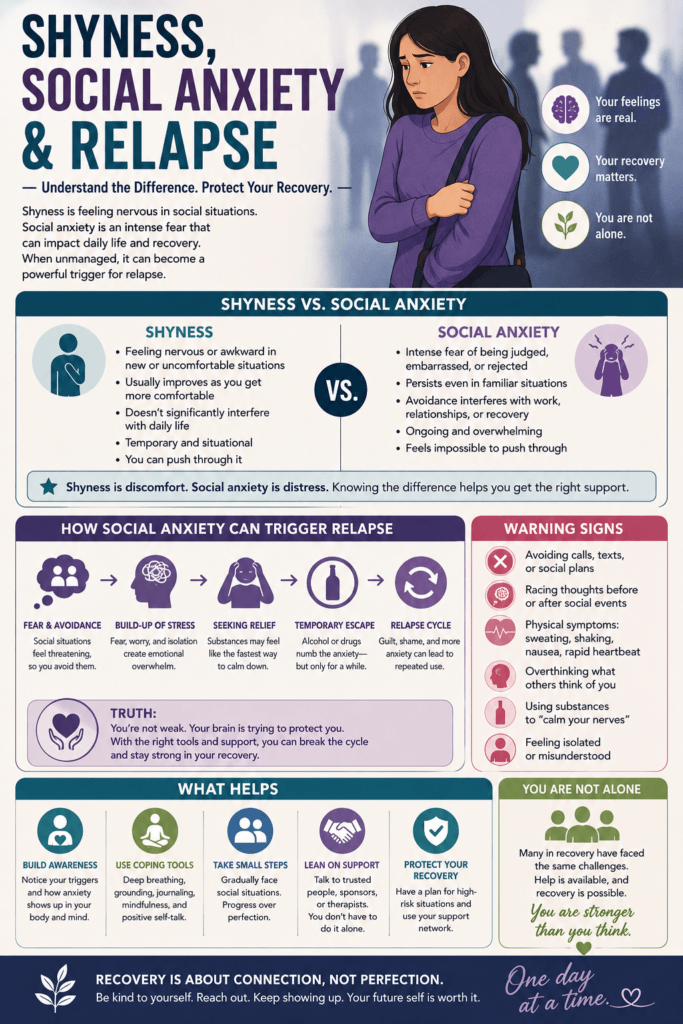
Shyness is a personality trait. It often means you feel nervous, awkward, or reserved around unfamiliar people or situations. You might notice your heart rate goes up before you talk to a group, or you get a bit quiet at parties. These feelings usually pass as you get comfortable.
Social anxiety, on the other hand, is a recognized mental health condition. It’s not just about being nervous sometimes; it’s an intense, ongoing fear of social situations where you think you’ll be embarrassed, judged, or rejected. People with social anxiety might avoid going out altogether or spend days worrying about a simple interaction. This can mess with friendships, work, school, and just feeling good day to day.
- Shyness: Temporary discomfort that often fades with familiarity and rarely stops you completely.
- Social Anxiety: Persistent, severe, can lead to avoidance and real distress.
Knowing whether what you’re feeling is plain shyness or something more is super important for managing your mental health and preventing setbacks. This distinction can make a difference in finding the right support and reducing risks that can lead to a relapse.
How Each Connects to Relapse
In mental health circles, relapse usually means going back to old, unhelpful patterns after making good progress. This could show up as a return of depression, anxiety symptoms, substance misuse, or other issues you’ve been working hard to get past. Social triggers are a big deal here, and both shyness and social anxiety can play into them, just in different ways.
Shyness might make it harder to reach out for support when you’re feeling low. Maybe you talk yourself out of a therapy session, or skip a support group. But unless shyness grows into avoidance, it’s less likely to trigger a full relapse. Sometimes, just recognizing shy tendencies can help you push through them before they interfere too much with your plans.
Social anxiety is much more likely to lead to a relapse. The fear and avoidance that come with social anxiety can isolate you, increase stress, and make it really tough to stick to healthy routines. If you’re dealing with recovery from addiction or other mental health struggles, this kind of isolation ramps up the risk of sliding back into old habits. The reluctance to reach out, or even to stick with simple coping tools like group support, can cause things to spiral quickly toward a setback.
Spotting the Signs: When Shyness Crosses Into Trouble
Everyone needs a little alone time, and not every quiet moment is a red flag. But there are a few signs that shyness might be getting riskier for your mental health:
- You’re saying no to almost every invitation, even when you want to go.
- It’s easier to push people away than to talk it out.
- Your hobbies and self-care take a back seat because you feel awkward around others.
If you notice these patterns sticking around, it might be time to check in with yourself or talk to a counselor. Noticing when shyness starts interfering with things you care about is an early warning flag to address it head-on before it leads to standing alone more often than you’d like.
Social Anxiety’s Impact on Relapse Triggers
Social anxiety tends to create a loop that is hard to break. Fear leads to avoidance, which can result in loneliness, which feeds more fear. This cycle can get intertwined with other mental health or recovery struggles. Here’s how social anxiety might crank up relapse risk:
- You avoid talking about how you feel, so stress builds up silently.
- Every day things, like going to the store or calling a friend, become exhausting.
- Healthy coping strategies (like joining a group or exercising with others) get skipped.
- The double whammy of isolation and self-criticism can drag down your mood or push you toward old habits for relief.
When fear of judgment or embarrassment keeps stacking up, it’s tough to reach for healthier options. Over time, this makes everyday stresses harder to manage, turning simple slipups into bigger setbacks.
What Science Says
Studies show a strong link between untreated social anxiety and higher relapse rates for anxiety disorders and depression (source). People who report intense social fears are also more likely to turn to substances like alcohol to “take the edge off,” which can pull them back into addiction cycles (NIH resource).
This connection isn’t just about genetics or personality. It’s often about what you miss out on. Relationships, support networks, and even just having fun all play a big part in ongoing mental health and in staying clear of a relapse. Without these positive connections, you can feel like you’re stuck on an island, which can keep you from moving forward.
Researchers also note the importance of early intervention. Addressing social anxiety promptly helps reduce not just relapse rates, but also long-term complications across work, family, and self-esteem. You don’t have to do it on your own—many have walked this path and come out stronger with the right mix of support.
Early Steps to Break the Cycle
There’s a lot you can do to keep shyness or social anxiety from tripping you up, especially if you’re worried about relapse. Here are a few practical steps I recommend based on what’s worked for me and others in my network:
- Track Your Triggers: Keep a simple journal or note on your phone about when you feel extra shy or anxious. Patterns pop up fast and help you plan ahead.
- Test Small Social Wins: Try low-pressure social activities, like commenting in a group chat or waving to a neighbor. Small wins add up.
- Practice Self Talk: Challenge harsh thoughts with gentle ones. Swapping “I’m so awkward” for “Anyone would feel nervous here” makes a difference.
- Reach Out (Even If It’s Awkward): Message someone whenever you feel a crash coming on; it can interrupt the spiral.
- Find Professional Support: Therapy can help you sort out what’s typical shyness and what’s social anxiety, and give you tailored strategies.
If you’re not sure what works for you yet, it can help to experiment with a few options. Even trying something new once can open up possibilities you hadn’t thought of before. You might stumble upon a social activity or group that fits your style and makes it a little easier to open up.
RealWorld Examples of Relapse Triggers
I’ve seen many folks in recovery or managing anxiety struggle with the following scenarios:
- Returning to a stressful job after some time off, where social events feel overwhelming.
- Attending family gatherings where you feel judged or out of place.
- Jumping back into school or group activities after a hiatus.
In all these cases, whether the original challenge was shyness or full-blown social anxiety, the fear and discomfort can nudge someone toward old coping habits. It’s important to watch for these patterns and have a plan in place, so social tension doesn’t snowball into a full relapse.
Extra Challenges: The Role of Technology
Texting or messaging instead of real-life interactions can feel safer when you’re shy or anxious, but leaning too heavily on digital communication can sometimes make face-to-face situations feel scarier. Balance is super important—using online platforms to start connecting is great, but mixing in real-world contact helps keep social anxiety from taking over. For example, try video chats as a stepping stone before in-person meetups, and remember that small, consistent efforts lead to greater comfort over time.
What Helps Most: Support and Coping Strategies
- Support Groups: Peer groups, whether in person or online, give you a place to practice social skills and remind you that you’re not alone.
- Grounding Techniques: Breathing exercises or mindfulness apps like Calm or Headspace ease nerves before social events.
- Reward Progress: Set casual goals and genuinely celebrate when you stick with them, even if it’s just showing up.
- Professional Guidance: Cognitive Behavioral Therapy (CBT) has been found super useful for social anxiety, and therapists can tailor support for people at risk of relapse.
Family support, self-care routines, and little daily achievements also count for a lot. When you mix in some variety to your coping tools, you’re more likely to find something that fits and helps in both the short and long run.
Questions People Often Ask
Question: Can shyness turn into social anxiety over time?
Answer: Sometimes it can, especially during stressful life events or if avoidance becomes a habit. Paying attention to changes and checking in with a mental health pro if you’re not sure helps a lot.
Question: Are there quick fixes to calm social anxiety and avoid relapse?
Answer: There aren’t really shortcuts, but tools like deep breathing, having a go-to calming activity, and text support lines can give short-term relief while you build long-term skills.
Question: How do I know if I should get help for social anxiety?
Answer: If social fear keeps you from doing stuff you used to enjoy or it’s starting to affect your school, job, or close relationships, it’s worth talking to a therapist. The sooner you get support, the easier it is to manage.
Final Thoughts
Shyness and social anxiety aren’t the same, and each one can influence the risk of relapse in mental health or recovery adventures. Shyness might trip you up occasionally, but social anxiety deserves extra attention if you want to protect your progress and keep thriving. Honest self-reflection, reaching for support, and trying out practical strategies go a long way. If you’re feeling stuck, connecting with a qualified mental health professional can really help build your confidence and resilience for the long haul.
Video: How Shyness Becomes Your Worst Enemy #socialanxiety #mentalhealthjourney