Going through a breakup can feel like your whole world just flipped upside down. For many people, the pain goes way deeper than sadness; it can mess with your mind and body in a way that feels a lot like withdrawal. If you’ve ever felt totally out of control after a breakup, you’re not alone. I’m going to break down why those post-breakup feelings can be so intense, what’s actually happening inside your body and brain, and what can help you start feeling okay again.
Why Breakups Feel So Much Like Withdrawal
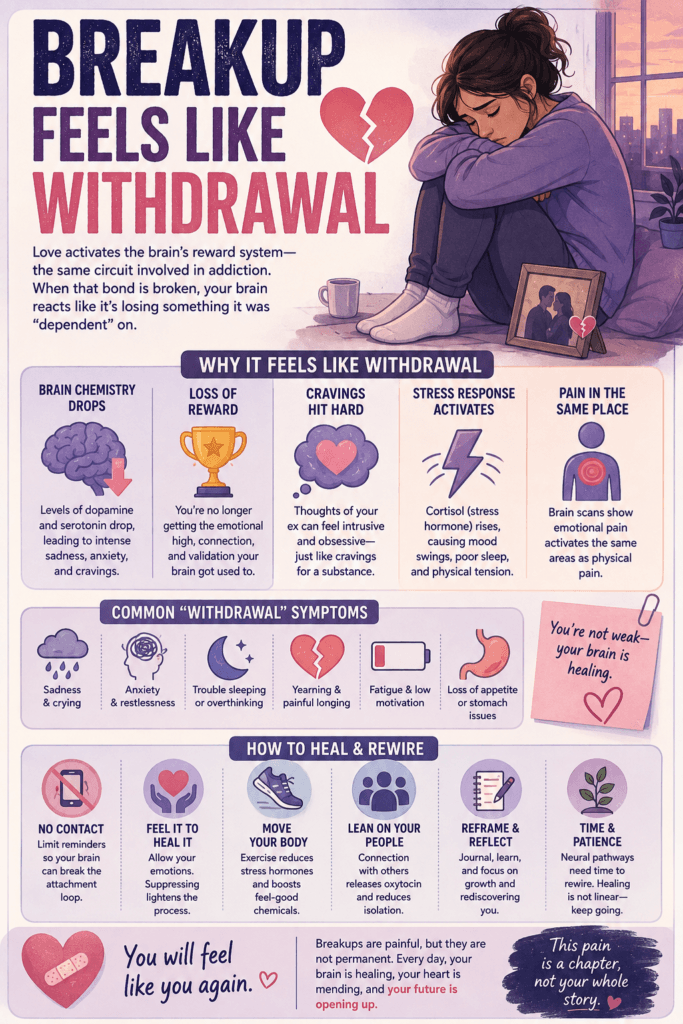
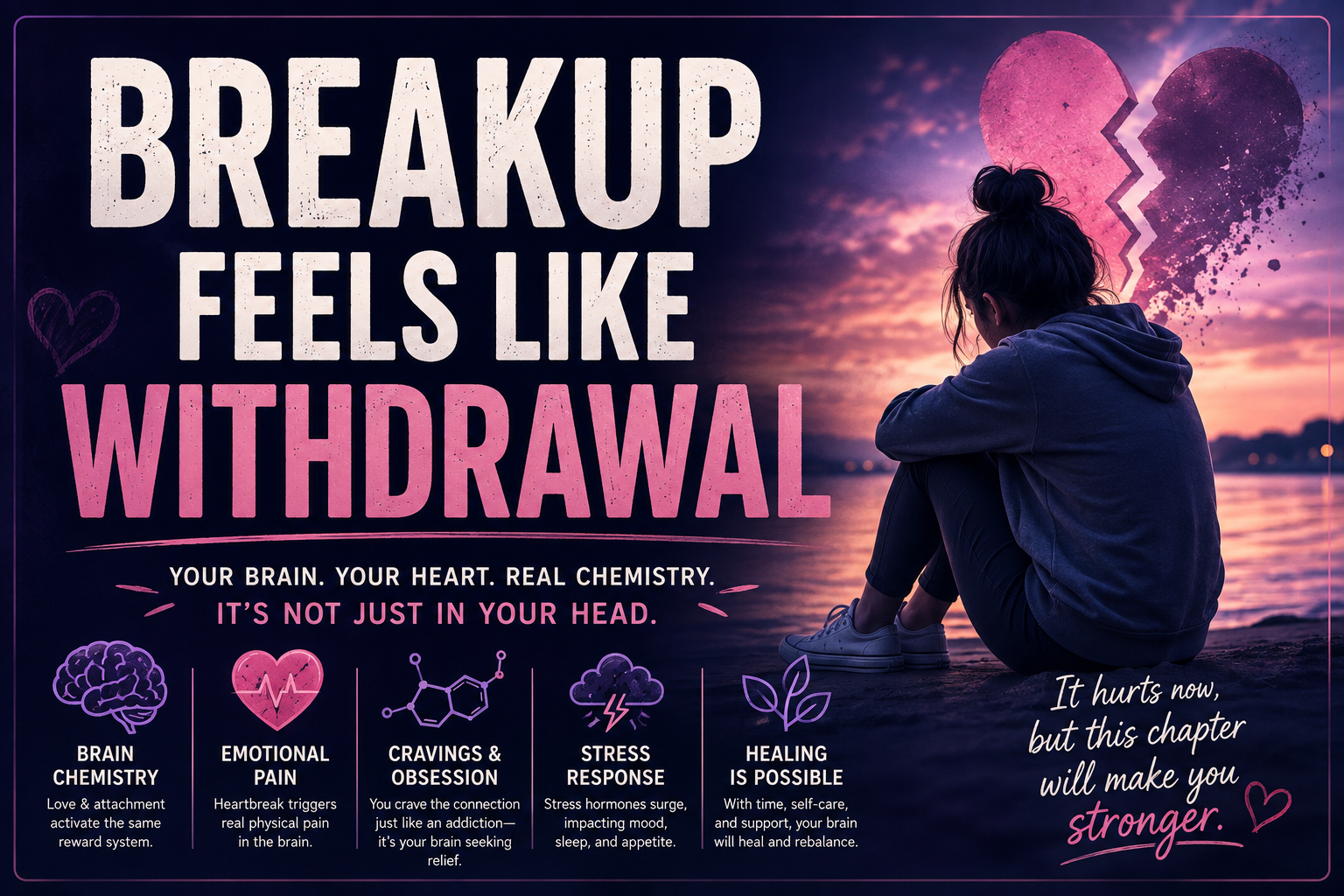
There’s a scientific reason why breaking up can leave you feeling shaky, anxious, moody, or like someone literally pulled the rug out from under you. Romantic relationships trigger the release of powerful brain chemicals like dopamine and oxytocin; think of these as the brain’s version of love potions. They make you feel bonded, happy, and sometimes even energized, especially at the start of a relationship. Your brain gets used to those feel-good chemicals just like it could get used to anything rewarding or addictive.
When the relationship suddenly ends, it’s like the supply is abruptly shut off. Your mind and body have to adjust to this unexpected loss. That can bring on all kinds of symptoms, including:
- Intrusive thoughts: Constantly replaying memories or worrying about the future.
- Mood swings: Feeling devastated one minute and angry or numb the next.
- Physical symptoms: Trouble sleeping, changes in appetite, tightness in your chest, or that “gut punch” feeling.
- Cravings: An urge to reach out or reconnect, even when you know it isn’t a good idea.
What’s Really Happening Inside Your Brain and Body?
Breakup pain isn’t just in your head. I’ve noticed that the body’s response can mirror actual chemical withdrawal. Studies have found that the same areas of the brain get fired up when you’re rejected or lose a close bond as when people experience physical pain or craving during drug withdrawal (source).
If you’re wondering why you can’t just “shake it off” or move on quickly, these facts might help you feel a bit more understood:
- Loss of Dopamine: The rush you felt seeing a text or spending time together comes from dopamine. When the source disappears, so does the rush, leaving your brain scrambling for balance.
- Attachment Bonds: Oxytocin and vasopressin help form attachment. When that bond breaks, your system registers it almost as an emergency.
- Stress Hormones: Your brain may flood your body with cortisol, which can increase anxiety and stress levels.
So when you find yourself obsessing or feeling on edge, it’s actually your brain’s chemistry recalibrating to a new normal. Remember, these symptoms are not signs of weakness, but rather your body’s natural adjustment process as it copes with the loss of a significant connection.
What Breakup Withdrawal Might Look Like (Common Experiences)
I’ve seen lots of people describe their breakup as feeling like they’re quitting something cold turkey. Even if you wanted the relationship to end, you might still find yourself battling the urge to text your ex, scrolling their social media, or reliving every moment together. These “cravings” can be really strong at first, but they start to fade with time.
Some symptoms you might run into include:
- Sleep problems: It can be tough to fall asleep or stay asleep without the comfort of your old routine.
- Lack of appetite or comfort eating: Your body is just reacting to the emotional shock.
- Sudden mood drops: Those bursts of sadness or anger are your brain’s way of processing all the change.
- Difficulty concentrating: Worries and “what ifs” can feel distracting at work or school.
Everybody experiences withdrawal differently, and it’s common to have good days mixed in with rough ones. Give yourself grace for the ups and downs, even on days it feels like you’ll never be okay again.
What Helps Make the Withdrawal Less Harsh?
Feeling stuck in a breakup rut is normal, but there are ways to help your brain and heart start healing. Here’s how I manage and what’s worked for others too:
- Create New Routines: Filling the time you used to spend with your ex helps your brain build new patterns. Even simple activities, such as a morning walk, changing up your coffee spot, or joining an online group, can signal to your system that things are changing for the better.
- Limit Contact and Reminders: This isn’t about being spiteful; it’s about giving your mind a break. Unfollowing, muting, or putting away photos means you spend less time being triggered to think about the past.
- Reach Out for Support: Talking to friends or family, or even seeking a therapist, helps you get out of your own head. There’s no prize for handling a breakup solo; connection speeds up recovery.
- Take Care of Your Body: Eating regular meals, getting some exercise, and making sleep a priority help repair the damage caused by the stress of both the relationship and its ending.
- Let Yourself Grieve and Heal: Don’t force yourself to “get over it.” Breakup withdrawal eases up over weeks and months, not days. Feeling your feelings is part of rebooting your brain chemistry and letting go.
Common Roadblocks During Healing
The hardest moments are usually those weird flashbacks or sudden cravings. Here are some ways I’ve learned to deal with these rough patches:
- FOMO (Fear of Missing Out): It’s easy to imagine your ex moving on or being happier without you, but most people show only the best sides on social feeds. Muting or blocking for a while can give you space to heal.
- “Just One Text” Temptation: Sending that “how are you?” message may ease the pain, but it often only delays things. Remind yourself that these urges are chemical, and they will pass.
- Comparing Yourself: Seeing friends in relationships or hearing about “moving on fast” might make you feel behind. Everyone’s brain and heart work at their own pace.
- Blaming Yourself: Dwelling on mistakes or what you “should have done” can feel endless. Try switching your focus to small goals, even one thing you like about yourself, to give your self-esteem a boost.
Red Flags: When Withdrawal Becomes Too Much
Sadness, anger, and anxiety are expected, but if you notice signs of depression, panic attacks, or if your withdrawal drags on for months with no change, it’s super important to get outside support. Talking to a therapist or counselor, or even texting a helpline, can help break the cycle and keep you feeling safe.
Ways to Speed Up Recovery Without Rushing Yourself
Everyone wants that magic formula that makes post-breakup pain stop faster. While there isn’t one quick fix, a few tried-and-true moves can help you feel even a little better while the rest of your mind catches up:
- Stay Busy With Things You Enjoy: Hobbies, volunteering, or binge-watching a favorite show can help you feel like “you” again.
- Give Yourself Permission to Rest: It’s okay to feel worn out; breakup withdrawal really does take a lot of energy as your body and brain reset.
- Write It Out: Journaling your emotions, even just a few sentences at the end of the day, can help you let things go rather than bottle them up.
Another tip is to focus on small wins. Even if it’s just making your bed, eating something healthy, or taking a quick walk, accomplishing small things helps you regain a sense of control. Over time, those little successes build confidence and emotional stamina. Try to see progress as gradual rather than sudden, and don’t get discouraged by setbacks. Recovery looks different for everyone, and that’s totally normal.
How Long Does Breakup Withdrawal Last?
This really depends on how deep the connection was, how much your life has changed, and what kinds of support you have. Most people feel the strongest withdrawal symptoms in the first few weeks, with a steady improvement over a couple of months. Every day, your brain is building new habits and making room for happier feelings down the road. If you check in with how you felt three weeks ago versus last week, you’ll often notice gradual progress, even if some days are harder than others.
For some people, certain reminders or big events can stir up feelings months later, which is perfectly valid. Being patient with yourself and acknowledging your progress, no matter how slow, keeps you moving forward. If you stumble upon days that are harder than you expected, that’s okay; healing doesn’t move in a straight line.
Frequently Asked Questions
Here are some questions I get pretty often from people who feel stuck in breakup withdrawal:
Question: Why does missing someone feel so physical?
Answer: Missing someone can show up as chest tightness, headaches, or stomach aches because the brain and nervous system are reacting to loss in similar ways as they would to a physical injury or addiction. This will decrease over time as your mind adjusts.
Question: Is it normal to want to get back with my ex even if I know it wasn’t healthy?
Answer: Yep, that’s really common. Those urges are a mix of habit, hope, and brain chemistry, but they don’t always mean it’s the best idea in the long run. Giving yourself time usually helps those urges fade.
Question: Should I avoid new relationships until I’m “over it”?
Answer: Dating before you’re ready can sometimes slow healing, but there’s no fixed rule. If new connections feel fun rather than forced, they can help some people feel hopeful again.
Question: What about staying friends with my ex?
Answer: Staying friends right away can keep the withdrawal going longer, especially if it keeps triggering old feelings. Waiting a while usually makes things clearer and less painful for both people.
Takeaways for Anyone Struggling After a Breakup
Breakup withdrawal can feel overwhelming, but it doesn’t last forever. Understanding why your mind and body react so strongly can really help take away some of the confusion and shame. Reach out, take good care of yourself, and remember: those mood swings and cravings are signs of healing in progress. Small changes make a big difference, and even really tough heartbreak gets lighter with time and support.
Video: Can’t Stop Thinking About Your Ex? Here’s Why