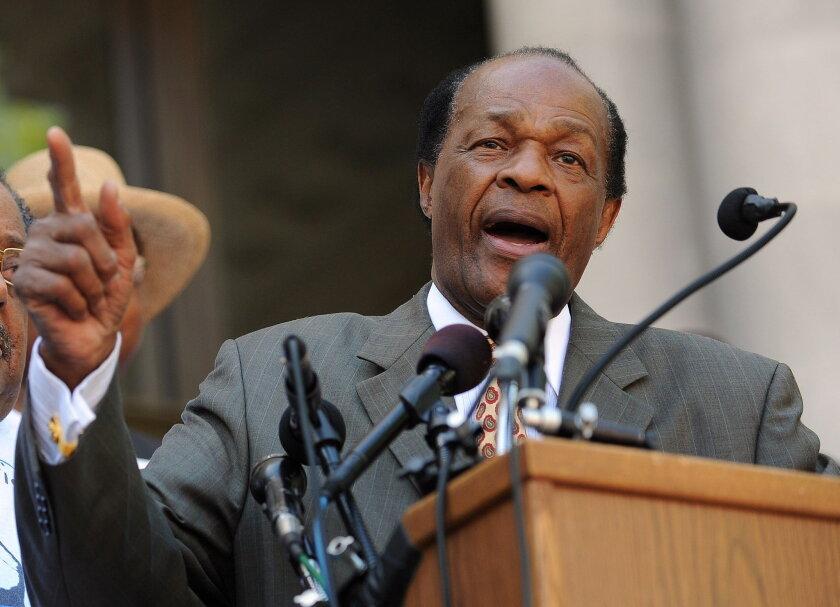
Marion Barry, the former mayor of Washington, D.C., was a prominent political leader whose career became overshadowed by a highly publicized cocaine scandal. Despite his achievements in public service, Barry faced substance-related struggles that damaged his reputation, affected his personal relationships, and resulted in legal consequences. His 1990 arrest for cocaine possession became a defining moment in American political history, raising important questions about addiction, accountability, stigma, and rehabilitation. By examining Barry’s experiences through self-management, family support, and community-based strategies, we can better understand the challenges associated with cocaine use, the importance of evidence-based treatment, and the opportunities for rebuilding one’s life after substance-related difficulties.
Marion Barry’s Political Career and Cocaine Controversy
Marion Barry was born on March 6, 1936, in Itta Bena, Mississippi. Before becoming mayor, he was involved in the civil rights movement and served as a leader in Washington, D.C.’s local government.
He served four terms as mayor of Washington, D.C., from 1979 to 1991 and again from 1995 to 1999.
Barry became known for supporting employment programs, expanding opportunities for disadvantaged residents, and advocating for communities that historically faced economic and political exclusion.
However, his career was also marked by controversy surrounding substance use.
The 1990 cocaine arrest
On January 18, 1990, Barry was arrested during an FBI sting operation at the Vista International Hotel in Washington, D.C.
During the operation, he was videotaped smoking crack cocaine, a smokable form of cocaine.
The arrest attracted nationwide media attention and significantly damaged his political reputation.
Barry was subsequently convicted of a misdemeanor cocaine possession charge and served a six-month federal prison sentence.
Although the incident provided clear evidence of cocaine use, publicly documented events alone do not establish the complete severity or clinical course of a cocaine use disorder. Historical accounts of his struggles should therefore distinguish verified substance use from assumptions about a formal addiction diagnosis.
Understanding Cocaine Addiction and Its Effects on the Brain
Cocaine is a powerful stimulant that affects the central nervous system by interfering with the reuptake of neurotransmitters, particularly dopamine.
Dopamine plays an important role in motivation, reward, and reinforcement.
When cocaine increases dopamine activity, it can produce intense but short-lived feelings of euphoria, confidence, energy, and alertness.
Repeated cocaine use may alter reward processing and contribute to compulsive substance-seeking behavior.
Common signs of cocaine use disorder
- Strong cravings or urges to use cocaine.
- Repeated use despite negative consequences.
- Difficulty controlling the amount or frequency of use.
- Neglecting important responsibilities.
- Continuing use despite relationship problems.
- Experiencing irritability, fatigue, or depressed mood after use.
- Spending significant time obtaining, using, or recovering from cocaine.
- Unsuccessful attempts to reduce or stop use.
Cocaine use disorder is a recognized medical condition that can range from mild to severe.
The Physical and Psychological Risks of Cocaine Use
Cocaine can produce serious health consequences, even in individuals who appear physically healthy.
Cardiovascular complications
Cocaine increases sympathetic nervous system activity, which can elevate blood pressure, heart rate, and cardiac oxygen demand.
Potential complications include:
- Heart attack.
- Dangerous heart rhythm disturbances.
- Stroke.
- Coronary artery vasospasm.
- Cardiomyopathy.
- Sudden cardiac death.
These complications can occur even after relatively limited exposure.
Mental health complications
Cocaine use may also contribute to:
- Anxiety and panic symptoms.
- Irritability and agitation.
- Sleep disturbances.
- Paranoia or stimulant-induced psychosis.
- Depressive symptoms during withdrawal.
- Increased impulsivity and impaired judgment.
Individuals with co-occurring mental health conditions may require integrated psychiatric and addiction treatment.
Social and legal consequences
Barry’s arrest illustrates how substance use can produce consequences extending beyond physical health.
These may include:
- Criminal justice involvement.
- Employment difficulties.
- Financial instability.
- Family conflict.
- Public embarrassment.
- Loss of professional credibility.
- Social isolation and stigma.
However, the consequences of cocaine use vary considerably depending on individual circumstances and access to treatment.
Marion Barry’s Legal Consequences and Political Comeback
Following his conviction, Barry served six months in federal prison.
Despite the controversy, he remained politically influential in Washington, D.C.
After his release, he returned to elected office, serving on the D.C. Council and winning another mayoral term in 1994.
His political comeback reflected continued support from many residents, particularly those who valued his longstanding involvement in civil rights, employment programs, and community development.
Barry’s return to public office demonstrates that a substance-related legal conviction does not necessarily end a person’s professional or civic contributions.
However, a political comeback should not automatically be interpreted as evidence of sustained addiction recovery. Public records do not provide a complete account of Barry’s private treatment history, substance use patterns, or long-term clinical outcomes.
Barry died on November 23, 2014, at age 78. His death should not be characterized as a cocaine overdose or directly attributed to cocaine without supporting medical evidence.
Self-Management Strategies: Lessons From Marion Barry’s Experiences
Self-management involves recognizing substance-related problems, developing healthier behaviors, and participating in appropriate treatment.
Although Barry’s personal recovery practices are not fully documented, his experiences provide an opportunity to discuss evidence-based strategies for individuals struggling with cocaine use.
1. Recognize the consequences of substance use
Acknowledging the effects of cocaine use is an important step toward change.
Individuals should consider:
- Whether cocaine use has become difficult to control.
- How substance use affects work or family responsibilities.
- Whether cravings interfere with daily activities.
- Whether health problems have developed.
- Whether legal or financial difficulties are related to substance use.
- Whether attempts to stop have been unsuccessful.
A professional assessment can help determine whether diagnostic criteria for cocaine use disorder are present.
2. Seek evidence-based addiction treatment
Behavioral interventions are central to cocaine use disorder treatment.
Effective approaches include:
- Contingency management: Provides structured incentives for meeting treatment goals, such as stimulant-negative drug tests.
- Cognitive behavioral therapy (CBT): Helps individuals recognize triggers and develop healthier responses.
- Community reinforcement approach: Builds rewarding, substance-free activities and relationships.
- Motivational interviewing: Helps individuals explore reasons to change substance-use behaviors.
- Integrated mental health treatment: Addresses co-occurring psychiatric symptoms alongside addiction.
Currently, no medication is FDA-approved specifically for cocaine use disorder, although research into pharmacologic treatments continues.
3. Identify and manage cocaine triggers
Triggers may involve emotions, environments, social relationships, or stressful situations.
Common examples include:
- High-pressure work environments.
- Relationship conflicts.
- Social gatherings involving substance use.
- Anxiety, anger, or loneliness.
- Sleep deprivation.
- Exposure to people associated with previous drug use.
Individuals can develop personalized plans to manage these situations.
4. Establish healthy coping strategies
Stress management can reduce reliance on substances as a coping mechanism.
Helpful activities include:
- Regular physical exercise.
- Mindfulness and relaxation techniques.
- Consistent sleep schedules.
- Counseling or psychotherapy.
- Creative hobbies.
- Participation in recovery support groups.
- Building relationships with substance-free peers.
5. Develop a relapse prevention plan
A comprehensive plan should include:
- Recognition of early warning signs.
- Strategies for managing cravings.
- Emergency contacts and supportive individuals.
- Regular follow-up with treatment professionals.
- Alternative activities during high-risk periods.
- A clear plan for returning to treatment after a lapse.
Recovery should focus on long-term health and stability rather than simply avoiding public consequences.
Family Support Strategies: Helping Loved Ones Overcome Cocaine Addiction
Cocaine addiction can affect family relationships, emotional well-being, financial stability, and trust. Families may experience frustration, fear, and uncertainty when a loved one continues using substances despite harmful consequences.
Marion Barry’s highly publicized cocaine scandal illustrates how substance-related difficulties can extend beyond the individual and affect family members, colleagues, and communities.
Although the private details of Barry’s family relationships and recovery support are not fully documented, several evidence-based family strategies can help individuals experiencing cocaine use disorder.
1. Encourage compassionate communication
Families should approach addiction as a treatable health condition rather than a moral failure.
Helpful strategies include:
- Listening without judgment or criticism.
- Expressing concerns about specific behaviors.
- Avoiding shame, threats, or humiliation.
- Encouraging honest conversations about substance use.
- Recognizing positive steps toward treatment.
- Supporting professional addiction assessments.
Compassionate communication can reduce defensiveness and create opportunities for meaningful change.
2. Establish healthy boundaries
Supporting someone with addiction does not require tolerating unsafe or harmful behaviors.
Families can establish boundaries by:
- Refusing to finance substance purchases.
- Setting expectations about household safety.
- Protecting children from drug-related activities.
- Encouraging personal accountability.
- Seeking professional guidance when conflicts arise.
- Maintaining their own emotional and physical well-being.
Healthy boundaries help protect family relationships while encouraging responsibility.
3. Encourage participation in treatment
Family members can assist individuals in accessing evidence-based addiction services.
Supportive actions include:
- Helping locate addiction treatment providers.
- Offering transportation to appointments.
- Encouraging attendance at counseling sessions.
- Participating in family therapy when appropriate.
- Supporting treatment goals and relapse prevention planning.
- Encouraging continued care after treatment completion.
4. Rebuild trust through consistent behavior
Substance use can damage trust, especially when accompanied by dishonesty, financial difficulties, or legal problems.
Rebuilding relationships requires time and consistent actions.
Helpful approaches include:
- Taking responsibility for past behavior.
- Demonstrating reliability.
- Communicating openly about recovery goals.
- Respecting established boundaries.
- Addressing unresolved conflicts through counseling.
- Recognizing that forgiveness and reconciliation cannot be forced.
5. Support the emotional needs of family members
Families may benefit from counseling and peer support even when their loved one is not ready for treatment.
Resources include:
- Family therapy.
- Nar-Anon Family Groups.
- SMART Recovery Family & Friends.
- Individual mental health counseling.
- Community caregiver support programs.
Key lesson: Family support works best when compassion is paired with healthy boundaries, education, and encouragement toward professional treatment.
Community Support Strategies: Addressing Cocaine Addiction and Reducing Stigma
Marion Barry’s experiences demonstrate how substance use, public accountability, social stigma, and community perceptions can intersect.
His continued political support also highlights the complexity of public responses to individuals who experience substance-related difficulties.
Communities play an important role in preventing addiction, expanding access to treatment, and supporting people as they rebuild their lives.
1. Expand access to evidence-based addiction treatment
Communities should make cocaine use disorder treatment accessible regardless of income, employment, or social status.
Important services include:
- Outpatient addiction treatment.
- Intensive outpatient programs.
- Residential treatment when clinically indicated.
- Contingency management programs.
- Cognitive behavioral therapy.
- Integrated mental health services.
- Peer recovery support.
Reducing financial and transportation barriers can improve participation in treatment.
2. Reduce stigma surrounding substance use disorders
Public figures experiencing addiction-related difficulties often face intense media scrutiny.
Although public accountability is important, humiliation and stigmatizing language can discourage people from seeking treatment.
Communities can reduce stigma by:
- Educating the public about addiction as a treatable health condition.
- Promoting respectful, person-first language.
- Encouraging confidential access to treatment.
- Sharing evidence-based recovery information.
- Challenging stereotypes about people who use drugs.
- Supporting recovery without minimizing harmful behavior.
3. Strengthen drug prevention education
Prevention programs should explain the medical and psychological risks of cocaine use.
Community education can address:
- Cocaine’s effects on brain reward pathways.
- Cardiovascular complications.
- Mental health consequences.
- The risks of combining cocaine with alcohol.
- The possibility of fentanyl contamination in illicit stimulants.
- Warning signs of substance use disorder.
- Available treatment resources.
Education should emphasize accurate health information rather than fear-based messaging.
4. Promote overdose prevention and emergency preparedness
Cocaine can cause life-threatening cardiovascular and neurological emergencies.
Communities should educate residents about recognizing:
- Severe chest pain.
- Seizures.
- Extreme agitation.
- High body temperature.
- Sudden confusion.
- Difficulty breathing.
- Loss of consciousness.
These symptoms require immediate emergency medical assistance.
Naloxone does not reverse cocaine toxicity itself, but it can reverse opioid-related respiratory depression when cocaine is contaminated with fentanyl or another opioid.
5. Support rehabilitation and community reintegration
Individuals recovering from substance use disorders may face employment difficulties, housing instability, and barriers related to criminal records.
Communities can support reintegration through:
- Employment readiness programs.
- Educational and vocational training.
- Recovery housing.
- Legal assistance.
- Peer mentorship.
- Community service opportunities.
- Continued behavioral health treatment.
Recovery-oriented services should help individuals rebuild independence, dignity, and meaningful community connections.
Lessons From Marion Barry’s Cocaine Struggles
Marion Barry’s experiences provide several important lessons about addiction, public responsibility, and rehabilitation.
1. Professional success does not eliminate substance use risks.
Barry’s political achievements did not prevent his involvement with cocaine or the serious consequences of his arrest.
2. Addiction-related behavior can have widespread consequences.
Substance use may affect health, employment, relationships, finances, and public trust.
3. Public accountability and compassionate treatment can coexist.
Individuals should remain accountable for harmful behavior while still having access to appropriate healthcare and rehabilitation opportunities.
4. Stigma can create barriers to treatment.
Fear of embarrassment, judgment, or professional consequences may discourage people from seeking help.
5. Recovery requires more than avoiding legal problems.
Sustained recovery involves changes in behavior, physical health, emotional functioning, and relationships.
6. A person’s legacy can be complex.
Barry’s political career included significant community contributions alongside serious personal and legal controversies. You can acknowledge both aspects without minimizing either.
Resources for Cocaine Addiction Treatment and Recovery
SAMHSA National Helpline
1-800-662-HELP (4357)
Free, confidential treatment referrals and information about substance use disorders.
Search for substance use and mental health treatment facilities throughout the United States.
Peer support meetings for individuals seeking recovery from drug addiction.
Evidence-informed tools and meetings that support recovery from addictive behaviors.
Conclusion: Marion Barry’s Story and the Importance of Addiction Awareness
Marion Barry’s life reflects the complicated relationship between personal behavior, public responsibility, and the possibility of rebuilding one’s life after serious setbacks.
His 1990 cocaine arrest damaged his political reputation and resulted in legal consequences. Yet his subsequent return to elected office demonstrated that many community members continued to recognize his contributions to Washington, D.C.
His experience also provides an opportunity to examine the broader challenges associated with cocaine use disorder, including impaired decision-making, medical risks, social stigma, and barriers to treatment.
Self-management strategies such as recognizing triggers, participating in evidence-based counseling, developing healthy coping mechanisms, and maintaining relapse prevention plans can help individuals achieve recovery.
Families can help by communicating compassionately, setting appropriate boundaries, and encouraging professional treatment. Communities can strengthen recovery by expanding access to healthcare, reducing stigma, improving prevention education, and providing opportunities for rehabilitation and reintegration.
Although Barry’s complete personal recovery history is not publicly established, his experiences highlight the importance of addressing substance-related problems with both accountability and compassion.
The central lesson is that substance use disorders deserve serious medical attention, and individuals experiencing addiction should have opportunities to receive treatment, rebuild relationships, and pursue healthier lives.
Frequently Asked Questions and Answers
Marion Barry’s Cocaine Use and Legal Challenges
1. Who was Marion Barry?
Marion Barry was an American civil rights activist and politician who served four terms as mayor of Washington, D.C. He was known for his involvement in civil rights, youth employment initiatives, and community development. His political career also included significant controversies, particularly his 1990 cocaine arrest.
2. Was Marion Barry addicted to cocaine?
Marion Barry was publicly documented using crack cocaine during a federal sting operation in January 1990. He subsequently faced criminal charges related to cocaine possession.
Although his substance use was documented, the available public evidence does not establish a complete clinical diagnosis of cocaine use disorder. A diagnosis requires assessment of behavioral symptoms, impaired control, and consequences over time.
3. What happened during Marion Barry’s 1990 cocaine arrest?
On January 18, 1990, Barry was arrested during an FBI sting operation at the Vista International Hotel in Washington, D.C.
Investigators recorded him smoking crack cocaine during the operation. The arrest received extensive national media coverage and became a major controversy during his mayoral administration.
4. Did Marion Barry go to prison for cocaine possession?
Yes. Barry was convicted of a misdemeanor cocaine possession offense and received a six-month federal prison sentence.
He served his sentence before returning to political life. His case illustrates how substance-related legal consequences can affect professional responsibilities, public reputation, and personal relationships.
5. Did Marion Barry receive addiction treatment?
Public reporting has described substance-related counseling and rehabilitation issues surrounding Barry’s legal difficulties. However, the complete details of his treatment history and long-term clinical outcomes are not established.
It would be inaccurate to assume that his return to political office proved he had achieved sustained recovery.
6. How did cocaine use affect Marion Barry’s political career?
Barry’s arrest and conviction generated widespread media attention and affected public confidence in his leadership.
Despite the controversy, he maintained substantial political support among some Washington residents. After serving his prison sentence, he returned to elected office and won another mayoral term in 1994.
His experiences illustrate the complicated relationship between personal conduct, public accountability, and opportunities for rehabilitation.
7. Did Marion Barry continue his political career after prison?
Yes. Barry returned to public service after his incarceration, serving on the D.C. Council and later winning the 1994 mayoral election.
His political comeback showed that a criminal conviction did not permanently prevent him from holding public office. However, professional rehabilitation and recovery from a substance use disorder are separate matters.
Understanding Cocaine Addiction and Health Risks
8. What is cocaine use disorder?
Cocaine use disorder is a medical condition characterized by problematic cocaine use that causes clinically significant impairment or distress.
Common symptoms include:
- Strong cravings for cocaine.
- Difficulty controlling use.
- Continued use despite harmful consequences.
- Neglecting important responsibilities.
- Repeated unsuccessful attempts to stop.
- Spending substantial time obtaining or using cocaine.
- Continuing use despite relationship or health problems.
The disorder can range from mild to severe.
9. Why is crack cocaine highly addictive?
Crack cocaine is a smokable form of cocaine that reaches the brain rapidly and produces an intense but relatively short-lived euphoric effect.
Cocaine blocks dopamine reuptake, increasing dopamine signaling in brain reward pathways.
The rapid onset and short duration of its effects can reinforce repeated use, increasing the risk of compulsive substance-seeking behavior.
10. What are the physical health risks of cocaine use?
Cocaine can cause serious cardiovascular and neurological complications.
Potential health consequences include:
- Heart attack.
- Stroke.
- Dangerous heart rhythm disturbances.
- Elevated blood pressure.
- Seizures.
- Cardiomyopathy.
- Hyperthermia.
- Sudden cardiac death.
These complications can occur even in people without previously diagnosed heart disease.
11. Can cocaine addiction cause mental health problems?
Yes. Cocaine use may contribute to anxiety, irritability, paranoia, insomnia, and mood disturbances.
Heavy or prolonged use may also be associated with stimulant-induced psychosis, depression, and impaired decision-making.
People experiencing co-occurring mental health conditions benefit from integrated treatment addressing both substance use and psychiatric symptoms.
12. Did cocaine use cause Marion Barry’s death?
Marion Barry died on November 23, 2014, at age 78. His death should not be described as a cocaine overdose or directly attributed to cocaine use without supporting medical evidence.
Although cocaine can cause serious cardiovascular complications, an individual’s cause of death cannot be determined from a history of substance use alone.
Self-Management and Addiction Treatment
13. Did Marion Barry acknowledge having an addiction?
Yes. During his 1990 legal proceedings, Barry described himself as a recovering alcoholic and drug addict. Contemporary reporting also documented that he completed a drug and alcohol rehabilitation program. These accounts provide stronger evidence of his publicly acknowledged addiction struggles than the arrest alone.
14. What treatments are effective for cocaine addiction?
Evidence-based treatments for cocaine use disorder include:
- Contingency management: Rewards treatment participation and verified progress toward recovery goals.
- Cognitive behavioral therapy (CBT): Helps individuals identify triggers and develop healthier coping skills.
- Community reinforcement approach: Encourages rewarding activities and relationships that support substance-free living.
- Motivational interviewing: Helps strengthen motivation for behavioral change.
- Integrated mental health care: Addresses co-occurring psychiatric conditions.
Contingency management has particularly strong evidence for treating stimulant use disorders.
15. Are medications available to treat cocaine addiction?
As of 2026, no medications are specifically FDA-approved for cocaine use disorder.
Researchers continue investigating potential pharmacologic treatments, but behavioral interventions remain central to evidence-based care. Clinicians may still prescribe medications to treat co-occurring conditions when clinically appropriate.
16. What self-management strategies help prevent cocaine relapse?
Individuals can strengthen recovery through:
- Identifying emotional and environmental triggers.
- Avoiding situations associated with previous cocaine use.
- Establishing consistent sleep and exercise routines.
- Practicing stress management and mindfulness.
- Attending counseling or recovery meetings.
- Maintaining relationships with supportive individuals.
- Developing a written relapse prevention plan.
- Seeking help promptly when cravings increase.
A lapse should prompt reassessment and renewed support rather than shame or abandonment of treatment.
Family and Community Support
17. How can families help someone struggling with cocaine addiction?
Families can support recovery through compassionate communication, practical assistance, and healthy boundaries.
Helpful strategies include:
- Listening without judgment.
- Encouraging professional addiction treatment.
- Learning about cocaine use disorder.
- Participating in family counseling when appropriate.
- Avoiding financial support that facilitates substance use.
- Establishing clear expectations about safety.
- Supporting healthy routines and treatment participation.
Family members should also protect their own emotional well-being.
18. How can families rebuild trust after addiction-related problems?
Rebuilding trust requires consistent behavior, accountability, and communication.
Individuals in recovery can demonstrate reliability by attending treatment, following through on commitments, acknowledging past harm, and respecting boundaries.
Family therapy may help address unresolved conflicts and improve communication. Reconciliation is gradual, and family members should not feel pressured to restore trust before they are ready.
19. What role do communities play in cocaine addiction recovery?
Communities can improve recovery outcomes by expanding access to treatment and reducing barriers to care.
Important strategies include:
- Providing affordable addiction treatment programs.
- Supporting peer recovery organizations.
- Offering employment and housing assistance.
- Expanding mental health services.
- Educating the public about stimulant addiction.
- Reducing stigma surrounding substance use disorders.
- Providing overdose prevention education.
- Supporting individuals returning from incarceration.
Community-based support helps individuals rebuild stability and maintain connections outside treatment settings.
20. What is the most important lesson from Marion Barry’s cocaine struggles?
Marion Barry’s experiences demonstrate that substance-related difficulties can affect individuals regardless of their professional accomplishments or social standing.
His arrest, conviction, rehabilitation experience, and return to public office illustrate the relationship between personal accountability, substance use treatment, and opportunities for reintegration.
His story also reminds us that public achievements and professional rehabilitation do not, by themselves, establish long-term clinical recovery.
Video: