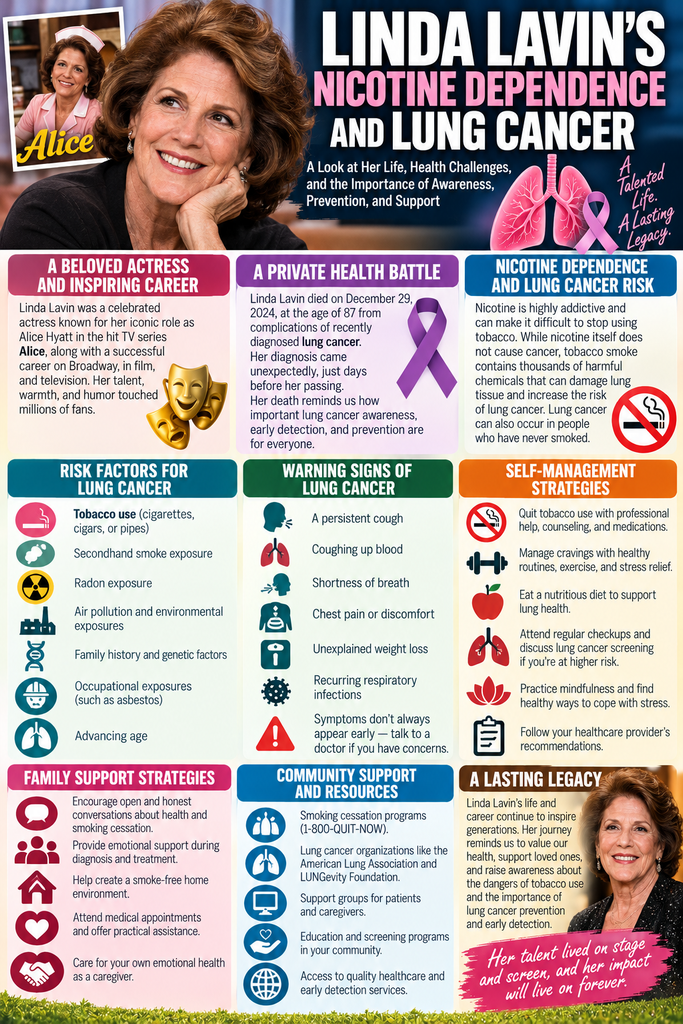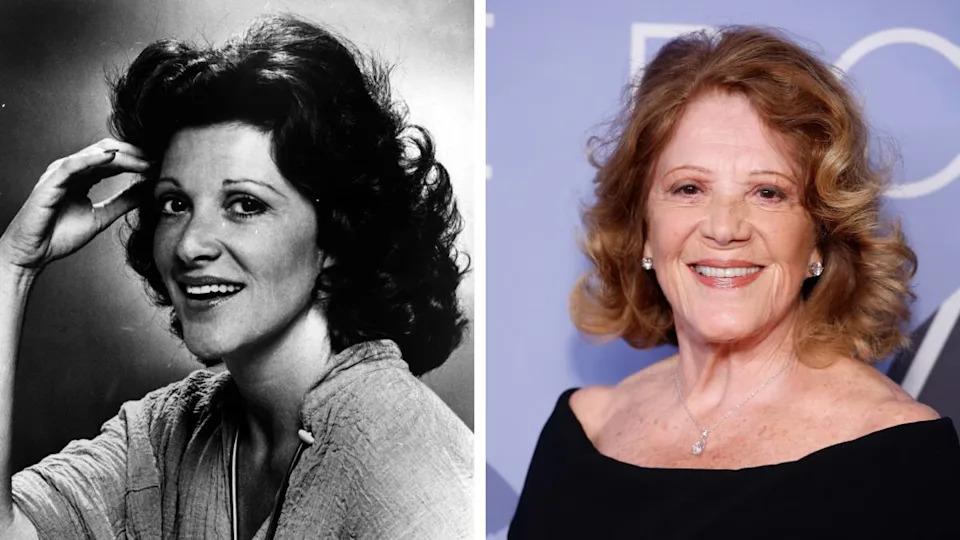
Linda Lavin, the beloved actress best known for her starring role in the television sitcom Alice, enjoyed an extraordinary career spanning Broadway, television, and film. Her performances earned widespread recognition, including a Tony Award and multiple television award nominations. However, her life came to an unexpected end on December 29, 2024, when she died at age 87 from complications of recently diagnosed lung cancer.
Her death highlights the importance of lung cancer awareness, early detection, and understanding the serious health consequences associated with tobacco use and nicotine dependence.
An important distinction: Although Lavin’s lung cancer diagnosis is confirmed, reliable public reporting does not establish that she personally experienced nicotine dependence or that smoking caused her cancer. Her diagnosis should not be assumed to reflect her medical history.
Nevertheless, her experience provides an opportunity to discuss how nicotine addiction affects lung health, why lung cancer can develop without obvious early symptoms, and how individuals and families can benefit from prevention, treatment, and emotional support.
By exploring self-management, family involvement, and community support strategies, we can honor Lavin’s legacy while providing practical information about tobacco dependence and lung cancer.
Linda Lavin’s Life and Career
Born October 15, 1937, in Portland, Maine, Linda Lavin developed a passion for performing early on. She became a talented stage actress before achieving national recognition on television.
Her most recognizable role was Alice Hyatt, a widowed mother who worked as a waitress while raising her son on the CBS sitcom Alice.
The series aired from 1976 to 1985 and became an important cultural representation of working mothers seeking financial independence and personal fulfillment.
Lavin also enjoyed a successful theater career, winning the 1987 Tony Award for Best Actress in a Play for Neil Simon’s Broadway Bound.
Her career continued well into her eighties. Shortly before her death, she appeared in the Netflix series No Good Deed and worked on the television comedy Mid-Century Modern.
Her continued professional activity reflected her enthusiasm for acting and creative expression.
Linda Lavin’s Lung Cancer Diagnosis and Death
Lavin’s lung cancer diagnosis came unexpectedly in December 2024.
According to reporting following her death, she underwent a bronchoscopy on December 19, 2024, approximately ten days before she died.
A bronchoscopy lets physicians examine the airways and, when needed, collect tissue samples for diagnostic testing.
On December 29, Lavin died at her Malibu home. Her death certificate identified cardiopulmonary arrest associated with underlying lung cancer.
The precise stage, subtype, and duration of her cancer were not publicly established.
Her experience illustrates several important considerations:
- Lung cancer may develop before noticeable symptoms appear.
- Some individuals receive a diagnosis only after the disease has advanced.
- Cancer can affect people who remain physically active and professionally engaged.
- Prompt evaluation of persistent respiratory symptoms is important.
- Screening can identify certain lung cancers before symptoms develop in eligible high-risk individuals.
Lavin’s sudden death also highlights the emotional challenges families may face when a serious diagnosis provides little time for adjustment.
Understanding Nicotine Dependence and Lung Cancer
Nicotine dependence is a condition in which the brain becomes accustomed to nicotine exposure, producing cravings and withdrawal symptoms when nicotine use decreases or stops.
Nicotine stimulates receptors involved in dopamine signaling, reinforcing repeated tobacco use.
Over time, individuals may develop difficulty controlling nicotine consumption even when they understand the associated health risks.
Although nicotine is the primary substance responsible for tobacco addiction, the major cancer risk from smoking comes from carcinogens in tobacco smoke, rather than nicotine itself.
Cigarette smoke contains thousands of chemicals, including substances that can damage DNA and contribute to cancer development.
How smoking increases lung cancer risk
- DNA damage: Tobacco smoke contains carcinogens that can cause genetic mutations.
- Chronic inflammation: Repeated exposure can damage lung tissue and interfere with normal cellular processes.
- Impaired lung defenses: Smoking damages the respiratory system’s ability to clear harmful particles.
- Cumulative exposure: Lung cancer risk generally increases with the amount and duration of smoking.
- Secondhand smoke: Exposure to other people’s tobacco smoke can also increase lung cancer risk.
Not everyone who develops lung cancer has smoked. Radon, air pollution, occupational exposures, inherited susceptibility, and other factors can contribute to the disease.
Therefore, Lavin’s lung cancer diagnosis cannot establish a history of smoking or nicotine addiction.
Self-Management Strategies for Nicotine Dependence and Lung Health
Self-management is an important part of preventing tobacco-related disease and supporting individuals living with lung cancer.
Although Lavin’s personal tobacco history has not been verified, the following strategies can help people experiencing nicotine dependence or concerns about lung health.
1. Recognize nicotine triggers
Nicotine dependence often involves psychological and behavioral triggers that reinforce tobacco use.
Helpful strategies include:
- Identify situations that increase cravings, such as stress, driving, or social gatherings.
- Keep a journal documenting nicotine use and withdrawal symptoms.
- Replace smoking routines with healthier activities.
- Practice deep breathing or mindfulness during cravings.
- Remove cigarettes, ashtrays, and other smoking reminders from the home.
Recognizing triggers can help people gain more control over habitual behaviors.
2. Consider evidence-based smoking cessation treatments
Quitting smoking can be challenging because nicotine withdrawal may cause irritability, anxiety, difficulty concentrating, and intense cravings.
Effective treatment options include:
- Nicotine replacement therapy, including patches, gum, and lozenges.
- Prescription medications such as varenicline or bupropion, when appropriate.
- Behavioral counseling to address smoking habits.
- Telephone quitline services.
- Structured smoking cessation programs.
Combining counseling with medication generally provides better results than relying on willpower alone.
3. Understand lung cancer screening
Early detection can improve outcomes for certain high-risk individuals.
The U.S. Preventive Services Task Force recommends annual low-dose CT screening for adults who meet all three criteria:
- Are between 50 and 80 years old.
- Have at least a 20-pack-year smoking history.
- Currently smoke or quit within the past 15 years.
Discuss screening decisions with a healthcare professional because benefits and potential harms vary by individual. People with symptoms need diagnostic evaluation rather than routine screening.
4. Monitor respiratory symptoms
Individuals should seek medical evaluation for persistent or unexplained symptoms, including:
- A cough that does not improve.
- Coughing up blood.
- Persistent chest discomfort.
- Unexplained weight loss.
- Increasing shortness of breath.
- Recurrent respiratory infections.
These symptoms do not necessarily indicate lung cancer, but they should not be ignored.
5. Maintain healthy daily routines
Healthy routines can support both smoking cessation and overall well-being.
Regular physical activity, nutritious meals, adequate sleep, and stress-management techniques can help individuals manage cravings and improve their quality of life.
People undergoing cancer treatment should discuss exercise and dietary changes with their healthcare team.
Family Support Strategies During Lung Cancer and Nicotine Recovery
Family support becomes especially important when someone experiences a serious illness or attempts to stop smoking.
Lavin was married to actor and musician Steve Bakunas, who was also her creative collaborator. Shortly before her death, she publicly expressed appreciation for her husband and the fulfilling life they shared.
Although details of her medical care and family support during her final days remain private, her relationships illustrate the importance of emotional connection during life’s challenges.
Encourage compassionate communication
Families can help by creating an environment where they can discuss health concerns without judgment.
Supportive strategies include:
- Listening to concerns about cancer, treatment, or nicotine withdrawal.
- Avoiding blame or criticism about past tobacco use.
- Encouraging honest discussions about emotional distress.
- Respecting the individual’s treatment decisions.
- Offering reassurance without minimizing legitimate fears.
Support smoking cessation efforts
Family members can encourage tobacco cessation by helping create smoke-free environments and supporting healthy routines.
Practical assistance may include removing smoking triggers, participating in smoke-free activities, and celebrating progress.
Address relapses constructively rather than through shame or punishment.
Assist with medical appointments
A serious cancer diagnosis can create overwhelming emotional and logistical demands.
Family members may help by:
- Providing transportation to appointments.
- Taking notes during medical consultations.
- Helping organize medications and treatment schedules.
- Assisting with household responsibilities.
- Encouraging questions about treatment options.
- Supporting discussions about palliative care when appropriate.
Recognize caregiver stress
Family caregivers may experience anxiety, exhaustion, sadness, or anticipatory grief.
Counseling, respite care, support groups, and assistance from friends can help caregivers maintain their own health.
Supporting someone through cancer means caring for the patient while also recognizing the emotional needs of the family.
Community Support Strategies for Lung Cancer and Nicotine Dependence
Community resources can improve access to prevention, treatment, education, and emotional support.
Lavin’s experience highlights the importance of healthcare systems and organizations that support individuals facing lung cancer.
Smoking cessation programs
The Centers for Disease Control and Prevention supports smoking cessation education and access to quitline services.
Individuals can contact 1-800-QUIT-NOW (1-800-784-8669) for free, confidential assistance with quitting tobacco.
The Smokefree.gov website also provides educational materials, tools, and personalized quitting resources.
Lung cancer organizations
Organizations such as the American Lung Association and LUNGevity Foundation provide education, advocacy, and resources for individuals affected by lung cancer.
Their programs can help patients and families understand screening, treatment, clinical trials, and supportive care.
Cancer support groups
Cancer support groups give patients and caregivers opportunities to share experiences with others facing similar challenges.
Potential benefits include:
- Reducing emotional isolation.
- Learning practical coping strategies.
- Sharing information about treatment-related challenges.
- Receiving encouragement from cancer survivors.
- Connecting caregivers with emotional support.
Community prevention and education
Communities can reduce tobacco-related harm by promoting smoke-free environments and increasing access to evidence-based cessation programs.
Educational initiatives can also encourage eligible individuals to discuss lung cancer screening with healthcare professionals.
These efforts are particularly important for populations experiencing barriers to affordable medical care.
Why Quitting Smoking Matters Even After a Cancer Diagnosis
Some individuals mistakenly believe that quitting smoking provides little benefit after developing lung cancer.
However, research indicates that stopping smoking after a cancer diagnosis can improve treatment outcomes and overall prognosis.
Continued smoking may increase treatment complications, reduce treatment effectiveness, and increase the risk of additional cancers.
Quitting can provide benefits regardless of age or how long someone has smoked.
For individuals with nicotine dependence, professional cessation assistance should be integrated into cancer care whenever appropriate.
Lessons From Linda Lavin’s Lung Cancer Journey
Lavin’s death provides important lessons about lung cancer awareness, preventive healthcare, and the importance of compassionate support.
Lung cancer can develop unexpectedly
Some people experience few noticeable symptoms before diagnosis. Her experience underscores the importance of promptly evaluating concerning symptoms.
Lung cancer does not always indicate smoking
Although smoking is the leading risk factor, lung cancer can develop in people who have never smoked. Avoiding assumptions reduces stigma and encourages compassionate care.
Nicotine dependence is treatable
Individuals struggling to stop smoking can benefit from counseling, medication, and structured support programs.
Family relationships provide emotional stability
Strong relationships can help individuals navigate uncertainty, serious illness, and grief.
Community resources can improve access to care
Screening programs, tobacco cessation services, and cancer support organizations can help people obtain appropriate assistance.
Quality of life matters
Lavin continued participating in meaningful professional and personal activities shortly before her death. Her story reminds us that emotional connection, purpose, and quality of life remain important throughout aging and illness.
Conclusion: Remembering Linda Lavin While Promoting Lung Cancer Awareness
Linda Lavin’s remarkable career and unexpected death from lung cancer highlight the importance of respiratory health, early detection, and compassionate support.
Although her personal history of nicotine dependence has not been established, her diagnosis provides an opportunity to educate readers about the connection between tobacco use and lung cancer.
The most important lessons involve three interconnected approaches: self-management through tobacco cessation and preventive healthcare, family support through compassionate communication and practical assistance, and community support through accessible treatment and education.
Her legacy extends far beyond her final illness. She will be remembered for her contributions to television, theater, and the performing arts.
By combining lung cancer awareness with evidence-based nicotine addiction treatment, individuals and families can take meaningful steps toward better health.
The goal is not to assign blame for illness, but to encourage prevention, early detection, compassionate care, and healthier futures.
Frequently Asked Questions and Answers
1. Who was Linda Lavin, and what caused her death?
Linda Lavin was an award-winning American actress best known for portraying Alice Hyatt in the television sitcom Alice, which aired from 1976 to 1985. She also enjoyed a distinguished Broadway career. Lavin died on December 29, 2024, at age 87, from complications of recently diagnosed lung cancer. Her death brought renewed attention to lung cancer awareness, early detection, and prevention.
2. Did Linda Lavin struggle with nicotine dependence?
There is insufficient reliable public information to establish that Linda Lavin experienced nicotine dependence. Although she died from lung cancer, a lung cancer diagnosis does not necessarily indicate a history of smoking or nicotine addiction. Her experience provides an opportunity to discuss tobacco-related health risks without assuming details about her personal medical history.
3. Was Linda Lavin’s lung cancer caused by smoking?
The specific cause of Linda Lavin’s lung cancer has not been publicly established. Cigarette smoking is the leading risk factor for lung cancer, but the disease can also develop in individuals who have never smoked. Other contributing factors include secondhand smoke, radon exposure, occupational carcinogens, air pollution, and genetic susceptibility.
4. When was Linda Lavin diagnosed with lung cancer?
Lavin was reportedly diagnosed with lung cancer in December 2024, shortly before her death. Public reporting indicates that she underwent a bronchoscopy on December 19, 2024. She died ten days later. The exact stage and subtype of her cancer were not publicly disclosed.
5. What is nicotine dependence, and how does it develop?
Nicotine dependence is a condition in which repeated nicotine exposure produces cravings, withdrawal symptoms, and difficulty stopping use. Nicotine activates brain receptors linked to dopamine release and reinforcement. Over time, the brain adapts to nicotine, making continued use feel increasingly necessary. Dependence can develop through cigarettes, cigars, smokeless tobacco, and nicotine-containing vaping products.
6. How does cigarette smoking increase the risk of lung cancer?
Cigarette smoke contains numerous carcinogenic chemicals that can damage DNA in lung cells. Repeated exposure can produce genetic mutations, chronic inflammation, and abnormal cell growth. Over time, these changes may contribute to lung cancer. Smoking also damages the respiratory system’s natural defenses, increasing vulnerability to other lung diseases.
7. Does nicotine itself cause lung cancer?
Nicotine is the primary addictive substance in tobacco products, but it is not considered the main direct cause of smoking-related lung cancer. The greatest cancer risk comes from carcinogenic chemicals produced by burning tobacco. Nicotine is not harmless, however, and can affect cardiovascular function and reinforce addiction. Nicotine replacement therapies are substantially safer than continued cigarette smoking.
8. Can someone develop lung cancer without ever smoking?
Yes. Lung cancer occurs in people who have never smoked. Potential contributing factors include radon exposure, secondhand smoke, air pollution, occupational exposure to asbestos or other carcinogens, and inherited or acquired genetic changes. Some lung cancers develop without an identifiable environmental cause. Therefore, individuals should not be blamed or judged because of a lung cancer diagnosis.
9. What are the early warning signs of lung cancer?
Early lung cancer may cause few or no symptoms. When symptoms occur, they may include:
- A persistent or worsening cough.
- Coughing up blood.
- Unexplained shortness of breath.
- Chest pain or discomfort.
- Unintentional weight loss.
- Persistent fatigue.
- Recurrent pneumonia or other respiratory infections.
Anyone experiencing persistent respiratory symptoms should seek medical evaluation. Coughing up blood warrants prompt medical attention.
10. Why is lung cancer sometimes diagnosed at an advanced stage?
Lung cancer can develop without noticeable symptoms early on. Some symptoms, such as coughing or fatigue, may initially resemble common respiratory conditions. Because routine lung cancer screening is recommended only for certain high-risk individuals, cancers in people outside those groups may not be detected until symptoms develop.
11. What is a bronchoscopy, and why is it performed?
A bronchoscopy is a medical procedure that lets healthcare professionals examine the airways using a thin, flexible instrument with a camera. Physicians may collect tissue samples, investigate abnormal imaging results, or evaluate persistent respiratory symptoms. Reports indicate that Lavin underwent a bronchoscopy shortly before her death, although complete details of her diagnostic evaluation remain private.
12. Who should receive lung cancer screening?
The U.S. Preventive Services Task Force recommends annual low-dose CT screening for adults ages 50–80 who have at least a 20-pack-year smoking history and currently smoke or quit within the past 15 years. Screening should stop when a person has not smoked for 15 years or develops a health condition that substantially limits life expectancy or the ability or willingness to undergo curative lung surgery. Other professional organizations may use somewhat different eligibility criteria.
13. Can quitting smoking reduce lung cancer risk?
Yes. Quitting smoking reduces the risk of developing lung cancer and other tobacco-related diseases. Risk generally decreases over time after cessation, although it may remain higher than that of someone who has never smoked. Stopping smoking can also improve cardiovascular health, respiratory function, and overall life expectancy.
14. What self-management strategies can help someone overcome nicotine dependence?
Effective self-management combines behavioral changes with appropriate treatment. Strategies include:
- Identifying smoking triggers and craving patterns.
- Establishing a specific quit date.
- Removing tobacco products from the home.
- Practicing mindfulness and stress management.
- Developing healthy exercise and sleep routines.
- Using approved cessation medications when appropriate.
- Seeking counseling or professional assistance.
- Creating a plan for managing withdrawal symptoms and setbacks.
Combining behavioral counseling with cessation medication generally improves the likelihood of successfully quitting.
15. What medications can help people stop smoking?
Evidence-based smoking cessation treatments include nicotine replacement products such as patches, gum, and lozenges, as well as prescription medications including varenicline and bupropion. These treatments help reduce cravings or withdrawal symptoms. Healthcare professionals can recommend options based on medical history, medication interactions, and individual preferences.
16. How can families support someone trying to quit smoking?
Family members can encourage tobacco cessation through compassion, practical assistance, and positive reinforcement. Helpful approaches include maintaining a smoke-free home, avoiding criticism, participating in healthy activities, and encouraging professional treatment. Families should recognize that nicotine dependence is a treatable condition and that some individuals require several attempts before achieving sustained cessation.
17. How can families support a loved one diagnosed with lung cancer?
Families can provide emotional and practical assistance throughout diagnosis and treatment. This may involve attending medical appointments, helping organize medications, arranging transportation, preparing meals, and listening to the patient’s concerns. Respecting personal treatment preferences and avoiding blame are especially important. Family caregivers may also benefit from counseling and respite services.
18. What treatment options are available for lung cancer?
Lung cancer treatment depends on the cancer’s type, stage, molecular characteristics, and the patient’s overall health. Options may include surgery, radiation therapy, chemotherapy, targeted therapy, immunotherapy, or combinations of these approaches. Palliative care can also help manage symptoms and improve quality of life at any stage of serious illness. An oncology team develops treatment recommendations based on individual circumstances.
19. Does quitting smoking help after a lung cancer diagnosis?
Yes. Stopping smoking after a lung cancer diagnosis may improve treatment outcomes, reduce complications, and support overall health. Continued smoking can interfere with healing and increase the risk of additional tobacco-related diseases. Healthcare professionals can provide cessation counseling and medications as part of comprehensive cancer care.
20. What community resources are available for nicotine dependence and lung cancer?
Several organizations provide educational materials, treatment guidance, and emotional support:
- 1-800-QUIT-NOW (1-800-784-8669): Free smoking cessation counseling and referrals.
- Smokefree.gov: Quitting tools, educational materials, and support programs.
- American Lung Association: Lung disease education, advocacy, and patient support.
- LUNGevity Foundation: Lung cancer education, patient resources, and community support.
- American Cancer Society: Cancer information, treatment resources, and support services.
These resources can help individuals and families navigate prevention, treatment, and recovery.
21. How does secondhand smoke affect lung cancer risk?
Secondhand smoke contains many of the same harmful chemicals as cigarette smoke. Regular exposure increases lung cancer risk among nonsmokers and contributes to cardiovascular and respiratory disease. Keeping homes, workplaces, and vehicles smoke-free helps protect family members and others from involuntary tobacco exposure.
22. Can vaping cause nicotine dependence and lung damage?
Yes. Many vaping products contain nicotine, which can produce dependence and withdrawal symptoms. E-cigarette aerosol may also contain harmful substances, including fine particles, metals, and other chemicals. Although completely switching from cigarettes to regulated nicotine vaping products may reduce exposure to certain toxicants, vaping is not risk-free, and its long-term cancer risks are still being studied. People who do not use nicotine should not begin vaping.
23. What role does emotional support play during lung cancer treatment?
Emotional support can help patients manage anxiety, uncertainty, sadness, and treatment-related stress. Counseling, support groups, family involvement, and palliative care services may improve psychological well-being and quality of life. Emotional support does not replace medical treatment, but it is an important component of comprehensive cancer care.
24. What can people learn from Linda Lavin’s lung cancer experience?
Lavin’s experience highlights the importance of taking persistent respiratory symptoms seriously, understanding lung cancer risk factors, and seeking timely medical evaluation. Her diagnosis also reminds us that lung cancer can affect individuals regardless of whether they have a known smoking history. Compassionate care, prevention, and access to medical services are essential.
25. What is Linda Lavin’s lasting legacy beyond her lung cancer diagnosis?
Linda Lavin is remembered for her influential performances in television, theater, and film. Her portrayal of Alice Hyatt became a defining role in American television, while her Broadway achievements demonstrated her versatility as a performer. Her death from lung cancer offers an opportunity to promote awareness, but her life should be remembered primarily for her artistic contributions and the people she inspired.
Video: