Ketamine therapy has been popping up more and more in conversations about depression, especially when other treatments don’t seem to help. I’ve watched people go through years of trying different antidepressants and therapies, only to feel stuck in the same gloomy brain fog. That’s why ketamine therapy has caught my attention—there’s real interest in this treatment as a way to bring some hope to folks who haven’t found relief elsewhere. Here I’m breaking down what ketamine therapy for depression actually involves, what the experience is like, and what you should know before considering it yourself or for a loved one.
What Is Ketamine Therapy for Depression?
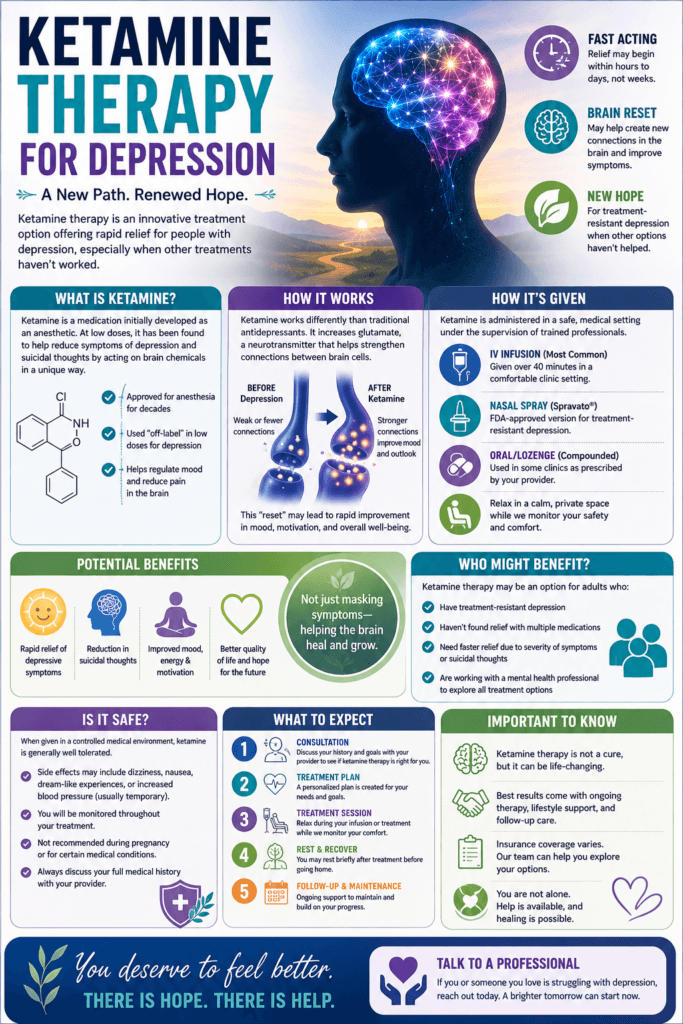
Ketamine therapy uses a medication originally used as an anesthetic to help people struggling with tough-to-treat depression. It’s not your typical antidepressant, as this approach works in a unique way. Most traditional depression meds affect brain chemicals like serotonin or dopamine, but ketamine targets a system called glutamate, which plays a big role in mood, learning, and memory.
Doctors have used ketamine for decades in surgery and pain relief, but it’s only in the last several years that researchers have noticed it could quickly lift depression symptoms, sometimes within hours. Because of this, ketamine therapy is now offered at some clinics under careful medical supervision.
You might hear about a couple of forms of ketamine therapy: intravenous ketamine infusions, which are administered via an IV drip, and esketamine nasal spray (Spravato), a close cousin of ketamine that’s FDA-approved for depression and used in clinics under supervision. Both routes show promise for people who haven’t had any success with more common treatments.
Why People Are Interested in Ketamine Therapy
Ketamine isn’t just being talked about because it’s new; it’s making waves because it works differently and can start working fast. A lot of patients dealing with depression face weeks or months of trial and error when starting standard antidepressants. Sometimes it feels like forever waiting for something to finally change.
With ketamine, some folks feel significant changes in mood within a day or two of treatment, especially when depression has been relentless or life-threatening. This rapid effect is especially important for people dealing with suicidal thoughts, since studies show ketamine can have a pretty fast-acting impact and may offer a sort of “reset” to the brain’s patterns.
It’s not a magic cure, and it doesn’t work for everyone, but the fact that it can work so quickly for some people is what gives it real appeal, particularly for treatment-resistant depression or when safety is a real concern because of suicidal thinking. In recent years, an increasing number of clinics have opened to meet demand, showing just how popular this approach is becoming within the mental health community.
What to Expect: The Ketamine Therapy Experience
Heading in for a ketamine therapy session is a bit different from just picking up a pill at the pharmacy. First, there’s a screening to make sure you’re a suitable candidate. Clinics usually want to know your full medical history, what other treatments you’ve tried, and if you have any conditions that might make ketamine less safe (like uncontrolled high blood pressure or certain mental health disorders).
Treatment typically takes place in a clinic, in a comfortable chair or small treatment room, and you’re supervised the whole time. For IV infusions, the typical session lasts about 40 minutes. You might feel a bit “floaty” or disconnected—this is called dissociation, and most people describe it as mildly trippy or surreal. Nurses or doctors will monitor your vital signs while you relax. The staff is there to answer questions and check in on how you’re feeling during the process.
After your session, there’s some time to recover in the clinic before heading home. It’s really important not to drive yourself; most clinics require someone else to take you home that day. Some people feel tired or dazed for the rest of the day, but side effects often fade pretty quickly, and you can usually return to most normal activities by the next morning. For some, journaling or talking with a therapist after the session is helpful to reflect on the experience.
Treatment plans vary, but it’s common to start with several sessions in the first few weeks, then gradually space them out if you’re responding well. Some clinics also combine ketamine sessions with talk therapy, since people often feel more open to exploring their feelings and experiences soon after treatment. Having support from mental health professionals along the way is key to a successful plan.
Is Ketamine Therapy Safe?
Safety is a big concern, and ketamine isn’t totally risk-free. Used improperly or without medical oversight, it has the potential for abuse or certain side effects. In the clinic setting and with the right screening, ketamine therapy is considered safe for most people who qualify.
Common side effects of ketamine therapy can include:
- Dissociation: That feeling of being disconnected from reality for a bit.
- Nausea or dizziness: Often mild and short-lived.
- Increased blood pressure: Monitored during sessions to make sure you stay safe.
- Headache or fatigue: Not everyone gets these, but they’re possible after a session.
Anyone with a history of psychosis (like schizophrenia) or uncontrolled heart issues usually shouldn’t get ketamine therapy. Clinics will check for these concerns at your first visit.
It’s also important to point out that ketamine therapy may carry some risk for those with a personal or family history of substance abuse. Since ketamine has potential for misuse in recreational settings, ongoing monitoring and communication with your care team help keep therapy in the safe zone. When questions or unexpected reactions come up, reaching out to your provider right away is always wise.
How Ketamine Therapy Works in the Brain
What’s wild about ketamine is how it works on totally different brain circuits compared to regular antidepressants. Antidepressants like SSRIs change levels of serotonin over weeks, but ketamine acts on the NMDA receptor, which is tied to the glutamate system.
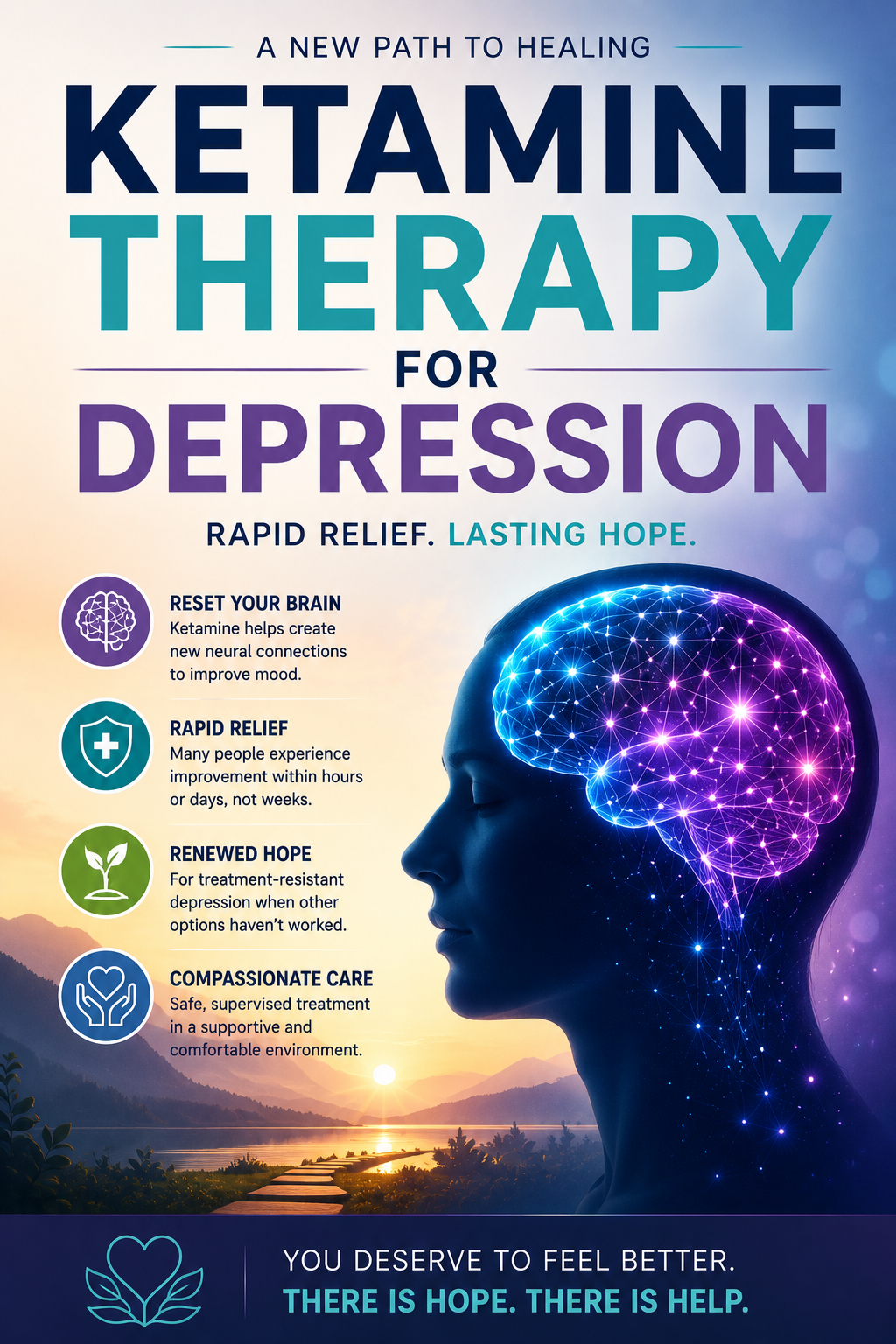
Experts believe ketamine helps the brain “reset” by encouraging the growth of new connections between nerve cells—basically helping the brain rewire itself. There’s still a lot to learn, but both animal studies and human imaging show signs of increased neuronal connectivity after ketamine treatment.
This “neuroplasticity” theory is one reason why some patients feel an almost immediate lift in mood or energy, even after years of gloom. But the effects aren’t always long-lasting, so most people need booster treatments to maintain the benefits. Researchers are still working to nail down exactly why some people respond better than others, so staying in touch with your care team for ongoing evaluation is key.
Things to Think About Before Starting Ketamine Therapy
Ketamine therapy isn’t right for everyone. Here are a few things I recommend considering before making any decisions:
- Other treatments: Ketamine is usually considered after other options have been tried. If you haven’t worked with a psychiatrist or tried talk therapy and standard medications, most clinics will recommend starting there first.
- Medical history: Be honest about all past medical conditions. This helps your care team decide if it’s safe for you.
- Insurance coverage: Ketamine therapy can be pricey. Many insurance plans don’t cover it yet, though some clinics can bill for esketamine (Spravato). It’s worth checking costs and coverage in advance.
- Ongoing treatment: Ketamine often isn’t a one-and-done fix. It may help open the door to more successful talk therapy or other treatments, but regular follow-ups are usually needed to maintain improvements.
If you have other health conditions or take prescription medications, bring a full list with you for the initial screening. Being upfront can save you headaches and make the process smoother. You’ll also want to think about your support network, since having someone around to pick you up after each session is a necessity.
Real-World Experiences With Ketamine Therapy
I’ve talked with folks who describe ketamine therapy as a “life raft” at their lowest points. Some mention finally feeling relief after years of numbness, while others find the dissociation experience unsettling but worth the results afterward. Not everyone has a dramatic response; some barely notice any change, or the effects wear off after a few days.
One friend told me she started feeling color and music in a totally different way again after a few infusions. Another had a few days of feeling more clear-headed before sliding back into a depressive episode. It’s really important to keep expectations realistic and to see ketamine as one piece of the wider mental health toolkit, not a solo hero. As with all treatments, honest conversations with your provider count for a lot.
Support groups with others trying ketamine may also help you figure out whether this path feels right—sometimes hearing different experiences brings clarity. Online forums and local meetups can offer stories from people at different stages in their treatment, helping cut through the noise of hype and marketing. Remember, your experience might not match anyone else’s exactly, but sharing and listening can be comforting.
Talking to a Doctor About Ketamine Therapy
If you’re curious about this treatment, bringing it up with a doctor you trust is the best place to start. Even if your primary care doctor or psychiatrist doesn’t offer ketamine, they can help refer you to reputable clinics and offer input on whether you’re a good candidate. Checking out the Psychology Today ketamine therapy directory can also help you find vetted providers in your area.
A good care team will walk you through risks, realistic outcomes, the commitment involved, and how it might fit into your wider depression treatment plan. Genuine support and open communication with your doctor make the process smoother and safer. If you have questions or something doesn’t feel right at any point, don’t be afraid to ask—finding the right fit matters.
Frequently Asked Questions
Here are some common questions that come up about ketamine therapy for depression:
Question: Is ketamine therapy addictive?
Answer: Used under clinical supervision at proper doses, ketamine therapy hasn’t been shown to cause addiction. It’s different from recreational misuse of ketamine, which is a whole separate scenario.
Question: How long do the benefits last?
Answer: Benefits can last anywhere from a few days to a few weeks. For people who respond well, regular booster sessions are often scheduled to help the effects stick around longer.
Question: Can I combine ketamine with my other depression meds?
Answer: Many people keep taking their usual antidepressants while doing ketamine infusions or esketamine, but it’s something your doctor will go over carefully. Never stop or start treatments on your own without medical supervision.
Final Thoughts
Ketamine therapy for depression isn’t the right choice for everybody, but it’s bringing fresh hope to a lot of people dealing with stubborn depression when other treatments haven’t worked out. With solid support, careful screening, and a realistic plan, it can be a helpful part of finding your way out of the shadows and into a lighter headspace. If you’re the curious type and want more solid info, speaking with a mental health pro is always the move. Checking with support groups or others who have tried it may also open new doors and make your decision a bit easier.
Video: Want to Beat Depression Fast? #ketamine #depressiontreatment