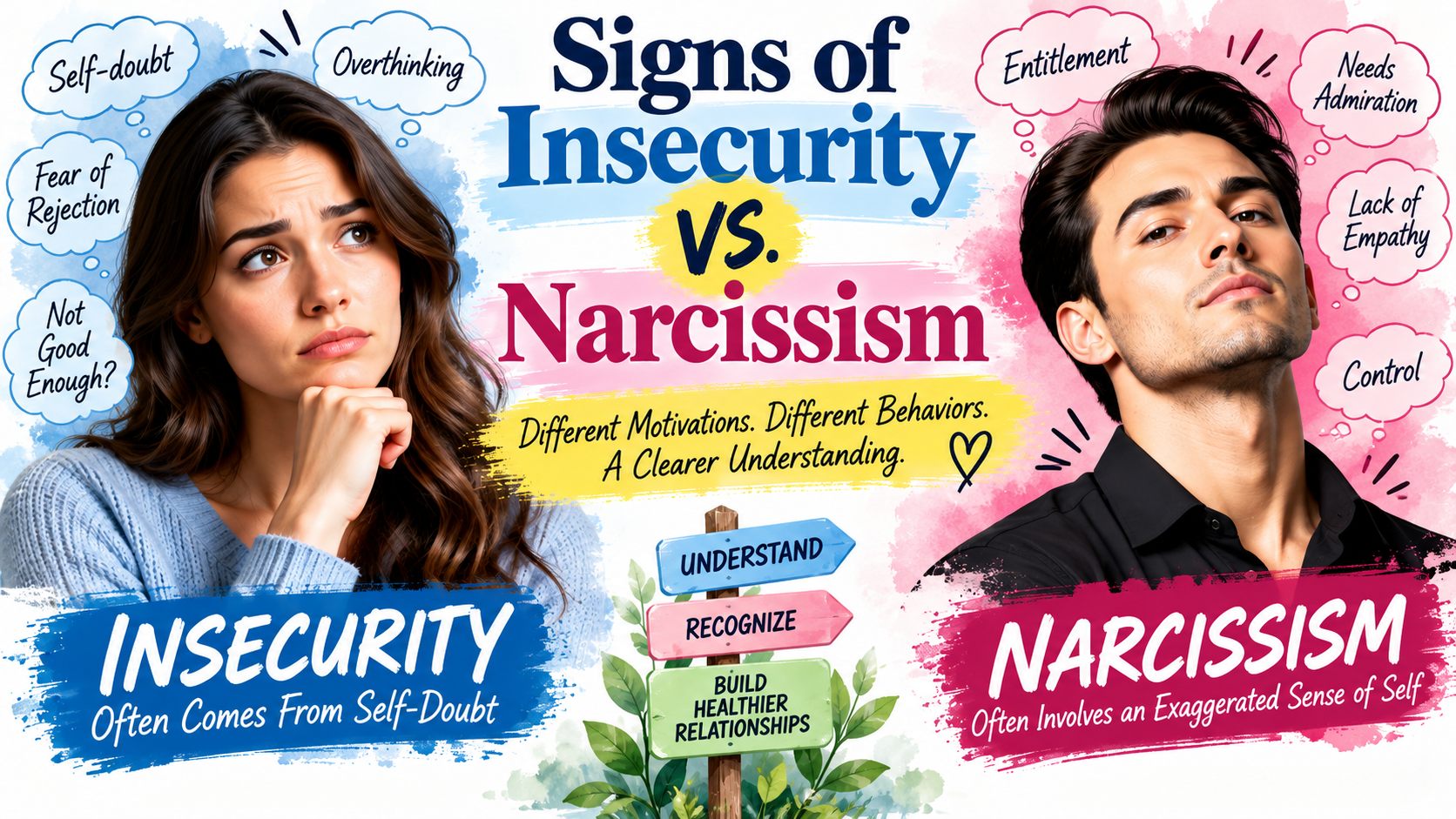
Understanding the real difference between insecurity and narcissism can clear up a lot of confusion. I see people use these terms like they’re nearly the same thing, but they actually point to very different ways of thinking about yourself and relating to other people. If you’ve ever wondered if someone in your life (or maybe even yourself) falls into one category or the other, you’re in the right place. Here’s my take, based on research, personal experience around these traits, and lots of conversations with people sorting through their own feelings, on what really sets these two apart. There are also times when they overlap, and that can make things tricky—but knowing the signs can help you find your way.
Getting Clear: What is Insecurity and What is Narcissism?
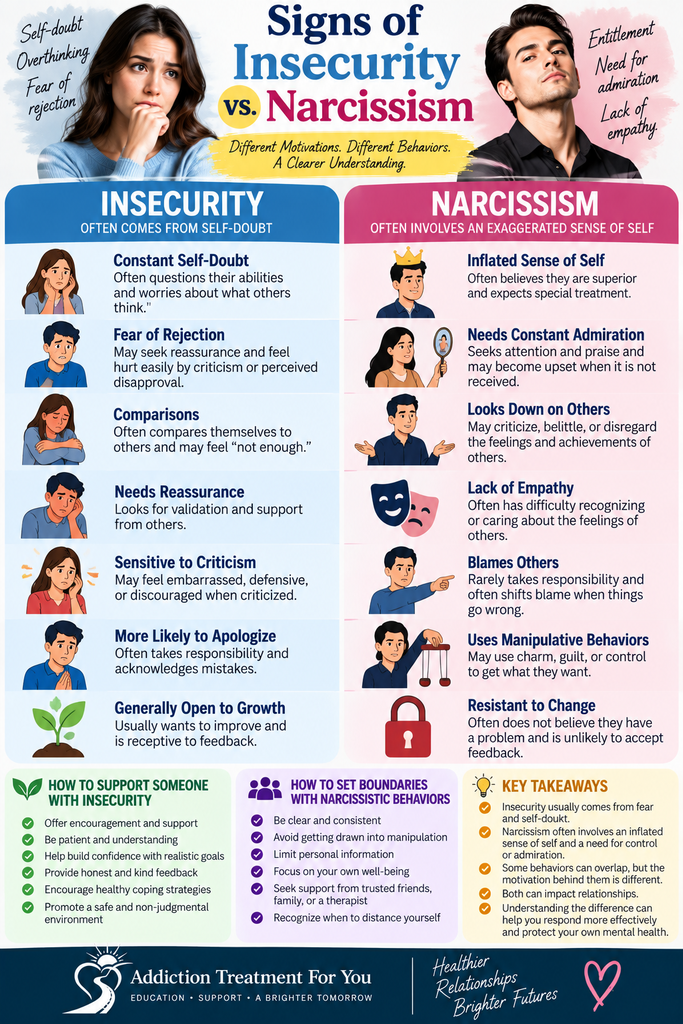
The word “insecure” gets thrown around a lot, but at its core, insecurity is a feeling of uncertainty about yourself or your abilities. Most people deal with some insecurity from time to time, whether that’s doubting how you look, wondering if you’re smart enough for a job, or feeling unsure in a relationship. Insecurity can show up as hesitancy, a need for a lot of reassurance, or constant comparison to others.
Narcissism, on the other hand, refers to patterns of behavior and thinking that center on a need for admiration, an inflated view of oneself, and a lack of empathy for others. While there’s a range (not all narcissists have a clinical disorder), narcissistic traits can come off as arrogance or an “I’m better than everyone” vibe. It’s a lot more than just confidence; people with narcissistic tendencies usually crave attention and might even exploit others to maintain their sense of superiority.
Why the Mix-Up Happens
It’s easy to confuse insecurity and narcissism because, sometimes, they both show up as attention-seeking or self-focus. Both might lead people to act in ways that seem self-involved, but their motivations differ. Someone who’s insecure might fish for compliments because they genuinely doubt themselves. Someone with narcissistic traits might do the same thing, but mostly because they believe they deserve special recognition or want to put others down.
There’s also a catch: some researchers believe that a certain amount of insecurity sits under the surface for a lot of narcissists. The difference is that, instead of seeking comfort or support, they might mask their insecurity by acting extra grandiose or putting others down to feel bigger themselves (Psychology Today has a great explainer on this dual-layer dynamic).
Key Features: Breaking Down the Differences
- Self-Image: People with insecurities often feel not good enough, while narcissists see themselves as more special or entitled than others.
- Reactions to Criticism: Insecure people may take criticism hard, feeling hurt or embarrassed. Narcissists tend to react with anger, defensiveness, or by shifting blame to someone else.
- Attention Needs: Insecure folks might crave reassurance for comfort. Narcissists want admiration and often expect to be placed on a pedestal.
- Empathy Levels: Insecurity can make someone overly sensitive to others’ opinions, but insecure people typically care about how they affect others. Narcissism is more often about a lack of empathy and a focus on one’s own needs.
- Responses in Relationships: Insecure people sometimes cling to loved ones or worry about abandonment. Narcissists, by contrast, may keep people at a distance emotionally or use relationships for validation.
Where Insecurity and Narcissism Sometimes Overlap
Even though these traits are really different, it’s possible for someone to show both at once. For example, a person might act superior in public but worry a lot about being exposed as “not enough” underneath. Some psychologists call this “covert” or “vulnerable” narcissism. According to the National Institutes of Health, people with covert narcissism might come across as shy or fragile, needing constant support, but also have those classic narcissistic traits like lack of empathy and a focus on how special they are.
Insecurity by itself usually doesn’t come with that manipulative, controlling, or grandiose stuff. But when insecurity gets mixed with entitlement, manipulation, or aggression, that’s when the door to narcissism can start creaking open. This is key in understanding how these patterns develop: how a person responds to their own doubts and needs shapes their relationships and self-image over time.
Practical Guide: How to Spot the Differences In Real Life
- Listen for the Motivation: Is the person focusing on themselves because they doubt their worth (insecurity), or are they demanding recognition because they think they’re above others (narcissism)?
- Watch Their Response to Setbacks: Someone insecure might get discouraged or seek support. A narcissist may lash out or blame others for their problems.
- Check Their Empathy: Insecure people still care about your feelings (sometimes too much). Narcissists are less likely to even notice.
- Notice How They Handle Praise and Criticism: Insecurity often leads to brushing off compliments and getting upset at criticism. Narcissists crave praise, but might also attack if criticized.
- Relationship Patterns: Insecure folks might be anxious about losing others. Narcissists often keep relationships one-sided and transactional.
Challenges and Pitfalls: What to Watch For
- Mislabeling: It’s pretty common for people to call anyone who seems selfish a narcissist. Sometimes, they’re just dealing with insecurity and need some support, not a label.
- Stigma: Both traits get a bad rap, but especially narcissism. Patience and compassion often help more than judgment.
- Setting Boundaries: If you’re dealing with someone who’s deeply insecure or has narcissistic behaviors, keeping healthy boundaries makes a difference. With insecure friends or partners, gentle encouragement helps. With narcissists, firmer boundaries might be needed.
- Self-Reflection: It’s easy to spot these patterns in others, but they sometimes show up in ourselves. Taking an honest, guilt-free look at our own behavior can be eye-opening and transformational.
When to Seek Professional Help
There’s nothing wrong with being honest about insecurities; they’re part of being human. If insecurity starts messing with your quality of life, confidence, or relationships, a therapist can help you find healthier ways to cope. If you’re worried that someone’s behavior seems to be hurting you or the people around them, reading up on narcissistic personality disorder or having a chat with a mental health pro can provide some guidance. Remember: reaching out for help is a sign of strength, not weakness, and guidance can help you better understand the path ahead.
Tips and Approaches for Managing Both Insecurity and Narcissism
Work on Self-Awareness: Journaling or talking things through with trusted people can help you spot thought patterns and triggers, whether insecurity or narcissism is at play.
Challenge Negative Self-Talk: When you feel insecure, notice when your mind gets stuck on “I’m not good enough” and test those thoughts against reality. For narcissism, noticing when you’re seeking validation at the expense of others creates room for growth.
Practice Listening: Making an effort to listen more and ask about others’ feelings can build empathy, especially if narcissistic patterns are a concern.
Set Small Goals: Building confidence step by step is more helpful than chasing perfection. Celebrate small wins and focus on progress, not just applause. This positive feedback loop not only helps with insecurity but also steers narcissistic tendencies in a healthier direction.
Consider Support: Sometimes, talking with someone who understands (like a therapist or counselor) helps untangle whether you’re mostly dealing with insecurity, narcissism, or a bit of both. Support groups and community forums can also be safe spaces to share experiences, realize you’re not alone, and learn practical tips for managing these patterns in daily life.
Frequently Asked Questions
Question: Can insecure people become narcissists?
Answer: While being insecure doesn’t automatically lead to narcissism, some people cope with insecurity by acting superior. This is called “compensatory narcissism.” That said, most insecure folks lean into self-doubt rather than grandiosity.
Question: Can someone be both insecure and narcissistic?
Answer: Yes. Some narcissists deal with deep-down insecurity and use their attitudes as a shield. This mix often looks like mood swings between bragging and feeling victimized.
Question: Is it possible to outgrow narcissism or insecurity?
Answer: Insecurity often fades with practice, self-acceptance, and therapy. Narcissistic patterns are harder to change, but positive change is possible with steady, professional help and a deep commitment to self-growth.
Moving Forward
Getting the difference between insecurity and narcissism straight can make a real difference in how we treat ourselves and those around us. Both traits are more common than you’d think, and understanding them is super important for healthier, happier relationships and personal growth. Getting curious instead of judging, whether we see these patterns in ourselves or in others, makes any self-improvement journey work much better in the long run.
Video: