Energy drinks are everywhere, from gas stations to gyms, often sporting flashy cans and big promises of more energy, sharper focus, and better performance. I remember grabbing my first can in college because a late-night study session had me dozing off. That jolt felt pretty convenient at the time, but I definitely started to wonder if reaching for energy drinks so often was doing me any favors. With that in mind, I want to break down how these drinks work, why they attract people, and what you should know if you notice yourself craving them more than you’d like.
What’s Really Inside Energy Drinks?
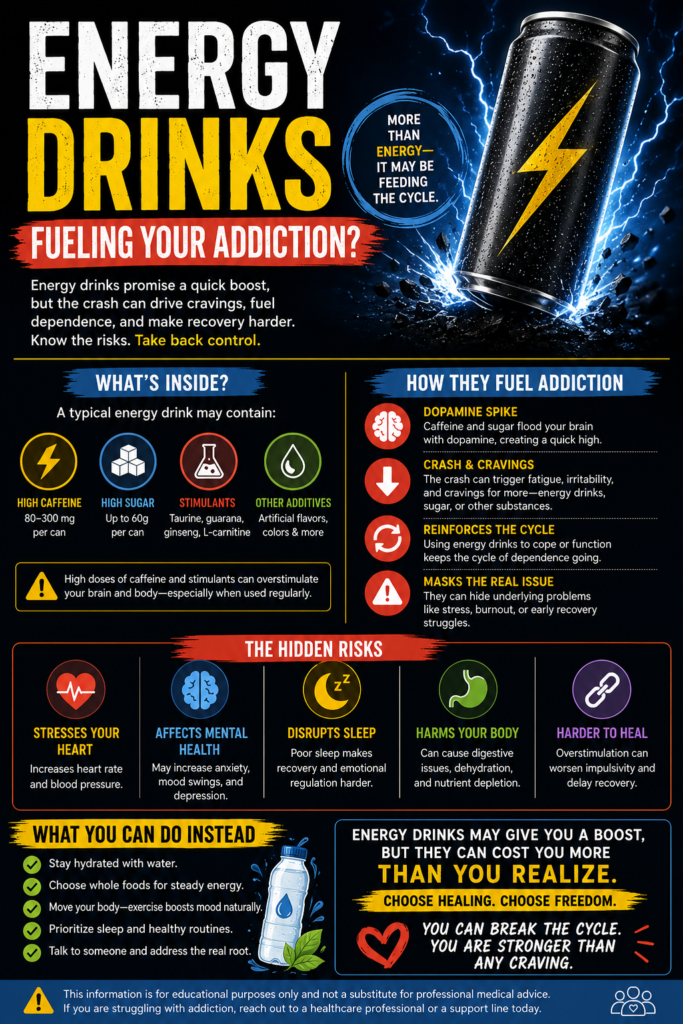
You’ve probably spotted buzzwords like “extreme,” “boost,” or “focus” on energy drink cans that promise to help you crush your next big test or grind through a workout. Most energy drinks deliver a mix of:
- Caffeine: Usually the main ingredient, found in amounts ranging from about 80mg to over 300mg per can. That’s a lot compared to a standard cup of coffee.
- Sugar: Often present in hefty doses, though “sugar-free” options swap in artificial sweeteners like aspartame, sucralose, or acesulfame potassium.
- Vitamins: B vitamins are common and advertised to support energy production, even though most people already get plenty through their diet.
- Herbal Extracts: Ingredients like guarana (another caffeine source), ginseng, taurine, or L-carnitine might show up on the label, but the science on these is pretty mixed.
On their own, none of these ingredients is particularly mysterious. It’s the combo and the quantity, especially the caffeine-sugar blend, that give energy drinks their famous kick. Alongside these, some brands also throw in electrolytes, amino acids, or additional plant extracts. These extras are often marketed as ways to take up your endurance or mental clarity a notch. However, the actual impact of these add-ins is somewhat limited for most people, especially in the small amounts present in a single can. If you’re wondering whether these vitamins and botanicals are worth the hype, check out credible sources or consult a nutrition pro who can break things down for your individual needs.
How Energy Drinks Affect Your Brain and Body
For most people, the first sip brings an alert, jittery buzz within about 10-20 minutes. Here’s what’s actually happening after you down a can:
- Caffeine: Blocks adenosine (a chemical that makes you feel tired), which ramps up brain activity and releases more dopamine and adrenaline. This brings on sharper focus and a “wired” feeling.
- Sugar Surge: Provides your bloodstream with a quick influx of glucose, delivering energy fast, but is often followed by a sugar crash that can leave you feeling foggy or irritable.
- Heart Rate and Blood Pressure: Both rise, especially in people who aren’t used to caffeine. Some people might experience palpitations or a racing heartbeat.
Beyond the energy spike, you might also notice side effects like trembling hands, sweating, or feeling overhyped. Sometimes those effects fade with frequent use, but it’s not uncommon for regular drinkers to end up needing more and more caffeine to feel the same effect. Over time, your body starts to crave that caffeine high and the pleasant rush. You might find yourself grabbing an energy drink out of habit or because you’re drowsy, not because you actually need one. That’s where things can get tricky.
Why Energy Drinks Can Become Habit-Forming
Energy drinks don’t contain anything officially classified as “addictive” in the strict medical sense, but let’s be real. Caffeine definitely has habit-forming properties. Here’s how the cycle often goes for a lot of people:
- You drink an energy drink for a pick-me-up (like before a big deadline, exam, or tough gym session).
- Your brain enjoys the reward: increased alertness, energy, and maybe even a mood boost.
- Soon, regular use leads to “caffeine tolerance”; you don’t get the same buzz, so you drink even more.
- When you skip your usual energy drink, withdrawal kicks in: headaches, fatigue, irritability, and trouble focusing.
If you’re reaching for energy drinks every day or need several to get through the day, you might be dealing with what feels a lot like an addiction. For some, the ritual and taste become just as compulsive as the caffeine itself. Social situations can make cutting back even tougher—those 4 pm group cans or friends who always bring an extra for you can reinforce the habit. If you notice these patterns, being honest with yourself about your reasons for reaching for that can is a helpful first step to easing up.
Risks of Relying on Energy Drinks
Chugging energy drinks occasionally isn’t usually a big deal for healthy adults, but long-term use or high consumption comes with some real concerns worth paying attention to:
- Heart Effects: Too much caffeine (especially from multiple sources) can trigger a rapid heartbeat, increased blood pressure, or even more serious heart issues in at-risk folks.
- Sleep Problems: Energy drinks late in the day wreck sleep quality and can cause insomnia, which just keeps the cycle of fatigue and more caffeine going.
- Dehydration: The combo of caffeine and physical activity (like drinking an energy drink pre-workout) can leave you dehydrated.
- Anxiety & Jitters: Not everyone tolerates caffeine well, and higher doses can make anxiety WAY worse for some people.
- Weight Gain or Metabolic Issues: Sugary energy drinks add up calories quickly and can increase the risk of metabolic or dental problems.
Keep in mind that mixing energy drinks with alcohol or other stimulants only adds risk. This combo can mask your perception of intoxication and lead to making risky choices or drinking too much without realizing it. Always read the label and be mindful of other caffeinated items you might consume throughout the day, since energy drinks can easily be just one piece of your daily caffeine puzzle.
Should You Be Worried About Addiction?
While energy drink addiction isn’t officially recognized like alcohol or nicotine, regular, heavy use shares some common signs. Signs you might be heading in that direction include:
- Needing larger amounts for the same effect
- Trouble getting through the day without one
- Withdrawal symptoms if you stop, like headaches or mood swings
- Spending lots of money or going out of your way to get them
- Ignoring the downsides, like feeling jittery, anxious, or crashing hard after the sugar rush
Different people’s brains and bodies respond differently. Some can enjoy the occasional can and move on, while others find themselves relying on energy drinks every day. Keeping an eye on your own patterns is really important. It’s also worth noting that if you’re already dealing with anxiety or heart concerns, even a modest daily habit can ramp up those issues more than you might expect.
Tips for Cutting Back on Energy Drinks
If you’re ready to slash your energy drink habit but not sure where to start, here are a few things that have worked for me and a bunch of others who tried to dial it back:
- Track Your Intake: Jot down each time you have an energy drink (include the size and brand), and check what’s really going on. Often, we’re surprised by how much has crept in.
- Switch to Smaller Sizes: Instead of the big can, grab a smaller one and stick with just that.
- Taper Gradually: If you’ve been drinking multiple cans a day, reduce slowly to avoid withdrawals.
- Swap in Alternatives: Try coffee, tea, or flavored sparkling water for a less intense caffeine hit (or avoid caffeine completely for some servings).
- Boost Natural Energy: Get more sleep, move your body, and fuel up with real food for longer-lasting energy. It’s not flashy, but it works.
If quitting solo feels tough, touching base with your doctor, a psychologist, or even chatting with a dietitian can go a long way. Sometimes, the reason we lean on energy drinks so hard is tied up with stress, burnout, or other stuff going on in our lives. Building new routines for rest and stress management, like going for a walk or listening to music, can give a big boost to your quest for more balanced energy.
Better Alternatives That Won’t Leave You Craving
Finding replacements doesn’t mean you need to suffer through sluggish days. Some options that many people find pretty handy include:
- Cold Brew or Iced Coffee: More natural caffeine, less sugar, and way more flavor choices.
- Herbal Teas (like Yerba Mate): Mild caffeine with extra antioxidants and no sugar crash.
- Sparkling Water with Citrus: Tasty, hydrating, and it keeps your mouth busy; sometimes that’s half the craving.
- Fruit & Nut Snack Bars: Slow-release energy from natural sources can be super useful for a sluggish afternoon.
If you’re looking for long-term solutions, focus on better sleep, moving more during the day, and eating balanced meals. Often, energy slumps point to not getting enough rest or missing key nutrients. Exploring how to support your body’s natural energy production will serve you better than reaching for a can in the long run.
Energy Drinks and Younger People
Energy drinks aren’t recommended for kids, teens, or anyone with certain heart conditions. The American Academy of Pediatrics has said straight up that these drinks aren’t needed for young people, especially athletes. There have been rare but serious cases of health emergencies in teens after too many cans, so it’s really important to keep them out of reach of younger family members or friends. If a younger sibling or your own child is super curious about these drinks, use the chance to talk openly about what’s in them, what is or isn’t safe to consume, and how to make smarter energy choices. Stepping up and leading by example can make a real difference for those watching your habits.
Common Questions About Energy Drinks and Addiction
Are energy drinks really addictive?
Most people can quit without major problems, but regular high use can easily develop into a tough daily habit backed up by real withdrawal symptoms.
What’s a safe amount to drink?
Safe limits vary, but staying under 400mg of caffeine per day is generally considered okay for most adults. That usually means one or maybe two cans at most, depending on the brand.
How long does withdrawal from energy drinks last?
Caffeine withdrawal usually lasts anywhere from a couple of days to about a week. Typical symptoms are headaches, grumpiness, and tiredness.
Will I have more energy after quitting?
It might take a few days for your body to adjust, but steady energy levels and more predictable moods show up pretty fast once the caffeine rollercoaster fades.
Final Thoughts
Reaching for an energy drink on a rough morning isn’t the end of the world, but living on them every day can create a cycle that’s tough to break. Recognizing your own habits is the first (and most important) step. If energy drinks have started to feel like a daily necessity, scaling back is totally doable. Just go slow, swap in better options, and keep an eye on how you feel. And hey, if you do slip up, no stress. It’s all about finding a balance that works for you without the all-day jitters or those brutal sugar crashes. Stay sharp, listen to your body, and remember: real energy comes from taking care of yourself, not just what’s in a can.
Video: I Didn’t Know Energy Drinks Could Do This #AddictionRecovery #SoberLife #Shocking