If you’ve ever thought about stopping your psychiatric meds, you’re definitely not alone. Lots of people consider this step at some point, whether they’ve been stable for a while, are eager to manage symptoms in new ways, or just want to live without daily meds. But coming off psychiatric medication brings its own set of challenges and questions. I’m breaking down what’s involved, what to expect, and how to make this process as manageable (and safe) as possible.
Why People Decide to Stop Psychiatric Medication
Deciding to stop meds is a big personal decision. Sometimes it’s about side effects; maybe the meds are causing weight gain, tiredness, or sexual side effects that mess with daily life. Other times, it’s about feeling stable after months or years and wanting to see if life without medication feels better. There are also folks who want to try non-medication options: therapy, mindfulness practices, or community supports.
In my own experience, having thoughtful conversations with healthcare pros and people in my support network helped me see all sides. Careful research helps people make informed decisions, especially because stopping meds on your own (abruptly or without guidance) can bring on tough withdrawal symptoms, mental health swings, and other risks.
Understanding Withdrawal and Discontinuation Symptoms
Coming off psychiatric meds isn’t like flipping a switch. Different classes of medication, such as antidepressants, antipsychotics, and mood stabilizers, often come with different withdrawal symptoms. These might include mood changes, sleep problems, dizziness, headaches, and even flu-like symptoms. Sometimes, symptoms can be so uncomfortable that people feel pushed to start the meds again or end up struggling more than expected.
SSRIs (a common type of antidepressant), for example, can cause what’s called “discontinuation syndrome.” That’s medical-speak for symptoms that crop up when the brain is adjusting to not having the medication. Symptoms might be mild and pass in a week, or last much longer if the medication is stopped cold turkey.
Safe Steps for Stopping Medication
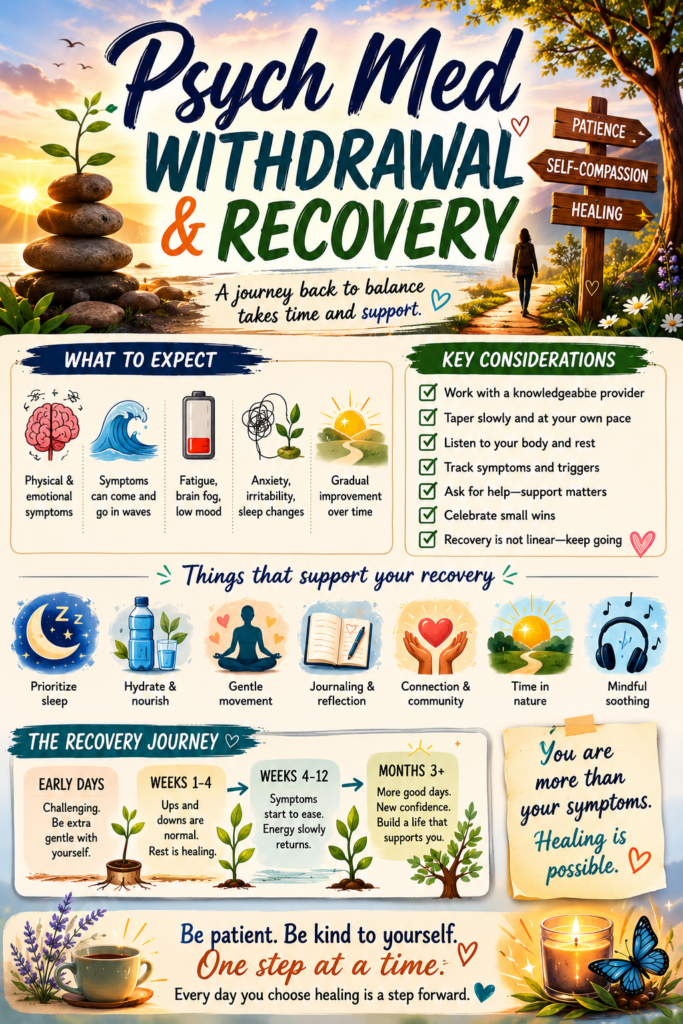
Working with a prescriber (like your psychiatrist, nurse practitioner, or family doctor) is super important here. Tapering, that is, slowly lowering the dose over a period of weeks or months, is the approach most doctors recommend. This helps your brain and body gradually reset and lowers the chances of withdrawal symptoms.
- Open Communication: Talk to your doctor honestly about your goals, side effects, and why you want to stop. They can offer insight or alternatives you might not know about.
- Plan a Schedule: With your provider, create a taper plan. This might mean cutting pills into quarters, using liquid forms, or spacing out doses over time.
- Track Symptoms: Consider jotting down daily notes about mood, sleep, appetite, and physical symptoms. This helps you see patterns and lets your care team respond quickly if things start to turn south.
- Have Backup: Loop in a trusted friend, support group, or counselor to check in with you regularly.
Some meds, like benzodiazepines or certain antipsychotics, need to be tapered especially slowly to avoid serious withdrawal or health risks. In rare cases, stopping very suddenly can cause medical emergencies like seizures. Your prescriber can flag any extra risks and help watch for them.
What to Expect During Withdrawal
Most people experience at least some symptoms as their body adjusts. These can include:
- Physical: Headaches, stomach issues, insomnia, sweats, flu-like symptoms.
- Emotional: Anxiety, irritability, mood swings, depression, crying spells.
- Cognitive: Brain fog, feeling slow, trouble focusing.
In my research and from hearing from others, withdrawal isn’t usually steady; the symptoms can come and go, or even seem like they’re gone for days and then ramp up again. That’s why ongoing monitoring is super handy for catching early warning signs that more support or a slower taper is needed.
Preparing Your Recovery Supports
This part might be the most important in your whole process. Coming off psychiatric meds asks a lot from you, and it can be a stressful time. Boosting your daily routine, having a plan for tough days, and staying socially connected all help. Here’s what has helped me and others:
- Therapy or Support Groups: Working with a therapist or counselor, especially one who understands psych med withdrawal, can smooth out the toughest days. Peer support from those who have gone through withdrawal is especially useful; you learn practical tips and feel less alone.
- Wellness Habits: Good sleep, balanced meals, regular movement (such as walks or yoga), and stress management (such as meditation or deep-breathing exercises) all contribute to recovery.
- SOS Plan: Have a simple checklist for what to do if things feel out of control; who to call, coping skills that have helped, and reminders to check in with your doctor if symptoms spike.
Some people also track their physical health in journals or simple apps, which can make them more aware of subtle shifts and alert them to patterns that need attention. If you’re returning to work or school, consider discussing temporary accommodations or lighter workloads. Small adjustments can be a game-changer during times of change.
Common Obstacles and How to Handle Them
- Relapse or Symptom Return: Sometimes original symptoms (like low mood, anxiety, or psychosis) pop back up. This doesn’t mean you failed; it’s just a signal to pause, review the plan, and maybe slow down the taper or add extra supports. Returning to medication is always an option and doesn’t mean your ride is off track.
- Shame or Stigma: Some people feel embarrassed to be on meds or worry that stopping them is proof of being “stronger.” Mental health isn’t about strength or weakness; everyone’s path is unique, and what works for one person isn’t going to work for everyone.
- Lack of Understanding: Not everyone “gets” what you’re doing. If you run into skepticism from family or friends, sharing resources or bringing them to a care appointment can help. The Coming Off Psychiatric Medications website from Mind, or books like Will Hall’s “Harm Reduction Guide to Coming Off Psychiatric Drugs,” are worth checking out for ideas and encouragement (see Mind UK and Will Hall’s Guide).
Sometimes, logistics can get in the way, too, like trouble getting in to see your doctor, problems with prescription refills during a taper, insurance hiccups, or transportation. Planning ahead for these bumps can help keep you on track. Document your appointments, keep notes from your doctor, and don’t be afraid to ask for reminders or letters if you need them. Healthcare systems can be tricky; sometimes, you have to push a little to get the help you need.
Tips for a Smoother Transition
Everyone’s medication ride looks a little different, but certain strategies help almost everyone:
- Go Low and Slow: The slower you taper, the more likely you’ll minimize uncomfortable symptoms.
- Stay Honest: Check in with yourself and your healthcare team regularly; even small changes are worth mentioning.
- Build a Safety Net: Put together crisis numbers, keep a medication “log,” and don’t be shy about asking for help.
- Accept the Ups and Downs: Riding them out with support makes the process more manageable.
You can also boost this process by practicing daily self-checks; ask yourself how you’re really feeling, whether you need extra rest, or if you could use more support. Trust your instincts; nobody knows your mind and body better than you do.
Potential Benefits and Things to Watch For
Coming off medication can really give your sense of agency a boost and help you reconnect with who you are off meds. Some folks find that side effects vanish and energy returns. Others learn new skills to handle stress, tough emotions, or tough days. But if symptoms of your original condition return or you start feeling unsafe, it’s important to reach out quickly; recovery is an ongoing process that sometimes means adjusting the plan, restarting meds, or trying new therapies. It’s completely normal for this process to involve trial and error. Sometimes, you might need to go back to a previous dose for a while before trying to taper again. Patience with yourself is key.
Frequently Asked Questions
These questions crop up all the time, and I hear them from both friends and in support groups:
Question: Is it safe to stop psychiatric medication suddenly?
Answer: Stopping suddenly (cold turkey) can trigger big withdrawal symptoms and raise the risk of health problems or a quick return of mental health symptoms. Tapering with your prescriber is almost always safer.
Question: How long does withdrawal last?
Answer: It really depends on the medication, how long you’ve taken it, and your own body. Some people feel better in a couple of weeks; others need months to adjust.
Question: Are there alternatives to medication if symptoms return?
Answer: Lots of people use therapy, exercise, mindfulness, and peer support groups to help them. For some, these options work well; others find combining them with lower doses of meds is best.
Question: How do I find a doctor who supports coming off meds?
Answer: Look for a prescriber with experience in mental health recovery, and be direct about your goals. Sharing resources from places like Mind or Will Hall can open the conversation. If you feel dismissed, seeking a second opinion is valid.
Question: Do I ever need to go back on medication after stopping?
Answer: Yes, and that’s totally okay. Many people switch between being on and off medications based on life changes, stressors, or symptom changes. Returning to medication is not a setback; it’s part of the process for some.
Question: What are some signs that I may need more support during withdrawal?
Answer: Increased anxiety, worsening depression, thoughts of self-harm, excessive insomnia, or feeling disconnected from reality are all signals. Reach out to your doctor, therapist, or trusted friend quickly when these pop up.
Final Thoughts
Thinking about coming off psychiatric meds is a big step and deserves plenty of time and planning. Checking in with your doctor, moving slowly, building a good support system, and knowing what to expect can make the road smoother. Everyone’s path is their own, and what matters is finding the options that match your goals and needs. Whatever route you take, looking after your wellbeing and safety always comes first. Here’s to feeling more lifted up and moving forward at your own pace.
Video: How Long Does It Actually Take to Taper Off Medication #mentalhealth #recovery #timeline