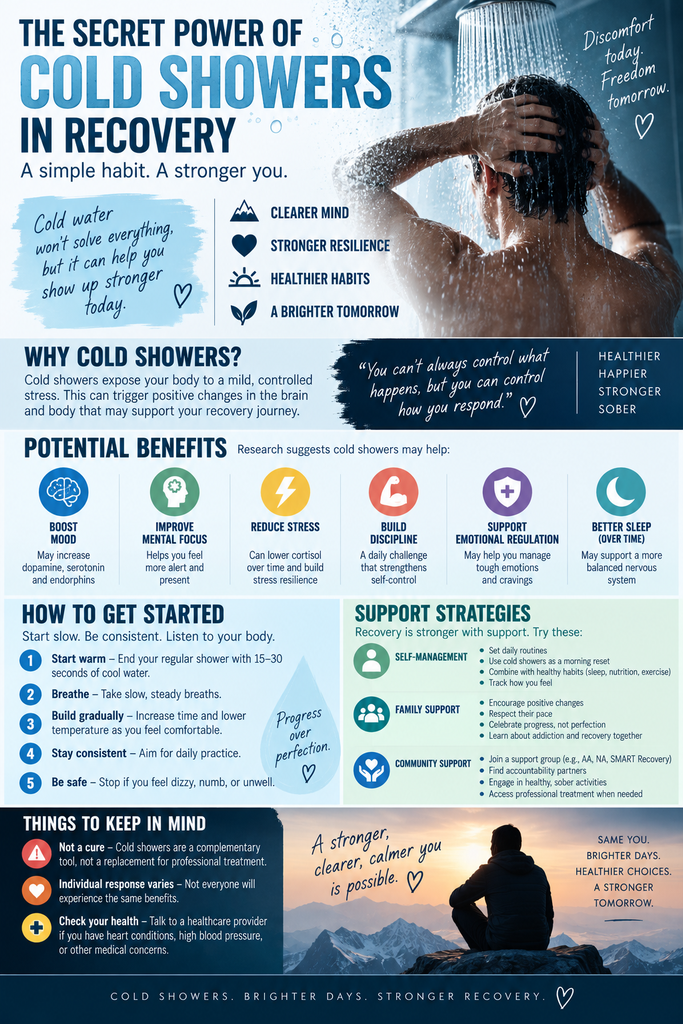
Addiction recovery involves more than stopping substance use. It requires rebuilding healthy routines, managing cravings, regulating emotions, and developing coping strategies that support long-term well-being. While professional treatment, counseling, and recovery support remain essential, some individuals explore complementary wellness practices to strengthen their recovery journey.
One increasingly popular practice is taking cold showers. Advocates suggest that brief exposure to cold water may increase alertness, improve mood, strengthen self-discipline, and temporarily distract from stress or cravings.
But can something as simple as turning down the shower temperature make a meaningful difference in addiction recovery?
Cold showers may provide a refreshing sensory experience and help some individuals practice managing temporary discomfort. However, scientific evidence supporting cold showers as a treatment for substance use disorders remains limited.
Understanding the potential benefits, medical risks, and appropriate use of cold showers can help individuals decide whether this practice belongs in their recovery routine.
Cold showers are not a treatment for addiction, but they may serve as an optional wellness activity alongside evidence-based recovery care.
Understanding the Connection Between Cold Showers and Addiction Recovery
Substance use disorders affect brain systems involved in reward, motivation, stress regulation, and decision-making.
During recovery, individuals may experience changes in mood, sleep, energy levels, and their ability to manage stressful situations.
These challenges can make everyday activities feel overwhelming, especially early in recovery.
Developing consistent routines and healthy coping mechanisms can help individuals regain a sense of structure and improve their overall well-being.
Cold showers have attracted attention because cold exposure triggers physiological responses linked to alertness and adaptation to environmental stress.
When cold water contacts the skin, the body activates the sympathetic nervous system.
This response may produce:
- Increased alertness.
- Faster breathing.
- A temporary increase in heart rate.
- Constriction of blood vessels near the skin.
- Increased release of stress-related hormones.
- A heightened sense of wakefulness.
These responses are normal physiological reactions to cold exposure.
However, activating the sympathetic nervous system does not automatically improve addiction recovery or reduce the risk of relapse.
The effects of cold showers vary depending on water temperature, exposure duration, individual health, and personal tolerance.
Can Cold Showers Improve Dopamine Levels During Recovery?
Dopamine is a neurotransmitter involved in motivation, learning, movement, and reward processing.
Repeated substance use can alter dopamine signaling and other brain systems involved in motivation and reinforcement.
During recovery, some individuals experience reduced motivation, diminished pleasure, or difficulty enjoying activities that previously felt rewarding.
These symptoms may contribute to the challenges of maintaining recovery.
Cold exposure has been associated with changes in certain neurotransmitters and stress-related hormones.
However, much of the popular discussion about cold exposure and dopamine comes from research involving cold-water immersion rather than ordinary showers.
These are not interchangeable interventions.
What does the research suggest?
Some studies have reported changes in circulating catecholamines, including norepinephrine and dopamine, following prolonged cold-water immersion.
However, blood dopamine levels do not directly establish changes in dopamine activity within the brain.
Additionally, these studies do not demonstrate that cold showers reverse addiction-related neurological changes or prevent relapse.
Potential benefits for recovery
Some individuals may find that a brief cool shower helps them:
- Feel more awake in the morning.
- Establish a consistent daily routine.
- Shift attention away from repetitive thoughts.
- Experience a temporary sense of refreshment.
- Develop greater awareness of bodily sensations.
These experiences may support general well-being, but they should not be interpreted as evidence that cold showers restore dopamine balance or treat substance use disorders.
The goal of recovery is not simply to increase dopamine. It is to support healthy functioning across multiple biological, psychological, and social systems.
Cold Showers and Stress Management: Learning to Respond to Discomfort
Stress is a common trigger for substance use.
Individuals experiencing addiction may have previously relied on alcohol, opioids, cannabis, or other substances to manage uncomfortable emotions.
During recovery, learning to respond to stress without returning to substance use is an important treatment goal.
Cold showers create a brief physical sensation that some individuals find uncomfortable.
For some people, voluntarily experiencing mild discomfort in a controlled setting may offer an opportunity to practice staying calm and attentive.
However, this is a proposed coping application rather than an established addiction treatment.
How cold showers may support stress management
Some individuals report that brief cool showers help them:
- Redirect attention toward the present moment.
- Interrupt repetitive or distressing thoughts.
- Practice tolerating temporary physical discomfort.
- Develop confidence in completing a personal wellness goal.
- Establish a predictable daily routine.
These benefits are subjective and may not occur for everyone.
Cold exposure can also increase physiological stress, particularly when the water is extremely cold or exposure is prolonged.
For individuals experiencing panic symptoms, cardiovascular conditions, or significant physical illness, cold showers may be uncomfortable or medically inappropriate.
Self-management strategies
- Begin with comfortably cool water rather than extreme cold.
- Avoid forcing yourself to remain under cold water when distressed.
- Use slow, comfortable breathing without holding your breath.
- Stop immediately if you experience dizziness, chest pain, or significant shortness of breath.
- Consider alternative stress-management techniques if cold exposure increases anxiety.
Mindfulness, cognitive behavioral therapy, physical activity, and relaxation exercises have more established roles in managing stress during addiction recovery.
Can Cold Showers Help Reduce Addiction Cravings?
Cravings are strong urges to use a substance.
They may occur in response to emotional distress, environmental reminders, interpersonal conflict, or mood changes.
Cravings can feel overwhelming, particularly during early recovery.
Some individuals use sensory activities to redirect attention when cravings arise.
A cool shower may provide a temporary change in sensory input and environment.
However, there is insufficient clinical evidence to conclude that cold showers reliably reduce substance cravings or prevent relapse.
How a cool shower might fit into a craving-management plan
A person experiencing a craving might choose to:
- Leave an environment associated with substance use.
- Take a brief, comfortably cool shower if medically appropriate.
- Practice slow breathing.
- Contact a trusted recovery support person.
- Engage in a planned alternative activity.
- Review their relapse prevention plan.
A shower should not be the only response to persistent or severe cravings.
Individuals experiencing strong cravings may benefit from behavioral treatment, peer recovery support, and medication when clinically indicated.
For opioid use disorder, medications such as buprenorphine and methadone can substantially reduce opioid use and overdose risk.
Cold showers do not provide comparable treatment benefits.
Cold Showers and Emotional Regulation During Recovery
Emotional regulation refers to the ability to recognize, understand, and respond to emotions in ways that support healthy functioning.
During recovery, individuals may experience irritability, sadness, anxiety, frustration, or difficulty tolerating distress.
These experiences may be related to withdrawal, co-occurring mental health conditions, environmental stressors, or changes in daily routines.
Some people find that brief exposure to cool water temporarily changes mood or alertness.
However, cold exposure does not treat depression, anxiety disorders, or trauma-related conditions.
Potential emotional benefits
For individuals who tolerate cold water comfortably, a brief cool shower may provide:
- A refreshing sensory experience.
- A temporary interruption of repetitive thinking.
- An opportunity to practice mindful attention.
- A sense of accomplishment after completing a personal goal.
- A structured activity during periods of low motivation.
These effects should be understood as possible personal experiences rather than established clinical outcomes.
When cold showers may not be helpful
Cold exposure may increase distress in individuals who experience:
- Panic attacks.
- Significant anxiety related to bodily sensations.
- Trauma-related reactions to physical discomfort.
- Cardiovascular symptoms.
- Dizziness or fainting.
- Difficulty regulating body temperature.
Individuals should not feel pressured to use cold showers as part of recovery.
Warm showers, breathing exercises, walking, journaling, and other calming activities may be equally or more appropriate depending on personal needs.
Self-Management Strategies: Using Cold Showers Safely During Recovery
View cold showers as an optional wellness practice rather than a required recovery technique.
Individuals interested in trying them should consider their medical history, physical condition, and personal preferences.
Start gradually
Sudden exposure to very cold water can trigger an intense physiological response.
Beginning gradually may reduce discomfort.
Practical strategies
- Start with a normal warm shower.
- Gradually lower the temperature until the water feels comfortably cool.
- Begin with a brief exposure of approximately 10–15 seconds.
- Return to warm water if necessary.
- Increase exposure only if the experience remains comfortable.
- Avoid attempting to tolerate extreme cold.
No established therapeutic temperature or duration exists for cold showers in addiction recovery.
Do not assume longer or colder exposure provides greater benefits.
Use cold showers as part of a healthy routine
Consistent daily routines can support recovery by providing structure and reducing unplanned time associated with previous substance use.
A brief cool shower may be incorporated into a morning or post-exercise routine if the individual enjoys it.
Example of a healthy morning routine
- Wake up at a consistent time.
- Drink water and eat a balanced breakfast.
- Take prescribed medications as directed.
- Shower at a comfortable temperature.
- Participate in light physical activity.
- Review daily recovery goals.
- Attend scheduled treatment or support appointments.
The benefits of a structured routine do not depend on taking cold showers.
Combine cold showers with established coping strategies
Cold showers should complement, not replace, evidence-based recovery practices.
Helpful strategies include:
- Cognitive behavioral therapy.
- Motivational interviewing.
- Medication treatment when indicated.
- Regular physical activity.
- Mindfulness and relaxation exercises.
- Peer recovery support.
- Adequate sleep.
- Balanced nutrition.
- Relapse prevention planning.
Combining healthy routines with professional treatment may help individuals address the broader physical, psychological, and social aspects of recovery.
Recognize medical warning signs
Cold exposure can increase cardiovascular demand and may trigger dangerous reactions in susceptible individuals.
People with cardiovascular disease, uncontrolled hypertension, significant arrhythmias, Raynaud phenomenon, or a history of cold-induced fainting should consult a healthcare professional before attempting deliberate cold exposure.
Stop immediately if you experience:
- Chest pain.
- Severe shortness of breath.
- Dizziness or faintness.
- Palpitations.
- Confusion.
- Severe discomfort.
- Loss of coordination.
Individuals should avoid cold exposure while intoxicated, medically unstable, or experiencing significant withdrawal symptoms.
Cold showers should never be used to treat alcohol or benzodiazepine withdrawal, which can cause life-threatening complications requiring medical supervision.
Family Support Strategies: Encouraging Healthy Recovery Habits
Family members can support addiction recovery by encouraging healthy routines, emotional well-being, and access to professional treatment.
However, they should avoid presenting cold showers as a necessary or scientifically established addiction treatment.
A loved one’s recovery should not depend on whether they participate in a particular wellness trend.
Encourage healthy routines without creating pressure
Family members can help individuals establish daily activities that support physical and emotional health.
Helpful strategies
- Encourage consistent sleep and wake times.
- Support balanced meals and adequate hydration.
- Participate in enjoyable physical activities together.
- Help create a calm home environment.
- Encourage attendance at treatment appointments.
- Respect personal preferences regarding wellness practices.
If someone enjoys taking cool showers, family members can support the activity without treating it as a requirement.
Recognize the importance of professional treatment
Some individuals may become interested in wellness trends because they hope to find alternatives to medication or counseling.
Family members should understand that complementary practices cannot replace evidence-based addiction treatment.
Family support strategies
- Encourage consultation with qualified addiction professionals.
- Support prescribed medication treatment.
- Help identify affordable counseling services.
- Learn about substance use disorders.
- Recognize warning signs of withdrawal or relapse.
- Avoid promoting unproven treatments as substitutes for medical care.
For individuals experiencing opioid or alcohol use disorder, appropriate medications and behavioral interventions may be essential components of treatment.
Respect individual preferences and medical limitations
Not everyone enjoys or tolerates cold exposure.
Some individuals may find cold showers refreshing, while others experience significant discomfort or anxiety.
Family members should avoid pressuring loved ones to participate.
Supportive approaches
- Ask whether the individual finds the activity helpful.
- Respect their decision to stop or avoid cold showers.
- Encourage alternative coping strategies when appropriate.
- Avoid interpreting refusal as a lack of commitment to recovery.
- Support activities that align with the individual’s health and personal preferences.
Recovery is individualized, and no single wellness practice is appropriate for everyone.
Help identify healthier responses to stress
Families can work together to develop practical strategies for managing difficult emotions.
These may include:
- Taking a walk together.
- Practicing relaxation exercises.
- Participating in family counseling.
- Encouraging creative activities.
- Maintaining regular communication.
- Supporting attendance at recovery meetings.
- Developing an emergency plan for severe cravings or substance-related crises.
A supportive family environment can provide meaningful recovery benefits without requiring specific wellness practices.
Community Support Strategies: Promoting Evidence-Based Recovery
Community organizations, healthcare providers, and recovery programs can help individuals distinguish between scientifically supported treatments and complementary wellness practices.
Cold showers may be discussed as an optional activity, but they should not be promoted as a proven treatment for addiction.
Provide accurate education about wellness practices
Recovery programs should help individuals understand the potential benefits and limitations of complementary activities.
Community strategies
- Explain the difference between established treatments and experimental wellness practices.
- Provide accurate information about cold exposure and physiological stress.
- Discuss medical contraindications.
- Encourage consultation with healthcare professionals.
- Avoid exaggerated claims about dopamine, detoxification, or relapse prevention.
- Promote individualized recovery planning.
Accurate education helps individuals make informed decisions about their health.
Improve access to evidence-based addiction treatment
Community resources should prioritize interventions supported by clinical research.
Important services include:
- Addiction medicine evaluation.
- Medication treatment for opioid and alcohol use disorders.
- Individual and group counseling.
- Integrated mental health services.
- Peer recovery support.
- Residential treatment when clinically appropriate.
- Overdose prevention education.
- Long-term recovery management.
Complementary wellness activities may be offered alongside these services when appropriate.
Encourage healthy recreational activities
Community wellness programs can help individuals develop healthy routines and supportive relationships.
Examples include:
- Walking and hiking groups.
- Community fitness classes.
- Yoga and mindfulness programs.
- Art and music workshops.
- Volunteer activities.
- Peer recovery meetings.
- Outdoor recreational programs.
These activities can provide structure, social connection, and opportunities for personal growth.
Participation should remain voluntary and appropriate for each individual’s physical and psychological health.
Reduce misinformation about addiction recovery
Online wellness content sometimes presents cold showers as a way to rapidly restore dopamine levels, eliminate cravings, or detoxify the body.
These claims are not established by clinical evidence.
Community education should emphasize that addiction recovery involves complex biological, psychological, and social processes.
Helpful educational messages
- Cold showers do not remove drugs or alcohol from the body.
- Cold exposure does not replace medically supervised withdrawal management.
- There is insufficient evidence that cold showers prevent relapse.
- Temporary increases in alertness do not establish long-term mental health benefits.
- Professional treatment remains essential for individuals with significant substance use disorders.
Providing balanced information can help individuals avoid delaying necessary medical care.
Important Lessons About Cold Showers and Addiction Recovery
1. Cold showers are optional wellness activities.
Some individuals find brief cool showers refreshing or helpful for establishing a daily routine.
However, they are not required for successful addiction recovery.
2. Cold exposure does not cure addiction.
There is insufficient evidence that cold showers treat substance use disorders, eliminate cravings, or prevent relapse.
3. Physical discomfort is not a measure of recovery progress.
Individuals do not need to endure extreme temperatures or physical distress to demonstrate self-discipline.
4. Medical safety should always come first.
Cold exposure can cause cardiovascular and respiratory stress, particularly in individuals with underlying health conditions.
5. Healthy routines can support recovery.
Consistent sleep, physical activity, balanced nutrition, and meaningful social connections can contribute to overall well-being.
6. Professional treatment remains essential.
Evidence-based addiction treatment should not be replaced by wellness trends or unproven interventions.
7. Recovery strategies should reflect individual needs.
Some individuals may enjoy cool showers, while others benefit more from warm showers, exercise, meditation, or creative activities.
The most appropriate recovery plan considers the individual’s medical history, treatment needs, and personal preferences.
Conclusion: Can Cold Showers Support Addiction Recovery?
Cold showers have gained popularity as a wellness practice because of their potential effects on alertness, sensory awareness, and managing temporary physical discomfort.
For some individuals in addiction recovery, a brief, comfortably cool shower may provide a refreshing start to the day, support a structured routine, or offer a temporary distraction during stressful moments.
However, current scientific evidence does not establish cold showers as an effective treatment for substance use disorders, a reliable method of reducing cravings, or a strategy for preventing relapse.
Individuals interested in cold exposure should approach it cautiously, consider their medical history, and avoid extreme temperatures or prolonged exposure.
Family members can support recovery by encouraging healthy routines, respecting personal preferences, and helping loved ones access professional treatment. Communities can contribute by providing accurate health education, affordable addiction services, and opportunities for meaningful social connection.
Ultimately, addiction recovery is not determined by shower temperature. It depends on access to appropriate treatment, supportive relationships, practical coping strategies, and continued attention to physical and emotional well-being.
The true power of recovery comes from developing sustainable habits, receiving appropriate support, and making informed decisions that promote long-term health—not from enduring physical discomfort.
Frequently Asked Questions
Here are some common questions:
1. Can cold showers help with addiction recovery?
Cold showers may serve as a complementary wellness activity for individuals recovering from substance use disorders. Some people find that brief exposure to cool water increases alertness, provides a refreshing sensory experience, and helps establish a consistent daily routine.
However, scientific evidence supporting cold showers as a treatment for addiction remains limited. They have not been proven to eliminate cravings, prevent relapse, or reverse addiction-related changes in the brain.
Cold showers should complement, not replace, evidence-based addiction treatment, counseling, and recovery support.
2. What happens to the brain when you take a cold shower?
Cold exposure activates the sympathetic nervous system, which controls the body’s immediate response to physical stress.
This response can increase alertness, heart rate, breathing rate, and the release of stress-related hormones.
Some research involving cold-water immersion has demonstrated changes in circulating catecholamines, including norepinephrine and dopamine.
However, these findings do not establish that ordinary cold showers produce the same effects or that cold exposure restores brain chemistry altered by addiction.
3. Do cold showers increase dopamine levels?
Some studies involving prolonged cold-water immersion have reported increases in circulating dopamine.
However, dopamine measured in the bloodstream does not directly reflect dopamine activity in the brain.
There is insufficient evidence that brief cold showers produce clinically meaningful changes in brain dopamine levels or improve addiction recovery outcomes.
Cold showers should not be considered a way to reset the brain’s reward system.
4. Can cold showers reduce cravings for drugs or alcohol?
Some individuals may find that a brief, comfortably cool shower temporarily redirects their attention away from cravings.
However, there is insufficient clinical evidence that cold showers reliably reduce substance cravings or prevent relapse.
Individuals experiencing cravings may benefit from combining healthy coping strategies with professional addiction treatment.
Evidence-based approaches include cognitive behavioral therapy, motivational interviewing, peer recovery support, and medications when clinically indicated.
5. Can cold showers help with withdrawal symptoms?
Cold showers are not an established treatment for substance withdrawal.
Although a cool shower may provide temporary comfort for some individuals, it does not address the underlying medical complications associated with withdrawal.
Alcohol and benzodiazepine withdrawal can cause seizures, delirium, and other potentially life-threatening complications.
Opioid withdrawal can cause significant physical distress, dehydration, and an increased risk of overdose if substance use resumes after tolerance has decreased.
Individuals experiencing withdrawal should seek appropriate medical evaluation rather than attempting to manage symptoms through cold exposure alone.
Potential Benefits of Cold Showers During Recovery
6. Can cold showers improve mood during addiction recovery?
Some individuals report feeling refreshed or more alert after taking a cool shower.
A brief change in sensory stimulation may temporarily interrupt repetitive thoughts or provide a sense of accomplishment.
However, research has not established cold showers as an effective treatment for depression, anxiety, or substance use disorders.
Individuals experiencing persistent mood symptoms should seek professional mental health evaluation and treatment.
7. Do cold showers help reduce stress?
Cold exposure initially activates the body’s physiological stress response rather than simply reducing stress.
Some individuals find that brief, voluntary exposure to cool water provides an opportunity to practice remaining calm during temporary discomfort.
However, this does not establish that cold showers improve long-term stress regulation.
For individuals experiencing panic attacks, cardiovascular conditions, or significant anxiety related to bodily sensations, cold exposure may increase distress.
Mindfulness, relaxation exercises, physical activity, and cognitive behavioral therapy have more established roles in stress management.
8. Can cold showers improve mental clarity and focus?
Cold showers may temporarily increase alertness because cold exposure activates the sympathetic nervous system.
Some individuals describe feeling more awake or attentive afterward.
However, there is insufficient evidence that cold showers produce lasting improvements in memory, concentration, or cognitive functioning during addiction recovery.
Adequate sleep, balanced nutrition, physical activity, and treatment of underlying medical or psychiatric conditions remain important for cognitive health.
9. Can cold showers improve sleep quality?
Scientific evidence supporting cold showers as a way to improve sleep remains limited.
Cold exposure can increase alertness and physiological arousal, which may interfere with sleep in some individuals, particularly when performed immediately before bedtime.
Others may find that showering at a comfortable temperature helps them relax.
Individuals experiencing insomnia should consider established sleep-management strategies, including consistent sleep schedules and cognitive behavioral therapy for insomnia (CBT-I).
10. Can cold showers help build self-discipline?
Some individuals experience a sense of accomplishment after completing a voluntary wellness activity, such as taking a brief cool shower.
Establishing consistent routines may support motivation and personal confidence.
However, there is no established evidence that tolerating cold water improves addiction recovery outcomes or prevents relapse.
Recovery should not be measured by an individual’s ability to endure physical discomfort.
Healthy self-discipline can also be developed through attending treatment appointments, maintaining sleep routines, practicing coping skills, and completing realistic daily goals.
Self-Management Strategies for Using Cold Showers Safely
11. How should someone begin taking cold showers during recovery?
Individuals interested in trying cold showers should begin gradually and prioritize physical comfort and safety.
A cautious approach includes:
- Start with a normal warm shower.
- Gradually lower the temperature until the water feels comfortably cool.
- Begin with a brief exposure of approximately 10–15 seconds.
- Maintain normal, comfortable breathing.
- Return to warm water if the experience becomes unpleasant.
- Stop immediately if you experience dizziness, chest pain, or significant shortness of breath.
No therapeutic temperature or duration for cold showers in addiction recovery has been established.
People with underlying medical conditions should consult a healthcare professional before attempting deliberate cold exposure.
12. How long should a cold shower last to support recovery?
There is no scientifically established duration of cold shower exposure that improves addiction recovery outcomes.
Individuals who enjoy cool showers may start with brief exposure and adjust based on personal comfort.
Longer exposure does not necessarily provide greater benefits and may increase the risk of adverse reactions.
Cold showers should remain optional, and no one should feel pressured to tolerate extreme temperatures.
13. Is it better to take cold showers in the morning or at night?
The best time depends on personal preference and how your body responds.
Some people find that a cool shower in the morning helps them feel more awake.
Others may prefer showering at a comfortable temperature in the evening as part of a relaxing bedtime routine.
There is insufficient evidence that taking cold showers at a particular time improves addiction recovery.
Individuals should choose routines that support their sleep, comfort, and overall health.
14. Can cold showers be used when experiencing strong cravings?
A brief, comfortably cool shower may provide a temporary change in environment and sensory stimulation.
However, individuals should not rely exclusively on cold showers when experiencing strong cravings.
A more comprehensive craving-management plan may include:
- Leaving environments associated with substance use.
- Practicing mindfulness or breathing exercises.
- Contacting a trusted support person.
- Attending a recovery meeting.
- Engaging in physical activity.
- Reviewing a written relapse prevention plan.
- Contacting an addiction treatment provider when cravings become difficult to manage.
For certain substance use disorders, medications can reduce cravings and support recovery.
15. Can cold showers replace addiction medication or counseling?
No. Cold showers are not an evidence-based substitute for professional addiction treatment.
For opioid use disorder, medications such as buprenorphine and methadone can reduce opioid use and the risk of overdose.
For alcohol use disorder, medications such as naltrexone and acamprosate may help reduce drinking or support abstinence, depending on individual treatment goals.
Behavioral therapies and recovery support services can also help individuals develop healthier coping mechanisms and maintain progress.
Cold showers may be included as an optional wellness activity when medically appropriate.
Medical Safety and Potential Risks
16. Are cold showers safe for everyone?
No. Sudden exposure to cold water can cause rapid changes in breathing, heart rate, and blood pressure.
Individuals with certain medical conditions may be at increased risk of adverse reactions.
People with cardiovascular disease, uncontrolled hypertension, significant cardiac arrhythmias, Raynaud phenomenon, or a history of cold-induced fainting should consult a healthcare professional before attempting deliberate cold exposure.
Cold showers should also be avoided during intoxication, significant withdrawal, or other periods of medical instability.
17. Can cold showers trigger anxiety or panic attacks?
Yes. Cold exposure can cause rapid breathing, an increased heart rate, and other physical sensations that resemble anxiety or panic symptoms.
For some individuals, these sensations may increase psychological distress.
People with panic disorder or significant anxiety related to bodily sensations may find cold showers uncomfortable or counterproductive.
Alternative coping strategies, such as mindfulness, progressive muscle relaxation, walking, or warm showers, may be more appropriate.
18. What are the warning signs that someone should stop taking a cold shower?
Cold exposure should be stopped immediately if an individual experiences:
- Chest pain or pressure.
- Significant shortness of breath.
- Dizziness or faintness.
- Severe palpitations.
- Confusion.
- Loss of coordination.
- Severe discomfort or uncontrolled shivering.
Individuals experiencing persistent or severe symptoms should seek medical evaluation.
Chest pain, loss of consciousness, or severe breathing difficulties require emergency medical assistance.
19. Can cold showers help detoxify the body?
No. Cold showers do not remove alcohol, opioids, benzodiazepines, or other substances from the bloodstream.
The body primarily processes and eliminates substances through the liver, kidneys, and other physiological mechanisms.
Cold exposure does not accelerate these processes in a clinically meaningful way.
Medically supervised withdrawal management may be necessary depending on the substance involved, the severity of dependence, and the individual’s medical history.
20. Can cold showers help someone recover from an overdose?
No. Cold showers should never be used to treat an overdose.
Placing an unconscious or severely impaired individual under cold water can delay lifesaving treatment and increase the risk of injury.
If an overdose is suspected, call 911 immediately.
Administer naloxone when opioid overdose is suspected and naloxone is available. Follow emergency dispatcher instructions regarding rescue breathing or CPR.
Do not leave the individual alone while waiting for emergency medical assistance.
Family Support Strategies
21. How can families encourage healthy recovery habits?
Family members can support recovery by encouraging consistent routines, balanced nutrition, adequate sleep, physical activity, and participation in professional treatment.
Helpful strategies include:
- Encouraging realistic daily goals.
- Supporting attendance at counseling appointments.
- Participating in enjoyable activities together.
- Recognizing positive changes.
- Respecting individual preferences.
- Helping identify healthier responses to stress.
- Maintaining compassionate communication.
Cold showers may be included as an optional activity if the individual enjoys them and has no relevant medical contraindications.
22. Should family members encourage someone in recovery to take cold showers?
Family members can discuss cold showers as an optional wellness activity, but they should avoid presenting them as a necessary component of addiction recovery.
Not everyone enjoys or tolerates cold exposure.
Some individuals may experience anxiety, cardiovascular symptoms, or other adverse reactions.
Families should respect personal preferences and encourage recovery strategies that are medically appropriate and supported by clinical evidence.
23. What should families do if a loved one relies on cold showers instead of professional treatment?
Family members should encourage a conversation about the importance of evidence-based addiction care.
They can explain that cold showers may provide temporary refreshment but have not been shown to treat substance use disorders.
Helpful approaches include helping the person find addiction treatment providers, arranging appointments, and identifying appropriate recovery support programs.
If the individual is experiencing severe withdrawal symptoms, overdose symptoms, or another medical emergency, immediate medical assistance is necessary.
Community Support and Addiction Recovery
24. How can community recovery programs incorporate cold showers safely?
Community recovery programs may discuss cold showers as an optional wellness activity while emphasizing that scientific evidence for addiction-specific benefits remains limited.
Programs should provide accurate information about potential medical risks and avoid presenting cold exposure as a required treatment.
Community organizations can also offer alternative wellness activities, including:
- Walking groups.
- Yoga and mindfulness classes.
- Recreational sports.
- Art and music workshops.
- Peer recovery meetings.
- Stress-management education.
- Nutrition and sleep-health programs.
Participation should be voluntary and tailored to individual health needs.
25. What community resources are available for individuals seeking addiction recovery support?
Several organizations provide treatment information, counseling referrals, and peer recovery support.
SAMHSA National Helpline: Call 1-800-662-HELP (4357) for confidential treatment referrals and information about substance use and mental health services.
FindTreatment.gov: Locate addiction and mental health treatment facilities throughout the United States.
SMART Recovery: Provides mutual support and practical strategies for managing addictive behaviors.
Alcoholics Anonymous and Narcotics Anonymous: Offer peer support for individuals seeking recovery from substance use problems.
Community mental health centers: Provide behavioral health services, including psychiatric evaluation and counseling.
Professional treatment and peer recovery programs can help individuals develop comprehensive recovery plans.
Important Lessons About Cold Showers and Recovery
26. What is the biggest misconception about cold showers and addiction recovery?
One common misconception is that cold showers can rapidly restore dopamine levels, eliminate cravings, or reset the brain after addiction.
Although cold exposure can produce temporary physiological changes, there is insufficient clinical evidence that ordinary cold showers reverse addiction-related neurological changes or prevent relapse.
Addiction recovery involves complex biological, psychological, and social processes that require individualized treatment and ongoing support.
27. Can cold showers help someone develop a healthier daily routine?
Yes. If an individual enjoys cool showers and tolerates them safely, incorporating them into a daily routine may provide structure and a sense of accomplishment.
However, the potential benefits of maintaining a healthy routine do not depend on cold exposure.
Regular sleep, physical activity, balanced nutrition, counseling, and meaningful social connections can also support overall well-being during recovery.
28. What alternatives are available for individuals who cannot tolerate cold showers?
Individuals who find cold showers uncomfortable or medically inappropriate can explore other wellness activities.
Alternatives include:
- Taking warm showers.
- Practicing mindfulness or meditation.
- Participating in regular physical activity.
- Spending time outdoors.
- Listening to calming music.
- Practicing progressive muscle relaxation.
- Engaging in creative hobbies.
- Maintaining supportive social relationships.
Recovery strategies should reflect individual preferences, medical needs, and treatment goals.
29. Are cold showers necessary for successful addiction recovery?
No. Cold showers are not necessary for successful addiction recovery.
There is insufficient evidence that they improve long-term abstinence, reduce relapse rates, or treat substance use disorders.
Individuals can achieve meaningful recovery through appropriate professional treatment, supportive relationships, healthy routines, and individualized coping strategies without ever taking a cold shower.
30. What is the most important lesson about cold showers in addiction recovery?
Cold showers may provide a refreshing sensory experience and help some individuals establish consistent wellness routines.
However, they are not a cure for addiction and should never replace professional treatment.
The most effective recovery approach addresses the individual’s medical, psychological, and social needs through evidence-based care and ongoing support.
Recovery is not about enduring discomfort or following every wellness trend. It is about building sustainable habits, getting appropriate treatment, and creating a healthier, more meaningful life.
Video: What happens when you take a cold shower during recovery #recovery #coldshower #motivation