Negativity in the Recovery Process

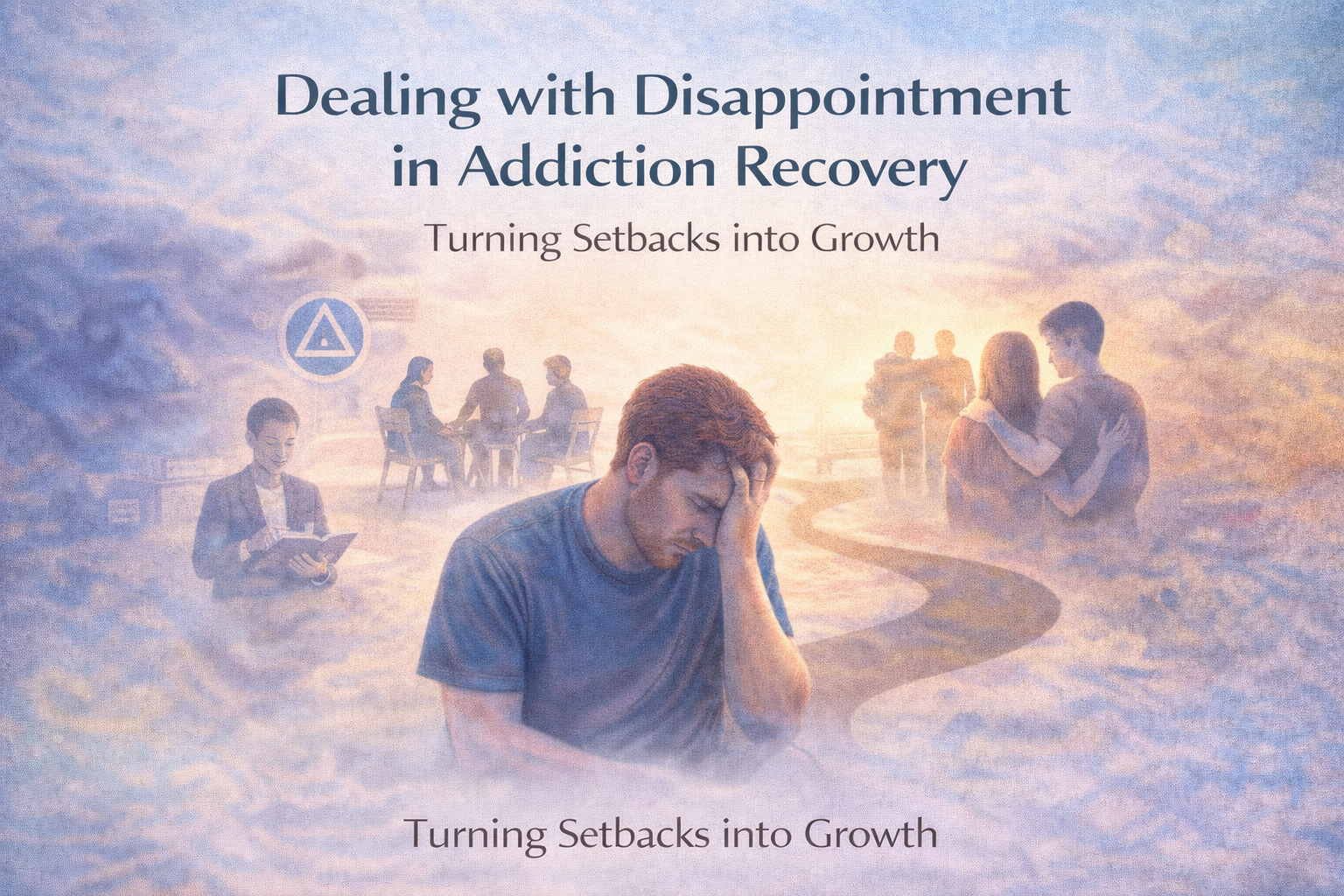
Negative thought patterns are among the most persistent barriers to lasting recovery in addiction therapy. Feelings of guilt, hopelessness, or self-blame can erode confidence, leading individuals to question their progress or relapse into harmful coping habits. Effective treatment goes beyond detoxification—it involves retraining the mind to recognize and challenge self-defeating beliefs. Through structured self-management, individuals … Read more

The Risk of Addiction Treatment

Addiction treatment aims to heal, yet even well-intentioned therapies can cause unintended harm when applied without balance, ethics, or individualized care. Over-medicalization, dependence on treatment systems, stigma, or cultural misalignment can inadvertently hinder recovery instead of supporting it. These risks underscore the need for comprehensive prevention strategies grounded in education, transparency, and compassion. Determining appropriate … Read more

Biofeedback in Addiction Therapy

The biofeedback patch is an innovative tool in addiction therapy that uses wearable technology to monitor physiological signals like heart rate and skin response to detect early signs of stress and cravings. Providing real-time feedback helps individuals apply coping strategies before relapse risk increases, strengthening self-awareness and emotional regulation. While the patch offers non-invasive and … Read more

Building Healthy Love While Sober

Online dating while sober presents a unique journey of self-discovery, vulnerability, and empowerment. For individuals in recovery, dating without substances means navigating emotions, relationships, and attraction with full awareness—something that can feel both refreshing and intimidating. The absence of alcohol or drugs removes the social buffer that often makes dating feel easier, exposing insecurities and … Read more

Early Addiction Treatment Matters

Early addiction treatment plays a vital role in improving recovery outcomes by addressing substance use before it develops into severe physical, emotional, and social harm. When individuals recognize early warning signs, manage triggers, and seek medical or behavioral support, they are more likely to begin treatment at a stage when recovery is safer, less overwhelming, … Read more

The Two Main Forms Of Addiction

If you’re curious about addiction or trying to understand it a bit better, knowing the two main forms is a pretty handy starting point. Addiction isn’t just about a lack of willpower or making poor choices; there’s real science behind it, and it actually shows up in a couple of different ways. Here, I’ll lay … Read more

The Three Main Types Of Addiction

Addiction can take many forms, shaping how a person thinks, behaves, and copes with life’s challenges. While each experience is unique, experts commonly group addiction into three main types: substance addiction, behavioral addiction, and impulse or process addiction. Each type affects the brain’s reward system, reinforcing repeated behaviors despite negative consequences. Substance addiction involves dependence … Read more

Common Traits in Addiction

Addiction shows up in all sorts of forms, including alcohol, drugs, gambling, food, internet use, and much more. While every person’s experience is different, there are some key traits and patterns that a lot of people with addiction share, no matter the specifics. My goal here is to break down what people with addiction often … Read more

Addiction Facts You Should Know

Addiction affects millions of people around the globe, but there’s still a lot of confusion and stigma surrounding what it really means. Learning more about addiction can not only help you support someone you care about, but it can also make a big difference in understanding your own habits or behaviors. I’ve pulled together 10 … Read more

Five Key Risk Factors For Addiction

If you’ve ever wondered why some people seem more likely than others to struggle with addiction, you’re not alone. Addiction isn’t just about personal choices; it can be shaped by a mix of background, environment, and even biology. By spotting the key risk factors, it gets easier to understand how addiction shows up in real … Read more