Hidden Risks of Screen Detox

In today’s constantly connected world, screens play a central role in daily life, but excessive use can resemble behavioral addiction, causing compulsive engagement, mood dependence, poor sleep, and reduced focus. Many people attempt a “screen detox” to regain balance, yet abruptly cutting back can lead to irritability, boredom, anxiety, and social disconnection. Understanding both the … Read more
Motivation in Addiction Treatment

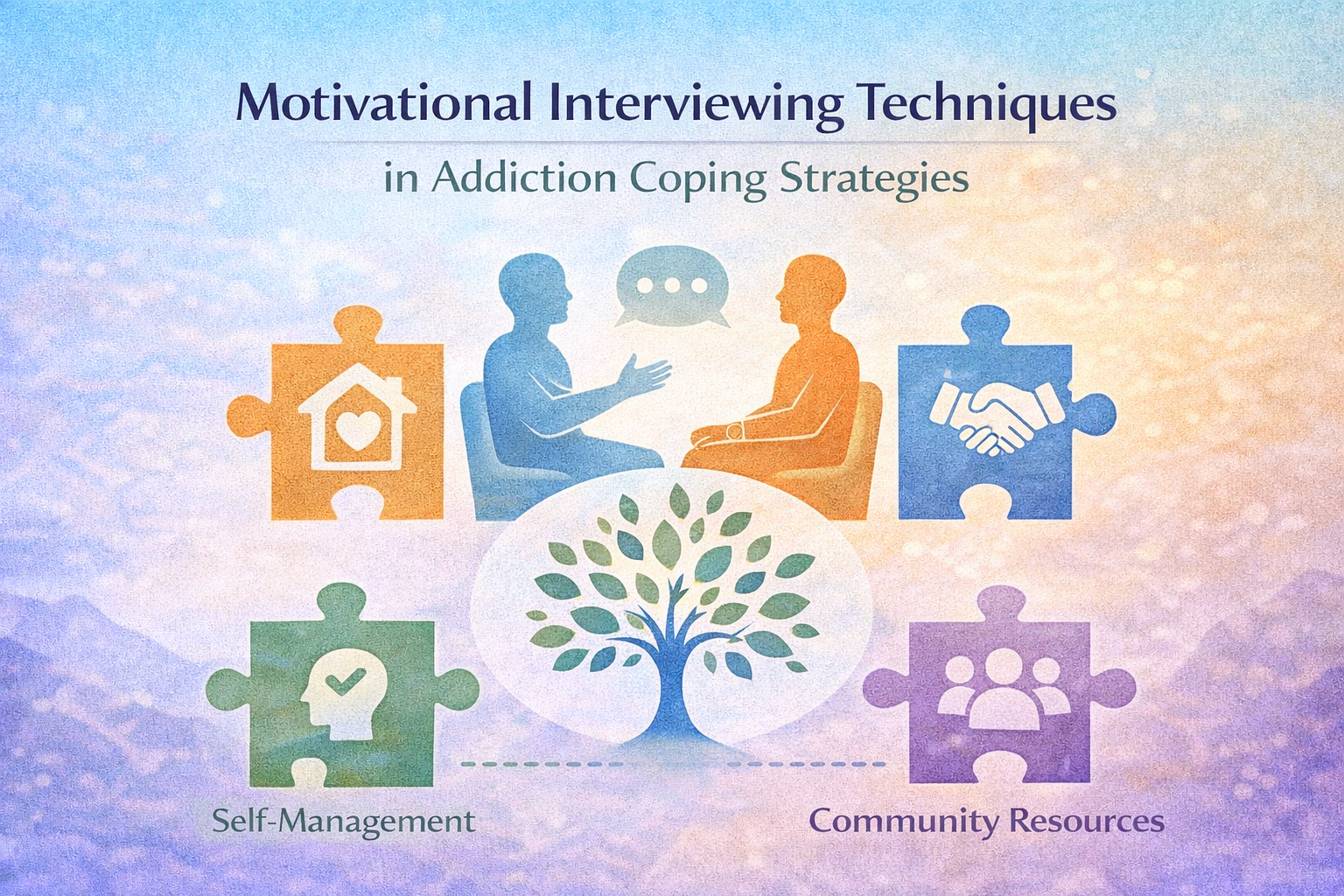
Motivational Interviewing (MI) techniques play a vital role in addiction coping strategies by helping individuals navigate ambivalence, strengthen motivation, and build confidence for change. Rather than relying on confrontation or pressure, MI emphasizes empathy, collaboration, and respect for autonomy. When applied across self-management, family support, and community resource strategies, motivational interviewing creates a consistent, supportive … Read more

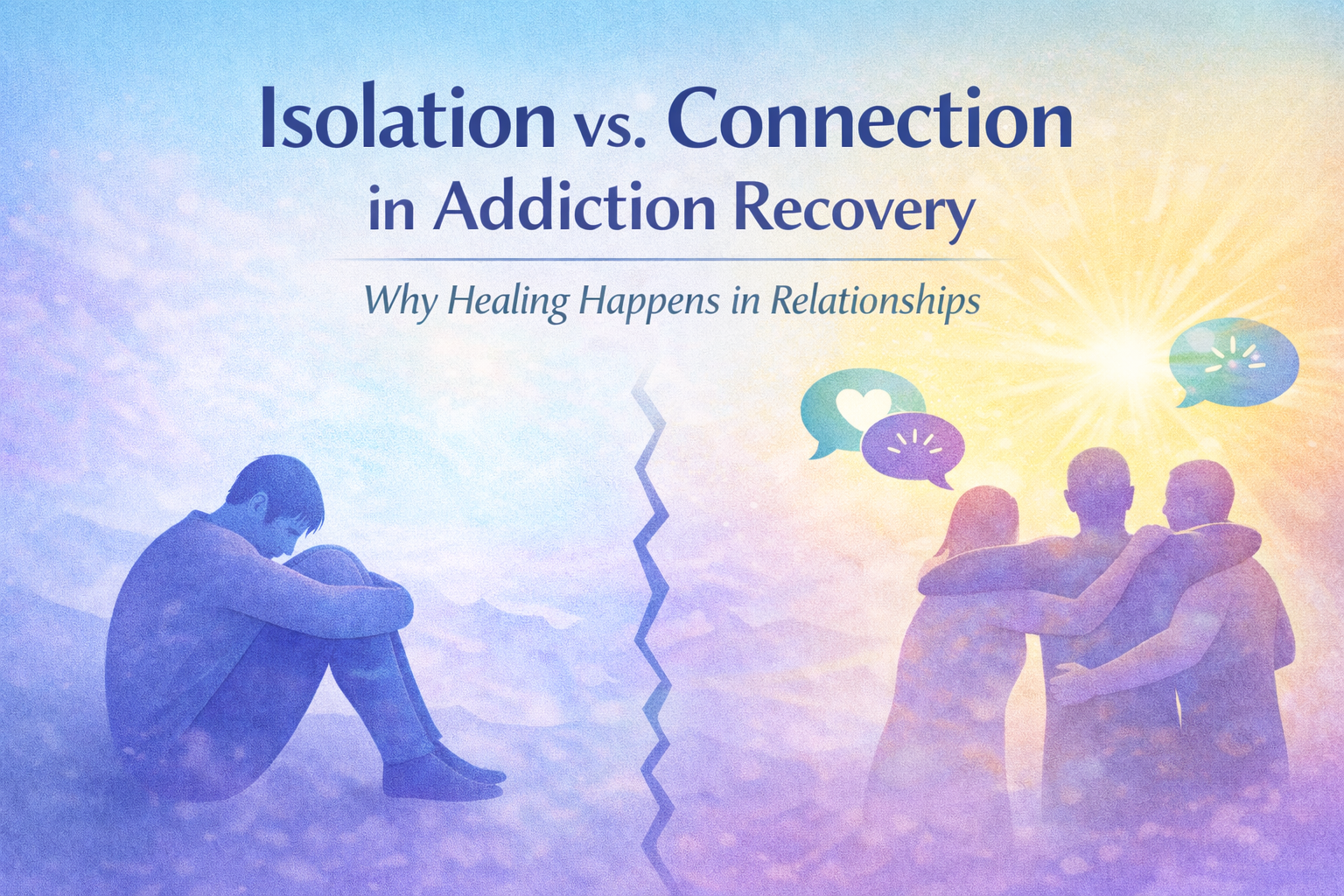
Recovery: Isolation vs. Connection

Isolation and connection sit at the heart of addiction recovery. Addiction often pushes individuals into loneliness, secrecy, and emotional withdrawal, while recovery depends on rebuilding trust, belonging, and supportive relationships. Feelings of shame, fear, and stigma can make isolation feel safer than connection, especially in early recovery. Improving this balance requires intentional effort at multiple … Read more

Stigma and Language of Addiction

Stigma and language play a powerful role in shaping addiction recovery experiences. Judgmental or blaming words can intensify shame, lower self-esteem, and discourage individuals from seeking treatment or being honest about their struggles, often increasing isolation during vulnerable moments. In contrast, respectful, person-first language promotes dignity, trust, and a sense of safety, encouraging openness and … Read more

Foster Care Opioid Treatment

Foster care involvement related to opioid use disorder (OUD) represents one of the most complex intersections of public health and child welfare. When parental substance use leads to child removal, the focus must extend beyond crisis response toward coordinated recovery and family stabilization. Foster Care Opioid Treatment requires more than medication or court compliance—it demands … Read more

Science of Dopamine in Addiction

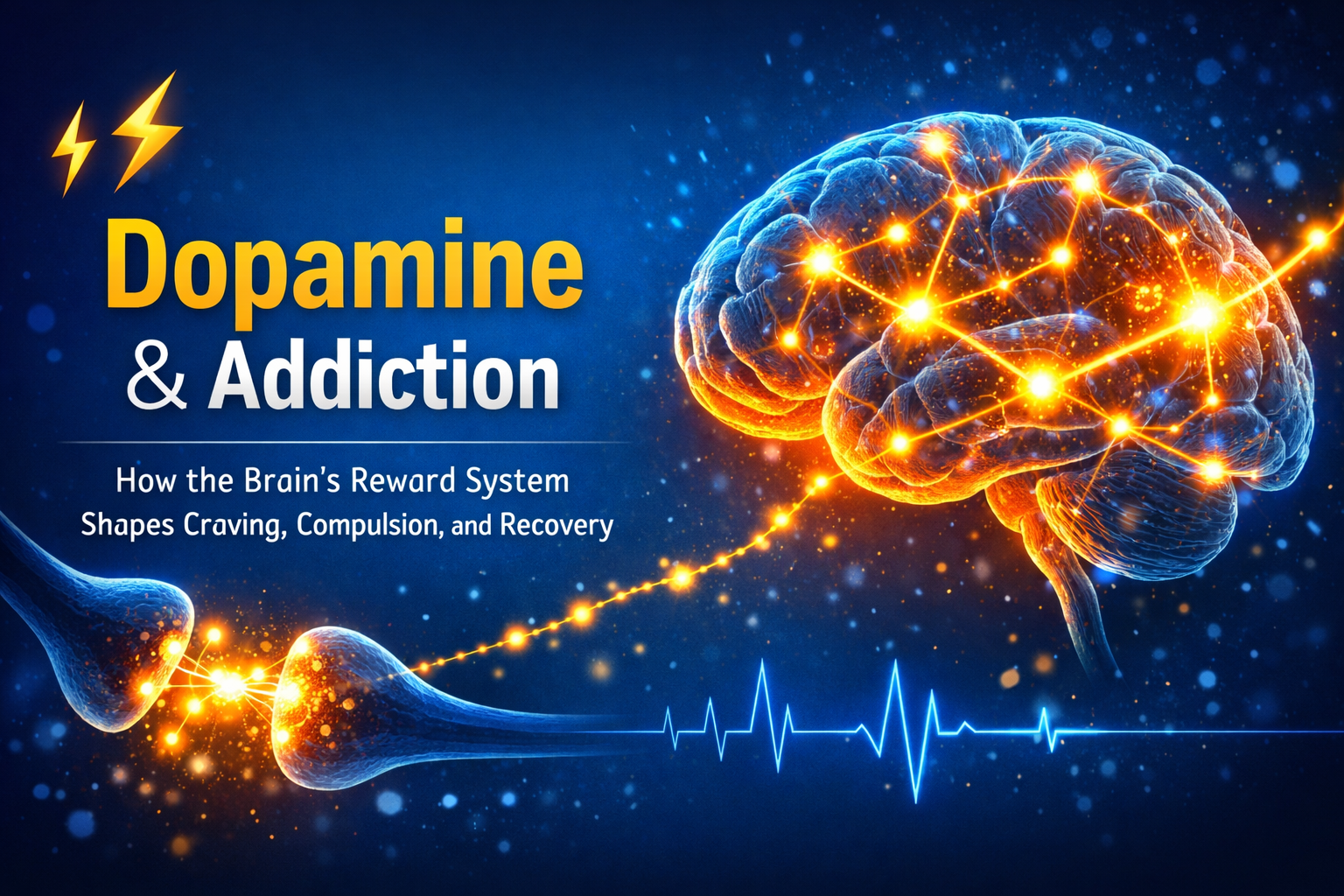
Dopamine plays a central role in addiction by shaping motivation, reward, and learning within the brain. Rather than simply producing pleasure, dopamine teaches the brain what to seek and repeat. In addition, substances and compulsive behaviors overstimulate this system, causing the brain to prioritize short-term rewards over long-term well-being. Over time, this leads to cravings, … Read more

Don’t Delay Addiction Treatment

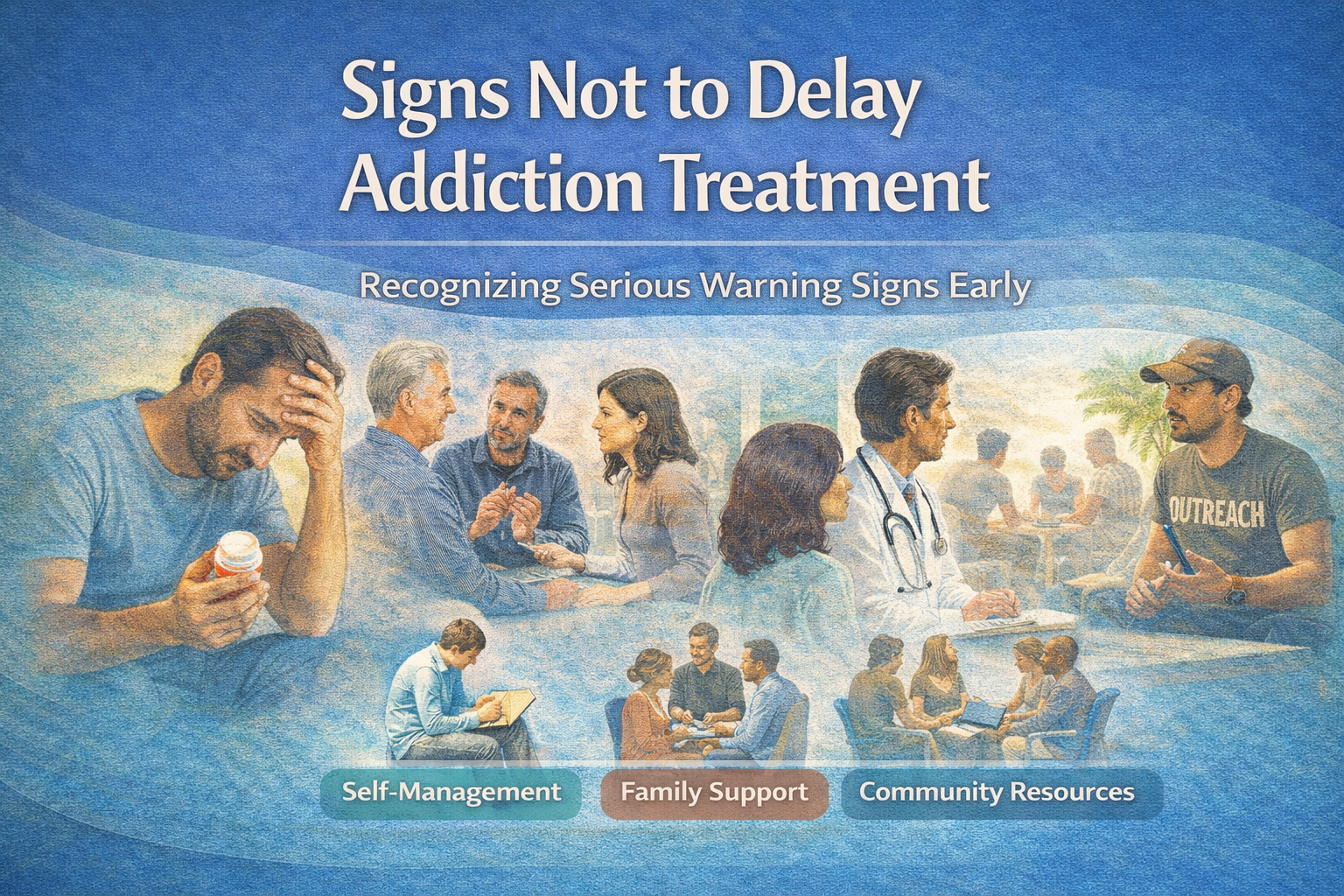
Addiction is a progressive brain-based condition that rarely improves without intervention. As use continues, insight becomes impaired, making it easier to minimize tolerance, withdrawal, and loss of control. Delaying treatment increases the risk of overdose, mental health decline, and social consequences. Recognizing when not to wait requires layered awareness. Self-monitoring helps identify escalating use and … Read more

Spiritual Malaise in Recovery

Spiritual malaise is a common yet often overlooked dimension of addiction that affects many individuals during active substance use and throughout recovery. It is experienced as a deep sense of emptiness, loss of meaning, inner disconnection, or spiritual fatigue that persists even after physical withdrawal and psychological stabilization. Addiction can erode a person’s sense of … Read more

Real-Life Addiction Recovery Tools

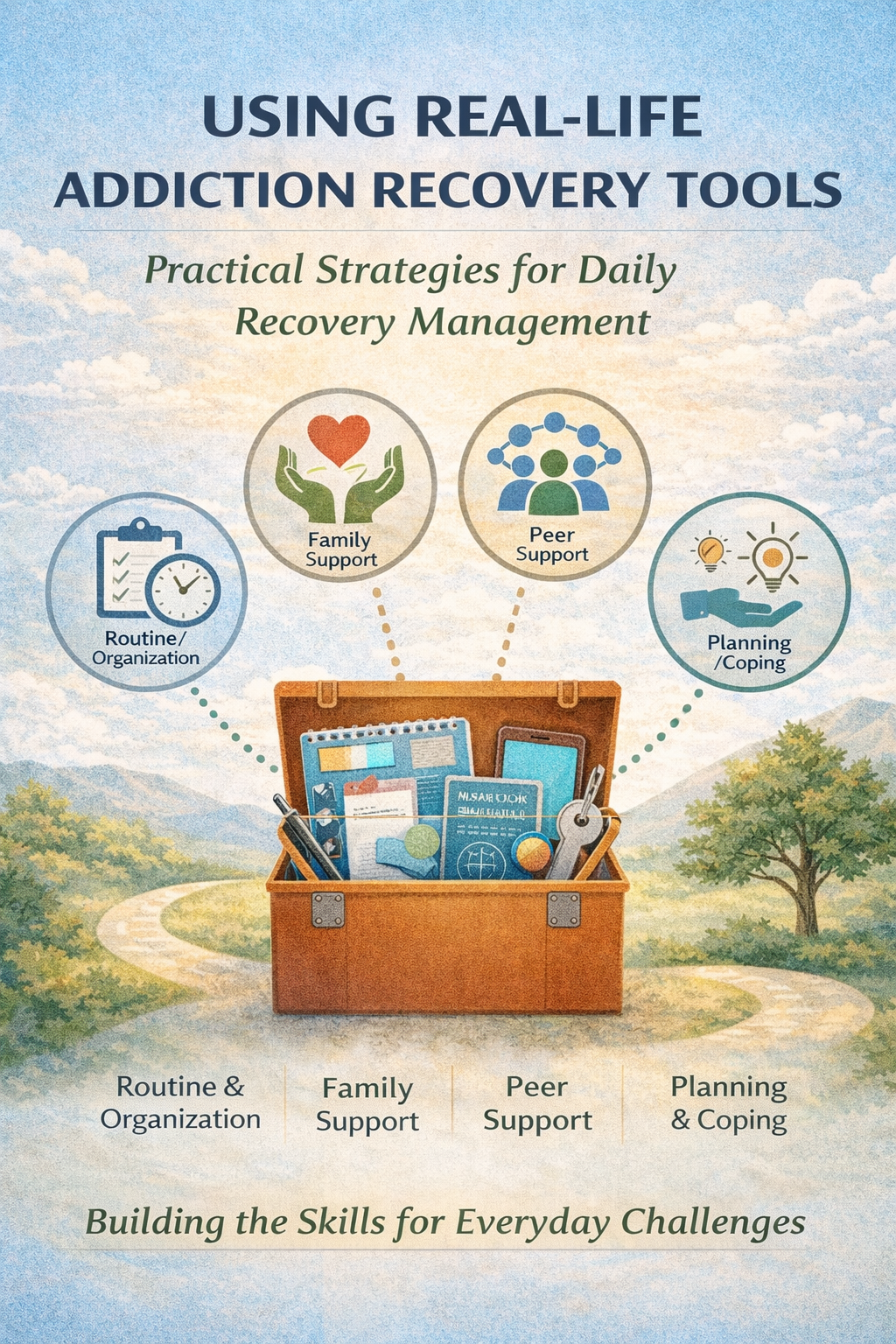
Using real-life addiction recovery tools for management is essential for turning recovery principles into everyday practice. Addiction often disrupts healthy coping, decision-making, and daily structure, making it difficult to manage stress and responsibilities without substances. Real-life recovery tools—such as routines, coping strategies, communication techniques, support systems, and planning tools—help individuals respond effectively to challenges as … Read more

Escapism in Digital Addiction

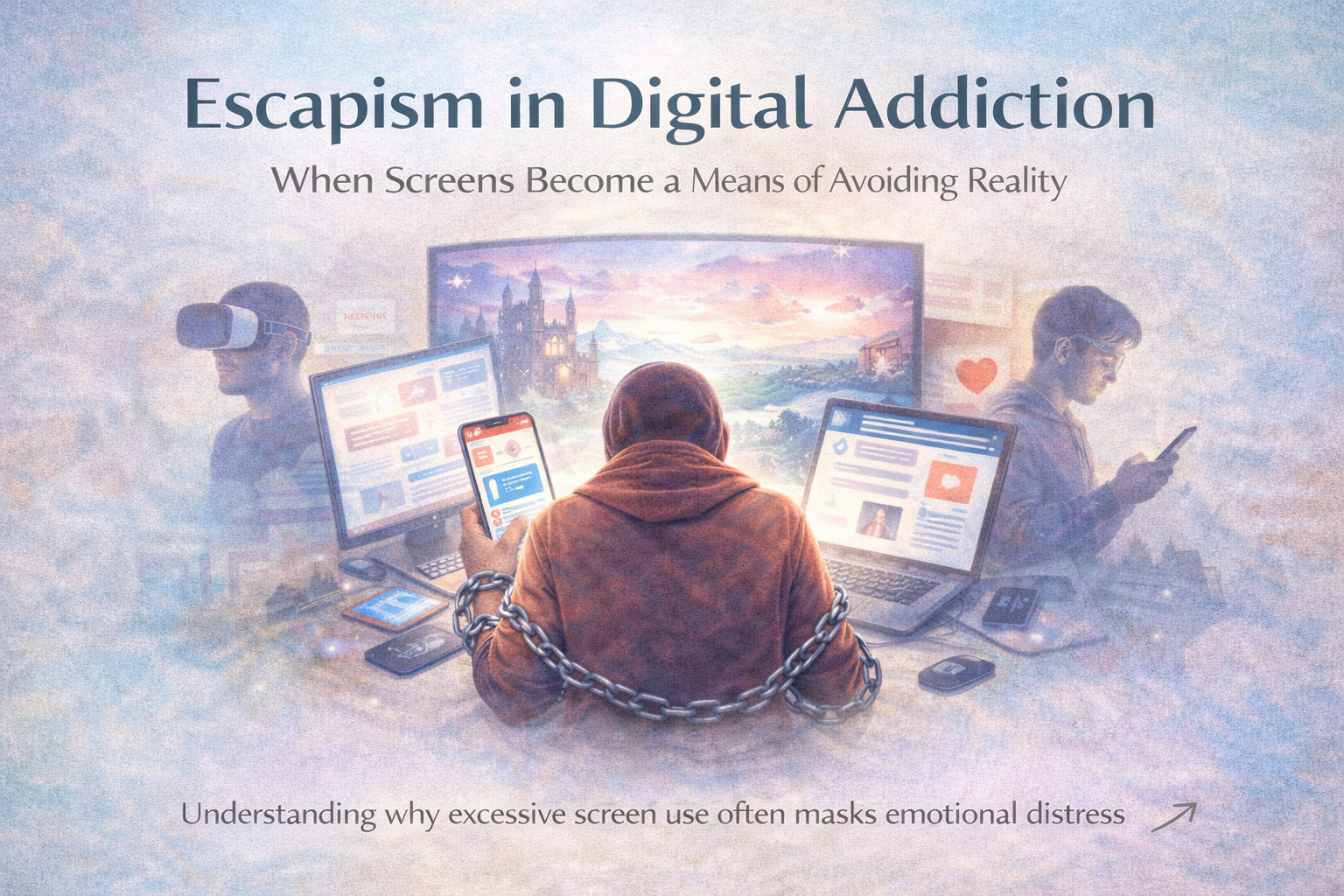
Escapism is a key driver of digital addiction, where excessive gaming, social media use, or streaming becomes a way to avoid stress or emotional discomfort. While digital platforms offer temporary relief, reliance on them to escape reality often increases anxiety and avoidance over time. Addressing escapism in digital addiction requires more than reducing screen time—it … Read more