Can Chronic Pain Lead To PTSD?
Chronic pain brings more than just physical challenges. Dealing with it day after day can affect how you think, feel, and live. Something I’ve learned while reading research and talking to people grappling with ongoing pain is that the impact often goes beyond just the aches; you can also spot patterns that look a lot … Read more
Addiction and Schizoaffective Risk

Substance abuse can disrupt brain systems that regulate mood, perception, and cognition—functions also affected in schizoaffective disorders. Drugs that alter dopamine, serotonin, and glutamate may trigger psychosis, mood instability, or both, especially in people with genetic vulnerability, trauma history, or chronic stress. While substances don’t always directly cause the disorder, they can hasten onset, worsen … Read more

Addiction and the Toxic Behaviors

Toxic personality behaviors—such as manipulation, chronic blame-shifting, emotional volatility, boundary violations, and persistent negativity—can disrupt individuals, families, workplaces, and entire community systems. While occasional unhealthy reactions are part of human stress responses, toxicity becomes harmful when these patterns are rigid, repetitive, and resistant to feedback. Managing toxic behaviors requires a layered approach. Self-management strategies help … Read more

How Nations Lower Drug Rates

Lowering addiction rates within a country requires a comprehensive and sustained public health approach rather than isolated interventions. Substance use disorders develop through a complex interaction of biological vulnerability, psychological stressors, social environment, and economic conditions. Therefore, meaningful reduction in national addiction rates depends on coordinated strategies across multiple levels—individual self-management education, family stability, accessible … Read more

10 Worst States for Addiction

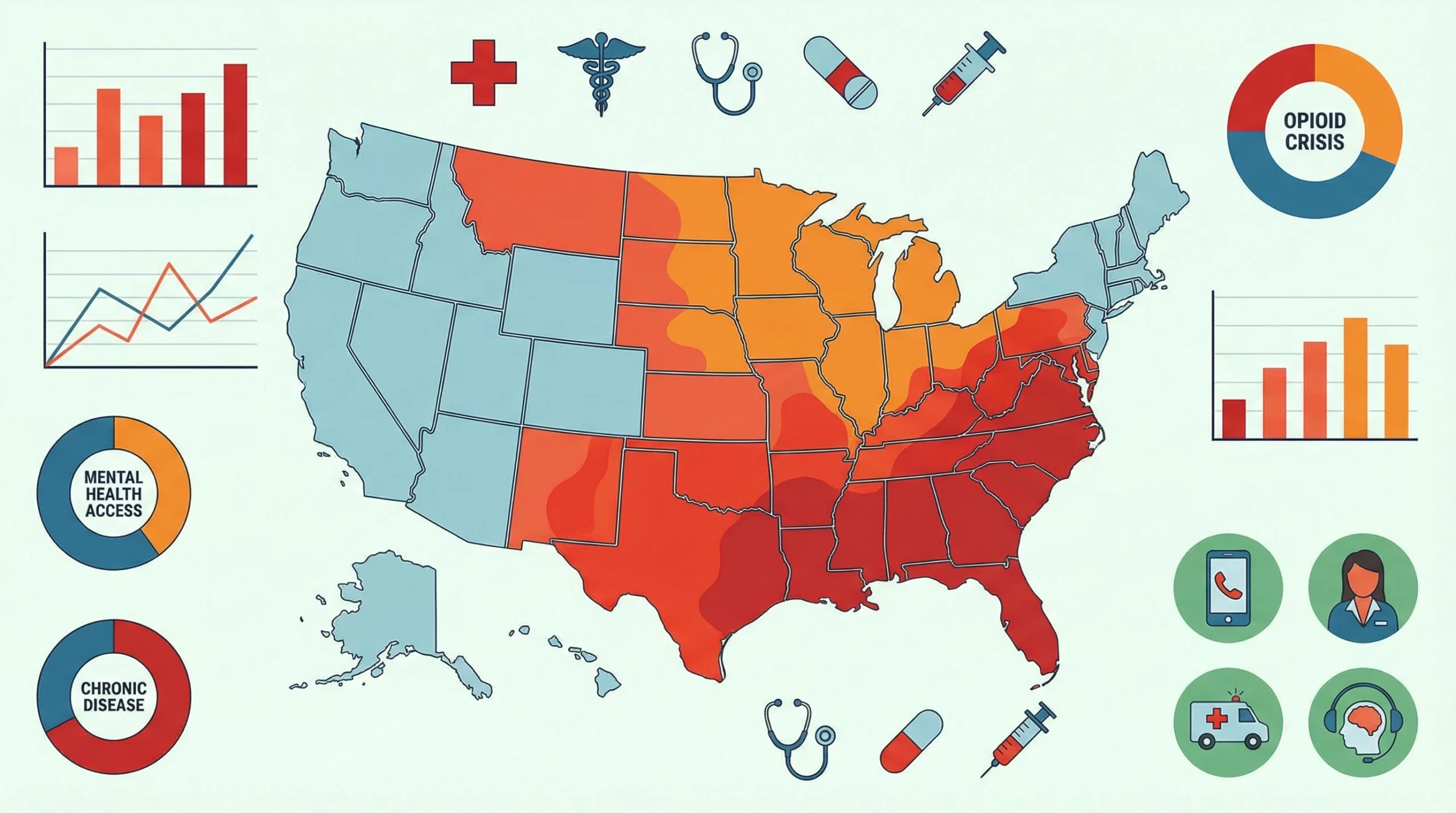
Dealing with addiction is a reality that thousands of people across the United States face every day. Nobody plans to struggle with substance misuse, yet certain states grapple with particularly tough challenges—high drug and alcohol misuse rates, soaring overdose deaths, and real gaps in available treatment. Understanding where these struggles hit hardest helps people, healthcare … Read more

The 4 C’s of Mental Health

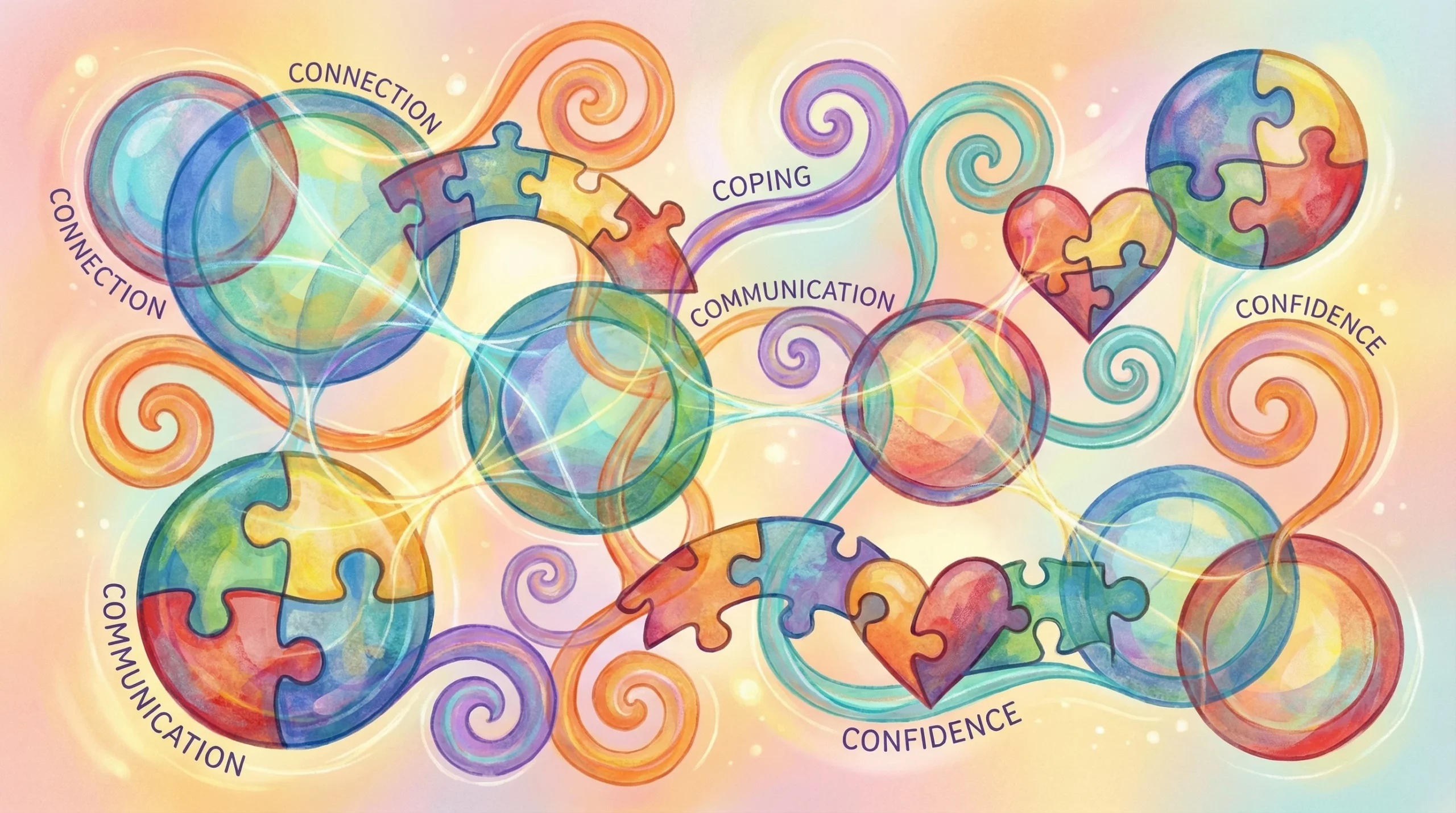
Mental health can feel like a tough puzzle to sort out, but there are some simple ideas that can really help build a stronger foundation. When I think about what makes up good mental health, I always come back to four main things: Connection, Communication, Coping, and Confidence. I call these the 4 C’s of … Read more

The 7 Sins in Addiction

Addiction is a topic that gets a lot of attention, but most conversations focus on substances, behavior, or biology. There’s another side that’s just as important to think about—what I call the “7 sins” in addiction. These aren’t traditional sins in a religious sense but more like thinking patterns and habits that pull people deeper … Read more

Personality-Linked Addiction Risk

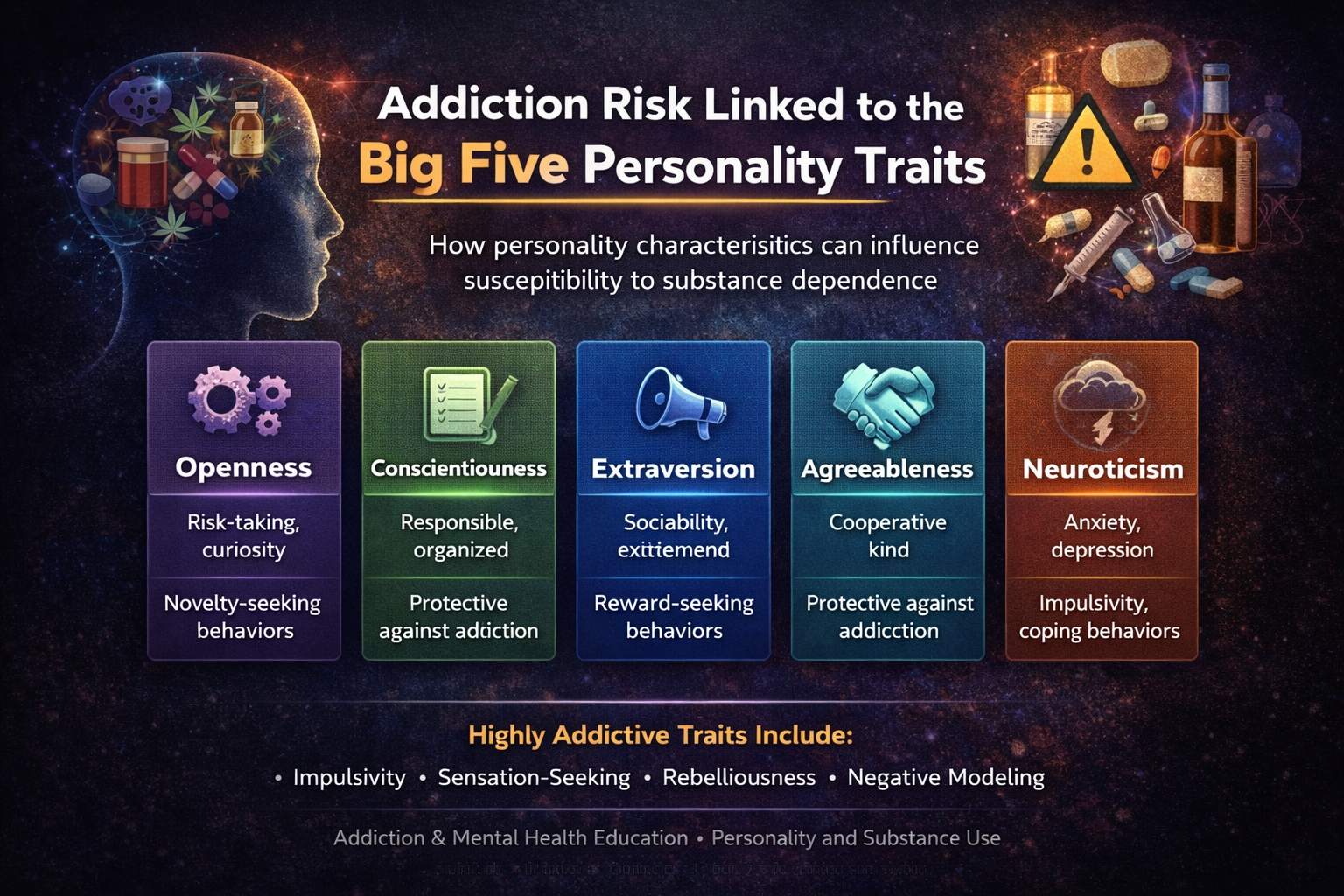
Addiction risk is influenced by a complex interaction of biological, psychological, and social factors, with personality playing an important role in how individuals respond to stress, regulate emotions, and make decisions. The Big Five Personality Traits—neuroticism, conscientiousness, extraversion, agreeableness, and openness—provide a widely used framework for understanding these patterns. While no personality trait causes addiction … Read more

Most Susceptible to Addiction

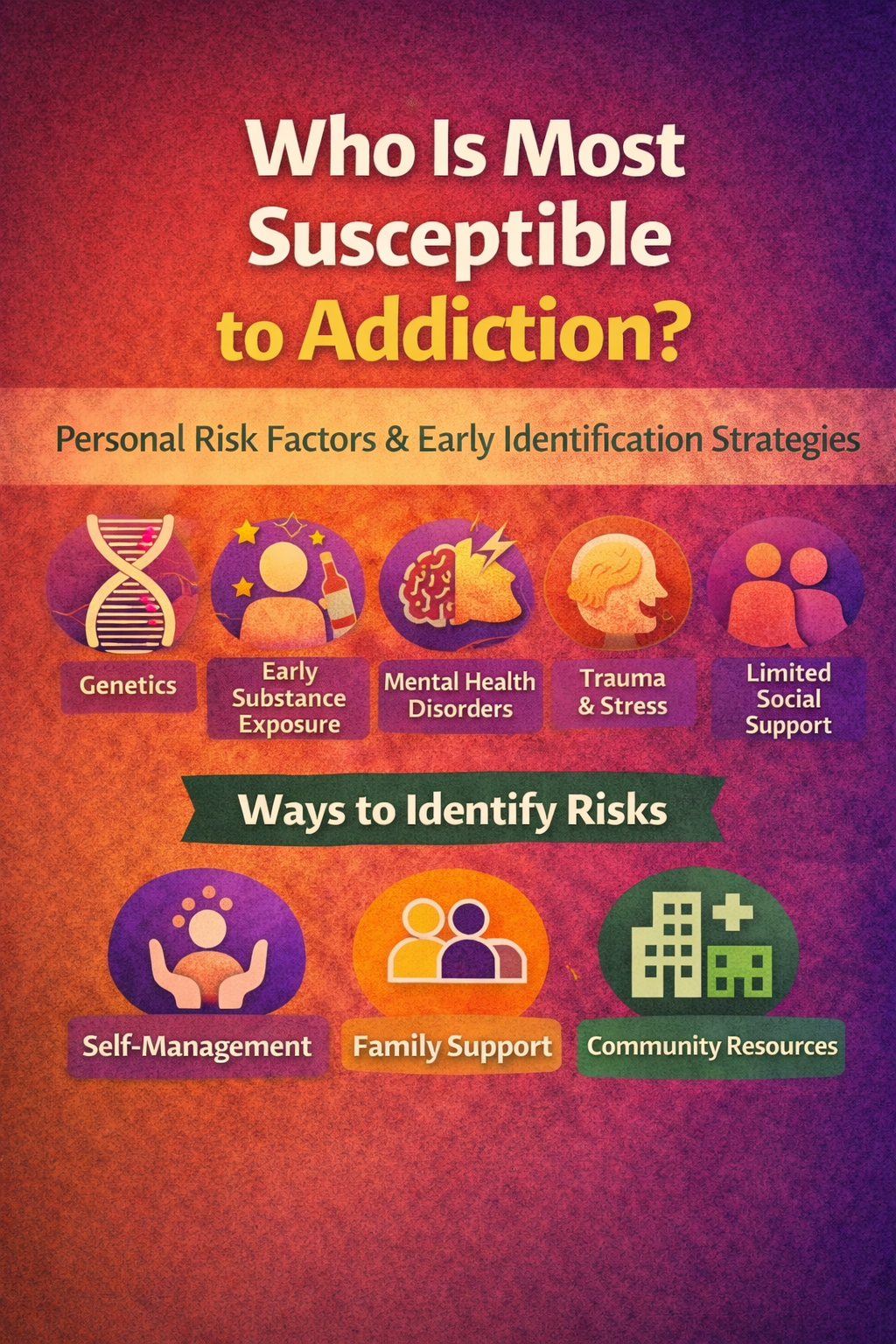
Addiction does not develop in isolation, nor does it affect all individuals equally. Research shows that people with genetic vulnerability, early exposure to substances, untreated mental health conditions, trauma histories, chronic stress, and limited social support are most susceptible to developing addiction. Identifying these risk factors early is critical for prevention and long-term health. Effective … Read more

ADHD–Bipolar–Addiction Link

ADHD, bipolar disorder, and addiction form a powerful and often overwhelming combination of co-occurring conditions. ADHD affects attention, impulsivity, and self-regulation, while bipolar disorder brings cycles of depression and mania that destabilize mood and behavior. When addiction enters this picture, substance use can become a way to self-medicate distress, intensify impulsive actions, and disrupt brain … Read more