Manipulation in Addiction Disease
Navigating the complex landscape of addiction often involves grappling with manipulative behaviors that individuals employ to sustain their substance use. Manipulation, within the context of addiction, encompasses a spectrum of deceptive tactics that strain relationships and hinder recovery. The neuroscience of addiction reveals alterations in the brain’s reward pathways and compromised decision-making functions, shedding light … Read more
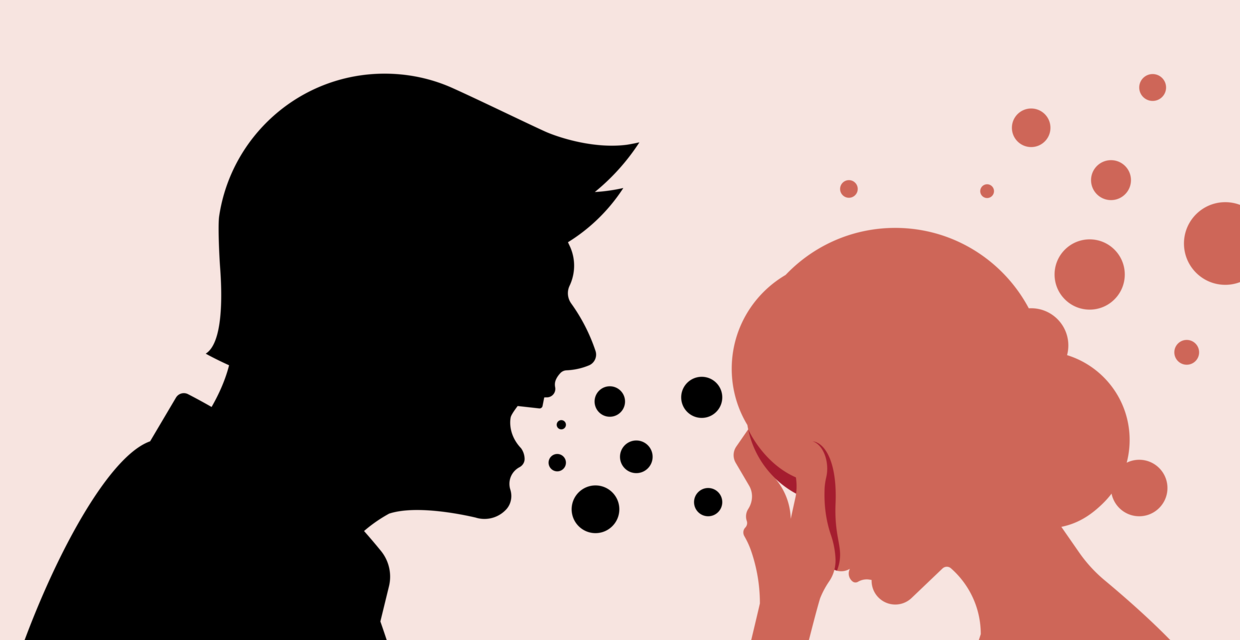

Attraction to Toxic Relationships

The allure of toxic relationships poses challenges, especially in the context of addiction and recovery. This phenomenon is shaped by psychological, neurobiological, and social factors. Understanding its occurrence requires exploring changes in neuroscience, self-management strategies, family dynamics, and community resources. As individuals navigate the complexities of recovery, preventing entanglement with toxic relationships becomes crucial. A … Read more

Surrendering to Addiction Therapy

The surrendering model, integral to addiction recovery, centers on acknowledging powerlessness and embracing spiritual principles. Advantages include profound spiritual growth and lasting recovery. Ethical dilemmas pose challenges that require effective self-management. Family support and community resources become crucial in navigating this transformative journey. In essence, the surrendering model offers a pathway to profound transformation and … Read more

Healthy Relationship with an Addict

Building a healthy relationship with an individual in addiction recovery requires a foundation of understanding, clear boundaries, mutual respect, and effective communication. Establishing boundaries is not about control but instead about creating a supportive environment that nurtures both individuals. Mutual respect ensures that the recovery journey is acknowledged and valued. Open and honest communication becomes … Read more

Addicts’ Behaviors in Relationships

Navigating typical addict behavior in relationships necessitates a holistic approach, involving self-management, family support, and community resources. Substance abuse strains relationships, influencing both individuals and their loved ones. Self-management focuses on personal resilience, family support fosters understanding, and community resources offer external assistance. This comprehensive framework addresses the challenges posed by addictive behavior, fostering healthier … Read more

Social Relationship with an Addict

Navigating an addict’s behavior and recovery involves a multifaceted approach that extends beyond individual efforts. Social relationships, including family and community interactions, are crucial in shaping the recovery journey. This introduction explores the intricate interplay between an addict’s social relationships, self-management strategies, family support, and community resources. As we delve into these aspects, we aim … Read more

Spouse’s Role with an Addict

A spouse’s relationship with an individual battling addiction demands a comprehensive approach. This involves cultivating self-management strategies for emotional well-being, seeking family support to strengthen relationships, and tapping into community resources to build a robust support network. Spouses play a vital role in the recovery process, and this introduction explores the key elements of self-management, … Read more

How Cannabis Use Led to Disorder

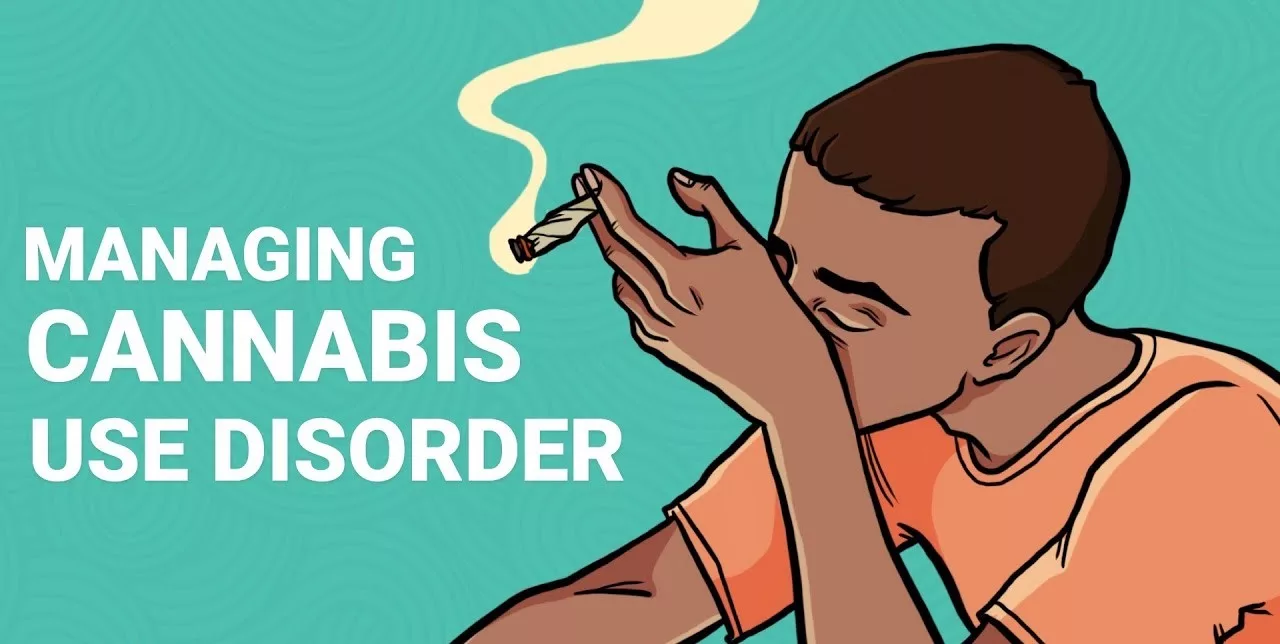
Cannabis Use Disorder (CUD) is a complex issue influenced by individual choices, family dynamics, and community factors. To address this concern, it’s crucial to explore prevention strategies that encompass self-management, family support, and community resources. This discussion examines the interconnected strategy at the individual, familial, and community levels, aiming to foster informed decision-making and create … Read more

Cannabis leads to Illicit Drug Use

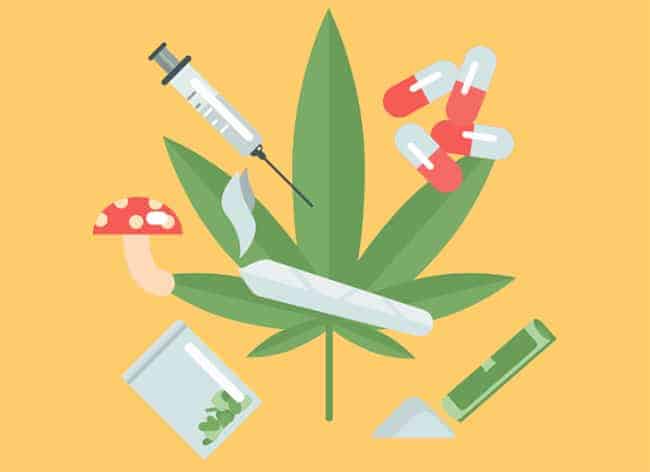
The link between cannabis use and the progression to illicit drugs is complex and debated. While not everyone who uses cannabis moves to more complicated substances, patterns and risks exist. This exploration examines the potential progression, assessing self-management strategies to support informed choices, emphasizing the crucial role of family support, and highlighting community resources to … Read more

PTSD and Cannabis Usage

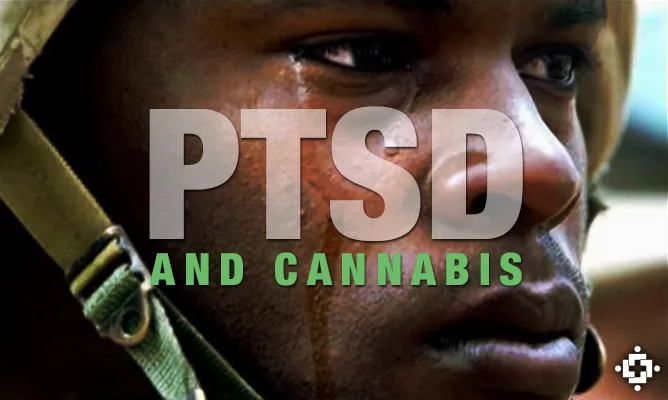
Post-Traumatic Stress Disorder (PTSD) poses challenges in treatment due to the variable effectiveness and potential side effects of current regimens, which typically involve psychotherapy and medication. In recent times, cannabis has emerged as an alternative for managing PTSD symptoms, though limited scientific evidence, regulatory concerns, and the presence of established treatments hinder its acceptance. The … Read more