Stigma of Alcohol Use Disorder
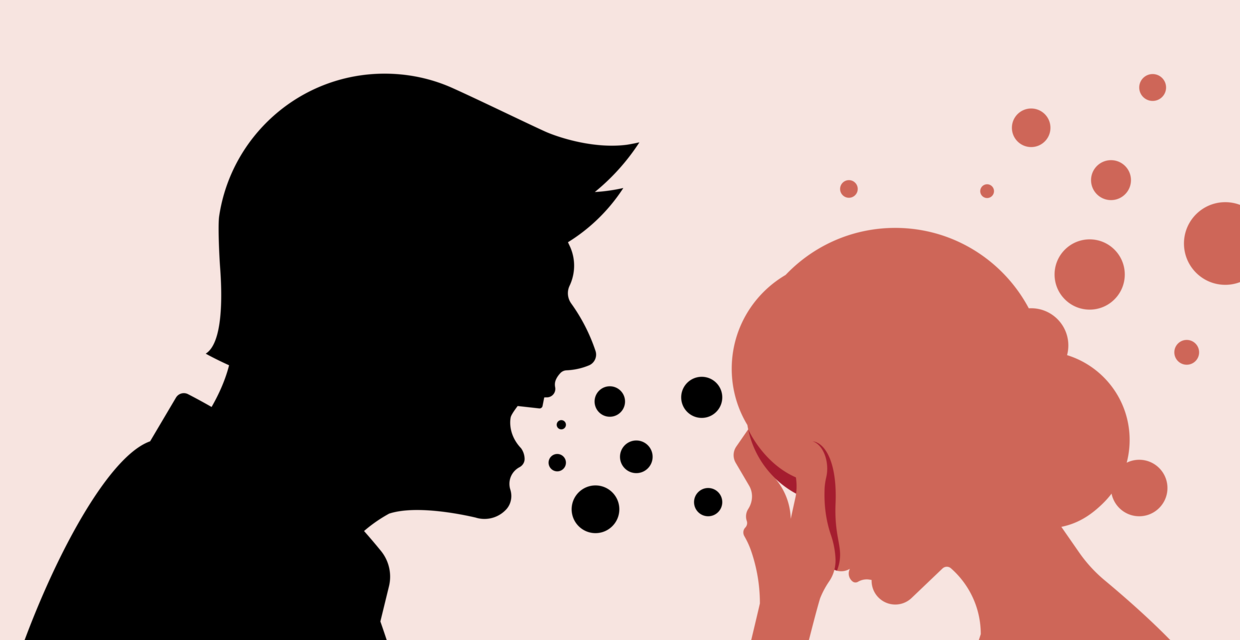
Alcohol use disorder (AUD) is often stigmatized, preventing individuals from seeking help. To combat this, societal attitudes must change alongside personal efforts to confront stigma. Family support and community resources are also crucial in fostering understanding and reducing stigma. By addressing stigma at multiple levels, we can create a more supportive environment for those affected … Read more


Hopelessness in Addiction Disease

In addiction, hopelessness poses a significant challenge to recovery. Recognizing its symptoms—loss of interest, negative self-talk, and isolation—is crucial. Often linked with mental illnesses like depression, hopelessness requires comprehensive management. Self-management strategies empower individuals to challenge negativity, while family support and community resources provide additional avenues for assistance. Together, these approaches offer a comprehensive strategy … Read more

Teen Coping Skills

Coping skills are crucial for teens to navigate challenges, manage stress, and prevent addiction. Adolescence is a time of emotional ups and downs, during which effective coping mechanisms foster resilience and self-regulation. This introduction explores their importance, examples, and the roles of family support and community resources in fostering these skills. Through supportive strategies, teens … Read more

Gaslighting in Addiction Disease

In the realm of addiction, confronting manipulative tactics like gaslighting is a significant challenge. Gaslighting, a psychologically abusive behavior that distorts reality, can impede recovery by eroding trust and complicating relationships. Exploring the neuroscience behind gaslighting reveals its potential impact on memory, emotional regulation, and social cognition. This overview delves into the complexities of gaslighting … Read more

Manipulation in Addiction Disease

Navigating the complex landscape of addiction often involves grappling with manipulative behaviors that individuals employ to sustain their substance use. Manipulation, within the context of addiction, encompasses a spectrum of deceptive tactics that strain relationships and hinder recovery. The neuroscience of addiction reveals alterations in the brain’s reward pathways and compromised decision-making functions, shedding light … Read more

Smoking vs. Drugs & Alcohol

In recovery from drugs and alcohol, the potential substitution of smoking emerges as a noteworthy challenge. Smoking, often seen as a coping mechanism, can intertwine with the recovery journey, posing hurdles to sustained wellness. This exploration delves into self-management, family support, and community resources as crucial elements in addressing the impact of smoking substitution. By … Read more

Attraction to Toxic Relationships

The allure of toxic relationships poses challenges, especially in the context of addiction and recovery. This phenomenon is shaped by psychological, neurobiological, and social factors. Understanding its occurrence requires exploring changes in neuroscience, self-management strategies, family dynamics, and community resources. As individuals navigate the complexities of recovery, preventing entanglement with toxic relationships becomes crucial. A … Read more

Surrendering to Addiction Therapy

The surrendering model, integral to addiction recovery, centers on acknowledging powerlessness and embracing spiritual principles. Advantages include profound spiritual growth and lasting recovery. Ethical dilemmas pose challenges that require effective self-management. Family support and community resources become crucial in navigating this transformative journey. In essence, the surrendering model offers a pathway to profound transformation and … Read more

Healthy Relationship with an Addict

Building a healthy relationship with an individual in addiction recovery requires a foundation of understanding, clear boundaries, mutual respect, and effective communication. Establishing boundaries is not about control but instead about creating a supportive environment that nurtures both individuals. Mutual respect ensures that the recovery journey is acknowledged and valued. Open and honest communication becomes … Read more

Addicts’ Behaviors in Relationships

Navigating typical addict behavior in relationships necessitates a holistic approach, involving self-management, family support, and community resources. Substance abuse strains relationships, influencing both individuals and their loved ones. Self-management focuses on personal resilience, family support fosters understanding, and community resources offer external assistance. This comprehensive framework addresses the challenges posed by addictive behavior, fostering healthier … Read more