Adult Children of Alcoholics

Parental alcoholism can profoundly affect older children, leading to emotional struggles, trust issues, and boundary-setting difficulties. Self-management strategies, like setting boundaries and practicing self-care, are crucial for coping. Family support fosters open communication and helps avoid enabling behaviors, while community resources, such as support groups and counseling, provide essential external support. These approaches collectively aid … Read more

Intensive Outpatient Program

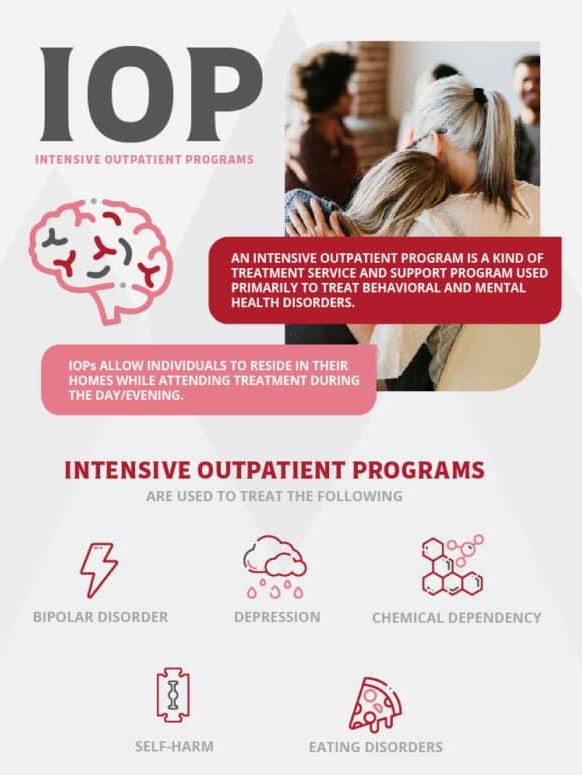
Intensive Outpatient Programs (IOPs) provide structured addiction treatment with flexibility for individuals to maintain daily routines. Offering more support than traditional outpatient therapy but less than inpatient care, IOPs include a range of therapies and peer support. However, challenges such as limited crisis support, varying program quality, and ethical issues related to autonomy can arise. … Read more

Grieving the death of an addict

Grieving the loss of a loved one, mainly due to an overdose, is a complex and painful journey that can leave individuals feeling isolated and overwhelmed. Coping effectively requires a multifaceted approach that includes self-management strategies, family support, and community resources. Self-management techniques help individuals navigate their grief through emotional regulation and reflection. Family support … Read more

Alcohol Neurofeedback Therapy

Neurofeedback training is an approach in alcohol rehabilitation to regulate brain activity and manage addiction. Its advantages include being noninvasive, targeted, and potentially improving emotional and cognitive functions. However, it has drawbacks, including high costs, variable effectiveness, and potential side effects like fatigue and mood swings. Ethical dilemmas, such as concerns about informed consent, access, … Read more

Alcohol Rethinking Strategies

Addressing alcohol use disorder (AUD) involves personal strategies, family support, community resources, and professional tools like alcohol treatment navigators. Rethinking drinking strategies enables individuals to set goals for moderation or sobriety. Family support provides emotional support and structure, while community resources such as peer groups and counseling strengthen recovery efforts. Alcohol treatment navigators assist in … Read more

Neurofeedback for Alcohol Rehab

Neurofeedback training in alcohol rehabilitation regulates brain activity and manages addiction. It offers advantages, including noninvasiveness and targeted delivery, and may improve emotional and cognitive functions. However, its drawbacks include high costs, variable effectiveness, and potential side effects like fatigue and mood swings. Ethical dilemmas, such as concerns about informed consent, access, and the strength … Read more

Alcohol Use Disorder Treatments

Expanding treatment options for Alcohol Use Disorder (AUD) provides more personalized and effective care, improving access and engagement. However, it poses challenges, including increased costs and potential disparities in access. Ethical concerns include ensuring equity and using evidence-based practices. Effective community strategies involve building partnerships, enhancing accessibility, and improving public education to support and implement … Read more

Sinclair Method and Naltrexone

The Sinclair Method (TSM) is a treatment for alcohol use disorder (AUD) that uses naltrexone to block the brain’s reward from alcohol, allowing individuals to reduce their drinking gradually. TSM offers advantages like increased autonomy and reduced cravings, but also has challenges, including strict adherence requirements and ethical concerns about harm reduction versus abstinence. Effective … Read more

Alcohol and Dementia

Alcohol-related dementia (ARD) is a cognitive impairment caused by chronic, excessive alcohol consumption, leading to significant brain damage. Causes include alcohol’s neurotoxic effects, oxidative stress, inflammation, and nutritional deficiencies, especially thiamine (vitamin B1). ARD results in neuronal loss, brain shrinkage, and disrupted neurotransmission, leading to memory loss, confusion, and poor judgment. Treatment focuses on stopping … Read more

Coping Mechanisms for AUD

Coping mechanisms are crucial for families navigating alcohol use disorder (AUD). They empower individuals to manage stress, maintain boundaries, and prioritize self-care amidst the challenges AUD imposes. This introduction explores the significance of coping strategies, presents example scenarios, and discusses community resources available to support families affected by AUD. Essential Coping Mechanisms for Families Affected … Read more