Access to Opioid Reversal Meds
Access to opioid reversal medications like naloxone and nalmefene remains limited due to regulatory barriers, stigma, and uneven policy implementation. This restricted access leads to preventable overdose deaths and missed opportunities for treatment. While some government efforts have improved naloxone availability, newer medications remain underutilized. Stigma—both systemic and individual—continues to hinder access and acceptance. To … Read more
Cognitive Dissonance in Addiction

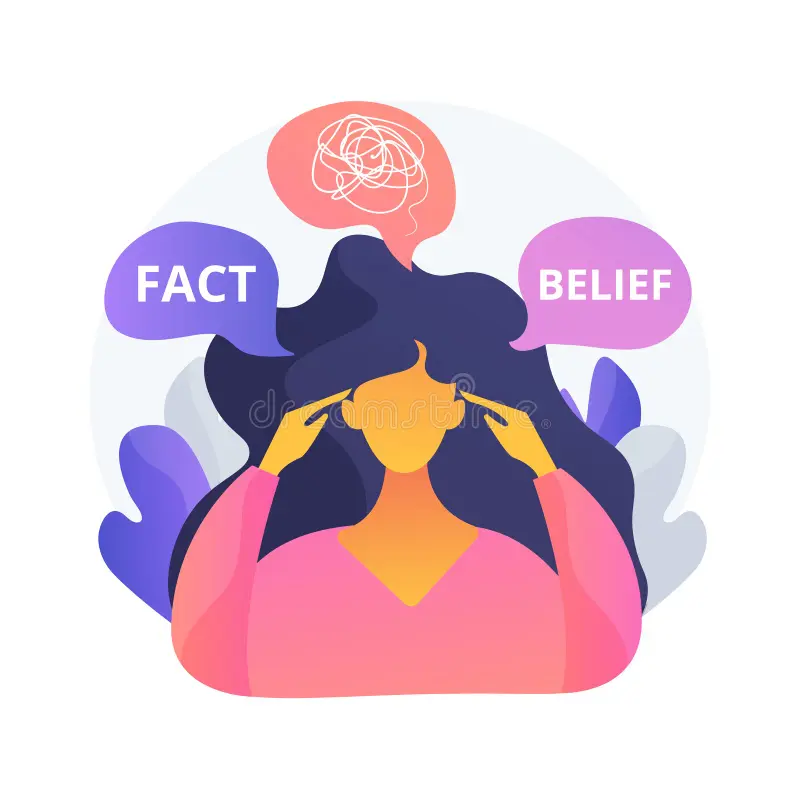
Cognitive dissonance is the internal conflict that arises when actions contradict personal beliefs or values. In addiction therapy, it can motivate change but also cause guilt, shame, or relapse if not managed well. Ethical concerns include emotional harm and perceived manipulation. To cope, individuals can use self-management skills like self-awareness, emotion regulation, and value clarification … Read more

Naltrexone versus Ozempic

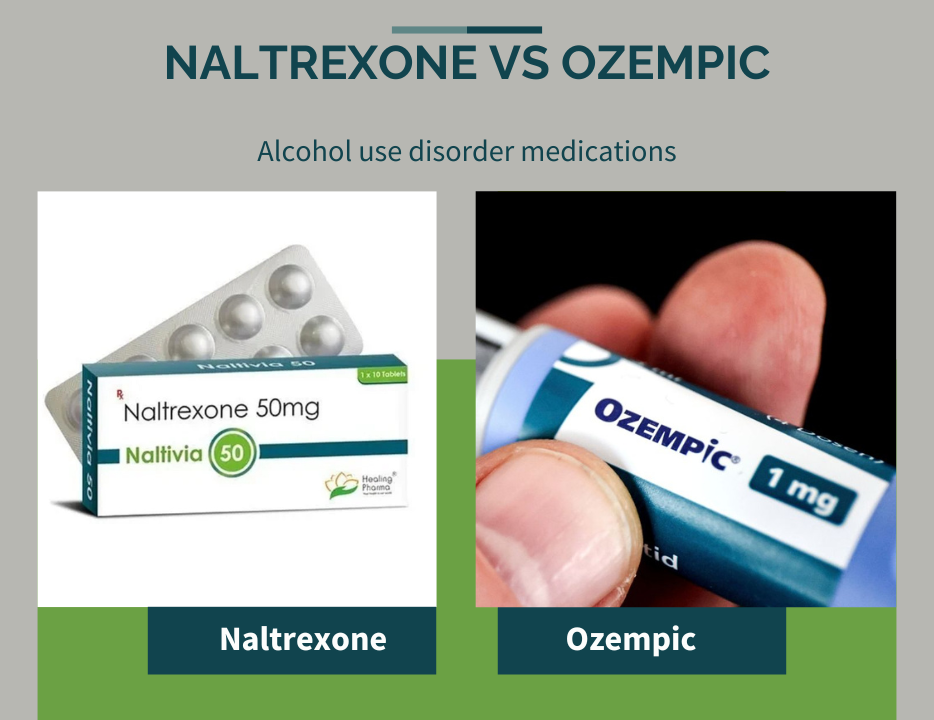
Naltrexone and Ozempic take different approaches to treating alcohol use disorder (AUD). Naltrexone is FDA-approved, affordable, and well-studied; Ozempic is promising but off-label, costly, and less researched. Ethical concerns include access, safety, and informed consent. Both have side effects, and choosing between them reflects the trade-off between innovation and proven care. Naltrexone vs. Ozempic: Comparing … Read more

Repurposing Drugs in Addiction

Repurposing existing drugs for addiction offers faster, low-cost treatment options but faces challenges like limited evidence, safety risks, low industry interest, and ethical concerns. Government agencies help guide regulation, research, and access. Repurposed Medications for Addiction Treatment Repurposing existing medications—initially developed for other health conditions—is a promising and efficient strategy in addiction treatment. Since many … Read more

ER Opioid Treatment Barriers

Many ERs face barriers to treating opioid use disorder (OUD) due to a lack of protocols, limited training, and poor care coordination. While hospitals work to improve systems, patients and families can take action now. Using clear self-advocacy and family support strategies, they can request evidence-based care—like buprenorphine—and improve access to treatment during ER visits. … Read more

Family Relationship in Recovery

Family relationships are key to lasting recovery from addiction, offering vital emotional support and accountability. While healthy involvement can strengthen sobriety, dysfunctional dynamics, enabling behaviors, and unresolved trauma may hinder progress. Ethical challenges—such as respecting autonomy and maintaining confidentiality—often arise. To balance these factors, recovery plans should integrate families through clear boundaries, education, and therapy, … Read more

Youth Addiction and Brain Changes

Addiction disrupts brain development, affecting memory, decision-making, and impulse control. It also causes withdrawal and mood swings. Prevention involves government policies, self-management, family support, and community resources, helping youths build resilience and make healthy choices. How Teen Addiction Disrupts Brain Development Adolescence is a crucial period for brain development, with key regions still maturing well … Read more

Health Equity in Addiction Therapy

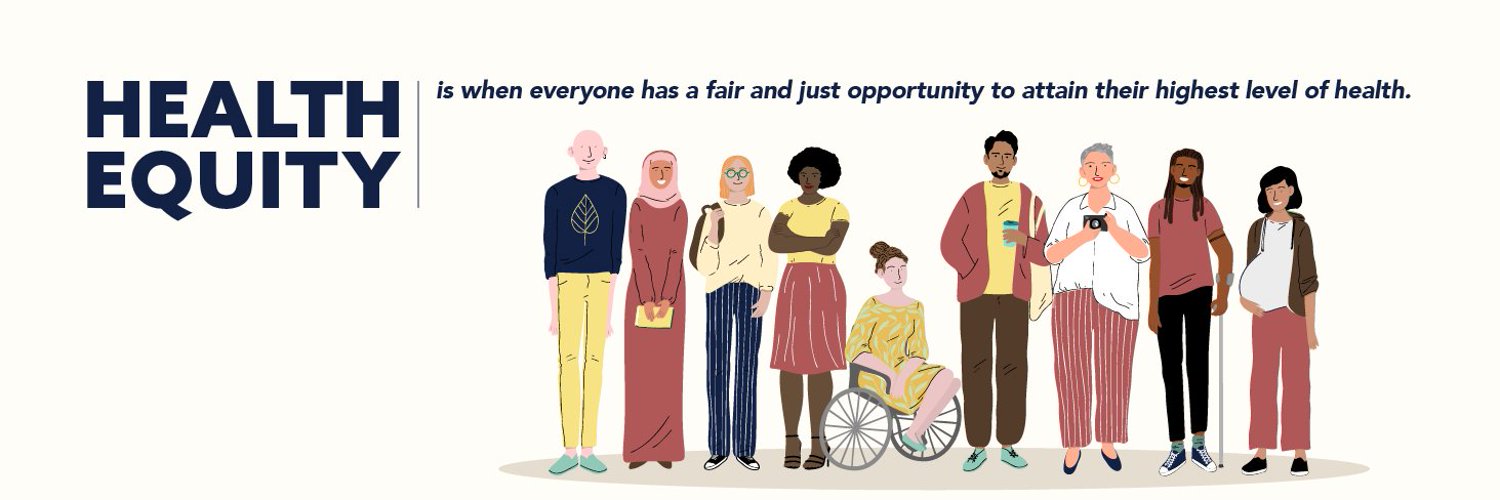
Equity in addiction treatment ensures that all individuals, regardless of background or circumstances, have access to fair and effective care. However, systemic barriers like discrimination, financial limitations, and a lack of culturally competent care often create inequities. To address this, self-management practices, family support, and community resource strategies are key. Self-management empowers individuals in their … Read more

Medication Prior Authorization

Insurance companies use prior authorization (PA) to approve healthcare services, including medications and therapies. While it aims to control costs, PA can delay care and create administrative challenges, especially in addiction treatment. Self-management strategies help individuals navigate the process, while family support provides advocacy. Community resources, such as publicly funded programs and integrated care, can … Read more

Benzodiazepine Dependency

Benzodiazepine addiction can develop from prolonged use, especially when mixed with alcohol or opioids. While effective in the short term, they lead to tolerance, dependence, and withdrawal. Prevention involves proper use, non-drug treatments, and stress management. Family support and community resources, including education and mental health services, play a key role in safe management. Understanding … Read more