If you’re a fan of a strong morning coffee, sneaking in a couple of energy drinks during the day, or relying on soda to get through an afternoon slump, you might be getting more caffeine than you realize. Many people casually sip on caffeinated drinks for that quick energy boost, but all that buzz can have a pretty sneaky side effect: hidden anxiety. I want to share how caffeine overload can quietly fuel anxious feelings, what that looks like, and what you can do if you’re feeling more edgy than energized.
Why Caffeine Feels Good, But Can Work Against You
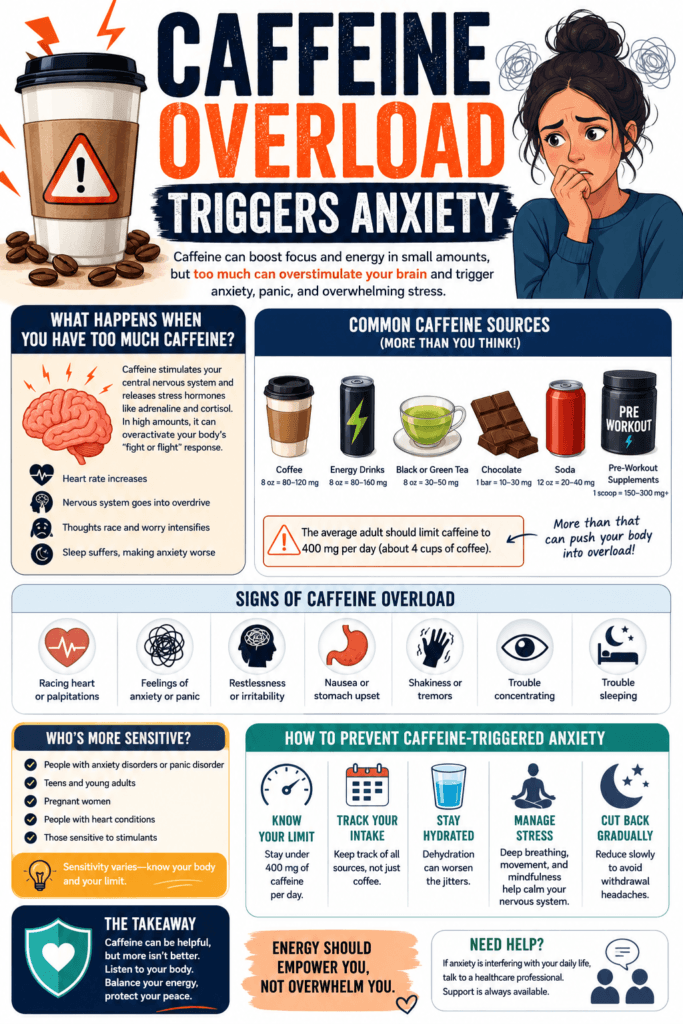
Caffeine is by far the world’s favorite legal stimulant. You’ll find it everywhere—from the obvious (coffee, black tea, and energy drinks) to the surprising (chocolate, weight loss pills, pre-workout powders, and even some cold medicines). The feeling you get after that first coffee is a result of caffeine blocking adenosine (a chemical that makes you feel sleepy) and giving your nervous system a bit of a jumpstart.
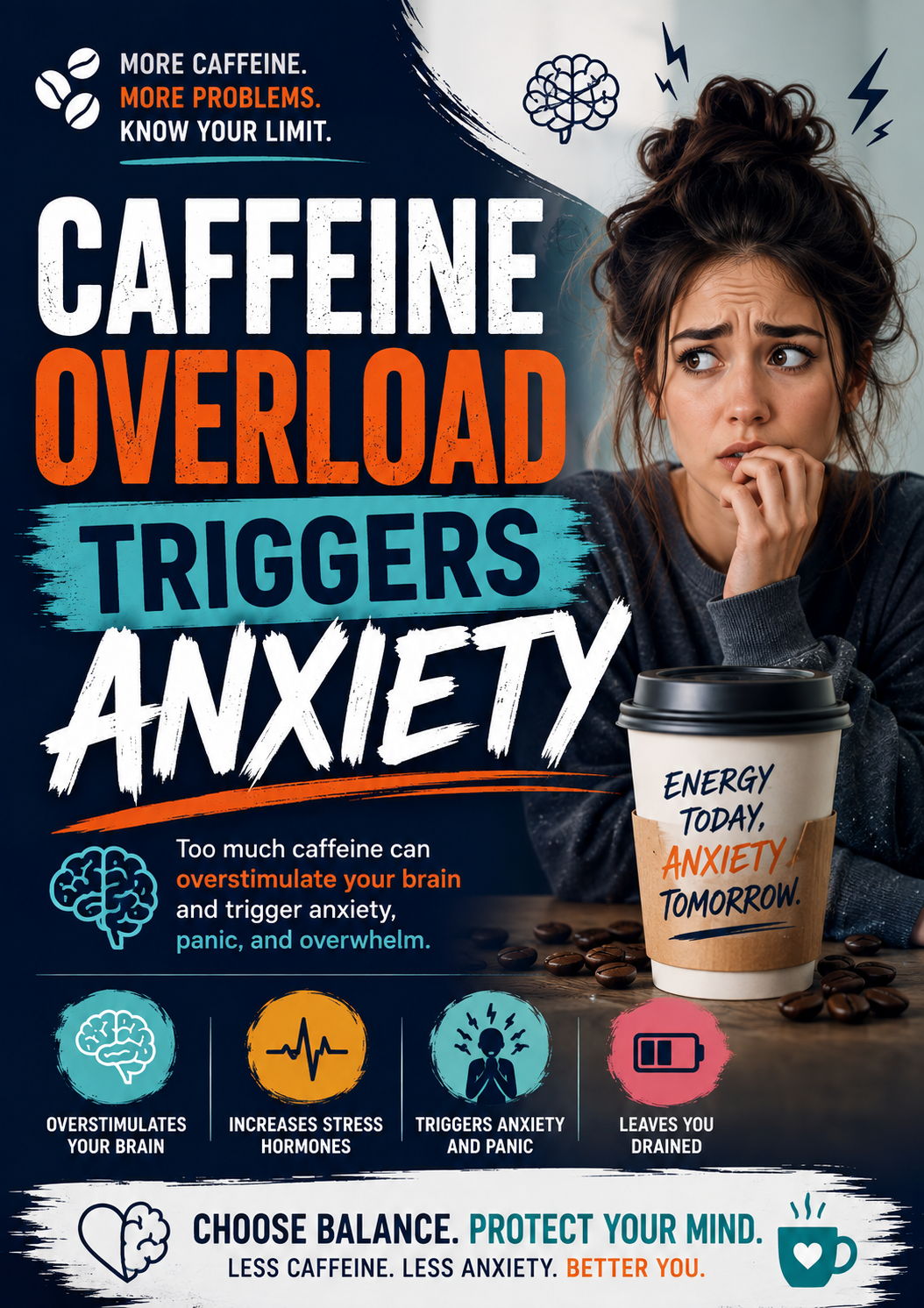
The result? You feel alert, focused, and ready to take on whatever comes your way. Unfortunately, the same chemical effects that boost your mood and focus can also rev up your fight-or-flight response. Especially in high doses, caffeine tells your body to stay alert, even when there’s really nothing to be anxious about. That “take on the world” energy can quickly tip into feeling jittery or restless.
Caffeine’s Effect on Your Brain and Body
Sipping that strong cup of coffee makes your heart beat a little faster, your palms slightly sweatier, and your mind a bit more active. That’s your nervous system kicking it up a notch. For some, these feelings are just minor annoyances. For others, they spark real anxiety, even if that wasn’t what anyone signed up for when pouring their coffee.
- Heart Rate: Caffeine bumps up your heart rate by telling your adrenal glands to pump out adrenaline, the same stuff your body releases when you’re scared or stressed.
- Sleep: Caffeine stays in your body for hours. If you drink it after lunch, you may have trouble falling asleep, which can create a cycle of grogginess and more caffeine the next day.
- Irritability: Too much caffeine can make some people feel on edge and prone to snapping at small annoyances.
- Physical Jitters: The hand tremors and restless legs are easy signs you’ve gone overboard. These jittery sensations are closely linked to anxiety symptoms and can easily be mistaken for nervousness or panic.
Mental health specialists point out how closely the signs of too much caffeine mirror the signs of anxiety: racing heart, sweating, shaky hands, and rapid thoughts. It’s not just a coincidence. They look similar because the body’s fight-or-flight system is active in both cases.
How Caffeine Overload Triggers Anxiety, Even If You Don’t Feel “Stressed”
Some people can slam a triple espresso and get nothing more than a pleasant buzz. Others have half a can of energy drink and end up feeling like they’re on the verge of a panic attack. Individual sensitivity depends on genetics, body weight, daily habits, and even hormone levels.
So how does caffeine trigger anxiety?
- Fight-or-Flight Mode: Caffeine kicks your body into high gear, mimicking a stress response even if you’re just sitting in a meeting or scrolling TikTok.
- Panic in Susceptible People: If you have a history of anxiety, caffeine can make it worse by lowering your threshold for stress and triggering panic-like symptoms.
- Sleep Disruption: Caffeine blocks your brain from winding down, leading to poor sleep and higher anxiety levels the next day.
Clinical research shows that people with anxiety disorders are usually more sensitive to caffeine. Even people without a diagnosis can get uncomfortable symptoms with enough caffeine. According to a study published in the Journal of Psychopharmacology, high caffeine intake is associated with increased reports of anxiety and panic-like feelings, especially in those with preexisting anxiety issues.
Recognizing the Signs of Caffeine-Induced Anxiety
If you’re not sure whether your edginess is from too much caffeine or something else, there are some signs that point toward caffeine overload being the culprit:
- You notice your heart feels like it’s pounding out of your chest for no obvious reason.
- Bouts of nervousness align with your third cup of coffee or that late-afternoon energy drink.
- You have racing thoughts or trouble concentrating, even when there’s nothing major going on.
- Suddenly feeling sweaty, shaky, or fidgety not long after a caffeinated drink.
- Trouble falling asleep or waking up extra early with a restless mind.
If you have anxiety already, it can be extra tough to separate regular anxiety from caffeine-triggered anxiety. Tracking your habits in a journal or using a note-taking app can help you spot patterns between your drinks and your mood.
Paying attention to your body’s signals is key. If your usual coffee routine leaves you feeling edgy most days, that’s a cue to try cutting back a bit. A lot of people are surprised at how much their general stress or tension eases up after dialing down the caffeine, even if they never thought of themselves as “anxious.” It’s a good reminder that caffeine tolerance isn’t one-size-fits-all, and minor tweaks can make a real difference in your daily comfort.
Are Some People More Sensitive Than Others?
Yes, and it’s not in your head. How your body handles caffeine is shaped by a combo of genetics, hormones, age, and your regular habits. Here’s what makes caffeine anxiety worse for certain people:
- Genetics: Some folks metabolize caffeine quickly. Others have genes that slow the process, so even a small amount lingers longer and has a bigger effect.
- Medications: Some antidepressants and certain antibiotics block the breakdown of caffeine, increasing its effects on the body.
- Health Conditions: People with anxiety disorders, heart arrhythmias, or sleep issues are naturally more sensitive to caffeine’s effects.
Knowing your personal limits and not comparing your caffeine stamina to someone else’s goes a long way in managing symptoms. You may also notice that your body’s reactions change across different life stages. For example, teens and young adults often tolerate more caffeine than older adults, but the sensitivity curve varies by individual. Women may experience greater sensitivity to caffeine at certain points in their menstrual cycle due to hormonal fluctuations.
Practical Tips for Managing Caffeine and Anxiety
You don’t have to ditch caffeine entirely, unless your doctor says so, but a few changes can cut down on anxiety and that wired-but-tired feeling.
- Track Your Intake: Write down what you drink and when you drink it. You might notice a link between high-caffeine days and anxious feelings.
- Switch to Low Caffeine Drinks: Try half-caf coffee, green tea, or herbal options like rooibos if you want something warm and comforting that won’t make you jumpy.
- Spread It Out: Spacing out your drinks throughout the day, instead of loading up all in the morning, helps your body process caffeine more smoothly.
- Cut Back Slowly: Dropping caffeine suddenly can cause headaches, mood swings, and fatigue. Cutting back a little at a time is a lot kinder to your system.
- Watch for Hidden Caffeine: Many soft drinks, chocolate bars, and medicines have small to moderate amounts of caffeine. Check labels if you’re trying to cut back.
If you make a plan to reduce your caffeine, remind yourself that this isn’t about giving up something you enjoy, but about finding the level that works for you. Consider replacing an afternoon coffee with a decaf version, or swap out an energy drink for a seltzer with citrus or a splash of juice for flavor.
Managing “Jitters” When They Happen
If you find yourself suddenly shaky and panicked after a caffeine overload, a few quick techniques can help:
- Take slow, deep breaths to signal your nervous system to chill out.
- Drink water to help flush caffeine out of your system.
- Do something grounding, like taking a quick walk or focusing on a simple task (like folding laundry or running errands).
These calming strategies won’t instantly fix the overload, but they help you ride out the discomfort until your system resets. It might be helpful to step outside for fresh air or use a mindfulness app to help pacify your anxious mind as the caffeine wears off. Try to avoid additional caffeine for the rest of the day and allow yourself to rest if your body asks for it.
Caffeine-Free Ways to Boost Your Energy and Focus
If you’re worried about missing your usual pickup, there are other simple routines that help boost focus and shake off sluggishness:
- Stay Hydrated: Dehydration zaps energy and mimics fatigue. Drinking enough water keeps your brain and body sharp.
- Move Around: A brisk five-minute walk or some light stretching can naturally boost energy.
- Opt for a Power Nap: Even a quick 15-minute nap can refresh your mind more effectively than an extra coffee, if you can swing it.
- Eat a Balanced Snack: Pairing a little protein with a complex carb (like an apple with peanut butter) helps keep energy stable without a crash.
You could also try listening to upbeat music, opening a window for fresh air, or doing a quick breathing exercise. All of these are gentle, caffeine-free ways to help you feel awake and present. Making small, sustainable changes to your daily routine can help you gradually rely less on caffeine while still getting the benefits of staying alert.
Frequently Asked Questions
Question: How much caffeine is too much?
Answer: The FDA suggests most adults can safely consume up to 400 mg per day (about four cups of coffee). Sensitivity varies, so if you notice anxiety or jitters, try cutting back and see if symptoms improve.
Question: Does caffeine always cause anxiety?
Answer: Not everyone feels anxious after caffeine, but people who are already prone to anxiety may notice their symptoms get worse after consuming it.
Question: How long does caffeine anxiety last?
Answer: Caffeine can affect your body for several hours. Most people feel the effects for three to five hours, but it can take up to ten hours for caffeine to fully clear your system.
Rethinking Your Relationship with Caffeine
A hot coffee or fizzy drink can be a fantastic treat, but it’s worth being aware of the hidden connection between caffeine and anxiety. Noticing how your body responds and tweaking your intake is a simple way to feel more comfortable and in control. If cutting back on caffeine doesn’t help and your anxiety sticks around, checking in with a healthcare provider is always a good move. Finding your personal caffeine comfort zone keeps the buzz in your life right where you want it: fun, flavorful, and anxiety-free.
Video: Anxiety From Too Much Caffeine