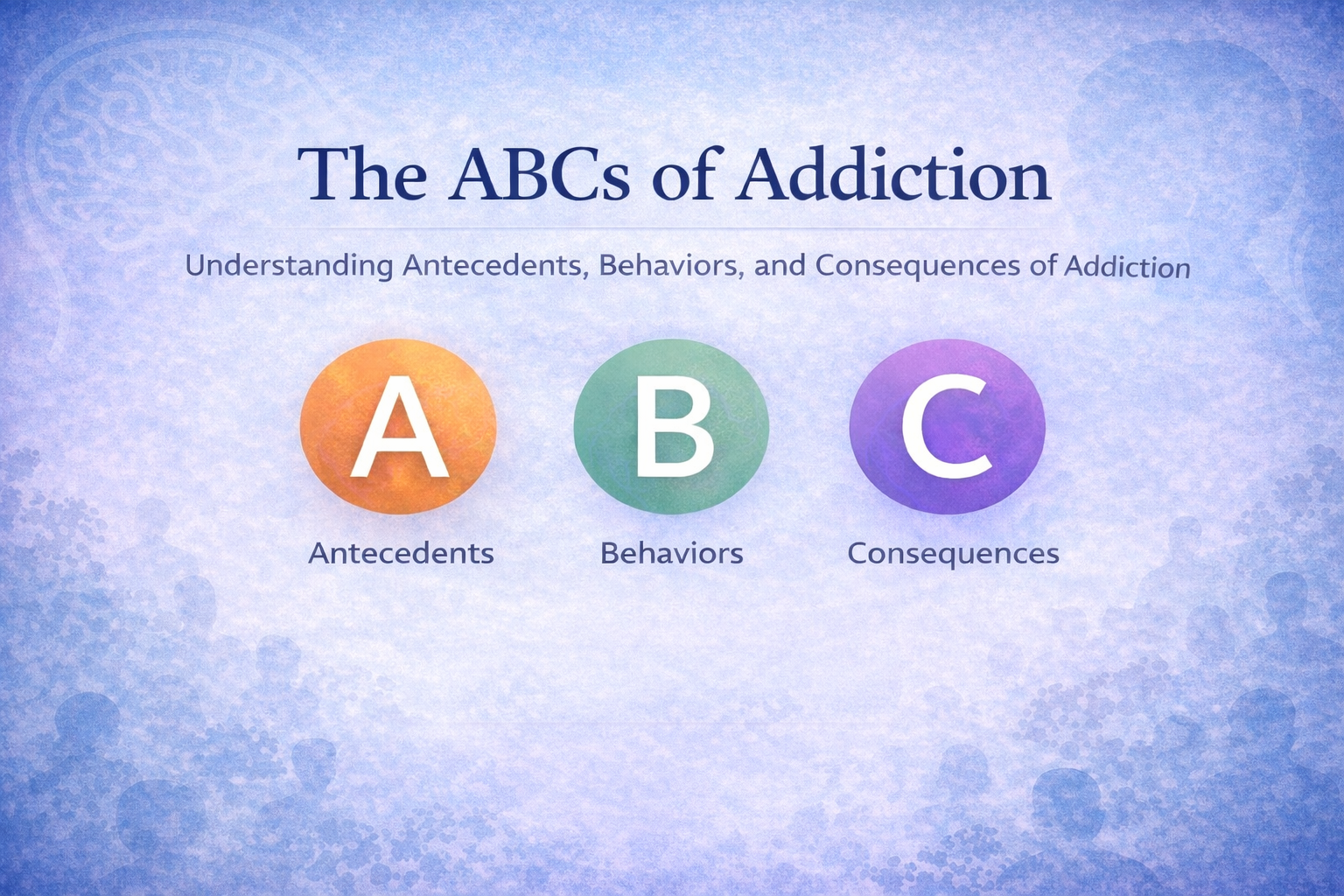
The ABCs of Addiction Behaviors

Understanding addiction can be challenging because it involves complex patterns of thoughts, emotions, and behaviors that develop over time. Addiction does not happen suddenly; instead, it often follows a cycle in which certain situations or feelings lead to specific actions that are reinforced by their outcomes. One useful way to explain how addiction develops and … Read more
Risk Factors for Addiction Disease

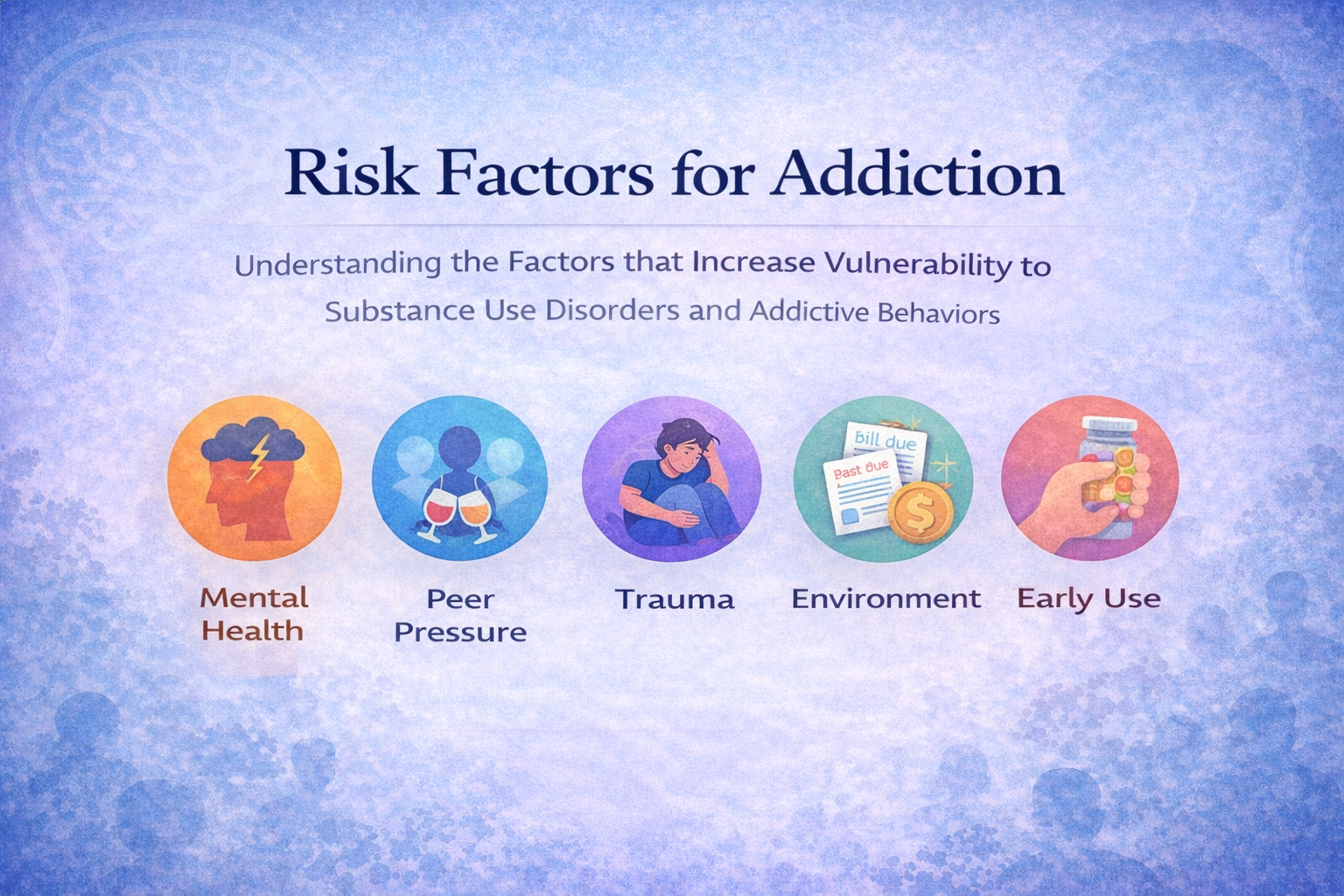
Addiction is a complex condition influenced by many different factors that interact with one another over time. Rather than developing from a single cause, addiction often results from a combination of biological, psychological, and environmental risk factors that increase a person’s vulnerability. Biological influences, such as genetics and brain chemistry, can make some individuals more … Read more

Understanding Addiction Types

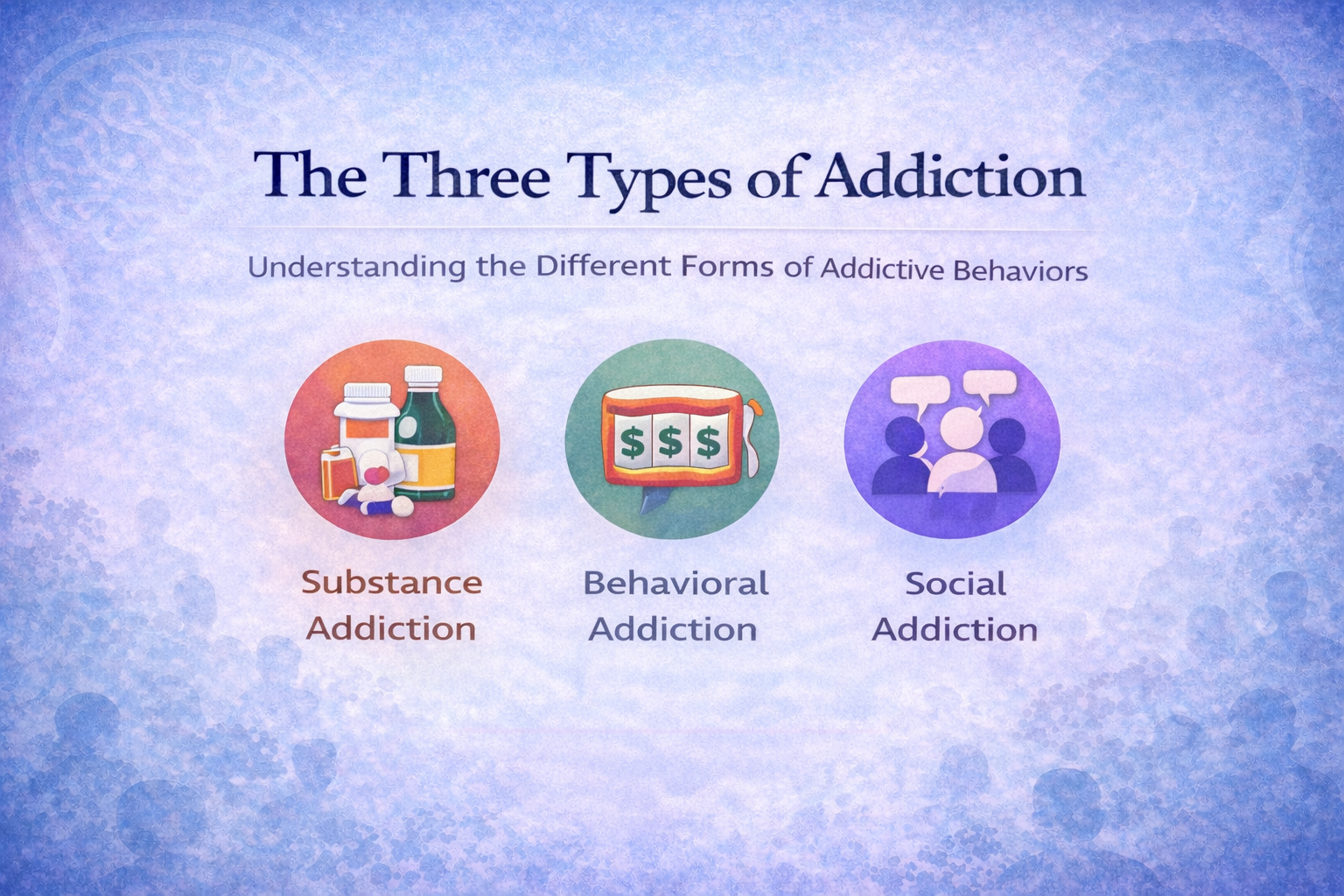
Addiction is a complex condition that affects individuals physically, emotionally, and psychologically. While addiction is often associated only with drugs or alcohol, it can take many different forms. Researchers and clinicians commonly categorize addiction into three primary types: emotional (psychological) addiction, behavioral addiction, and chemical (substance) addiction. Each type involves patterns of dependence that affect … Read more

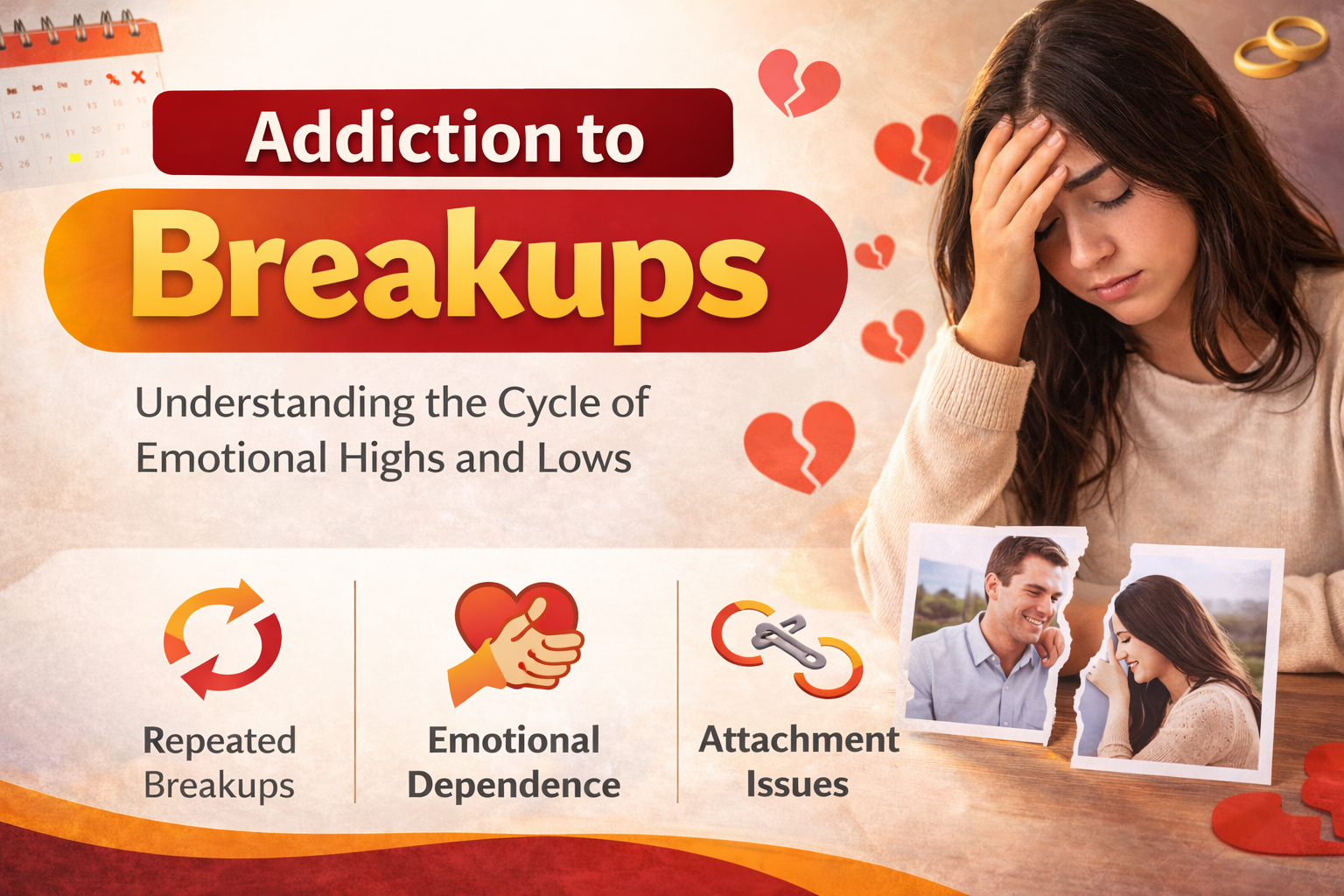
The Emotional Trap of Breakups

Romantic relationships can bring joy, companionship, and emotional support, but they can also involve challenges and conflicts. For some individuals, relationships may follow a repeated pattern of breaking up and getting back together. This cycle, sometimes referred to as “addiction to breakups,” involves repeated separations and reconciliations that create emotional highs and lows. While it … Read more

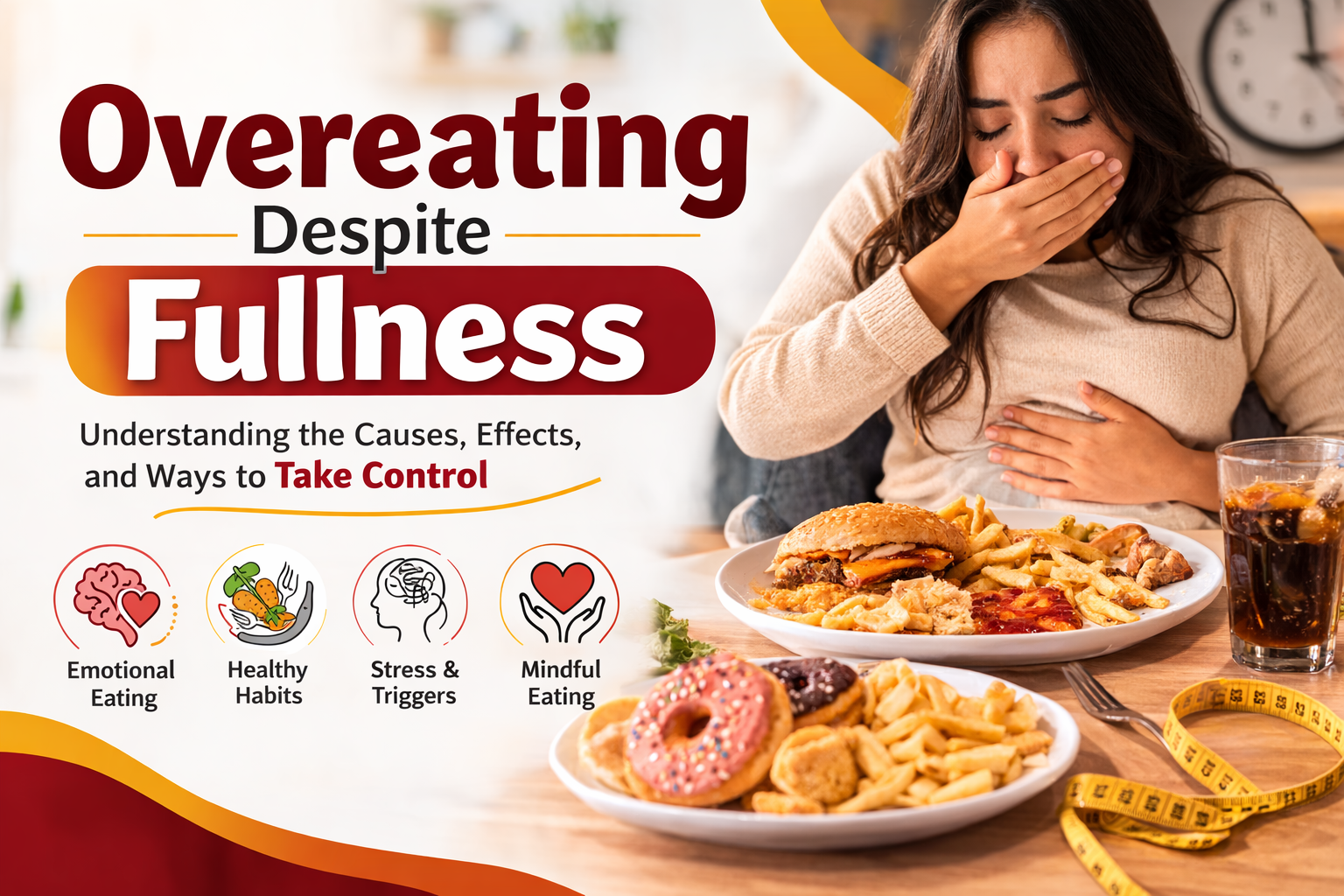
The Psychology of Overeating

Overeating despite feeling full is a behavior that many people experience, often without fully understanding the reasons behind it. Although hunger normally serves as the body’s signal that it needs energy, eating beyond the point of fullness is frequently driven by factors other than physical hunger. Emotional states such as stress, anxiety, boredom, or sadness … Read more

Mortality due to Insurance Loss

Health insurance is essential for maintaining access to healthcare services, medications, and preventive care. When individuals lose insurance coverage, they often face significant barriers to receiving necessary medical treatment. Without consistent access to healthcare, many people delay or avoid medical visits due to financial constraints. This interruption in care can lead to worsening health conditions, … Read more

Caregiving Through Addiction

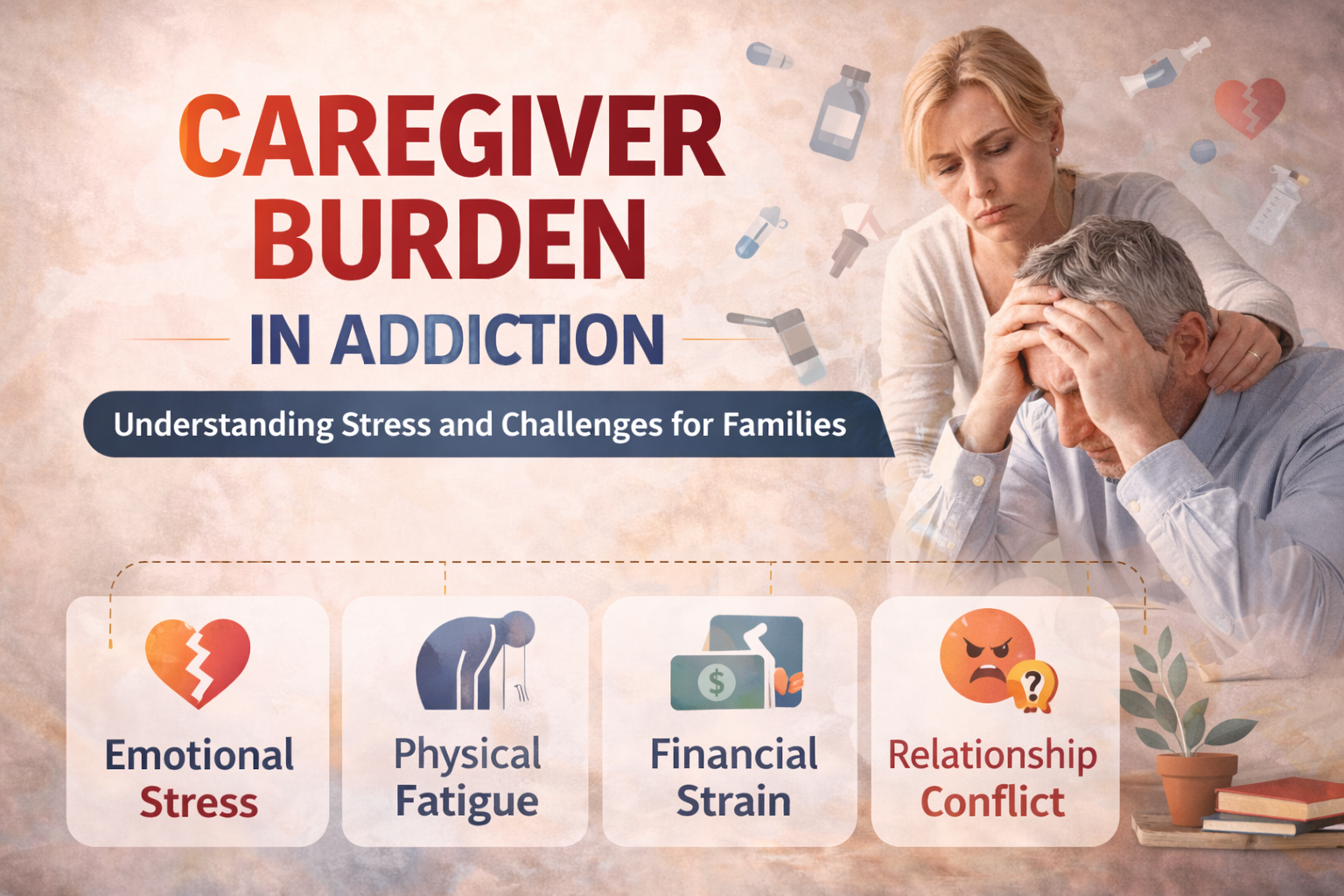
Addiction is a complex and chronic condition that affects not only the individual struggling with substance use but also the family members and loved ones who support them. Caregivers often take on significant responsibilities, including providing emotional support, managing daily needs, assisting with treatment, and coping with the uncertainty that accompanies addiction and recovery. These … Read more

Healing from Obesity Shame

Obesity shame can have a strong impact on a person’s emotional well-being, self-esteem, and overall quality of life. Many individuals living with obesity face stigma, judgment, and negative stereotypes that may lead to feelings of embarrassment, guilt, or self-blame. Over time, these experiences can cause people to internalize harmful beliefs about their bodies and personal … Read more

The Stages of Addiction Recovery

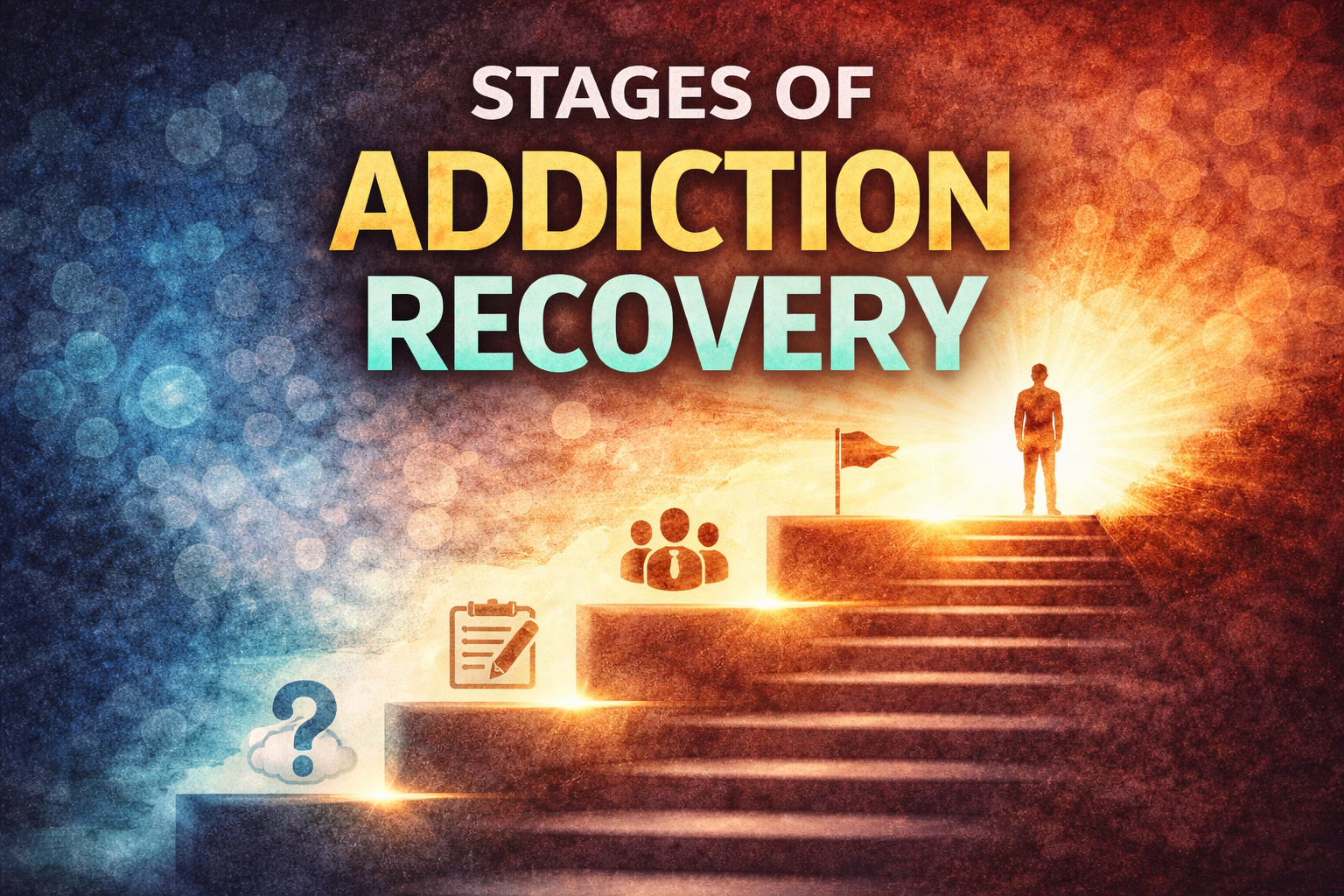
Addiction recovery is a process that unfolds over time and often occurs in several stages. Individuals struggling with substance use rarely move from addiction to recovery all at once. Instead, recovery typically begins with recognizing a problem, considering change, preparing for action, actively working toward sobriety, and maintaining long-term healthy habits. Understanding the stages of … Read more

When Anxiety Becomes a Disorder

Anxiety is a normal reaction to stress, uncertainty, or difficult situations. Many people feel temporary worry or nervousness before important events such as exams, job interviews, or major life changes. In these moments, anxiety can be beneficial because it helps increase focus, alertness, and readiness. However, anxiety becomes problematic when it is constant, intense, and … Read more