AI is changing the way we live. From powering search engines to making health predictions, its reach seems limitless. Recently, I’ve come across a strange new concern: some people are worrying about something called “AI-generated psychosis” and whether advanced tech like artificial intelligence could even stir up cravings for substances. It’s a topic that definitely grabs my attention, especially as tech plays an expanding role in both mental health and addiction spaces. I’m breaking this all down to clear up what’s hype, what’s possible, and why the topic is sparking so much debate right now.
What Even is AI‑Generated Psychosis?
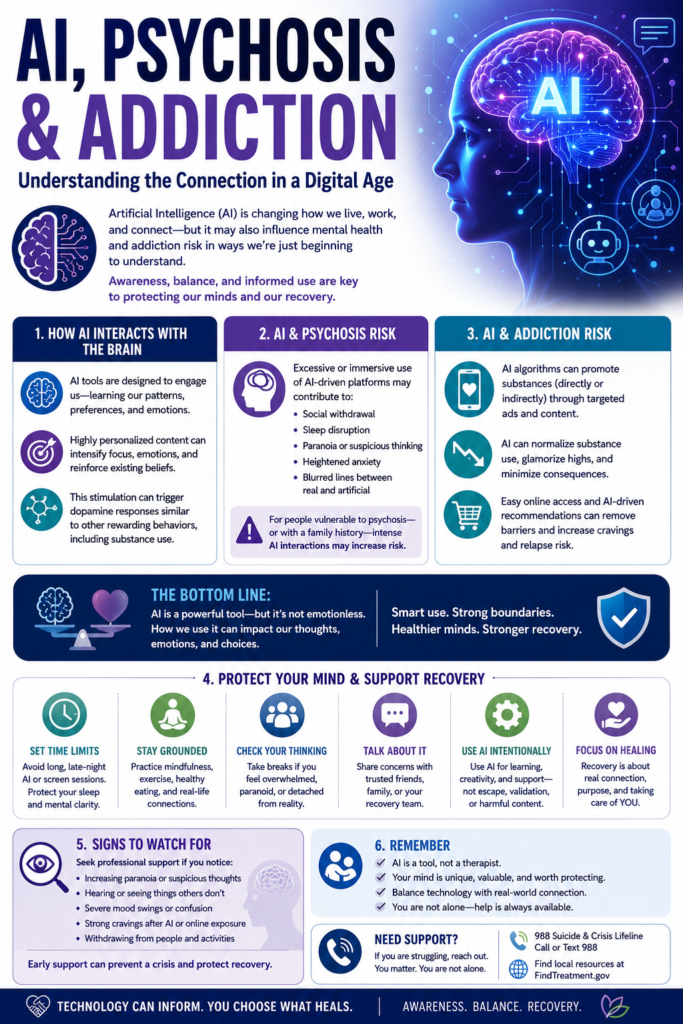
The term “AI-generated psychosis” might sound like something straight out of science fiction, but it has started popping up in real conversations about mental health. Usually, psychosis is a mental health condition where people have trouble telling what’s real and what’s not, including things like hallucinations or paranoia. AI-generated psychosis isn’t an official diagnosis. Instead, it’s a phrase some people use to describe situations where exposure to AI-driven content or interactions—think deepfakes, hyperrealistic chatbots, or synthetic voices—might trigger a psychotic episode in people who are already at risk.
This idea is gaining traction online, but there’s no solid proof yet that AI itself directly causes psychosis. However, some researchers worry that certain kinds of AI-generated content could make things trickier for people who already struggle with psychosis or other mental health problems. High exposure to misinformation, realistic scams, or manipulative social bots could destabilize someone’s sense of reality, especially if they’re feeling isolated or vulnerable.
Exploring the Connection: Could AI Actually Spark Substance Cravings?
When I first heard that tech might trigger cravings for substances like alcohol, nicotine, or other drugs, I was skeptical. But it’s not as far-fetched as it sounds, especially when you look at how social media and algorithm-driven content tap into people’s desires and addictions. AI algorithms can tailor ads, recommend videos, or generate discussions that specifically target someone’s interests or weaknesses—including substance use habits.
A study published in JAMA Psychiatry reveals that certain visual cues in digital content—like seeing someone drinking in a TikTok—can quickly boost cravings for that substance. AI takes this a step further, dynamically adjusting content in real time to keep people engaged. If someone is in recovery from addiction, binge-watching content or getting exposed to targeted triggers could stir up cravings even when they don’t notice it happening.
It’s worth noting that while AI-powered content might indirectly increase risk, it’s not “creating” cravings out of thin air. Most experts agree that it’s more about magnifying existing cravings rather than creating new ones. AI can learn from a user’s interests and vulnerabilities, then serve up prompts that make it much harder to manage those cravings.
Tech and the Brain: How Digital Triggers Work
Tech addiction is not a new worry. People have been debating the addictive pull of the internet, video games, and streaming platforms for years. AI adds a new layer to this. When you scroll through an app or interact with a virtual assistant, the tech behind it molds itself to your preferences with every click, like, or pause. Over time, this can create something like a digital echo chamber, where someone constantly sees content that keeps cravings alive (or even makes them worse).
Certain AI-generated experiences—like virtual influencers, virtual reality experiences, and immersive chatbots—tap into the same reward pathways in the brain as substances do. Dopamine, the brain chemical behind pleasure and reward, doesn’t just spike from using drugs. It can peak from digital rewards, like collecting likes, hitting milestones, or engaging with content that feels custom-made for you. For people with histories of addiction, those digital triggers can look and feel dangerously similar to old habits.
Increasingly, tech platforms experiment with using AI to create emotional reactions that are even more powerful than those of traditional media. For instance, a virtual influencer that seems to “get” you on a personal level might make someone feel seen, but could also make it harder for someone with vulnerable mental health to tell the difference between reality and fiction. It’s all part of a landscape where digital and real life blend together—sometimes with surprising consequences.
Risks for People in Recovery: AI’s Influence Explained
Having worked with people in recovery, I know how tough it is to dodge triggers in everyday life. Now, tech may be introducing a whole batch of new ones. Algorithms just learn from our behavior. If someone searches or even lingers on content about substance use, the AI might start recommending more of it. Virtual communities, forums, and even some health-focused chatbots could steer users toward risky conversations, depending on how they’re designed and the data they use to train.
This really matters because recovery relies on building healthy routines and minimizing exposure to old cues. When AI makes those cues more visible or harder to filter out, people in recovery need extra strategies and support to keep their progress on track.
- Hyperpersonalized Content: The more data you give an AI, the better it gets at guessing what you’ll be drawn to—even if it’s not good for you.
- Community Influence: Online forums run by AI can sometimes mirror users’ language or tone, repeating risky perspectives or substance-focused mindsets without offering sufficient healthy counterpoints.
- Always-On Availability: Unlike a real-life support group that closes for the night, digital AI tools are always open. That makes late-night isolation plus on-demand information a tough combo for people dealing with cravings or flare-ups.
How Tech Developers and Users Can Spot Red Flags
A practical move for tech developers is to train AI systems to spot risky patterns. Flagging keywords, tone changes, or topics linked to substance cravings can help platforms limit or redirect triggering content. Some apps and social platforms let users filter sensitive topics or avoid targeted ads, but these tools aren’t perfect for everyone.
As a user, understanding how much control you actually have is super important. I recommend regular digital breaks, tracking which types of content seem to stir certain moods or cravings, and using privacy tools to block recommendations you’d rather not see.
Key Signs of AI-Triggered Triggers:
- More ads or suggested videos highlight substances you’re trying to avoid.
- Chatbots, virtual assistants, or games start mentioning risky topics or old habits even when you didn’t bring them up.
- You feel stronger urges to use or obsess over a substance after online sessions.
- Social feeds or forums start acting like echo chambers, making cravings, paranoia, or unhealthy behavior more intense.
Things to Consider Before Blaming AI for Mental Health Concerns
Not every brush with anxiety, paranoia, or cravings can be pinned on artificial intelligence. Mental health is super complex: heredity, past trauma, stress, and sleep habits all play big roles. While AI can reinforce certain thought patterns, it usually just mirrors users’ habits and the broader content ecosystem.
I’ve noticed many headlines stoking fear around AI, “causing psychosis” or “making people addicted.” So far, real-world data suggest it’s not so much about AI causing brand-new mental illnesses as about tech making existing risks larger. People already struggling with addiction or psychosis are likely more sensitive to AI-driven triggers and should take extra steps to manage their online experience using digital well-being tools.
Practical Strategies for Staying Safe
You can take steps to reduce the risks of tech-driven cravings or reality confusion. These steps can help, either solo or with support from friends or healthcare providers:
- Use content-blocking or filter features on social platforms and apps, especially for substance-themed content.
- Set time limits or use digital well-being tools to manage and track your use, especially during periods of stress or late at night.
- If you’re in recovery, connect with support groups or counselors who understand digital triggers—they might help spot patterns you’d miss.
- Stay updated on healthy tech habits by checking out resources like Common Sense Media or groups such as SAMHSA.
- If AI-generated content feels confusing, overwhelming, or reality-blurring, take breaks and reach out to someone you trust or a mental health professional for advice.
Frequently Asked Questions
Question: Can AI really trigger psychosis or substance cravings directly?
Answer: There’s not much scientific proof that AI can directly cause psychosis or cravings, but it can make digital triggers more available to people already at risk.
Question: What can I do to reduce my risk of encountering harmful AI-generated content?
Answer: Make the most of digital well-being settings, use content filters, avoid looking up known triggers, and ask for help if something online feels overwhelming or off.
Question: Are mental health professionals worried about AI’s impact?
Answer: Many are starting to pay attention and advise staying aware of digital risks, especially for people with histories of addiction or psychosis. They also recommend moderation and self-awareness as key tools for safety.
What’s Next: Building Tech That Helps, Not Hurts
AI and tech aren’t going away, so the real challenge is making platforms and experiences that support healthy habits. Good design relies on considering risks, teaming up with mental health experts, and making it easier for people to shut off or filter out problematic content. If you’re worried about AI-fueled triggers, it pays to stay informed and use digital tools that put you in control, not at the mercy of algorithms.
Whether you’re a tech enthusiast, a person in recovery, or just curious about where society is heading, keeping tabs on the conversation around AI, psychosis, and addiction is a smart idea. The best defense right now is a good offense—know your risks, use your toolkit, and don’t hesitate to reach out if tech starts making life harder to manage. The more we understand, the better we can use tech on our own terms and steer it toward good.
Video: AI Told Me I Had Psychosis (It Didn’t) #ai #mentalhealth #scary